
 Pet News

Summary
Trimming your cat’s nails is an important aspect of their care, ensuring their comfort and preventing potential health issues. Overgrown nails can cause pain, infections, and difficulty walking, while trimmed nails minimize the risk of injuries to both your cat and household members. This guide covers the importance of regular nail trims, the necessary supplies, preparation techniques, a step-by-step trimming process, and aftercare. With patience, proper tools, and positive reinforcement, you can teach your cat to calmly accept nail trimming. Regular nail maintenance not only keeps your cat healthy but also helps protect your home from damage.
The Importance of Trimming Your Cat's Nails
- Prevent Overgrown Nails:
- Overgrown nails can curl around and grow into the paw pads, causing pain, infection, and difficulty walking.
- Cat nails curl naturally as they grow, making them more difficult to trim if they grow too long.
- Regular toenail trims keep nails at a manageable length, ensuring your cat can walk comfortably.

- Reduce Injuries:
- Sharp nails can easily get caught in blankets, carpets and other surfaces, leading to broken or torn nails.
- Trimmed nails minimize the risk of accidental scratches to you and your family.
- Trimmed nails are an important part of protecting the eyes of other pets, especially new puppies and kittens in the home.
- Small children, seniors, or those on blood-thinning medications, are prone to injury from cats with sharp nails.
- Protect Senior Cats:
- Senior cats are less likely to shed their claw sheaths, which can build up and cause discomfort.
- Senior cats with long nails often get their claws caught in blankets, sweaters, and fabrics, and can risk injury.
- Frail seniors can lack the strength to free themselves if their claws become entangled.
- Protect Your Home:
- Cats with sharp nails are more likely to damage furniture, curtains, and other household items.
- Regular trimming helps maintain a harmonious living environment by reducing destructive scratching behavior.
- Promote Healthier Nails:
- Regular trims help prevent splitting and breaking, which can be painful.
- Nail trimming helps cats shed their claw sheaths properly.
- Healthy nails contribute to your cat’s overall comfort and well-being.
- Preparing for Nail Caps:
- If you plan to use nail caps for your cat, you will need to trim their nails to an approximate specified length before application.
- Nail caps need re-applying approximately every 6 weeks.
- Nail caps are a great way to help prevent scratches and furniture damage.
- Pet owners can often apply nail caps themselves, with some practice.

Supplies You'll Need
Prepare the following supplies before you start trimming your cat’s nails:
- Cat Nail Clippers:
- Choose clippers designed specifically for cats. These can be scissor-style, guillotine-style, or plier-style, based on your preference and comfort.
- Choose a high-quality brand (see our links and online store). Necoichi Purrcision trimmers are well-recommended for a scissor-style trimmer, and will last many years.
- Resco brand is a high-quality and dependable guillotine-style trimmer. Choose the style with vinyl hand grips to help prevent slipping.
- Don’t waste your time and be frustrated with a cheap trimmer. You don’t want to be ready to trim the nails, with your cat in position, then have your clippers painfully twist the nail due to their poor quality or dull blades.
- Styptic Powder:
- This is essential to have on hand in case you accidentally cut into the quick, which can cause bleeding. Styptic powder helps to stop the bleeding quickly.
- Kwick-Stop brand with benzocaine is reliable, and a small bottle will last for years.
- Towel, Blanket, or Wrap:
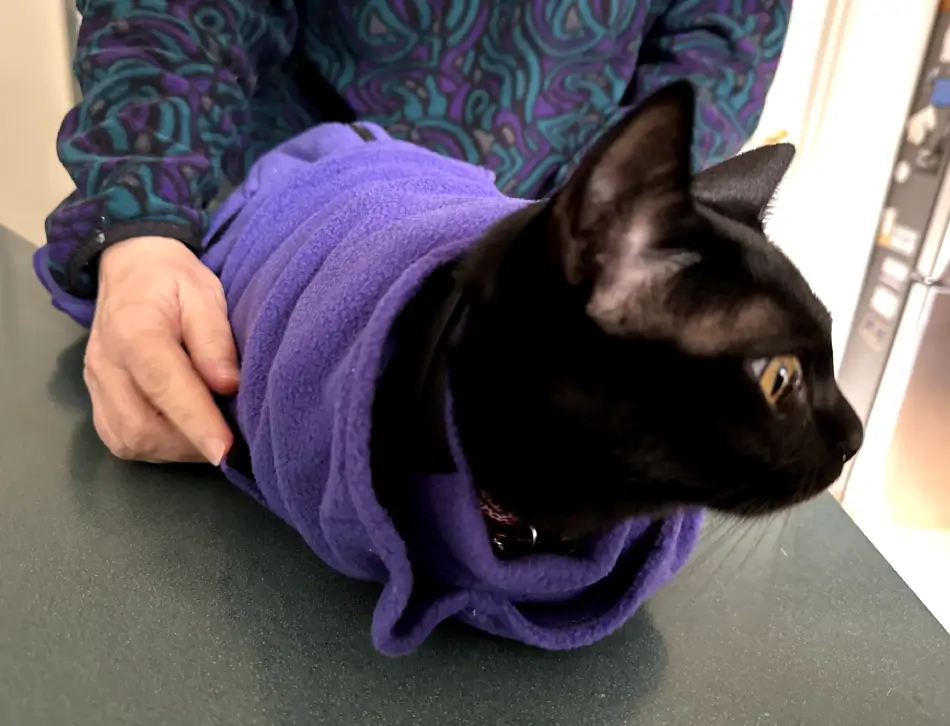
- Use a towel or small blanket to wrap your cat securely, if they tend to be fidgety or anxious.
- We recommend the Calm & Cozy Cat Wrap, as it allows for snug swaddling while maintaining easy access to one leg at a time during nail trims.
- The Calm & Cozy Cat Wrap is a good investment not only for trimming nails, but also for veterinary visits, or if needed for medicating or treating wounds.

- Treats:
- High-value treats will help calm and reward your cat, making the experience more positive.
- Put treats in a shakeable jar, to help call your cat for nail trims, tooth brushing, and grooming. They will quickly learn to associate treats with these activities.
- Nail File:
- A nail file can be used to smooth out any rough edges after trimming.
- A Well-Lit Area:
- Make sure that you have good lighting to see the nails clearly and avoid cutting the quick.
- Consider bringing a lamp into the area, or use a headlamp for extra lighting if needed.
Preparation
Choosing the Right Environment
- Find a Quiet Spot:
- Select a calm, quiet area where your cat feels secure. Avoid areas with distractions, loud noises, or people walking through the room. A bathroom or bedroom often works well.
- Choose a Comfortable Position:
- Position your cat on a comfortable surface where they can sit or lie down. You may want to place them on your lap or a table with a non-slip mat.
Advertisement
Getting Your Cat Comfortable
- Acclimatize Your Cat:
- Spend a few days getting your cat used to having their paws touched. Gently handle their paws and press lightly on their toes to extend the nails.
- Positive Reinforcement:
- Use treats and praise to reward your cat for allowing you to handle their paws. This helps create a positive association with the process.
- If you are doing clicker training, have your cat touch the nail trimmers, then treat them. If you are not doing clicker training, simply show your cat the trimmers, then give a treat.
- The more positive associations you make with nail trimming, the better it will go. You can give a treat when:
- You prepare your supplies with your cat watching
- You carry your supplies to the trimming spot
- You call your cat to the trimming spot
- You sit down with your cat in the trimming spot
- You show your cat the trimmers
- You touch your cat’s foot with your hands
- You touch your cat’s foot with the trimmers
- You get up from the trimming spot
- You leave the trimming spot
- You put your trimming supplies away
- All this reinforcement and you haven’t even trimmed a single toenail yet! This is what we mean by helping make positive associations with the process of trimming.
- As you begin trimming, you will reinforce each toenail with a treat, until your cat becomes used to the process.
Step-by-Step Trimming Process
- Prepare Your Supplies:
- Ensure you have everything within reach: nail clippers, styptic powder, towel, Calm & Cozy Cat Wrap, treats, and a nail file.
- Inspect the Nails:
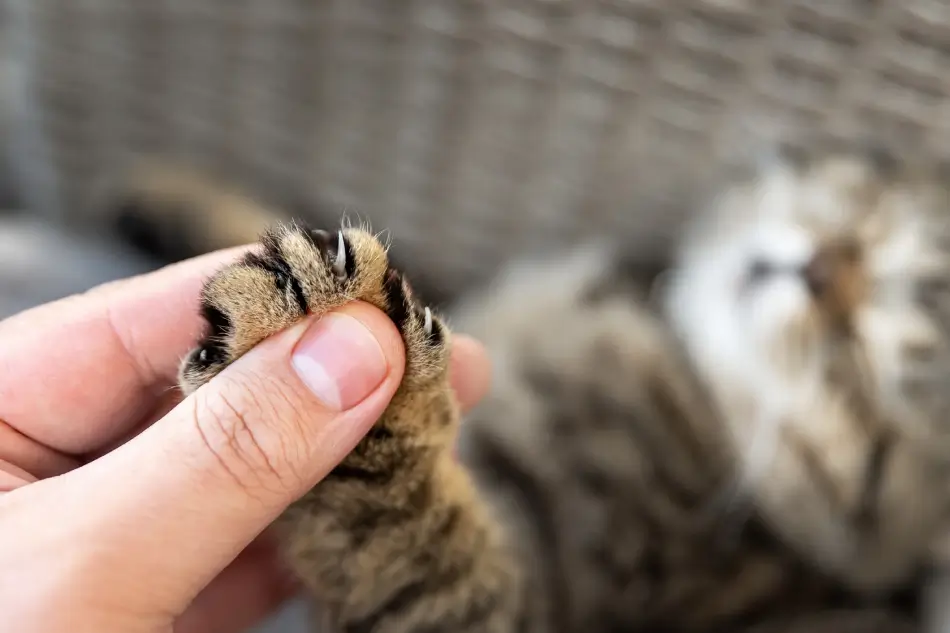
- Gently hold your cat’s paw and press on the pad to extend the nails. Look for the quick, which is the pink area inside the nail containing blood vessels and nerves. Avoid cutting into this area.
- You will not be able to visualize the quick through black toenails.
- If your cat has one or more white, orange, or brown nails, use them as a cutting length guide for the black ones.
- If your cat’s feet are very hairy, consider trimming the hair around the toenails for better visibility. If this is stressful for your cat, trim the hair with lots of treat rewards, then resume nail trimming another day. Or take your cat to a professional groomer for help with hair trimming (and nail trimming, if you’re already there. Fun fact: some groomers will help teach you how to trim your cat’s nails–it’s always worth asking!)
- Position Your Cat:
- If your cat is calm, you can hold them in your lap.
- Often it works best to hold them with their back to you, with your arms wrapped around them.
- If they are fidgety, wrap them in a towel, leaving one paw exposed at a time.
- Alternatively, use the Calm & Cozy Cat Wrap to wrap them in, then expose one leg at a time for nail clipping.
- You may have more success placing your cat on a table, with or without the towel or Calm & Cozy Cat Wrap.
- Be sure to support them securely however they are held.
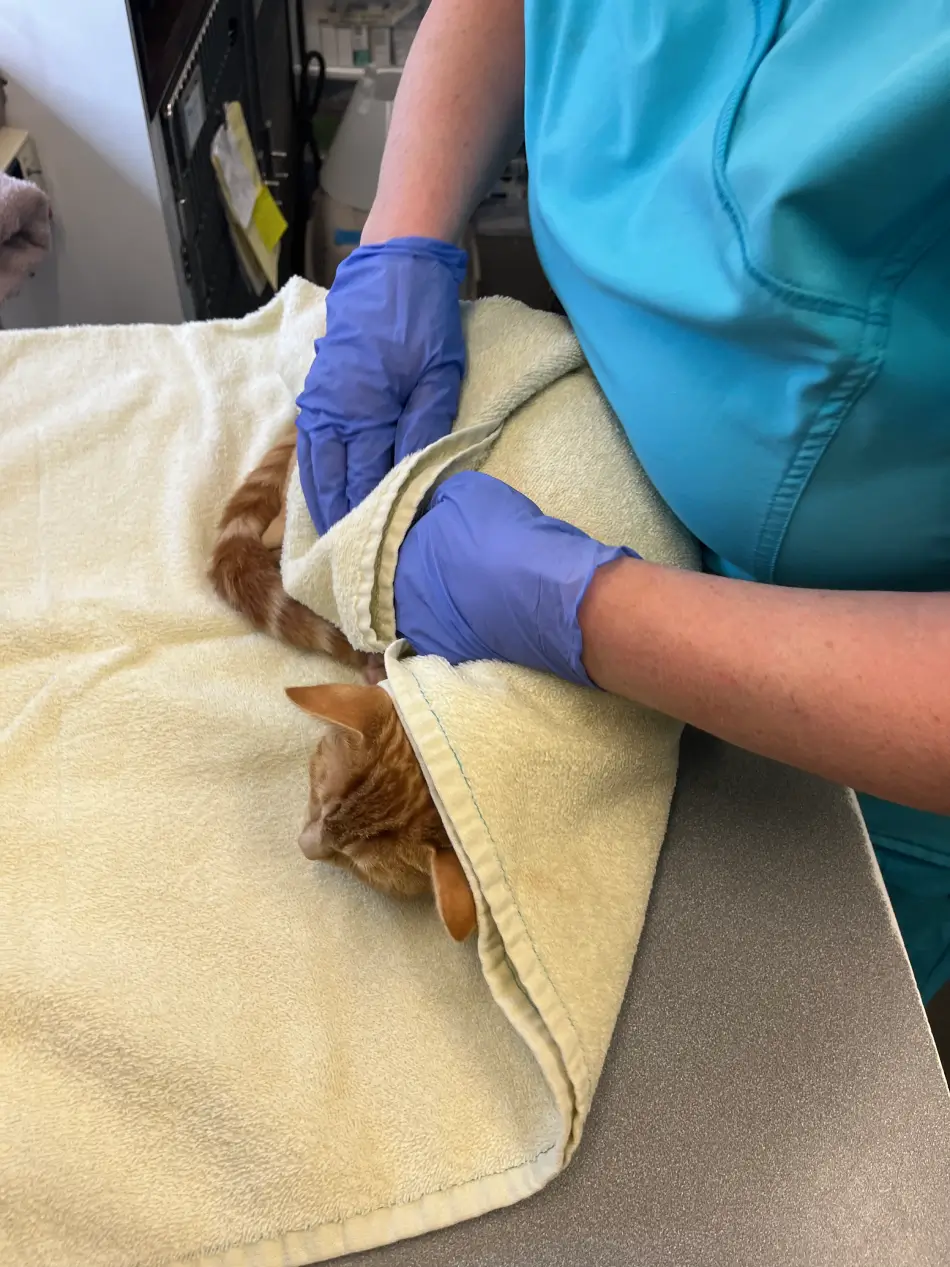
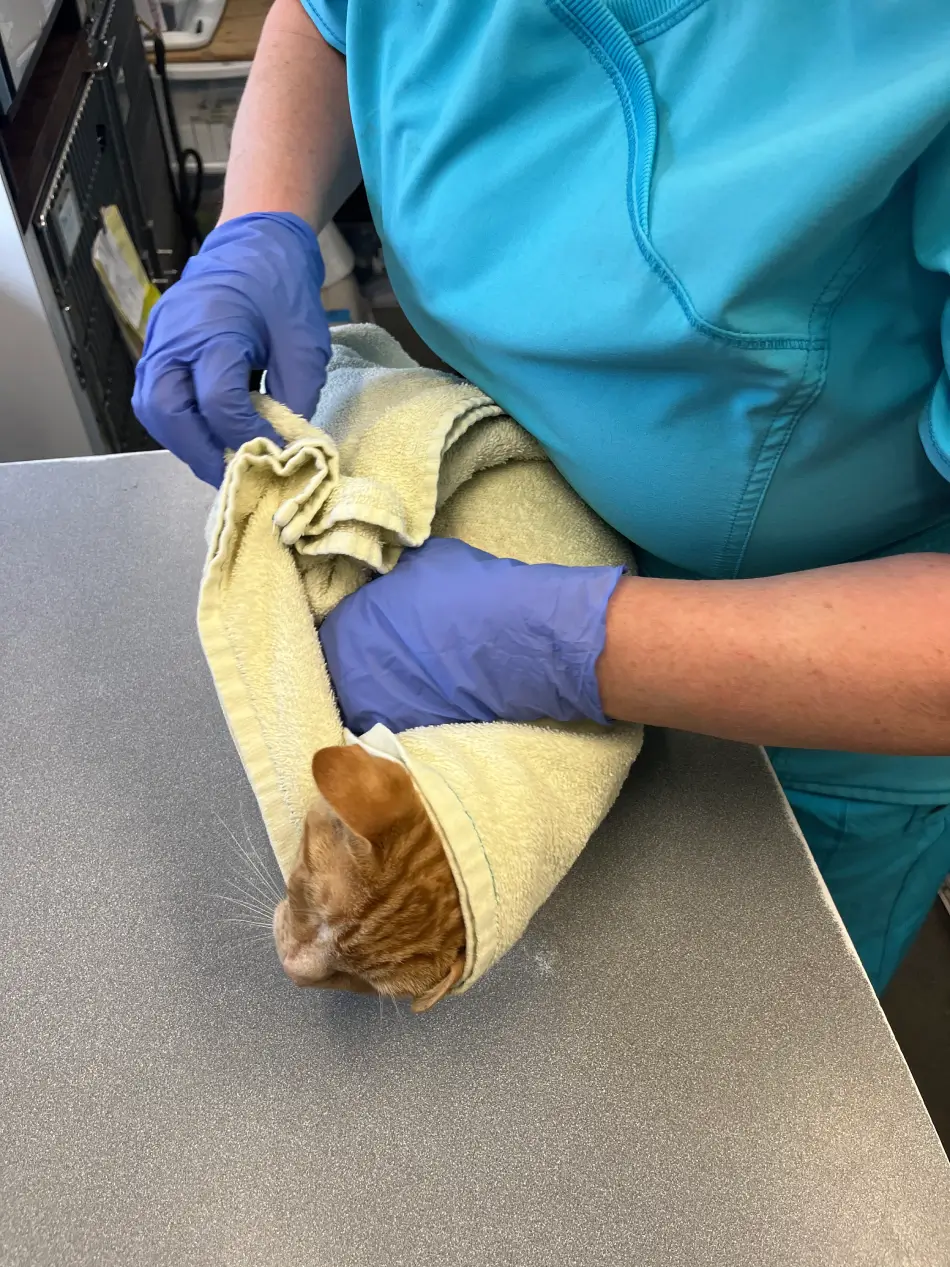
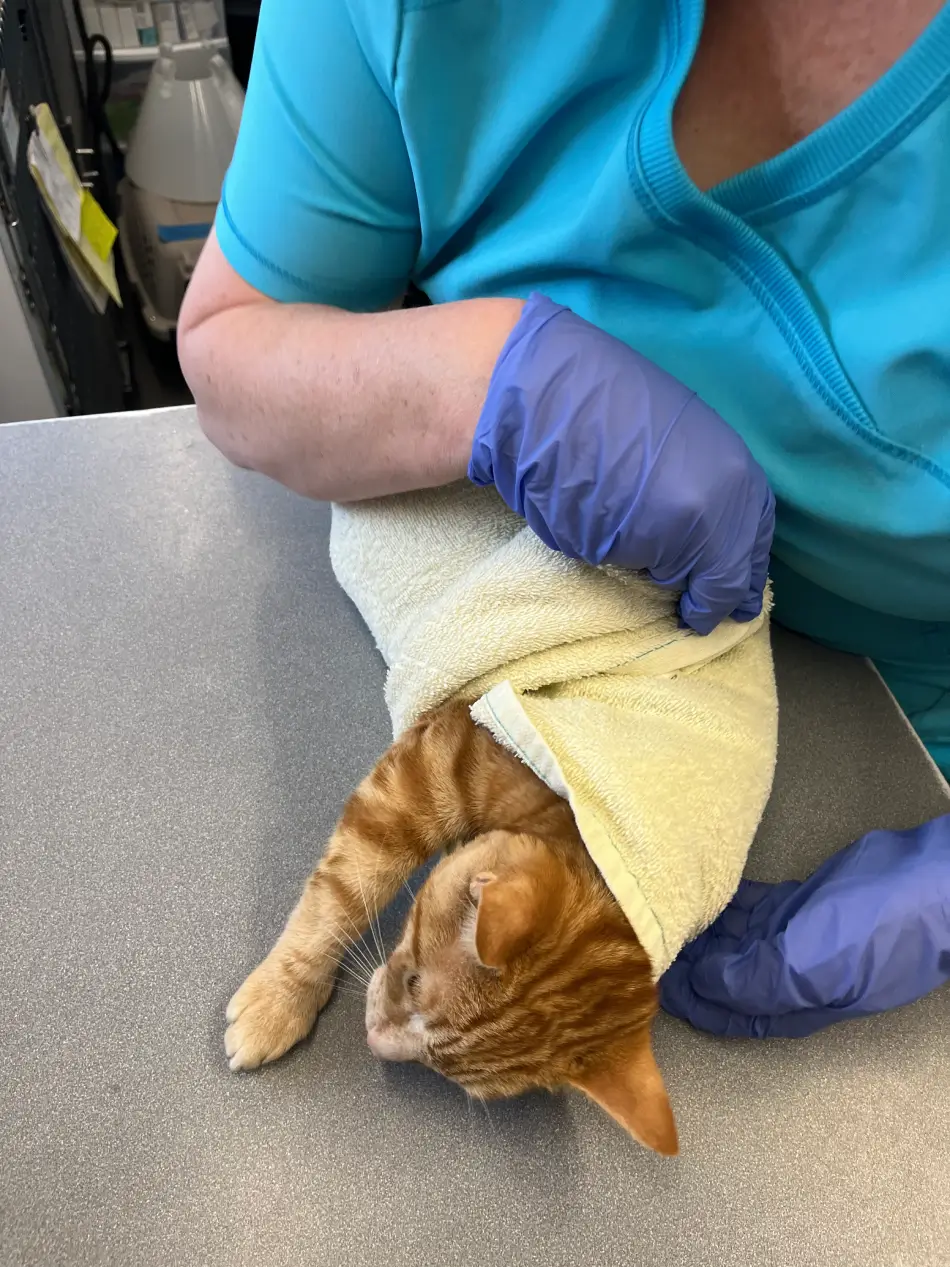
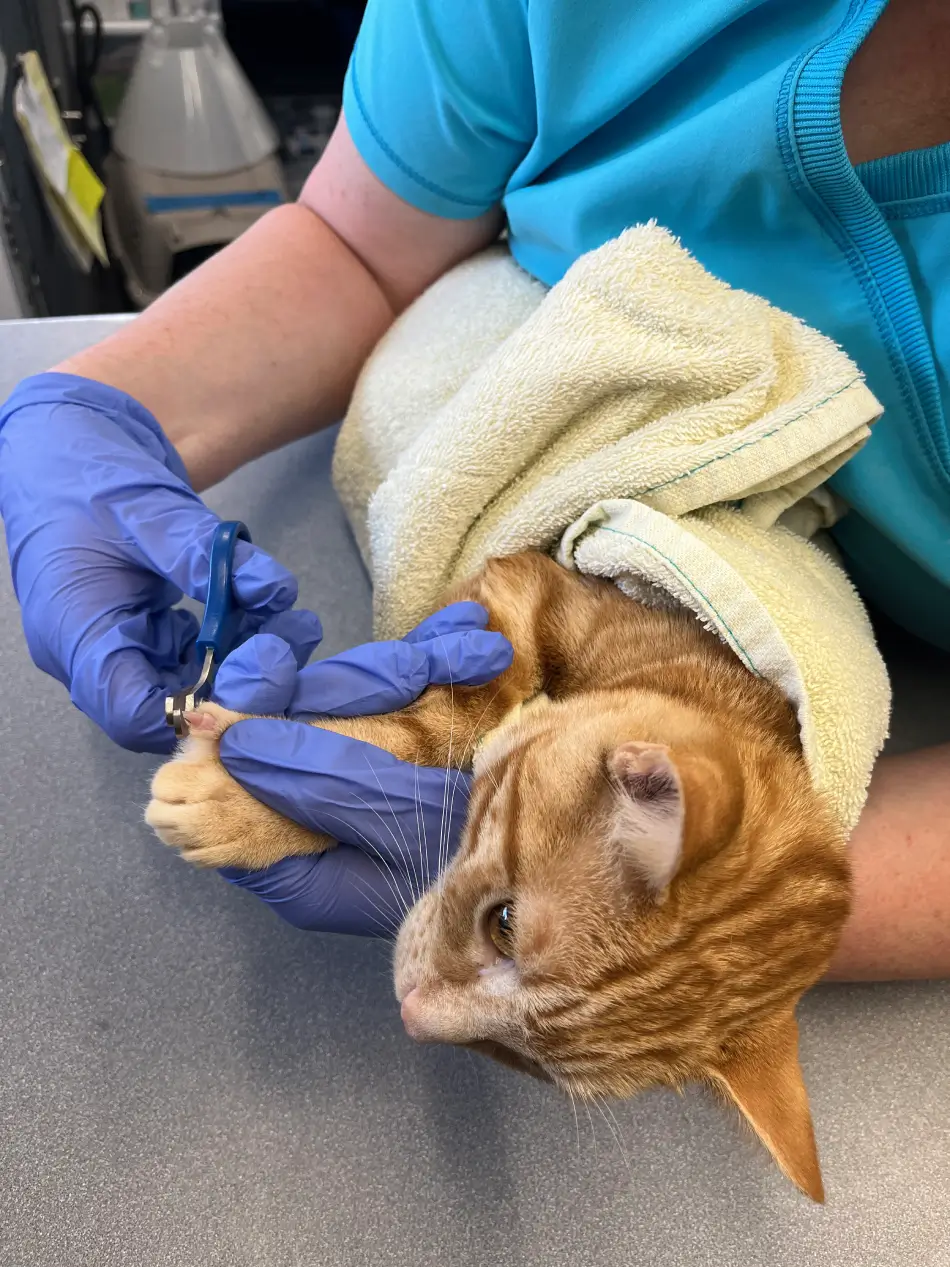
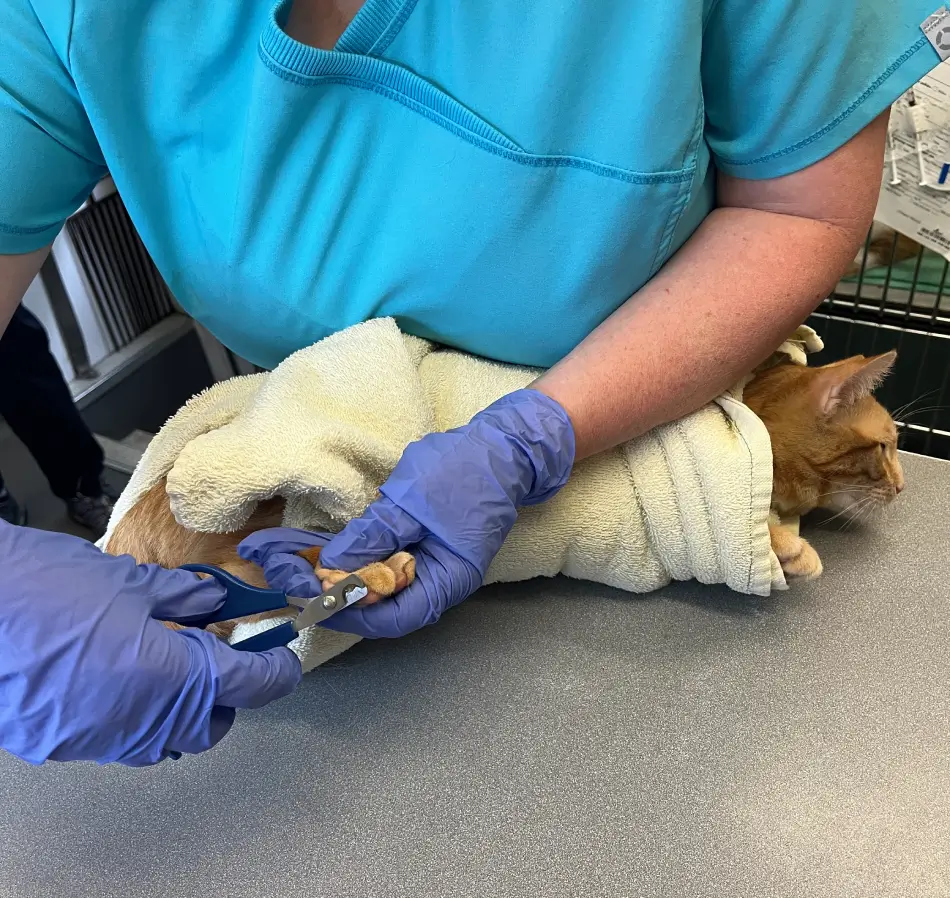
- Trim the Nails:
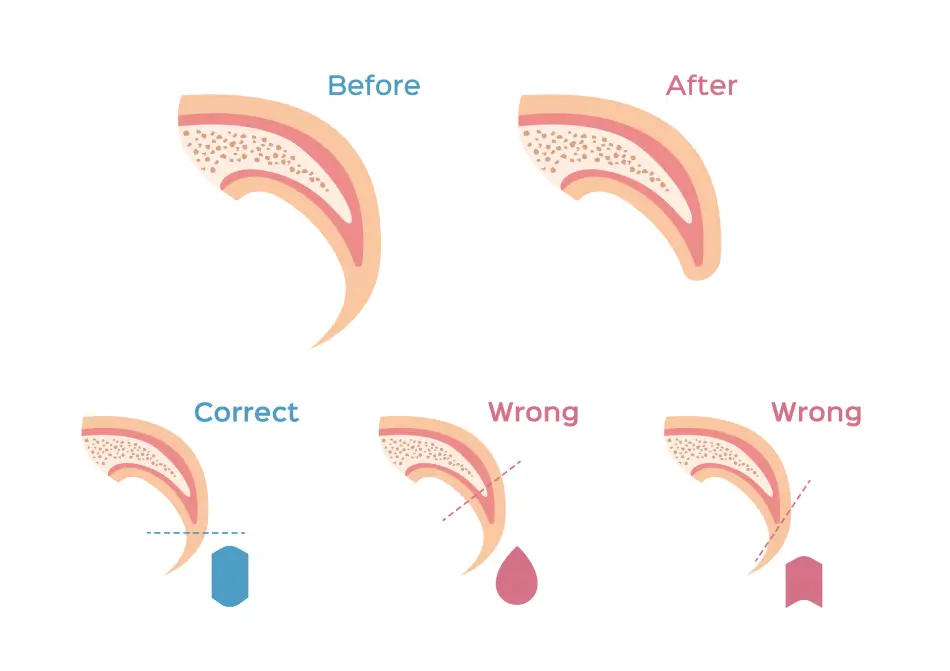
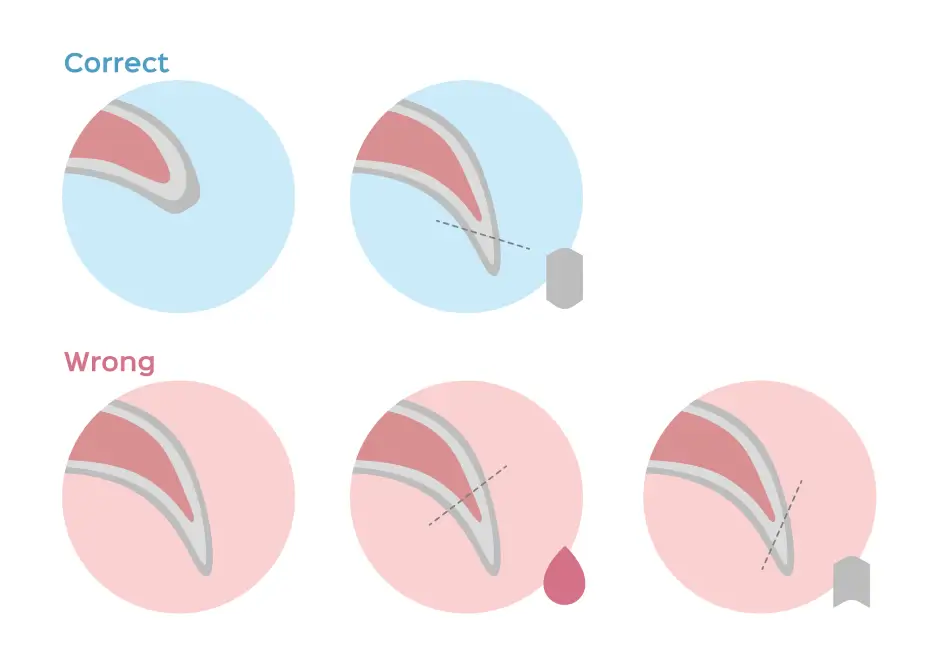
- Hold the clippers at a right angle or angled slightly toward the tip of the nail, and make a small, careful clip of the narrow, curved tip of the nail. Trim a small portion at a time. Avoid the wider, curving triangular part of the nail where the quick is located.
- Start with the front paws and trim the tips of the nails.
- When trimming the back paws, keep in mind that hind nails tend to be already significantly shorter than front nails, so you will trim much less off.
- Don’t forget to trim the dewclaws (see dewclaw) on all four feet.


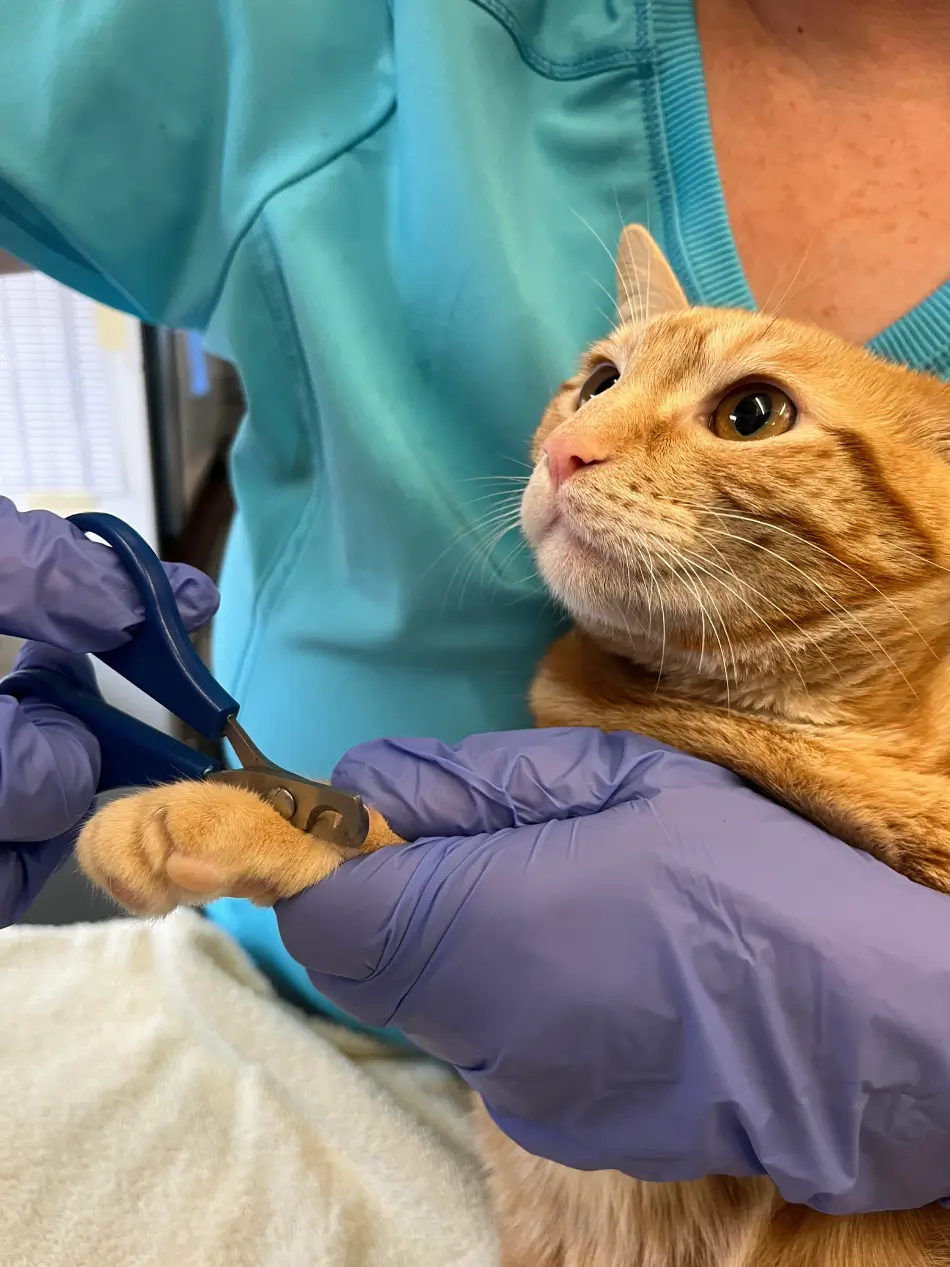
- Smooth the Edges:
- Most of the time you won’t need to file a cat’s nails after trimming.
- If you are concerned, you can use a nail file to smooth any rough edges.
- Reward Your Cat:
- Immediately after trimming each nail, give your cat a treat and praise. This reinforces positive behavior and makes future nail trims easier.
- Tell your cat how wonderful they are for being good for their nail trim!
- After you and your cat get good at nail trims, and you get efficient and fairly quick at it, you will only need to give treats to your cat after each foot, or after the entire trim. You should still “throw a party” though, to keep it fun.
- Take Breaks If Needed:
- If your cat becomes anxious or restless, take a break and try again later. It’s better to trim a few nails at a time than to stress your cat.
Aftercare
- Monitor for Bleeding:
- If you accidentally cut into the quick, apply styptic powder to stop the bleeding.
- Take a pinch of powder and press it onto the bleeding area of the nail. Repeat as necessary until bleeding is stopped.
- Usually any bleeding is less than a drop or two and stops immediately with one or two pinches of styptic powder.
- Monitor the nail for a few days to make sure it heals properly.
- Nails that bleed during or after nail trims rarely cause problems or become infected.
- Check for Discomfort:
- Observe your cat for any signs of discomfort or limping after the trim. If they seem bothered, check the nails again to ensure they are not too short or uneven.
- Maintain a Routine:
- Establish a regular nail trimming schedule, ideally every 2-4 weeks, depending on how fast your cat’s nails grow.
- Remember to monitor their dew claws too.
- Provide Scratching Posts:
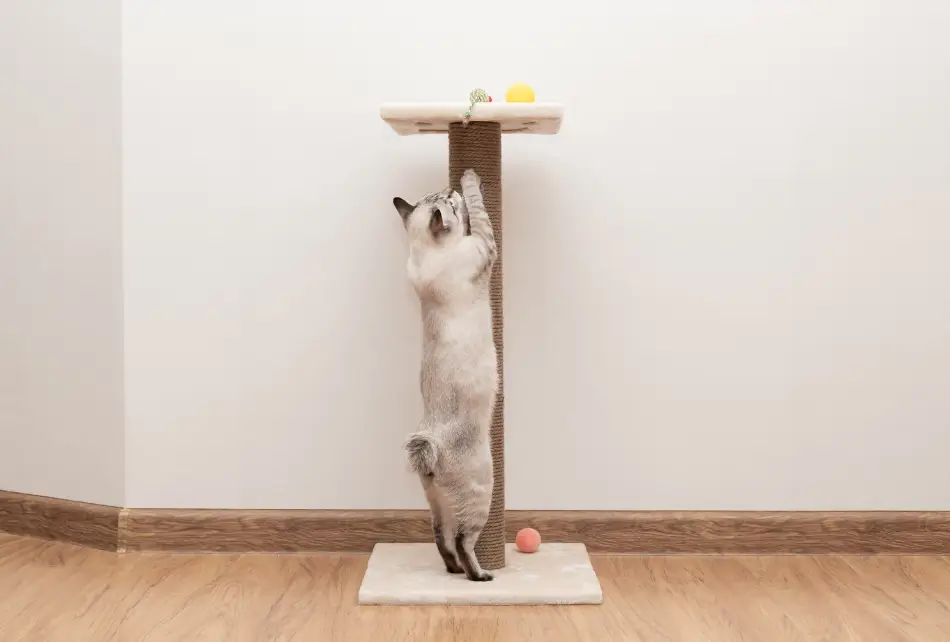
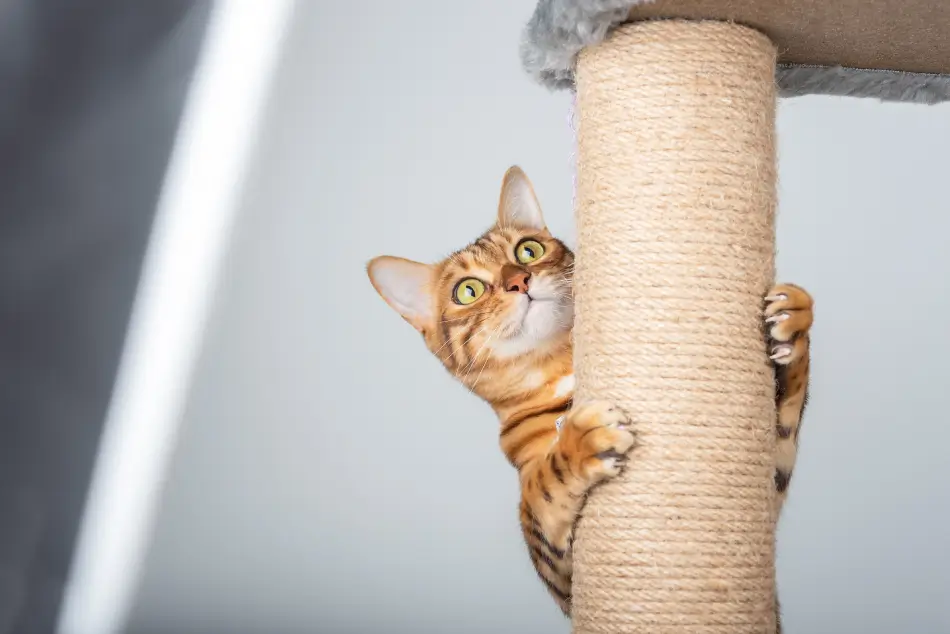
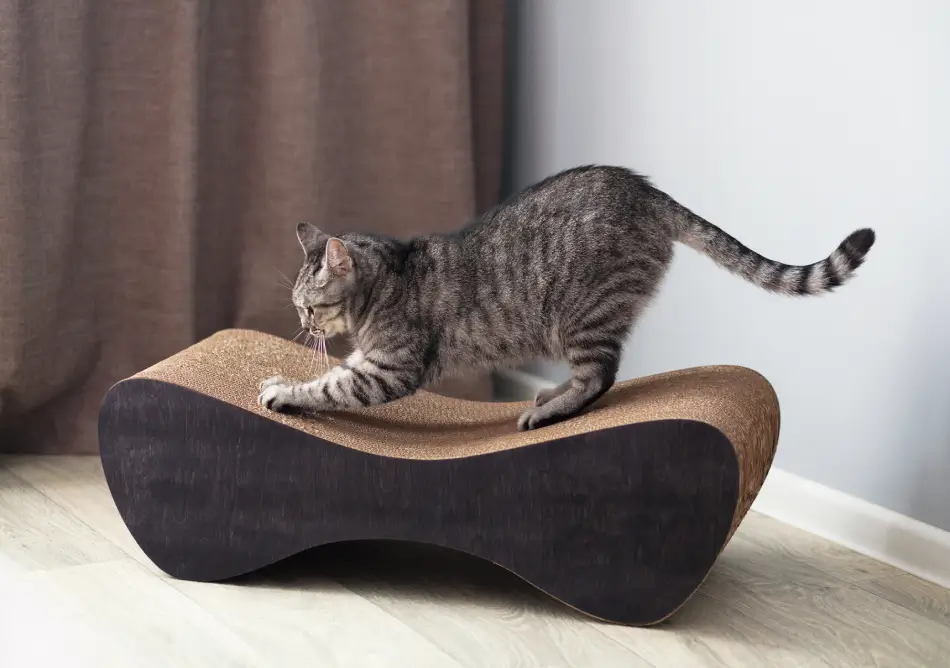
- Encourage your cat to use scratching posts, which can help naturally wear down their nails between trims.
- Scratching on cat posts also helps cats shed their claw sheaths.
- Offer different types of scratching posts such as carpet, sisal, and cardboard.
- Make sure the posts are tall enough so your cat can fully stretch up, and low enough so senior cats can reach them without having to jump up.
- Consult Your Veterinarian:
- If you are unsure about trimming your cat’s nails or if your cat has particularly difficult nails, seek advice from your veterinarian or their staff. They can show you proper techniques and help with any concerns.
- Remember that professional groomers are available to help with nail trimming too.
Troubleshooting Common Issues
- Cat Is Too Anxious:
- If your cat is too anxious, try trimming one nail per day and gradually increase the number as they become more comfortable. Use plenty of treats and positive reinforcement.
- Ask a friend or family member to help hold and comfort your cat.
- If you still can’t achieve success, ask a local groomer for help, or get help from your veterinarian or their staff.
- Difficulty Seeing the Quick:
- For cats with dark nails where the quick is hard to see, try using a flashlight to help illuminate the nail. Trim small amounts to avoid cutting the quick.
- Cat Is Aggressive:
- If your cat becomes aggressive, stop, and do not run the risk of getting bitten or scratched.
- Consult with your veterinarian for tips to help calm your cat during nail trims.
- They might suggest a mild sedative for home use such as gabapentin.
- Your veterinarian will often recommend a pheromone diffuser such as Feliway® for the room where you’ll trim the nails or where your cat spends much of their time.
Maintaining Long-Term Success
- Consistency is Key:
- Make nail trimming a regular part of your cat’s grooming routine. The more consistent you are, the more your cat will get used to the process.
- Positive Reinforcement:
- Always reward your cat with treats and praise. This creates a positive association with nail trimming and makes future sessions easier.
- Keep Nails Healthy:
- In addition to regular trims, ensure your cat’s nails remain healthy by providing scratching posts and monitoring for any signs of nail or paw issues.
- Check your cat’s nails weekly.
- Remember to check the dewclaws.
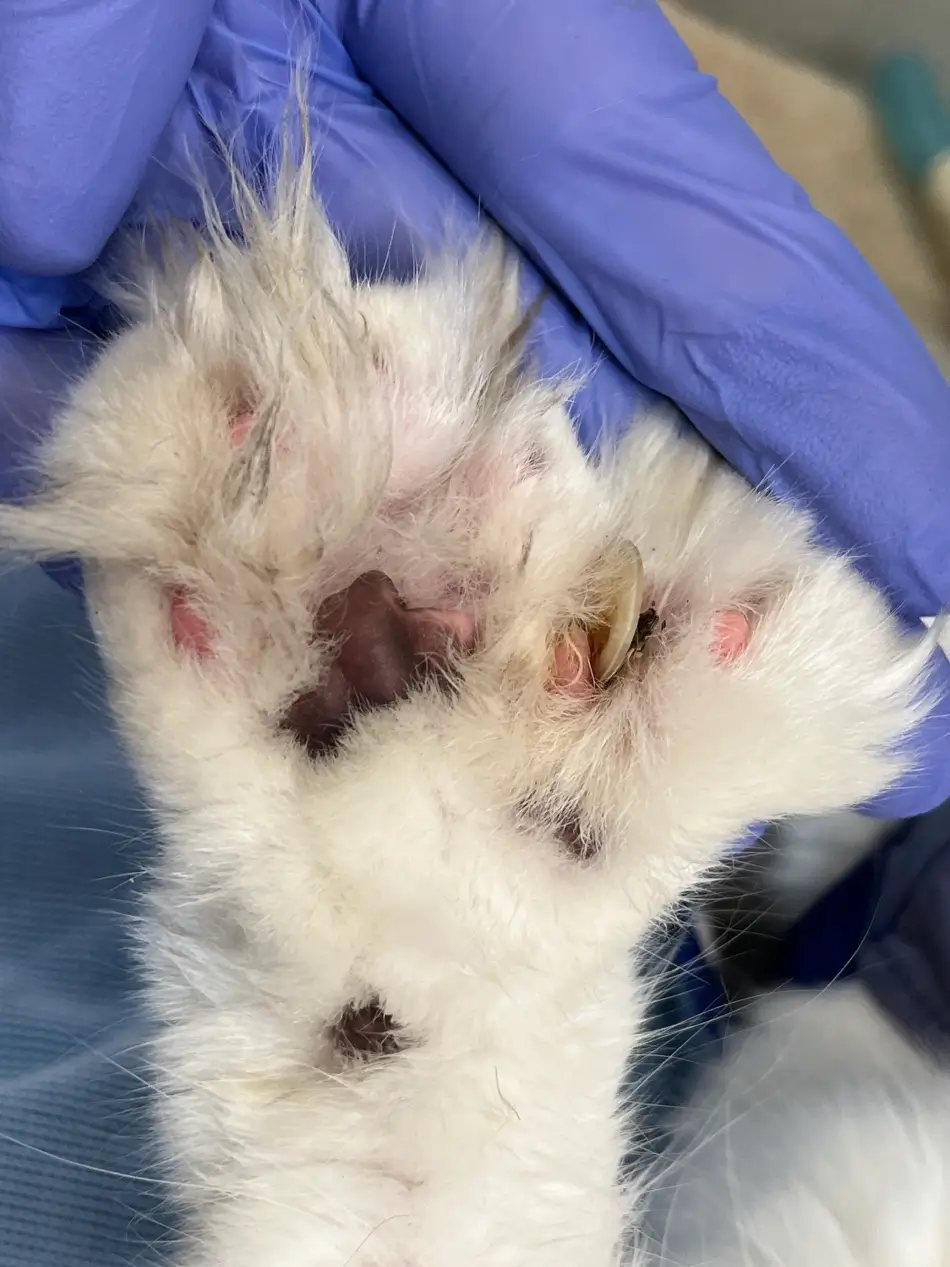
- If your cat is polydactyl, be sure to check the extra toes– and especially in between the toes– for extra claws, and to keep them trimmed. These are prone to overgrow into the skin if not trimmed as frequently as every 2-3 weeks.

Conclusion
Regular nail trimming is an essential part of your cat’s overall care routine. It helps prevent painful nail overgrowth, reduces the risk of injuries, and protects both your home and family members from accidental scratches. With the right tools, techniques, and plenty of positive reinforcement, nail trimming can become a simple routine, and even bonding experience, with your cat. If you encounter challenges, professional help is always available. By providing proper nail care, you help ensure your cat’s comfort and health, thus contributing to a more harmonious living environment for everyone.


By Karen E. Mueller DVM, AVCA Certified
Dr. Mueller has over 30 years of experience in general small animal veterinary practice, feline medicine, and shelter medicine. Dedicated to preventing pain in pets and improving their quality of life, she currently has an animal chiropractic practice in Bellingham, WA. Dr. Mueller is also passionate about reducing pet overpopulation and works with high-volume, low-cost spay and neuter nonprofit programs throughout the Pacific Northwest.