
 Pet News

Summary
A trip to the vet is stressful for most dogs and pet parents, but with planning, desensitization, and training, these important visits can improve significantly for everyone—your beloved dog, your vet (what would we do without them?), the veterinary staff, and, of course, for you.
This is a fictitious story about a dog named “Jack” and a pet parent named “Linda”, who could be any number of dogs and clients that Kerry has helped with over the years:
Jack was a worried German Shepherd. Before Jacks’s pet parent, Linda, learned the art of pre-veterinary preparation, a visit to the clinic was a harrowing ordeal. Jack was overwhelmed and trembling as soon as he walked through the door. His ears flattened and the fur on his back stood on end, as the scent of antiseptic filled the air, and also the sounds of patients barking and meowing. Jack could detect ‘danger’ pheromones left by other patients, that signaled to him that he must escape this place. The waiting room was a maze of anxiety for him. He wore a muzzle during the exam, as he could not be trusted to not bite.
Determined to transform this ordeal into a serene experience, Linda consulted Kerry Mitchell, a renowned dog trainer who specializes in alleviating the stress associated with vet visits. Kerry introduced Linda to the concept of muzzle training—not as a restraint, but as a comfort tool. With patience and gentle encouragement, Jack learned to associate his Baskerville muzzle with positive experiences, finding comfort in its secure embrace.
But the transformation didn’t stop there. Kerry guided Linda through the steps of examination training. Each session at home became a calm exploration of Jack’s sensitive spots—his paws, ears, and belly—rewarded by high-value treats and soothing praises. Gradually, Jack’s anxiety diminished, replaced by a curious nudge of his nose, seeking out the treats that followed each gentle examination. Jack’s veterinarian prescribed sertraline (a serotonin reuptake inhibitor) to help prevent Jack from being flooded by sensory overload.
The real test came on the day of Jack’s veterinary appointment. Instead of the usual chaos, Linda planned a quiet morning. They played fetch in the nearby park before entering the clinic. Serotonin filtered and “toned down” sensory input to Jack’s nervous system, easing him into a state of relaxed anticipation.
Introduction to Stress Factors
Vet visits are, by nature, stressful for our dogs. No matter how gentle and careful a vet is with our furry companions, no matter how friendly vet assistants are or how reassuring we (their prized guardians) are, at the very least they want to leave the room. They pant, drool, shake, scratch at the door, refuse our super high-value treats, crawl up on the furniture, jump on us, cower, tuck their tails, and the more fearful the dog, the more defensive his behaviors.
In a very fearful dog we might see dilated pupils, ears laid back flat on his head, defensive barking, growling, snapping, and ultimately, biting. Dogs don’t bite because they are trying to hurt us. They bite to defend themselves.
Advertisement
Description of Stress Behaviors
All these stress-related behaviors reflect what’s going on inside our dogs—elevated heart rate, blood pressure and respiratory rate, and rocketing adrenaline and cortisol levels, none of which are good for their wellbeing. My goal is to offer you some ideas that will help you create a more comfortable, safe environment for your dog, yourself, and your vet. It’s important to realize that any dog will bite if put in the right situation, no matter how good-natured he is.
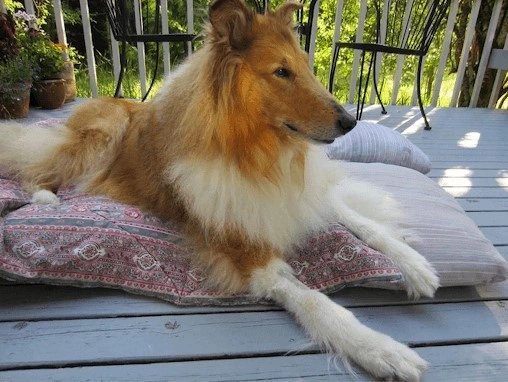
Photo Credit Kerry Mitchell
Preparation for Vet Visits
Muzzle Training
Teach your dog to wear a muzzle. I never used muzzles when I worked with reactive/aggressive dogs, because to do so implies that since the risk of a bite will be negated, the dog can safely be forced into uncomfortable situations against his will. The problem is that a muzzle won’t prevent the dog from feeling extreme fear and anxiety when placed in a threatening situation. I do believe, however, that every dog should be desensitized (see “desensitization”) to a muzzle for vet visits in case they are afraid of the vet or ill or in pain.
Dogs pick up on their parent’s discomfort through odor, facial expression, body posture, and tone of voice, so if you and/or your vet are anxious about the visit (for whatever reason), your dog’s anxiety level will increase in response. The more relaxed you are, the more relaxed your dog will be. However, keep in mind that no matter how diligent you are in preparing your dog for a visit to the vet and no matter how careful the staff are, smelling unfamiliar odors, having strangers handle them, and undergoing uncomfortable tests are frightening for our dogs—and a scared dog is much closer to aggression than a relaxed dog.
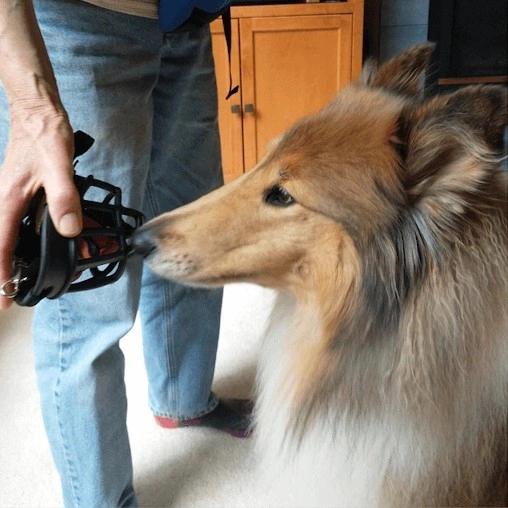
Photo Credit Kerry Mitchell
- The muzzle I recommend is the Baskerville Muzzle. This muzzle is comfortable, secure, and dogs can eat treats, pant, and drink while wearing it.
- Trainer Chirag Patel does a wonderful job of demonstrating how to teach one’s dog to love his muzzle. Check out his training video here.
- If you think there’s a chance that your dog could be a bite risk at the vet clinic, always notify staff ahead of time and bring your dog’s muzzle with you. That said, the clinic staff might prefer to use their own muzzle.
Examination Training
Teach your dog to enjoy being examined and restrained. Just like us, when dogs know what to expect, they’ll be more relaxed and better able to cope. If you teach your dog to associate a physical examination with praise and treats, he’ll anticipate what is coming and be less anxious when your vet examines him. Most dogs have areas of their bodies that are somewhat sensitive: ears, paws, flanks, faces, and mouths, for example. If, over time, you focus on desensitizing him to being touched in these areas, he’ll be much calmer when your vet examines him.
- First of all, if your dog is uncomfortable even when you handle him, find a positive-rewards trainer to help you desensitize him to handling and restraint.
- If your dog loves to snuggle, you can start handling exercises as part of your cuddle sessions.
- Start with the areas he most likes to be touched, and then move briefly to areas more difficult for him. Use higher value treats such as small pieces of hot dogs, chicken, cheese sticks, or steak when approaching these more sensitive areas.
- Once your dog is comfortable with you handling his face and looking closely at his eyes (you can briefly shine a light in his eyes, and open and close each eyelid, and put a drop of preservative free artificial tear solution on each eye)), ears, and teeth, move on to his paws, tummy and tail. If he’s relaxed and happy, in the next session have another member of your household handle him while you supervise, rewarding each touch with a treat. If he’s tense (tries to move away, becomes stiff, starts licking his lips, yawning, or growling), stop immediately and do something he enjoys.
- If he is comfortable with handling, you can add short restraint exercises by holding him firmly in a comfortable position for a few seconds while another member of your family feeds him extra-good treats. Adult dogs might find this exercise threatening, so if he freezes, stiffens, or tries to get away, stop the exercise immediately. If he does tolerate being briefly restrained, gradually increase the length of time he’s restrained to a maximum of fifteen to twenty seconds, while your assistant continues to offer treats and praise. Your vet might prefer to have staff restrain your dog when you are at the clinic.
Advertisement
Car Rides
Make car rides an enjoyable, relaxing event for your dog. If every time your dog gets into the car he’s taken somewhere unpleasant, he will associate car rides with a bad experience, and by the time you reach the veterinary clinic a chemical bath of neurotransmitters and stress hormones will be circulating in his system—it won’t take much to send him into a state of panic.
Traveling in a confined space in a car can be scary for a dog. If your dog doesn’t like the car, or seems to experience motion sickness, desensitizing him to car travel is very helpful. This requires patience over several weeks. Also remember to give plenty of praise and a food reward during this whole process.
If the weather is hot or cold, turn your car on first and adjust the interior temperature, then turn the car off.
- Spray the inside of the car with a pheromone that reduces anxiety.
- Then put your dog in your car and turn on the engine. Sit quietly for a few minutes and then stop the car and let your dog out.
- Repeat the next day, and when successful, then add a crate or a pet seatbelt to secure your dog and turn on the car. Then move the car out of your driveway or parking lot and then return.
- The next day, drive around the block.
- As the days pass, your goal is to have your dog work up to riding peacefully for as long as it would take for you to drive to the veterinary clinic or the dog park.
- Mix it up and take him on short rides to “happy places”. It may help to take him for short, frequent rides to places he enjoys.
- Make sure he’s cool, comfortable, and has water available. This will make a huge difference to his acceptance of the car.
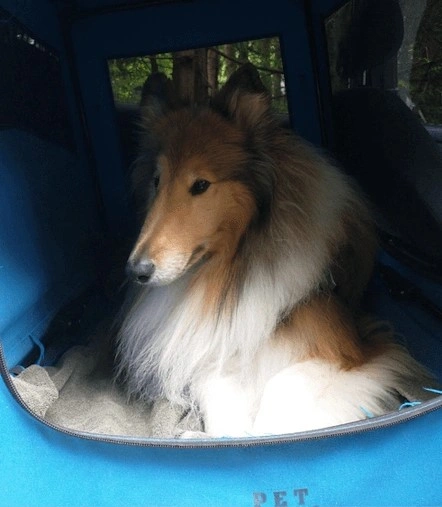
Photo Credit Kerry Mitchell
Training Specifics
Tricks and Engagement
Teach your dog simple tricks like sit, down, spin, and hand targeting so you can engage him in positive activities while you wait.
Pre-Visit Arrangements
Make arrangements to take your dog to the veterinary clinic just to visit. If your dog is anxious when you arrive in the parking lot, stay in the car, speak calmly to him, and offer him treats. If his mood improves, walk him past the clinic and feed him treats as you approach the door, then withhold them once you’re moving away. Repeat this several times, being upbeat and positive. If his level of anxiety decreases, take him into the lobby to visit with staff so they can greet him and feed him a treat or two. Keep the visit short and positive, then do something fun—take him for a good sniffy walk, play a game of ball, or visit one of his friends for playtime. If your dog is afraid of people, find a dog trainer to help you with this desensitization process.
Advertisement
Calming Supplements and Medication
Consider using calming supplements for your dog such as Solliquin or Composure to help take the edge off his anxiety. There are many other supplements on the market, so talk to your vet to see if she has a favorite.
If calming supplements haven’t worked in the past, talk to your vet about giving him prescription anti-anxiety medication prior to your appointment. We adopted a fearful German shepherd and it was years before we started pre-medicating her, but we were so glad we did. Before we started this practice, she would shake like a leaf, lose fur, scramble up on the furniture, and claw at our legs. And that wasn’t all. For twenty-four hours afterward, her reactivity level would escalate far above normal.
However, with anti-anxiety medication, she was much calmer, and other than having an increased appetite for a short time following her appointment, she was poised and interactive when she saw the vet, and much more relaxed with procedures. We saw no increase in her level of reactivity after her appointment.
Hair and Nail Trimming
You want the doctor to be able to easily examine all of your dog. If long hair or mats are present, it can add time and stress to the examination. If there is long facial hair covering eyes and/or ear canals, closely trimming the hair well in advance of the visit will make it easier for the doctor to examine the eyes and ears, and for your dog to tolerate examination of these sensitive areas. Consider having your dog bathed, groomed, and hair trimmed 3 to 5 days prior to the veterinary visit.
If your dog is stressed by nail trims, use your judgment as to whether you should perform this task or have the veterinary team trim the nails. If you are sedating your dog prior to the appointment, sedation can provide an ideal opportunity for a nail trim by you or the veterinary team.
Stress-Free Twenty Four Hours
Plan for your dog to enjoy a relatively stress-free twenty-four hours prior to his appointment to prevent stress hormones from building up in his system. This will ensure that he will be in a fairly relaxed state before leaving the house. Avoid potential triggers such as large groups of people, taking him to the groomer, bathing him, leaving him alone for longer than normal, loud noises within the home, and taking him to an environment he finds stressful the day before and the day of his appointment.
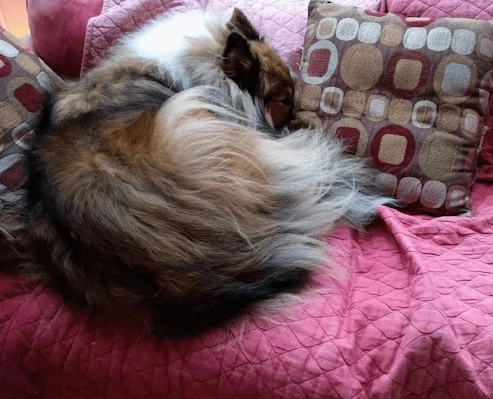
Photo Credit Kerry Mitchell
List of Medication and Supplements
Put together a complete list of medications and supplements as well as the foods your dog eats, including snacks. In some cases, it might be helpful to take a photo of the ingredients listed on your dog’s food packaging to help your vet find the potential cause of his symptoms. The more organized you are, the more smoothly the appointment will go, and the less stress both you and your dog will experience.
If possible, arrange to have your partner accompany you and Fido to the appointment so you can both hear the vet’s diagnosis and recommendations for treatment. A vet appointment can be a complicated process, and if you are both present, you can both offer valuable information, ask questions, and later help each other to interpret the information you received. Also, you will both be present to support your dog.
Day of the Appointment
- Feed Fido a smaller breakfast than you would normally. This will help to prevent motion sickness if he’s prone, and will also ensure that he’ll be hungry for the treats used to help him through his procedures.
- Plan a good walk or playtime prior to his appointment so he’s tired and relaxed and has some of the calming neurotransmitter, serotonin, in his system.
- Pre-medicate him at the appropriate time if that’s part of your care plan.
- If a urine or stool sample might be needed, collect them according to your vet’s instructions, (or don’t take him out to urinate for two hours prior to his appointment if your vet prefers to collect the sample.) Also, it’s a good idea to bring photos/videos of your dog’s rashes, eyes, behaviors (seizure activity, for example), stools (if abnormal) etc. Don’t forget to pack his favorite special treats and his muzzle. It’s best to have it with you, even if you don’t need to use it. Use a harness so there’s no chance he’ll slip out of his collar if he decides to balk when walking into the clinic. If your dog is a small dog, bring him in a carrier. Spray the carrier (and your car) beforehand with Adaptil pheromone calming spray.
Advertisement
Going into the Clinic
- When you get to the clinic, notify the receptionist that you’ve arrived prior to taking him inside. Taking your dog directly from the car into an exam room rather than waiting in a busy waiting room can help to prevent his anxiety level from escalating.
- Stay as relaxed and positive as you can. Once in the exam room, allow him to explore and sniff. Smile, breathe, play with him, and/or have him do his favorite tricks while you wait.
Veterinary Exams: With or Without the Pet Parent?
- Some dogs do much better at the vet’s when they’re examined away from you. If this is so, be confident and positive when you hand over the leash. Dogs get their cues from us, and if we don’t think it’s a big deal, they are less likely to as well.
Our reactive German shepherd, Vera, did much better when she was taken away from us to be examined or to undergo procedures. Instead of being a nervous wreck (shaking, climbing onto our laps, clawing at the door), staff reported she was poised and well-behaved without us present. They even removed her muzzle as soon as her physical examination and/or procedures were finished. At first it was difficult to let her go, but we soon learned that she coped better on her own with the help of our compassionate vet and vet techs. Medication also helped her through the experience.
Photo Credit Kerry Mitchell
In Emergencies
- Have the Emergency Veterinary Hospital number on rapid dial on your phone and call the hospital before leaving home. There might be things you could do at home to prevent an emergency visit, and with the emergency hospital aware of your arrival time and the reason for your visit, things should go more smoothly when you arrive.
- Always bring your dog’s muzzle with you in an emergency. Dogs are much more likely to snap or bite when they are ill or in pain, and wearing a familiar muzzle (if the hospital allows it) will be less stressful than one that feels unfamiliar.
- Wait times might be long depending on staffing and how busy the clinic is, so be sure your companion is lying on a comfortable bed and that you have water for him (if approved by the staff). If possible, wait in the car where he can rest in a familiar environment.
- Be as calm and relaxed as you can for your dog’s peace of mind.
At the clinic, Linda’s preparation paid off. They bypassed the busy waiting area, going straight into an exam room. As Jack sniffed around, exploring the new environment at his own pace, Linda spoke to him in a calm, cheerful tone. When the veterinary assistant and doctor entered the room, Jack greeted them with calm eyes and a tail wag, signaling his readiness. The muzzle was slipped in place, treats galore were happily accepted, and the visit was smooth, with no signs of the fear that once gripped him.
Thanks to Linda and Kerry’s patient teamwork, Jack’s veterinary visits transformed from a gauntlet of fear into a journey of trust and understanding.
By Kerry Mitchell Dog Trainer, Nurse Practitioner
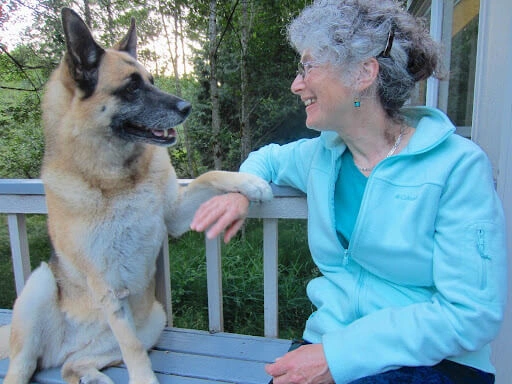
Kerry Mitchell has been a dog trainer since 1984. A Nurse Practitioner by profession, her passion has always been dogs, canine behavior in particular. In 2006, she and her husband adopted Vera, a German Shepherd, and when Vera’s behavior escalated into aggression toward people and dogs, Kerry became a student of aggression, reactivity, and how dogs think. Her novel, Finding Vera (pen name Kerry Claire), explores issues many pet parents face, especially in the post Covid era.