 Pet News


Summary
Cats are an integral part of many households, offering companionship and affection. However, when you’re expecting a baby, there are important steps to take to ensure the safety of both you and your little one. Cats, especially those that spend time outdoors, can potentially expose you to certain health risks during pregnancy. With some care and precaution, you can continue to enjoy life with your feline friend while keeping yourself and your baby safe. This guide offers detailed recommendations for each stage of your pregnancy.
Once, there was a woman, a dedicated cat owner, who came into my office with her beloved cat cradled in her arms. She was expecting a child and filled with a mix of excitement and worry about how her cat would adapt to the new family member.
As her veterinarian, it was my role to guide her through preparing her home to be a safe environment for both her growing family and her feline companion.
We began with a comprehensive health check for her cat, ensuring it was free from parasites and any conditions that could pose a risk, like toxoplasmosis—a concern I often discuss with expectant pet owners.
I explained that while the risk was low, it was essential to manage it through proper hygiene and care, particularly around the litter box, which could harbor the parasite responsible for the infection.
The woman listened intently as we walked through the steps of modifying her home environment. “Keep the cat indoors,” I advised, “and switch to handling the litter box with gloves, or better yet, delegate it to someone else while you’re pregnant.” We discussed the importance of maintaining these precautions to protect her and her baby without causing distress to her cat.
As her due date approached, we talked about gradually introducing her cat to the changes that a new baby would bring. “Set up the nursery early,” I suggested, “and let your cat explore under supervision to become accustomed to the new sights and smells.” We strategized on setting boundaries gently, using techniques like double-sided tape to discourage the cat from jumping into the crib or baby’s changing areas.
Before You Are Pregnant: Preparation and Prevention
Veterinary Check-Up
Before trying to conceive, it’s a great idea to schedule a check-up with your veterinarian to discuss any concerns you may have about your cat’s health. Your vet can assess your cat for any parasites and perform routine tests to ensure your cat is in good health.
If your cat spends time outdoors or has a history of hunting, it’s especially important to have them checked for toxoplasmosis (see below) as well as other potential infections or diseases that could pose a risk to you or your baby during pregnancy.
In addition, it is important to ensure that your cat does not have any health concerns that may require follow-up visits (e.g., dental concerns) that may be difficult to schedule at a time that you are busy with late pregnancy or after the baby arrives.
Your vet can also give advice on feeding, grooming, and handling your cat in ways that reduce risk to you and your baby and advise on any steps you can take to ensure both your cat, and your home environment remain safe.
Understanding Toxoplasmosis
One of the most significant concerns for pregnant women or those planning to become pregnant is toxoplasmosis. This infection is caused by the microscopic parasite Toxoplasma gondii, which cats can carry. Cats typically pick up this parasite by eating infected small animals or consuming raw or undercooked meat.
The parasite is then excreted in the cat’s feces, potentially exposing people who handle litter boxes or contaminated soil. Vegetables grown in contaminated soil can subsequently become infected. For more information regarding Toxoplasmosis and pregnancy, please visit the Companion Animal Parasite Council® (CAPC)
While toxoplasmosis can cause flu-like symptoms in adults, it poses a far greater risk to a developing baby. If a woman contracts toxoplasmosis shortly before or during pregnancy, it can lead to miscarriage, stillbirth, or serious birth defects, including brain and eye issues in the child. For this reason, it’s important to take preventative steps, like speaking with your veterinarian, before you become pregnant.
Check Your Immunity
If you’ve owned a cat for many years, there’s a good chance you may have already been exposed to toxoplasmosis and are now immune. It’s possible to get a blood test to determine whether you’ve been infected in the past. If you’re already immune, there is no risk to your baby from further exposure to toxoplasmosis during pregnancy.
For those who are not immune or are unsure of their immunity, prevention is key. The best way to reduce the risk of toxoplasmosis before pregnancy is to ensure that your cat stays indoors and avoids hunting or eating raw meat. If your cat primarily eats commercial cat food and has little exposure to the outdoors, the risk of infection is greatly minimized.
Advertisement
During Pregnancy: Important Considerations and Safety Measures
Pregnancy brings many changes to your body, home, and routine, and several factors must be considered to reduce potential health risks as well as to ease the many changes that will be experienced by your cat.
Health and Safety
Pregnant women should take precautions to reduce the risk of toxoplasmosis by keeping cats indoors to minimize hunting rodents or birds that could carry the parasite and avoiding contact with new cats. In addition, it’s best to stick to commercial cat food, prevent your cat from consuming raw or undercooked meat and have your cat regularly screened for toxoplasmosis infection.
Avoiding Litter Box Duty
Handling cat feces is the primary source of toxoplasmosis exposure. If possible, and as disappointing this advice may be, have someone else take over litter box duties throughout your pregnancy. If you must handle the litter box, wear disposable gloves and wash your hands thoroughly afterward. Clean the box daily since the parasite takes at least 24 hours to become infectious.
Maintaining Good Hygiene
Good hygiene is crucial for pregnant women with cats. Always wash your hands after petting your cat, and especially before eating or preparing food. If you have outdoor sandboxes or gardens, cover them to prevent cats from using them as litter boxes. When gardening, wear gloves and wash your hands afterward to avoid contacting soil that could be contaminated.
Regular Veterinary Care
As discussed in the earlier section regarding considerations to make before you become pregnant, maintaining regular vet visits during pregnancy is essential to ensure your cat’s health and address any concerns. Your veterinarian will monitor your cat for parasites and advise you on any potential health risks.
If your cat shows unusual behavior, such as changes in appetite or litter box habits, consult your vet immediately, as these could be signs of illness. Keeping your cat up-to-date on vaccinations, flea and tick treatments, and deworming is vital for both your cat’s health and your family’s safety.
These preventative measures reduce the risk of zoonosis for you or your baby. Talk to your vet about the best schedule for keeping your cat protected during and after your pregnancy.
Other Zoonotic Diseases
While toxoplasmosis is the primary concern, cats can also carry other zoonotic diseases, such as salmonellosis and lymphocytic choriomeningitis (LCMV).
- Salmonellosis: Cats can carry Salmonella bacteria which may lead to food poisoning in humans. The symptoms, including fever, vomiting, and diarrhea, can be more severe for pregnant women. Good hygiene, especially after handling your cat or their raw food diet, is essential to prevent infection. Avoid feeding your cat a raw diet, as Salmonella is prevalent in uncooked meat and vegetables.
- LCMV: This virus, typically spread by rodents, can occasionally infect cats if they interact with wild mice. Though rare, LCMV can cause neurological issues in pregnant women and birth defects in babies. Keeping your home free of rodents and ensuring your cat isn’t exposed to wild animals reduces this risk.
Behavior
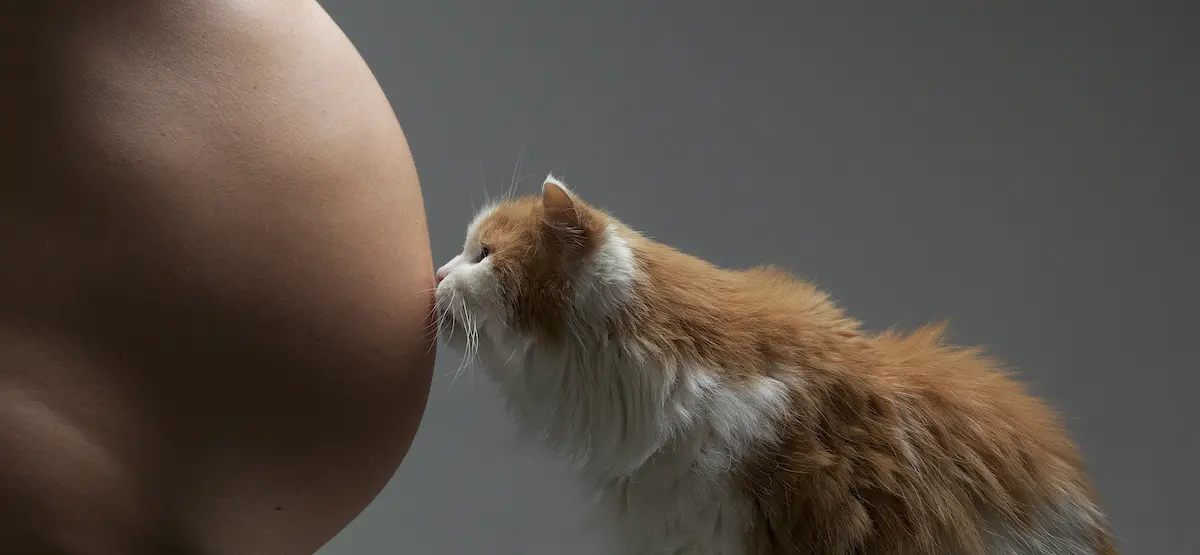
While many cats seem to sleep all day and appear quite oblivious to their surroundings, cats are incredibly observant and aware of subtle changes around them. In the early months of your pregnancy, your cat will very likely become curious about your scent and shape changes. To help your cat adjust to the impending transformation their home will take, changes should be made as early as possible to give them time to familiarize themselves and become comfortable.

New Baby Items and Environment
As you prepare for the arrival of your baby, it’s important to minimize stress by gradually introducing your cat to the changes that are expected. Start by setting up the nursery early, giving your cat time to explore and become accustomed to new furniture or baby items that might initially frighten them.
Introduce your cat to baby supplies and scents, like baby lotion or powder, by rubbing some on your hands. This can help create positive associations with the new smells.
Establishing Boundaries and Ground Rules
Every home has different rules. If you choose not to allow your cat into the nursery, start early to establish their boundaries. If you will not allow your cat to jump or sleep on any of the baby furniture, try using double-sided adhesive or a carpet protector on surfaces like the crib or changing table to make them unappealing.
Establishing house rules early regarding which areas are off-limits to the cat, such as the nursery or crib, will help your cat adjust with plenty of time before your baby arrives.
If you wish to have your cat have access to the baby’s nursery, allow them to familiarise themselves with the furniture and layout ahead of the time of arrival. If you have a rocking chair, allow your cat to become familiar with the rocking motion.
Be aware that some cats feel safer when hiding under chairs and may not understand that the rocking motion of a rocking chair can injure their tails! Always ensure that you are aware of where your cat is sitting when using your rocking chair.
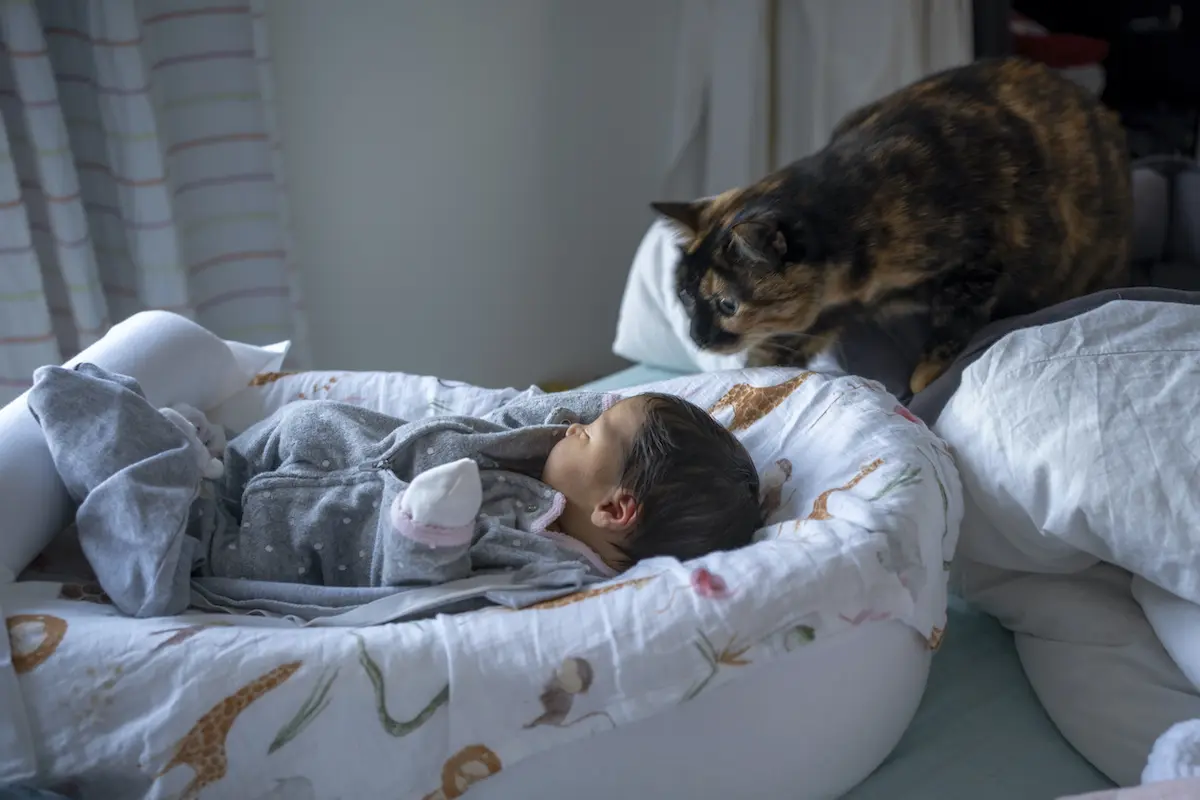
As you know, cats like to snuggle, and bassinets are perfect for a cozy nap! Keep the door closed to the room where the bassinet is located or place a cover on the bassinet.
Once your child has graduated to a crib, you might want to place a crib tent over the crib to keep your cat out.
If the litter box is in the soon-to-be nursery, move it gradually to a new location to avoid accidents. Cover the old location with a solid object to deter your cat.
Socializing and Training to New Sensory Experiences
Babies sound and smell quite unlike anything your cat may have experienced before. Babies can be loud and frightening to some cats. To familiarize your cat with new and often frightening baby sounds, play recordings of baby noises at a low volume during familiar and low stress activities like eating or playtime.
As your cat becomes more comfortable with these unfamiliar sounds, gradually increase them to a more realistic volume. Once comfortable, controlled, supervised interactions with friends or family members who have babies can help familiarize your cat with the sounds, smells, and movements of infants.
Similarly, introduce any sound-making toys or devices that will be used when the baby arrives and allow your cat to explore these new items at their own pace.
While not frightening, your cat may be unaccustomed to the new scents of baby products and try to avoid them. Introducing these smells gradually by applying the products to your own skin can help desensitize your cat, especially when paired with positive experiences like playtime or petting.
Gradual Adjustments to Routine
As any new parent knows, a new baby changes routines for the whole family and your pets are no exception. Cats are creatures of habit and require a few months to adjust to new routines.
Begin adjusting your cat’s routine, such as feeding or play schedules, one to two months before the baby arrives. This will help ease the transition when your attention shifts to the baby. If necessary, consider using calming pheromone diffusers, like Feliway to help your cat adjust to the changes. This can reduce anxiety and stress during this transition.
After Your Baby Arrives: Introducing Your Cat to the New Family Member
Anything but Routine
Once your baby is born, life changes for everyone in the household, including your cat. Cats can be sensitive to new smells, sounds, and routines, so it’s important to help them adjust to your baby’s arrival gradually.
Prepare Your Cat for the Baby’s Arrival
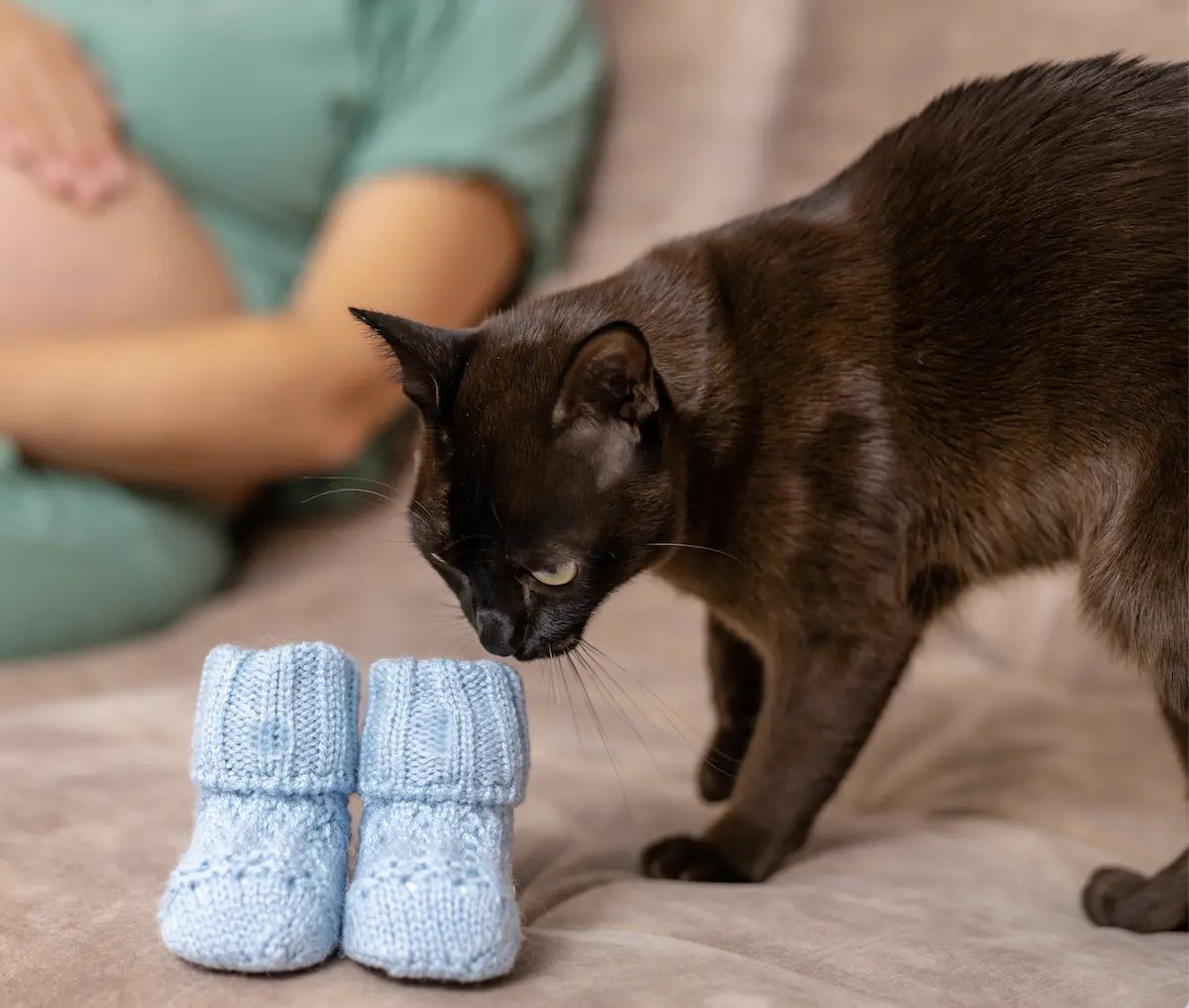
If possible, after your baby is born, start introducing your cat to baby-related changes before the baby comes home. Let your cat sniff baby items, such as blankets or clothing that have been worn by your new baby. This will help your cat become familiar with the new scents in a stress-free way.
Managing the Initial Homecoming
When returning home from the hospital, greet your cat alone in a quiet space before introducing the baby. This gives your cat a chance to reconnect with you without distractions. Then, after spending some time with your cat, gradually allow others, including the baby, into the room.
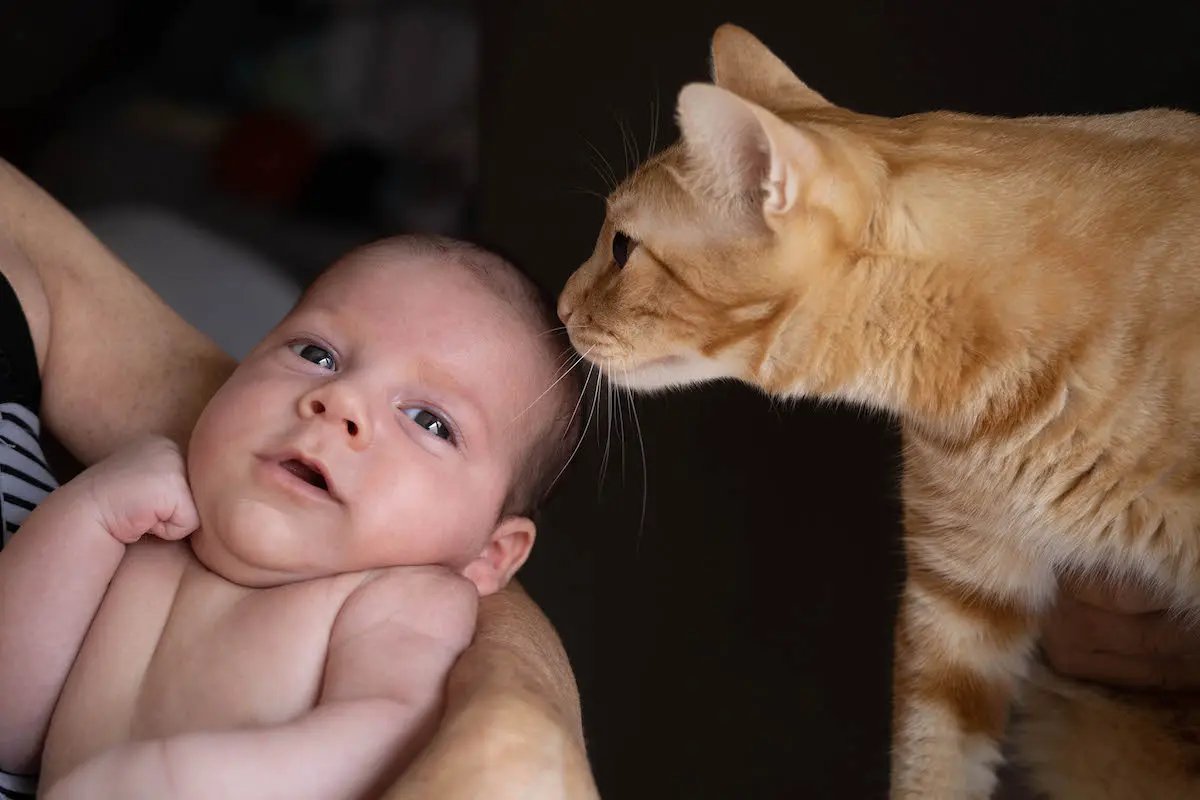
Cats are naturally curious, so they will want to sniff or observe the baby. While holding your baby securely, let your cat sniff the baby from a safe distance and don’t force any interaction. Let your cat set the pace when meeting the baby so if they need to retreat, give them space.
Pay attention to your cat’s body language and behavior. If they seem stressed, give them space and introduce the baby gradually. Signs of stress can include increased vocalizations, excessive grooming, urinating outside of the litter box, aggression, hiding, low energy, change in appetite, or diarrhea and vomiting.
Cats are generally gentle, but they can become anxious or jealous with the arrival of a newborn so be sure to supervise all interactions between your cat and baby. Use praise and treats to reward your cat for positive behavior around the baby and encourage calm interactions by associating the baby’s presence with rewards. Avoid scolding or punishing your cat unnecessarily. This can cause resentment and stress. Instead, gently reinforce boundaries.
A Word About Your Lap
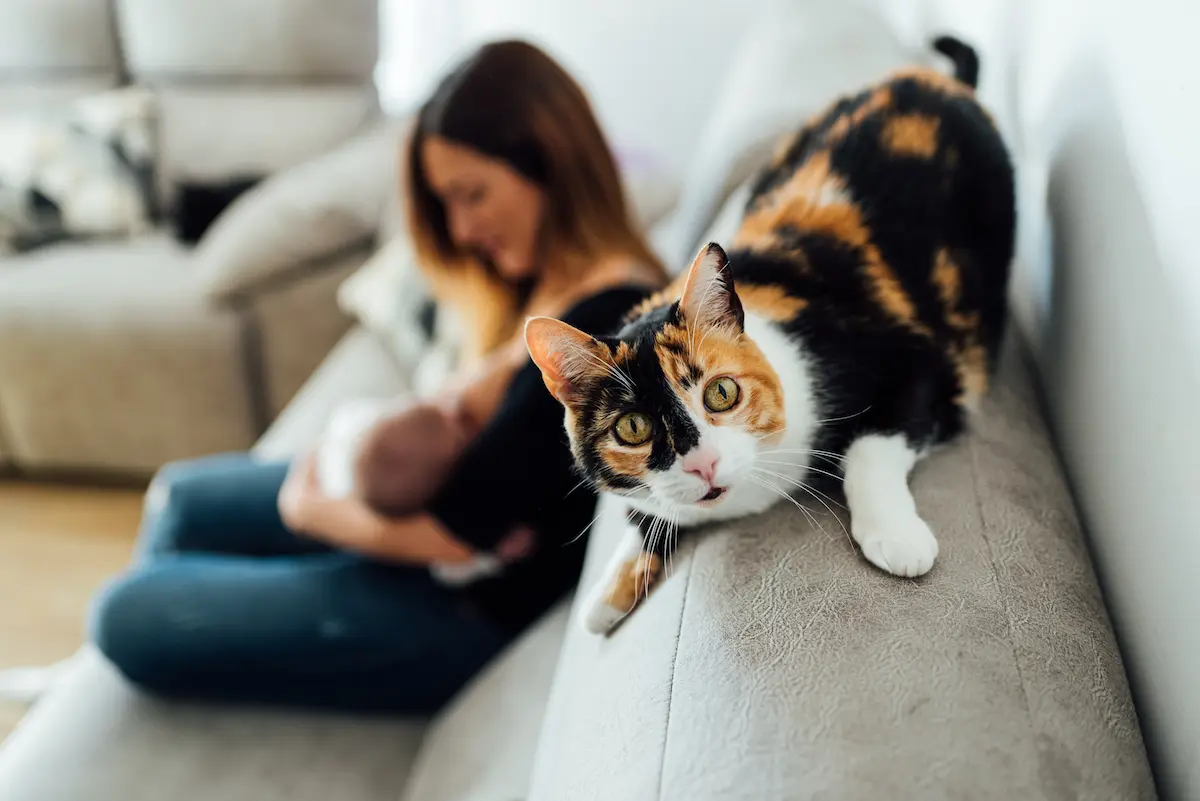
Once your baby arrives, your lap will no longer be available as your cat’s familiar space, which can be quite confusing for your pet. Feelings of jealousy may emerge, which may be manifested by your cat’s increased desire to occupy your lap, even more so than before! This can be particularly challenging if you’ve undergone a C-section and need to protect your lap during recovery. If you anticipate having a C-section, minimizing lap time to your cat a few weeks before your baby’s birth can help to ease this transition.
Continue Safe Hygiene Practices
Though the risk of toxoplasmosis decreases after pregnancy, it’s still important to practice safe hygiene around cat feces. Babies and young children have weaker immune systems, making them more vulnerable to infections. Continue to have someone else handle the litter box if possible or follow the same precautions you took during pregnancy.
Helping Your Cat Cope with Change
A baby’s arrival can disrupt your cat’s routine, which may cause behavioral issues such as hiding, refusing to eat, or excessive grooming. These reactions are usually temporary, but it’s important to give your cat plenty of attention to reassure them.
Try to keep your cat’s feeding routine intact as much as possible after the baby arrives as routine helps minimize stress. Offering extra playtime, affection, or creating quiet, cat-only spaces in your home can help your cat feel safe and secure.
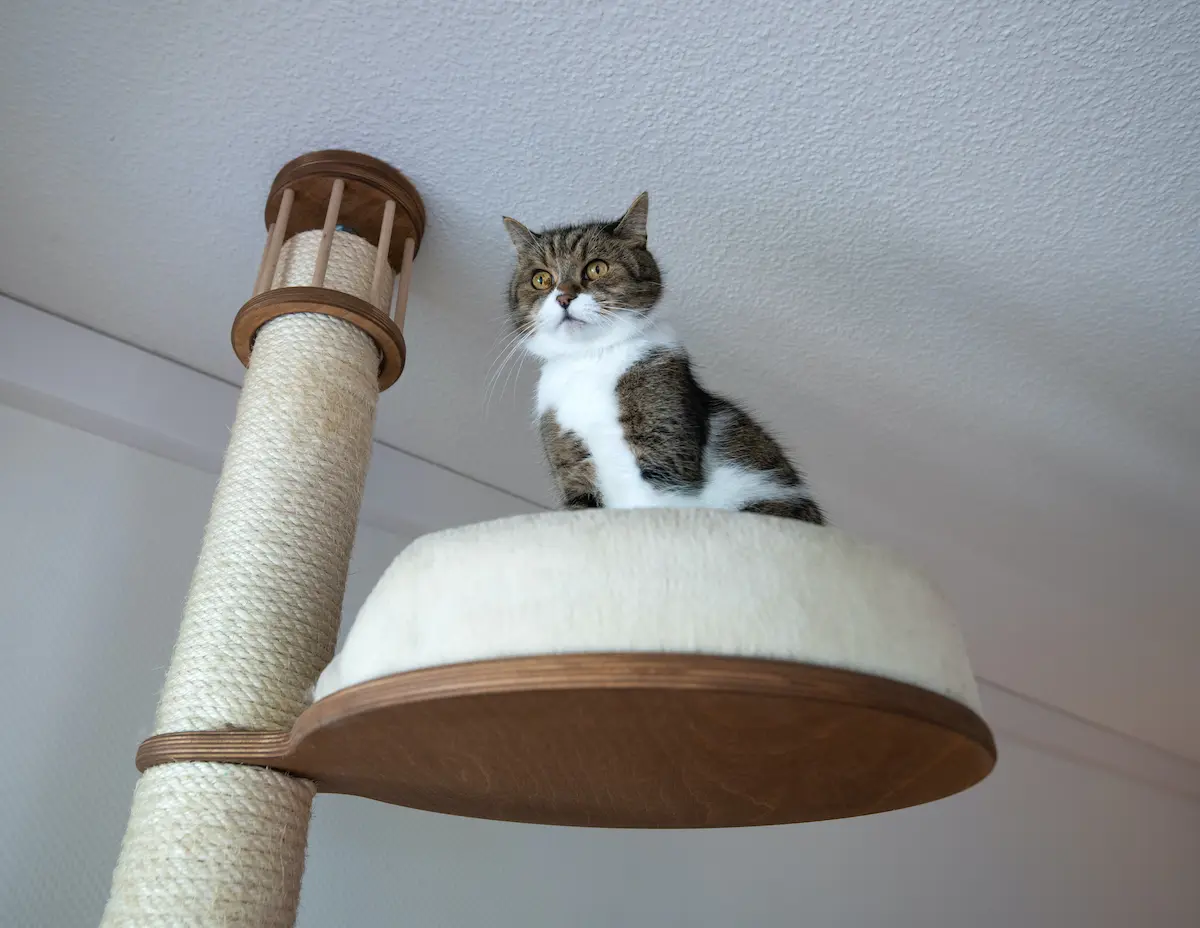
As cats naturally feel more secure in elevated positions, provide your cat with high-up or hidden areas they can retreat to for safety when the baby arrives. If your cat’s behavior becomes concerning, consult with your vet for advice on managing stress and anxiety in pets.
Behavioral Advice
Cats can react unpredictably to major changes in their environment, such as the introduction of a new baby. Your veterinarian can offer advice on managing behavioral issues, from litter box problems to anxiety or aggression. In some cases, your vet may recommend using calming products or strategies, such as pheromone diffusers (see above) or designated quiet spaces for your cat, to ease the transition.
Advertisement
When your Toddler Starts to Toddle:
Catching the Cat
As a baby grows into a toddler their curiosity to explore their worlds also grows. They are naturally attracted to moving objects and can get into things that may not be safe.
While previously unpursued, your cat may become more stressed due to the toddler’s unpredictable movements and attention. If this happens, follow reintroduction steps to ease the cat’s anxiety but don’t forget to provide your cat with an escape option, such as a tall climbing tree or private room.
Additionally, teach your child how to appropriately interact with the cat, such as petting only when the cat is willing, avoiding sensitive areas like the tail and belly, and understanding basic cat body language, such as recognizing hissing as a signal for the cat to be left alone. As your child grows, continue teaching them how to interact with your cat respectfully, encouraging a loving bond between them.
Getting into the food bowl
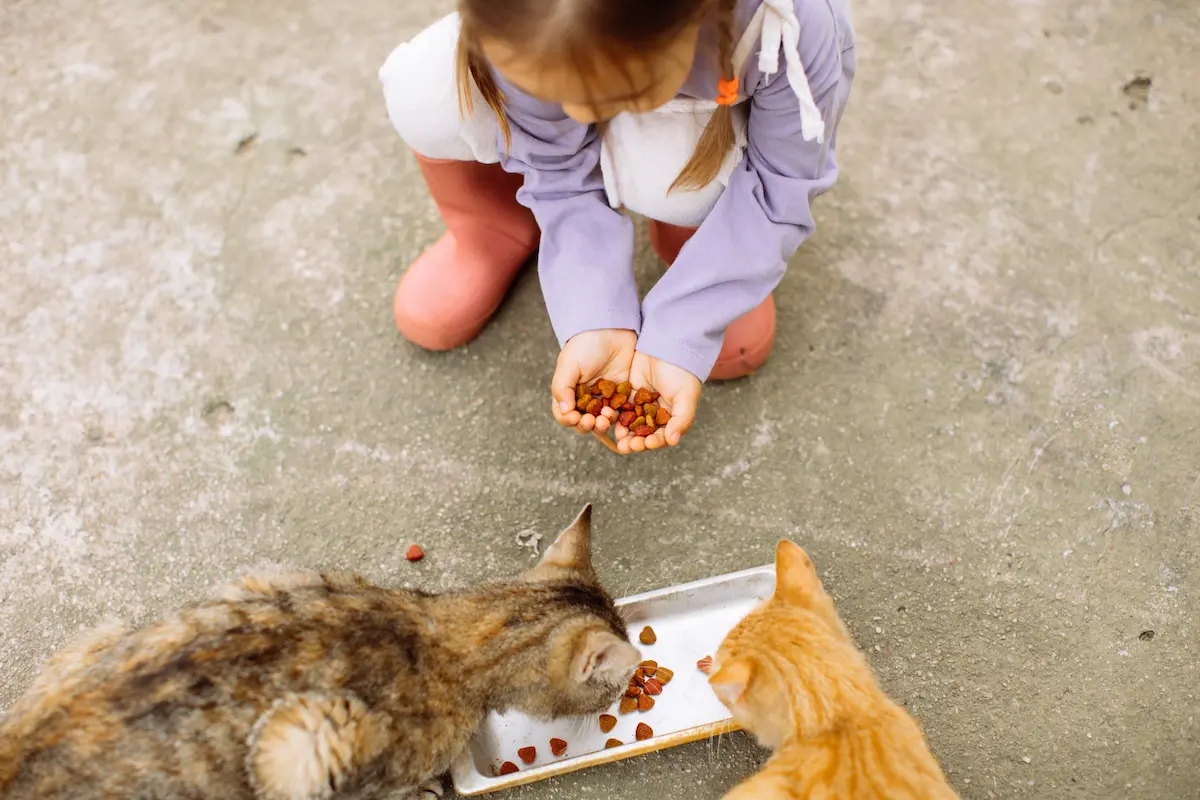
Toddlers are naturally curious. Your cat’s fur, moving tail, or shiny bowls may draw their attention, leading to grabbing or pulling. If your cat’s food and water bowls are in an area that will soon be accessible to a crawling baby, it’s wise to relocate them.
Babies may try to sample pet food they can crawl to, which can be a choking hazard and is not suitable for human consumption. Moving the bowls to a place that’s out of reach or in a less trafficked area of the house can prevent potential accidents and reduce the chances of your cat being disturbed during mealtimes.
Similarly, the cat’s fur or moving tail may be the focus of grabbing behaviour. Children must learn at a young age that animals have feelings and can become upset if hurt.
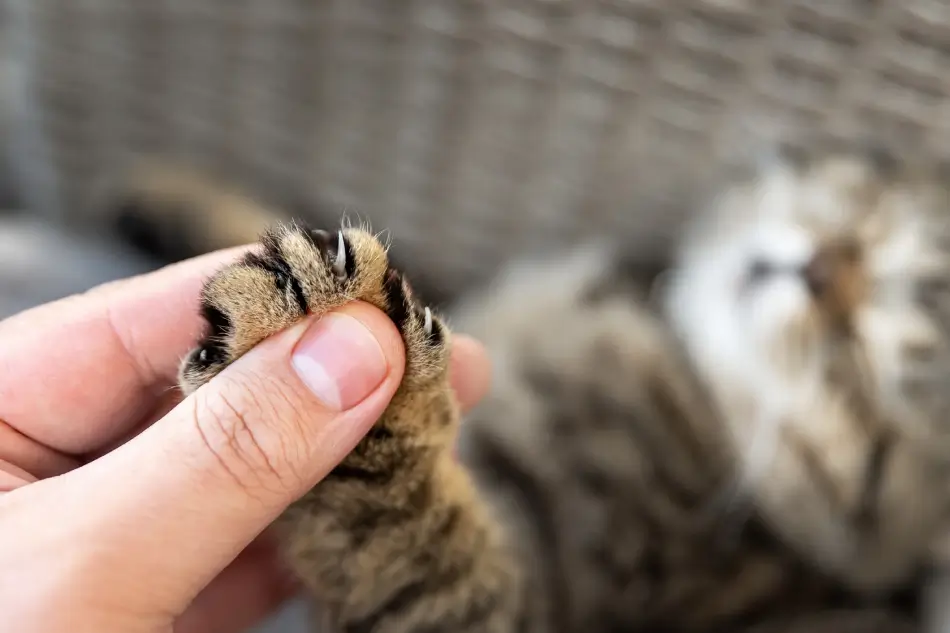
Please read “How to Trim Your Cat’s Nails” for more information.
Advertisement
Conclusions
In conclusion, with careful planning and consideration, it’s entirely possible to create a safe and harmonious environment for both your cat and new baby. Cats are sensitive to changes and can often feel anxious with new routines or the unfamiliar sounds and smells that come with a newborn. By taking steps early on—such as preparing your cat for upcoming changes, maintaining good hygiene, and gradually introducing your baby into the home —you help ensure a smooth transition. As your child grows, teaching them gentle and respectful interaction with your cat fosters a loving bond that benefits both. Ultimately, your family can enjoy the companionship and joy of your cat, knowing that both your child’s safety and your pet’s well-being are maintained.
Her visits became more frequent as the baby’s arrival neared, each time discussing the progress and any new behaviors her cat exhibited. It was a time of adjustment for her cat, too, who had begun to sense the impending changes.
Together, we ensured that both her home and her heart were prepared for the arrival of her baby, balancing her care for her beloved cat with the demands of motherhood.
When the baby finally arrived, she came back to tell me about their first meeting—how her cat cautiously sniffed the new baby, then settled.
beside them, a sign of acceptance and peace. It was a moment of triumph, not just for her as a mother but for us in our efforts to ensure a safe and harmonious integration of all members of her growing family.
By Marnie Ford PhD, DVM, Diplomate ACVO
Dr. Ford graduated from the Ontario Veterinary College in 2000 after completing a Bachelors in Zoology at the University of British Columbia and a PhD in Physiology at Monash University in Australia. Following a rotating small animal internship at the University of Minnesota in 2001, Dr. Ford achieved Diplomate status from the American College of Veterinary Ophthalmologists in 2006 after completing a 3-year residency in Comparative Ophthalmology at the University of Missouri. After co-founding a private referral hospital, West Coast Veterinary Eye Specialists, in New Westminster (2004-2013) she opened Pacific Animal Eye Specialty services, providing mobile medical and surgical ophthalmologic care to patients in the Lower Mainland, Vancouver Island, and the Interior of BC (2013-2019). In 2019, she returned to Australia where she worked full-time in both medical and surgical ophthalmology as well as resident training at Animal Eye Care in Melbourne Australia. In 2023, Dr. Ford returned to Vancouver to provide locum services to ophthalmologists across Canada.