



Advertisement

Systemic Diseases

Diseases & Conditions   |   Published on June 11, 2024

Canine Diabetes Mellitus

Matthew Kornya

Matthew Kornya BSc, DVM, DVSc, DACVIM (SAIM), Resident ACVECC

Summary

The article delves into canine diabetes mellitus, focusing on its distinct characteristics, treatment options, complications, and prognosis. Unlike cats, dogs primarily develop autoimmune/type 1 diabetes mellitus, necessitating insulin therapy as opposed to oral medications. Factors like steroid use can contribute to diabetes, warranting control of underlying conditions or cessation of steroid therapy.

Dietary management, regular insulin administration, and monitoring are crucial for control, with high fiber or low carb diets complementing insulin therapy. Cataracts are a common complication, necessitating early glucose control to mitigate the risk. Surgical intervention is the only effective treatment for cataracts in dogs. While remission is rare, dogs with diabetes can lead fulfilling lives with proper management, although prognosis may vary based on factors like age and concurrent health issues.

The narrative of Jackson, a Miniature Schnauzer facing diabetic complications, underscores the importance of proactive care and owner dedication in managing the condition to preserve the pet’s well-being and quality of life.

In the heart of a bustling veterinary clinic, the tale of Jackson, a spirited Miniature Schnauzer, unfolds—a story that encapsulates the love, dedication, and resilience shared between a pet and its human companions.

Jackson, a beloved member of the Jones family, embarked on a journey filled with challenges when he was diagnosed with diabetes mellitus. However, his journey took an unexpected turn when his vigilant owners, Mr. and Mrs. Jones, noticed changes in Jackson’s vision. Concerned for their furry friend, they sought the expertise of Dr. Patel, a renowned veterinary ophthalmologist.

Accompanied by wagging tails and gentle reassurance, Jackson entered the ophthalmology clinic, his curious eyes taking in the unfamiliar surroundings. With tender care, Dr. Patel conducted a comprehensive examination, delicately inspecting Jackson’s eyes for any signs of diabetic complications. As the diagnosis was confirmed—a developing cataract—Mr. and Mrs. Jones felt a wave of apprehension wash over them. Yet, amidst the uncertainty, they found solace in Dr. Patel’s expertise and compassionate demeanor.

For Jackson, the prospect of impaired vision loomed ominously, but his resilient spirit remained unwavering. With unwavering determination, the Jones family embraced the challenge, committed to providing Jackson with the best possible care.

Under Dr. Patel’s guidance, they embarked on a treatment plan tailored to Jackson’s unique needs, consisting of meticulous blood glucose management and regular veterinary monitoring.

As days turned into weeks and weeks into months, Jackson’s journey became a testament to the power of love and dedication. With each insulin injection and dietary adjustment, the Jones family stood by Jackson’s side, unwavering in their commitment to his well-being.

Finally, the day of Jackson’s cataract surgery arrived—a pivotal moment in his journey towards restored vision. With bated breath and hopeful hearts, the Jones family entrusted Jackson to Dr. Patel’s skilled hands. Hours passed like fleeting moments, until at last, Jackson emerged from surgery, his eyes alight with newfound clarity.

What Makes Canine Diabetes Different?

Dogs, unlike cats, almost exclusively have an autoimmune/type 1 diabetes mellitus. This means that beta cells within the pancreas are destroyed and cannot recover function. This means that dogs with diabetes require insulin and cannot be managed with oral medication aimed at lowering blood glucose (antihyperglycemics).

Dogs may become diabetic from high levels of steroids, either in the case of Cushing’s disease (hyperadrenocorticism), pregnancy/pseudopregnancy, or due to steroid administration. In these cases, control of the underlying disease will help to make diabetes easier to regulate, and in rare cases may lead to remission.

As such, it is of utmost importance to quickly spay intact female dogs diagnosed with diabetes mellitus. Likewise, stopping steroid therapy (if possible) may be able to lead to diabetic remission.

Advertisement

Treatment Options for Canine Diabetes

While diet is important in canine diabetes, it is used as an aide to control and to reduce insulin requirement and glucose fluctuations, rather than as a sole means of control. High fibre or low carb diets may be used in dogs, with approximately equal success. Feeding regularly scheduled meals and avoiding “random” treats, especially high carb treats, is important to not dysregulate a dog’s diabetes.

Insulin therapy is required in virtually all cases of canine diabetes. The first line insulin in dogs is generally Caninsulin/Vetsulin, with protamine zinc and insulin detemir reserved for second line choices. Previous data suggested that insulin glargine was less effective in dogs, though that has recently been challenged.

Other drugs, like acarbose, have been tested in diabetic dogs, but are generally not successful or have unacceptable adverse effects. As such they are not generally recommended.

Coexisting Diseases in Dogs with Diabetes

Dogs with diabetes, like cats, are at risk for urinary tract infections, delayed wound healing, and ketoacidosis. Unlike cats, they rarely experience polyneuropathy.
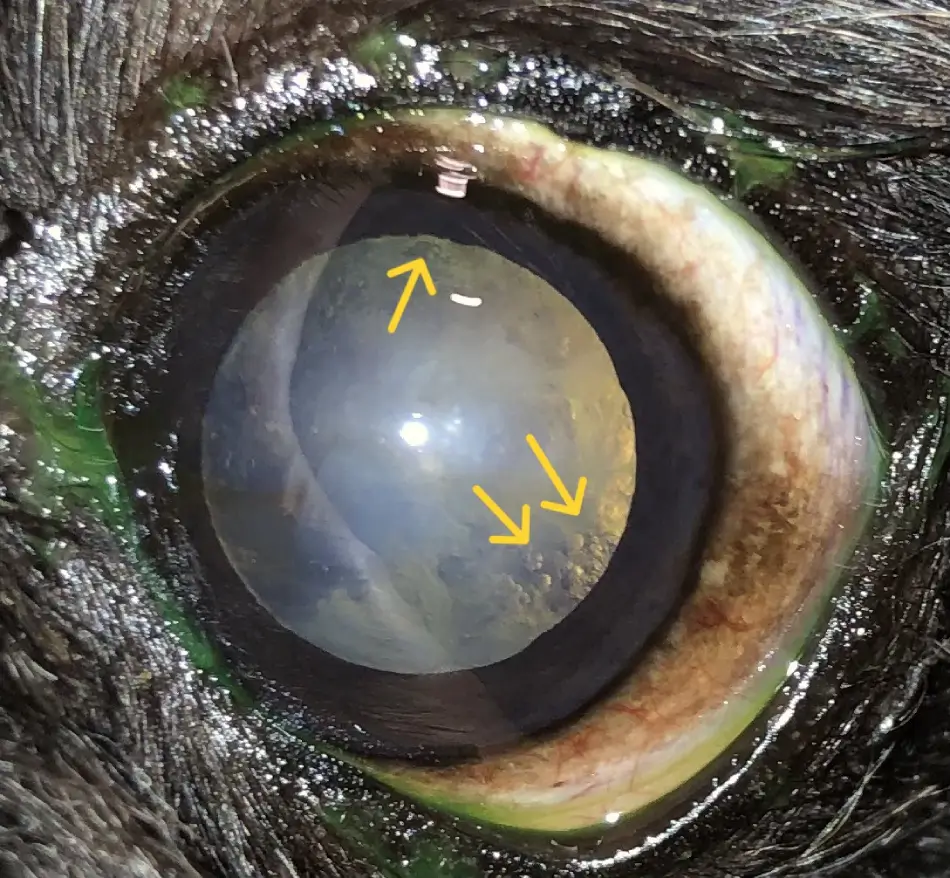
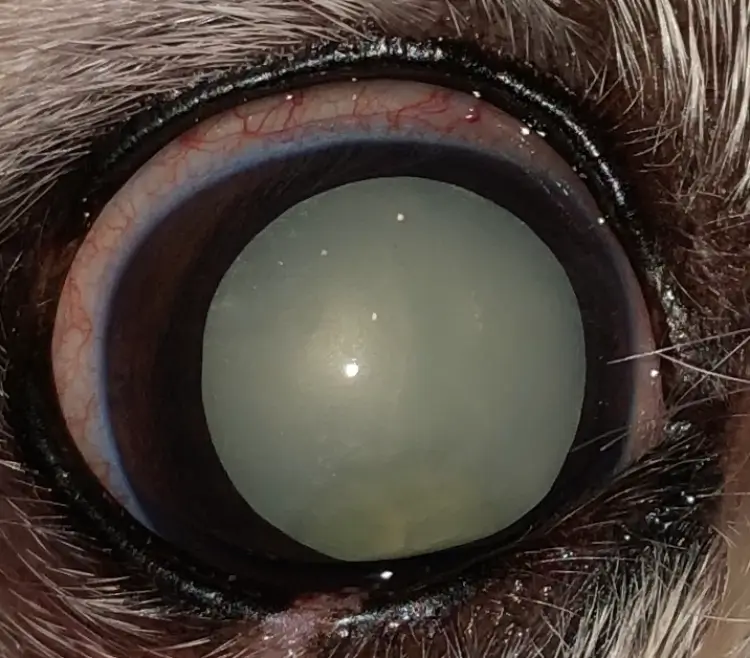
Cataracts are one of the most common complications for diabetic dogs, and it is important to warn the owners that their pet will very likely go blind as a result. Early and aggressive control of blood glucose is the best way to reduce the risk of cataract formation.

In addition to blindness, cataracts in dogs result in inflammation within the eye (uveitis) which often requires anti-inflammatory drops lifelong to control. The treatment for cataracts in dogs is surgery, which removes the degenerated lens. No other therapy is effective in restoring vision.

Diabetic animals often experience elevations in their liver enzymes, especially ALP. Alone ALP elevation is unlikely to represent significant pathology but may become concerning if other liver values (ie GGT or especially bilirubin) are elevated.

Advertisement

Prognosis and Remission

Remission is extremely rare in diabetic dogs and should not be considered a target of therapy. Owners must be prepared for lifelong care and the probability of complications.

Most dogs with diabetes can live a good quality of life, and generally do not die because of their disease, though it may contribute to other concurrent conditions.

Most studies report average survival times exceeding two years for diabetic dogs with proper treatment. Consistent insulin administration, tailored dietary plans, and regular veterinary monitoring are paramount for achieving good blood glucose control and minimizing complications. Prognosis can be guarded in cases with severe hyperglycemia at diagnosis, concurrent health issues, or advanced age (over 10 years old).

Additionally, elevated hematocrit and serum phosphate levels have been linked to poorer outcomes. Early diagnosis, aggressive management, and close attention to potential complications are essential for optimizing the long-term health and lifespan of dogs with diabetes mellitus.

As Jackson’s vision gradually improved, so too did the bond between him and his devoted family. Together, they navigated the highs and lows of his recovery, celebrating each small victory along the way.

Today, Jackson’s story serves as a poignant reminder of the strength found in companionship and the resilience of the canine spirit. With love as their guiding light, Jackson and his family continue to embark on new adventures, their journey a testament to the unbreakable bond between humans and their furry companions.

Matthew Kornya

By Matthew Kornya BSc, DVM, DVSc, DACVIM (SAIM), Resident ACVECC

Dr. Kornya is an Internal Medicine Specialist and Emergency and Critical Care Resident at the Ontario Veterinary College. He previously worked for several years as a feline veterinarian. His areas of interest include hematology and coagulation medicine, feline medicine, and extracorporeal therapies. He lives with many cats and a cockatiel.


Pertaining to the immune system of the body.
An autoimmune condition where the body’s immune system destroys insulin-producing cells in the pancreas.
DM: A metabolic disease that affects how the body uses blood sugar (glucose) as a fuel. Occurs when the pancreas doesn’t make enough insulin, and is a common cause of blinding cataracts in dogs.
Cells found in the pancreas that produce and release insulin, a hormone essential for regulating blood sugar levels.

An organ located behind the stomach that plays a crucial role in digestion and blood sugar regulation. It produces hormones (such as insulin) and digestive enzymes.

A hormone produced by the pancreas that regulates blood sugar levels that allows cells to take up glucose from the bloodstream for energy.

Medications used to lower and help regulate blood sugar levels in individuals with diabetes.

A class of organic compounds that includes hormones such as cortisone and the sex hormones, used in veterinary medicine to reduce inflammation, suppress immune responses, and treat allergic reactions. They mimic natural hormones produced by the body and can be administered orally, topically, or by injection.

A hormonal condition where the adrenal glands produce an excessive amount of cortisol, either secondary to an adrenal or pituitary tumor. This hormonal imbalance can lead to various signs in dogs, such as increased thirst and urination, increased appetite, hair loss, and a pot-bellied appearance. It's often seen in middle-aged to older dogs and requires careful diagnosis and lifetime management.

A hormonal condition where the adrenal glands produce an excessive amount of cortisol, either secondary to an adrenal or pituitary tumor. This hormonal imbalance can lead to various signs in dogs, such as increased thirst and urination, increased appetite, hair loss, and a pot-bellied appearance. It's often seen in middle-aged to older dogs and requires careful diagnosis and lifetime management. Also known as Cushing's disease.

A condition in which a non-pregnant individual exhibits signs and symptoms similar to pregnancy, often due to hormonal imbalances.

A temporary or permanent decrease or disappearance of the signs and symptoms of a disease.

An inability to control or regulate emotional, physiologic, or metabolic responses.

Vetsulin. An type of highly purified porcine insulin used to treat diabetes mellitus in dogs and cats.

Caninsulin. An type of highly purified porcine insulin used to treat diabetes mellitus in dogs and cats.

A long-acting insulin used to improve and maintain blood glucose levels.

A long-acting modified form of insulin used to manage diabetes.

An oral medication used to manage blood sugar in diabetic animals.

A serious complication of diabetes that occurs when the body produces excessive ketones, leading to acidic blood and potential organ damage.

Damage or dysfunction of multiple peripheral nerves.

Any opacifications of the normally clear lens of the eye, through which light cannot pass. Can range from a tiny white specks to the entire lens being white, causing blindness in advanced cases.
A biological response to harmful stimuli, such as pathogens or irritants, characterized by redness, swelling, heat, and pain

Inflammation of the iris and the ciliary body (anterior uveitis) or choroid (posterior uveitis).

Proteins that act as catalysts in the body to speed up metabolism (chemical reactions) without being consumed themselves. They build some substances and break down others.

The predicted recovery or progression of a disease or condition based on available information.

Elevated blood sugar levels, often associated with diabetes. It can result from insufficient insulin production or reduced insulin sensitivity.

A measure of the proportion of red blood cells in the blood.

The concentration of phosphate ions in the blood. Phosphate plays a crucial role in various physiological processes, including bone health and energy metabolism.

Advertisement

Pertaining to the immune system of the body.
An autoimmune condition where the body’s immune system destroys insulin-producing cells in the pancreas.
DM: A metabolic disease that affects how the body uses blood sugar (glucose) as a fuel. Occurs when the pancreas doesn’t make enough insulin, and is a common cause of blinding cataracts in dogs.
Cells found in the pancreas that produce and release insulin, a hormone essential for regulating blood sugar levels.

An organ located behind the stomach that plays a crucial role in digestion and blood sugar regulation. It produces hormones (such as insulin) and digestive enzymes.

A hormone produced by the pancreas that regulates blood sugar levels that allows cells to take up glucose from the bloodstream for energy.

Medications used to lower and help regulate blood sugar levels in individuals with diabetes.

A class of organic compounds that includes hormones such as cortisone and the sex hormones, used in veterinary medicine to reduce inflammation, suppress immune responses, and treat allergic reactions. They mimic natural hormones produced by the body and can be administered orally, topically, or by injection.

A hormonal condition where the adrenal glands produce an excessive amount of cortisol, either secondary to an adrenal or pituitary tumor. This hormonal imbalance can lead to various signs in dogs, such as increased thirst and urination, increased appetite, hair loss, and a pot-bellied appearance. It's often seen in middle-aged to older dogs and requires careful diagnosis and lifetime management.

A hormonal condition where the adrenal glands produce an excessive amount of cortisol, either secondary to an adrenal or pituitary tumor. This hormonal imbalance can lead to various signs in dogs, such as increased thirst and urination, increased appetite, hair loss, and a pot-bellied appearance. It's often seen in middle-aged to older dogs and requires careful diagnosis and lifetime management. Also known as Cushing's disease.

A condition in which a non-pregnant individual exhibits signs and symptoms similar to pregnancy, often due to hormonal imbalances.

A temporary or permanent decrease or disappearance of the signs and symptoms of a disease.

An inability to control or regulate emotional, physiologic, or metabolic responses.

Vetsulin. An type of highly purified porcine insulin used to treat diabetes mellitus in dogs and cats.

Caninsulin. An type of highly purified porcine insulin used to treat diabetes mellitus in dogs and cats.

A long-acting insulin used to improve and maintain blood glucose levels.

A long-acting modified form of insulin used to manage diabetes.

An oral medication used to manage blood sugar in diabetic animals.

A serious complication of diabetes that occurs when the body produces excessive ketones, leading to acidic blood and potential organ damage.

Damage or dysfunction of multiple peripheral nerves.

Any opacifications of the normally clear lens of the eye, through which light cannot pass. Can range from a tiny white specks to the entire lens being white, causing blindness in advanced cases.
A biological response to harmful stimuli, such as pathogens or irritants, characterized by redness, swelling, heat, and pain

Inflammation of the iris and the ciliary body (anterior uveitis) or choroid (posterior uveitis).

Proteins that act as catalysts in the body to speed up metabolism (chemical reactions) without being consumed themselves. They build some substances and break down others.

The predicted recovery or progression of a disease or condition based on available information.

Elevated blood sugar levels, often associated with diabetes. It can result from insufficient insulin production or reduced insulin sensitivity.

A measure of the proportion of red blood cells in the blood.

The concentration of phosphate ions in the blood. Phosphate plays a crucial role in various physiological processes, including bone health and energy metabolism.

Already have an account?

Two ways to read this article:

By continuing, you agree to the Privacy Policy, Terms of Use