
 Pet News


Summary
Dr. Karen E. Mueller addresses the common issue of itchiness (pruritus) in dogs, highlighting its significant impact on both pets and owners. The article identifies various causes of pruritus, including parasites, allergies, and infections, emphasizing the need for veterinary attention if pets exhibit excessive scratching or hair loss. Diagnostic methods such as skin scraping and cytology are discussed, along with treatment options ranging from topical therapies to allergen-specific immunotherapy.
The importance of patience in the diagnostic and treatment process is emphasized, alongside the necessity of regular follow-ups with a veterinarian. The article concludes with a personal anecdote illustrating successful treatment for severe pruritus in the author’s own dog, underscoring the importance of ongoing care for a pet’s well-being.
In a small town near the hills, there lived a dog named Peaches. He was a delight, a heart-warmer, his personality shone brighter than the morning sun. Yet recently, his zest for life seemed dampened. Peaches had been incessantly scratching, chewing, and gnawing at his skin, his vibrant eyes pleading for relief.
Dr. Nell, the local veterinarian, who knew Peaches since he was a pup, noticed the ordeal. She had seen it all before. She suspected pruritus, a bothersome itchiness that dogs often suffered. She requested Peaches’ owner, old man Davis, to bring Peaches to her clinic the following day.
Under the cool fluorescent lights, Dr. Nell scrutinized Peaches’ symptoms. His skin bore the evidence of his discomfort; patches of missing fur, raw skin, the weight of continuous scratching. It was a sign of severe pruritus, possibly due to parasites, or allergies. She decided to proceed with skin scraping, skin cytology, and a fungal culture.
The results revealed Peaches was plagued with scabies and a concurrent bacterial infection, turning his body into a battlefield. Dr. Nell prescribed a course of treatment: topical antimicrobial shampoos to cleanse his coat, and a course of Apoquel tablets to provide immediate relief from his relentless itch. It was the start of a long battle, but the hope in Pongo’s eyes never faded.
Davis diligently followed the regimen, taking great care in washing Peaches with the medicated shampoo and ensuring he took his Apoquel on time. It was a slow process, but with each passing day, Peaches’ condition improved.
Peachs’ ordeal was not just a journey of healing but also a testament of resilience and unconditional love. The local dog who once loved chasing birds was now patiently sitting through treatments, trusting his human and his doctor.
As weeks turned into months, Peaches’ slowly regained his strength. His coat became shinier, his eyes brighter, and his tail wagged with gusto. The relief of an itch-free life reflected in his gleaming spirit, a sign of triumph over the tribulation he had faced.
Dr. Nell watched Peaches’ running in the park one day, his boundless energy unabated. It was a sight that warmed her heart. “It’s not just about healing the body, it’s about restoring the spirit,” she murmured to herself, her gaze on the small dog that had weathered the storm with an invincible spirit.
Introduction
Itchiness is probably the single most irritating symptom to both pets and pet owners alike. It’s also the symptom most-often googled, most-frequently asked about by pet owners, and most-often scheduled for veterinary visits.
Although some scratching of the occasional itch is normal in pets, just like it is in humans, repeated scratching, biting, licking, or rubbing can cause trauma that can become severe. Wounds from self-trauma can become secondarily infected and require further treatment.
If your pet is scratching themself more than just occasionally, they may have an itching problem that needs veterinary attention. This article is an overview of the main reasons that dogs itch. Please search Pet Health Harbor for further information on causes of itching found within this article.
Possible causes of Pruritus
There are many causes of pruritus in dogs:
- Parasitic Causes (or: Parasitic Pruritus)—Fleas, Demodex mites (Demodectic mange), Sarcoptes mites (Scabies), Otodectes mites (ear mites), and others including lice.
- Allergic Causes (or: Allergic Pruritus—flea allergy, atopic dermatitis, food allergy, contact allergy, drug allergy, bacterial hypersensitivity, and Malassezia (yeast) sensitivity.
- Bacterial/fungal Causes (or: Bacterial/fungal Pruritus) —Staphylococcus and Malassezia; rarely dermatophyte (ringworm).
- Miscellaneous Causes (or: Miscellaneous Pruritus)—there can be other medical causes of itching such as seborrhea, cancers such as mast cell tumors, and immune-mediated diseases.
Types of Pruritus
Pets that itch excessively will typically show some degree of hair loss, called alopecia. Your veterinarian can gain some information based on the amount of pruritus and inflammation shown. Keep in mind, some animals will scratch, bite, rub, or pull their hair while away from their owners, or “on the sly”, so you can’t always be sure how much they are actually scratching.
- Severe pruritus usually means scabies, allergies such as fleas, food, or atopy/environmental, or Malassezia, all of which usually have an acute onset, except for Malassezia, which is slower in onset.
- Hair loss without pruritus may be due to hormonal disease, and need blood testing to further investigate.
- Ringworm, Demodex, superficial pyoderma (bacteria skin infection), Malassezia, immune-mediated dermatoses, seborrhea, some cancers in the skin, and unusual diseases such as leishmaniasis may cause alopecia with inflammation and pruritus that will vary.
- Cats in particular can sometimes develop psychogenic pruritus (caused by mental, emotional, or behavioral factors).
- At first, atopic diseases including dermatitis, asthma, conjunctivitis, and rhinitis, are responsive to steroids and are seasonal, but often progress to year-round pruritus.
- Flea-allergic and food-allergic pets may also develop atopic disease and show similar signs. Food allergies are reported to be less common than these allergies.
Advertisement
Diagnosis and Treatment Approaches
It is important for your veterinarian to get a good history. For example, how long has the itching been going on? Was it a sudden onset? Does your pet board, go to the dog park, or visit other dogs? Are they on monthly flea control, and if so, what brand? Does the itching come on more seasonally?
Your veterinarian should be able to consult your pet’s file to see what meds they have been on, and/or document any meds that you are starting, so there is a clear record for your pet as you begin diagnostics and treatment.
I’ll put in a plug here for pet insurance. Please purchase pet insurance for your pet—the earlier, the better. You might not need it, but it can get expensive caring for an allergic dog, and having good insurance will help a lot!
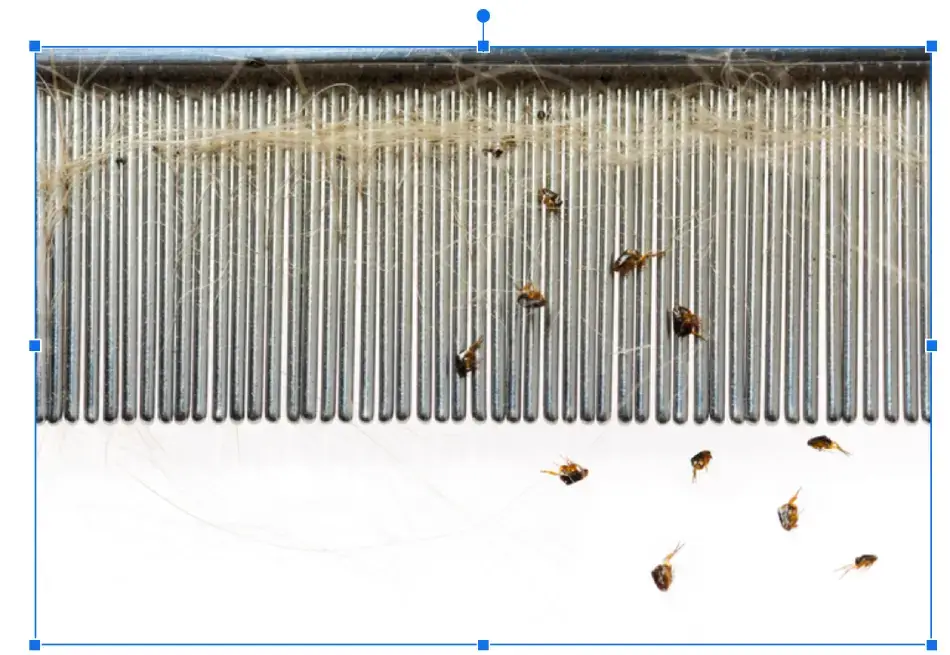
At your veterinary examination, the doctor will scrutinize your pet carefully for signs of fleas; flea dirt, live or dead fleas. Even one flea can make an allergic pet go crazy with itchiness. This can actually be good news, because it means that with strict and diligent flea control, a flea-allergic pet can do quite well.
Diagnostic tests frequently done include
- Skin scraping — usually from 3 different sites, looking for parasites. The veterinarian or technician will gently scrape the pet’s skin a few times to see if any mites are present in the skin. The slide will then be examined under a microscope.
- Skin cytology — getting samples of cells, bacteria, and/or yeast. A dry or oiled slide will be pressed against the pet’s skin to collect cells and bacteria or yeast for microscopic examination.
- Fungal culture — checking for ringworm. A few hairs will be plucked and placed in special culture vials to be sent to the lab for fungal culturing.
The above three tests are often done at your first veterinary visit. They are usually done with gentle restraint and don’t bother your pet very much.
- Skin biopsy — usually done if lesions are unusual or an immune-mediated cause is suspected. Skin biopsies are sometimes done if pets continue to have pruritus that isn’t resolving with typical treatments. This is usually scheduled later and done under sedation or general anesthetic.
Advertisement
Allergy Testing
There are two main types of allergy testing. Skin allergy testing is considered the gold standard, is done at a referral dermatology hospital, and is fairly expensive. Serum (blood) allergy testing can be done at most regular veterinary hospitals, and is less expensive. The results are not as reliable but can still give valuable information.
It is highly recommended to pursue allergy testing as soon as possible if your pet does not respond to initial treatments for itching, or has recurrent pruritus. Chances are high that they have allergies and allergy testing can be very helpful to understand what’s going on with your pet.
If the results show positive reactions, specific immunotherapy (“allergy shots” or drops) can be formulated for your pet for home use, based on their local exposure to their environment, and can be administered either subcutaneously or orally.
Treatment for Itching
- Because scabies is difficult to diagnose, and easy to treat and cure, a trial course of treatment for scabies is often done as part of therapy for severely pruritic pets. If the pet quickly stops itching, it’s assumed the pet had scabies and that treatment was successful.
- A food trial of a hypoallergenic diet is often done to help rule out food allergies. Even though this sounds easy, it’s crucial that pet owners take this step very seriously and feed only the diet itself, avoiding all other treats and foods during this minimum 8-10 week trial. If pruritus resolves, the trial is followed by a challenge of the pet’s original diet, and if pruritus recurs, the diagnosis is confirmed.
Remember that pets can have more than one disease process at the same time, and secondary infections are common. This can make the diagnosis more complicated, as there may be a concurrent bacterial or Malassezia infection that is being treated during the food trial, and it may take longer for the pruritus to resolve.
Topical Therapy
- Topical therapy can be helpful. Colloidal oatmeal shampoos can soothe and last about 2 days.
- Topical corticosteroids can be effective. Do not overuse, as even though they are being applied to the skin, topical steroids can cause local and systemic side effects which can be serious.
- Antimicrobial shampoos help control bacterial and/or yeast infections. If you don’t mind bathing your pet, medicated baths 2-3 times a week can be very helpful.
- Lime sulfur shampoo and dips are mildly antipruritic as well as being antiparasitic, antibacterial and antifungal. They are very smelly, however. They can be a good choice with multiple pets that have ringworm.
Advertisement
Systemic Therapy
- Systemic therapy can be complicated for pruritic patients and your pet may need multiple approaches to their treatment.
- Parasite prevention is crucial for allergic pets, as even one flea can make them very pruritic. If your pet is not already on a monthly flea control product, your veterinarian can suggest one, either oral or topical. If your pet has evidence of fleas, you will need to treat all the pets in your home. You might need to treat your home itself, although often that isn’t necessary when all the pets in the home are treated properly with high-quality flea treatments, on the correct schedule. Allergic pets often need flea control year-round.
- Allergen-Specific Immunotherapy, or “Allergy Shots” are often the best way to treat atopic/environmental allergies. These are allergens made specifically for your pet based on what they are allergic to in their environment. They can be formulated for injection or oral use. The first prescription lasts about 4 months, then a refill is often formulated for approximately a year. Some pets have lasting improvement after this length of treatment; many need continued treatment.
- Corticosteroids offer acute relief with few side effects when used for 2-5 days. They are often used for significantly longer but concern for side effects increases with dose and length of time used. It is best to pursue other medications if possible when long-term treatment is needed. Steroids are contraindicated when infection is present as they suppress the immune system.
- Cyclosporine is very useful for atopic dermatitis but can cause side effects including GI upset, gingival hyperplasia, hirsutism, and oral papilloma, and is not useful for quick relief due to slow onset of 4-6 weeks. Blood levels need to be measured initially if the dose is above the standard level.
- Oclacitinib (Apoquel) is a very fast-acting medication (tablet) that controls itching, without the side effects of prednisone. It actually starts working within 4 hours. It does have the potential for immune suppression but is generally very well-tolerated. It is often dispensed for a 14-30 day trial, and can be refilled.
- Lokivetmab, (Cytopoint) is a canine monoclonal antibody for dogs, that is given by injection at veterinary clinics, and controls itching within 3 days. It is very effective in 60-70% of dogs, and works for 2-8 weeks. It can be used in conjunction with Apoquel and other medications in severely pruritic dogs.
Try to be patient with the process of diagnosing and treating your pet’s pruritus.
Your veterinarian will suggest the best diagnostic and treatment plan that makes sense for your pet. They may dispense flea control, run a fungal culture, and start Apoquel to stop the itching while the fungal culture is pending for a week or so. Or they may start antibiotics for a secondary bacterial infection and have you do medicated baths. It depends on what they find—there are so many causes of pruritus, as you now know.
The important thing is to keep at it. Follow up as recommended and check back in with your veterinarian. If you don’t have immediate success with the first treatment, keep moving forward with the diagnostic and treatment plan. Allergy testing may be the next step, or a hypoallergenic food trial, or both. Hang in there, for your pet’s sake. It’ll be worth it for both of you, for their comfort and both of your quality of life.
As a successful example of multiple treatment approaches, my own severely pruritic dog is on a hypoallergenic diet, sometimes get bathed at home with medicated baths, receives Apoquel tablets daily for his itching, and gets occasional Cytopoint injections when his itching gets worse. He received allergen-specific immunotherapy orally for approximately 6 months, which helped significantly.
I try to wean him off of Apoquel at times but generally he needs to remain on it to prevent his pruritus from recurring. He no longer suffers from recurrent ear infections, and doesn’t relentlessly scratch his skin. He gets regular examinations, has his blood checked routinely and remains happy, healthy, and free from any side effects and is doing great.


By Karen E. Mueller DVM, AVCA Certified
Dr. Mueller has over 30 years of experience in general small animal veterinary practice, feline medicine, and shelter medicine. Dedicated to preventing pain in pets and improving their quality of life, she currently has an animal chiropractic practice in Bellingham, WA. Dr. Mueller is also passionate about reducing pet overpopulation and works with high-volume, low-cost spay and neuter nonprofit programs throughout the Pacific Northwest.