
 Pet News


Summary
Periodontal disease is one of the most common health issues in cats, particularly as they age. This chronic and insidious condition affects the gums and structures supporting the teeth, leading to pain, tooth loss, and systemic health problems if left untreated. Therefore it is important to prevent it through regular toothbrushing, routine veterinary check-ups, and professional cleaning as necessary. This article explains the details of periodontal disease, how it occurs, and how it can be prevented and treated.
Sketchers’ owner, Carl, knew something wasn’t right. His 7-year-old domestic shorthair had been eating slowly, tilting her head to one side, and drooling in a strange way. The last straw was a tiny tooth he found in her food bowl a few days ago — something was terribly wrong.
At the vet clinic, Carl explained the source of Sketchers’ unusual behavior. The vet gently examined her mouth and immediately noted the signs: red, inflamed gums, significant tartar build-up, and a foul odor that signaled serious dental trouble. To fully understand the extent of the issue, the vet recommended an anesthetic oral examination, x-rays, and dental cleaning. Despite his nerves about the procedure, Carl agreed — he just wanted Sketchers to get better.
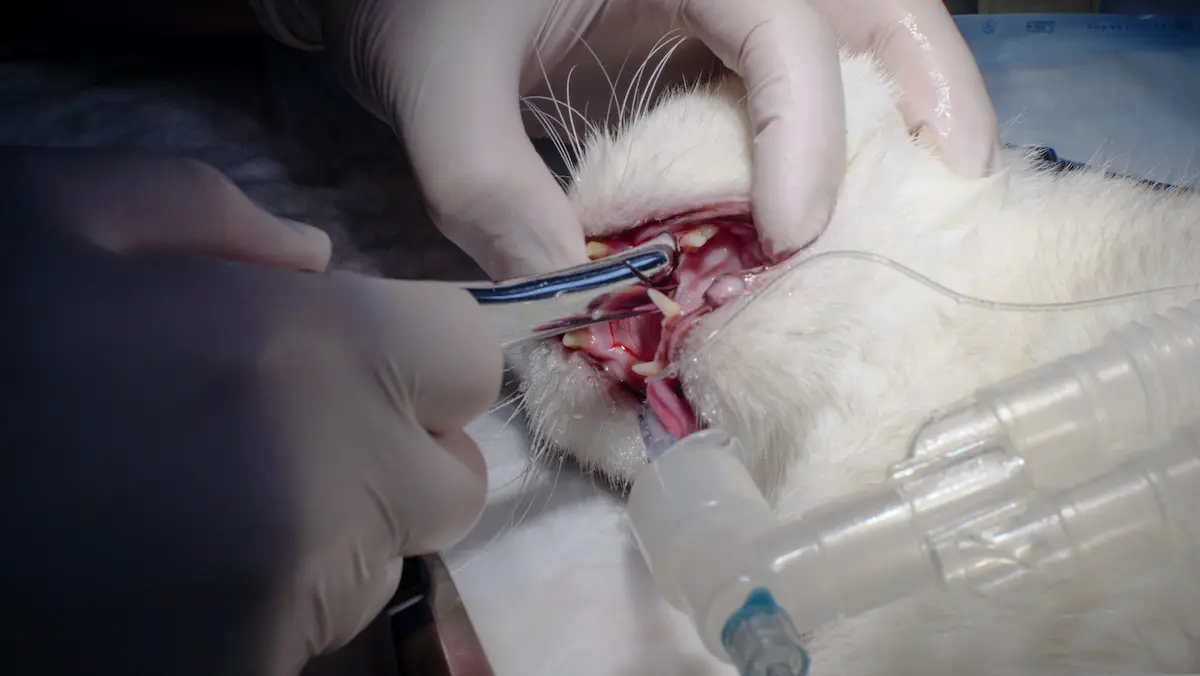
The x-rays revealed the real culprit: numerous teeth affected by tooth resorption lesions, hidden beneath the layers of tartar. These lesions were causing severe pain, and Sketchers had been silently suffering. To relieve her discomfort and prevent further deterioration, several teeth had to be extracted.
The gingivitis and bacterial changes from her chronic dental disease were to blame for her halitosis and discomfort. With her teeth cleaned, the tartar removed, and the affected teeth extracted, Sketchers’ mouth would soon be healthy and pain-free.
Two weeks later, Sketchers returned for her check-up, and the vet staff happily noted her improved condition. They showed Carl how to brush her teeth at home, ensuring he felt confident in preventing periodontal disease in the future. Overjoyed with his cat’s transformation and recovery, Carl couldn’t resist snapping a few selfies of them together, proudly sharing their story on Facebook.
What is Periodontal Disease?
Periodontal disease is the condition of inflammation and infection that affects the tissues surrounding the teeth. These tissues include the gingiva, cementum, periodontal ligament, and alveolar bone, which together make up the periodontium. Periodontal disease begins with gingivitis, an inflammation of the gums, and if unchecked, can progress to periodontitis, where the inflammation spreads to the ligaments and bones supporting the teeth. If it becomes sufficiently advanced, the teeth loosen and may fall out or need extracting.

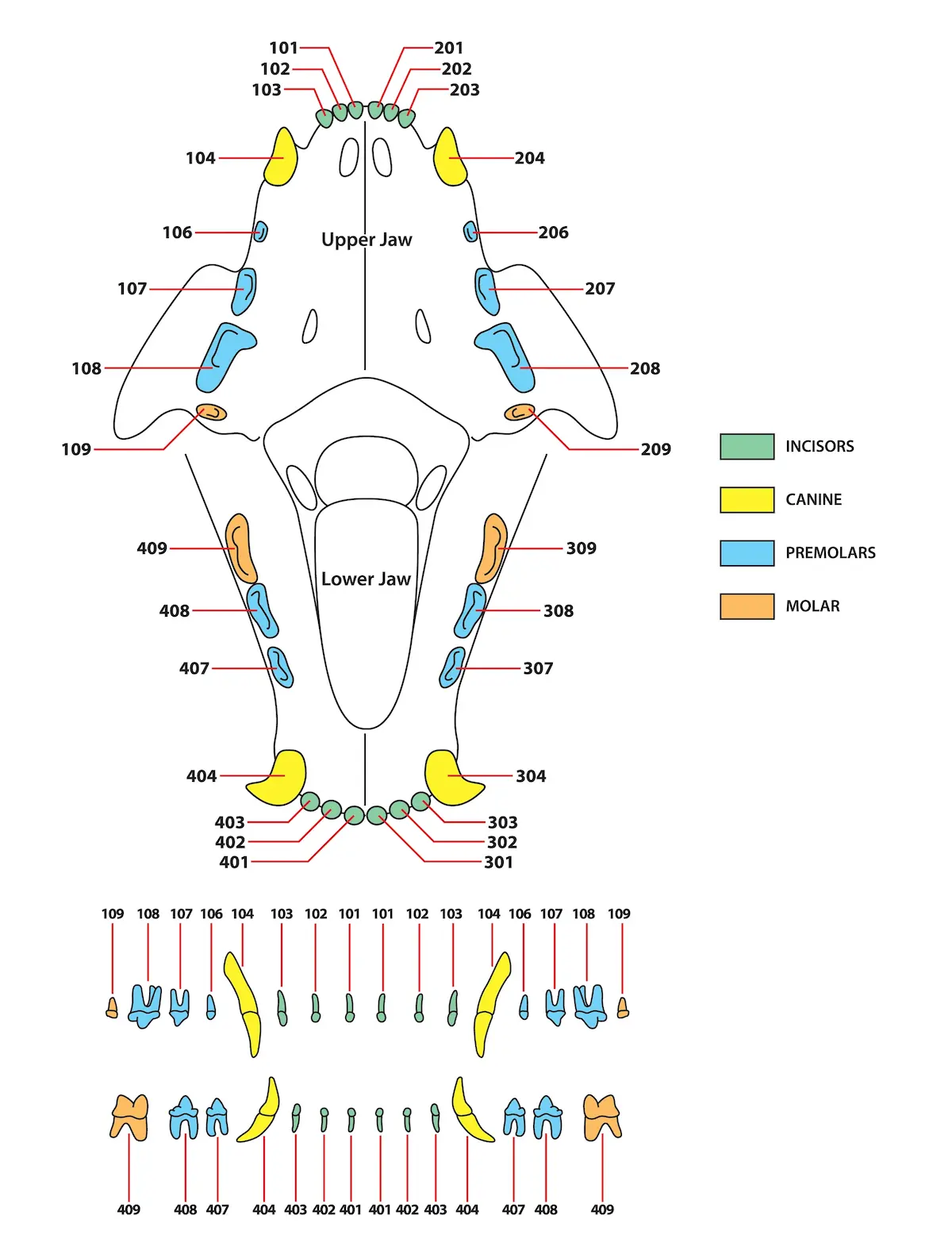
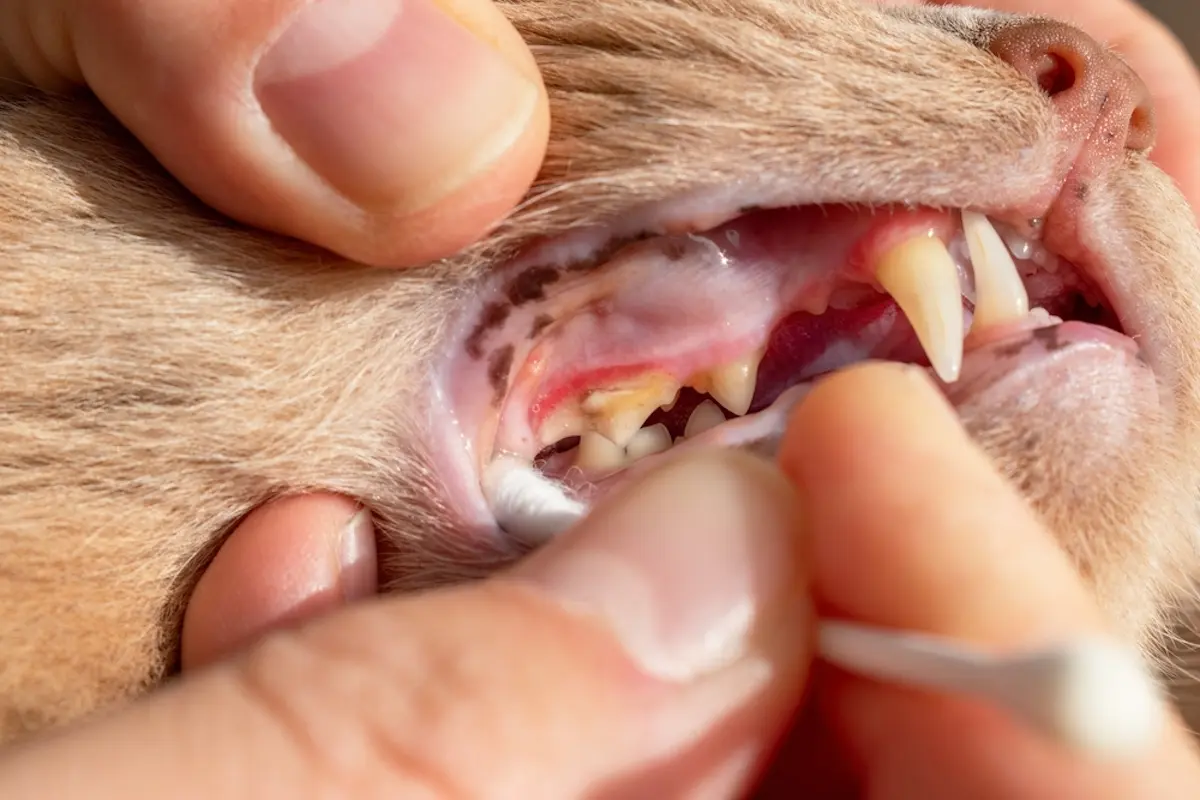
How Periodontal Disease Occurs
Plaque Formation:
Bacteria and Food Particles: Plaque, a sticky biofilm composed of bacteria, food particles, and saliva, forms on the teeth after eating. The bacteria in plaque produce acids that can damage the enamel and irritate the gums. If not removed through regular scrubbing or brushing, plaque hardens into tartar within a few days.
Tartar Build-Up:
Mineralization: Tartar, or dental calculus, is the mineralized form of plaque. It adheres strongly to the teeth and can only be removed by scaling (see “subgingival scaling”) or professional cleaning. Tartar provides a rough surface that facilitates further plaque accumulation and harbors bacteria, exacerbating gingivitis.
Gingivitis:
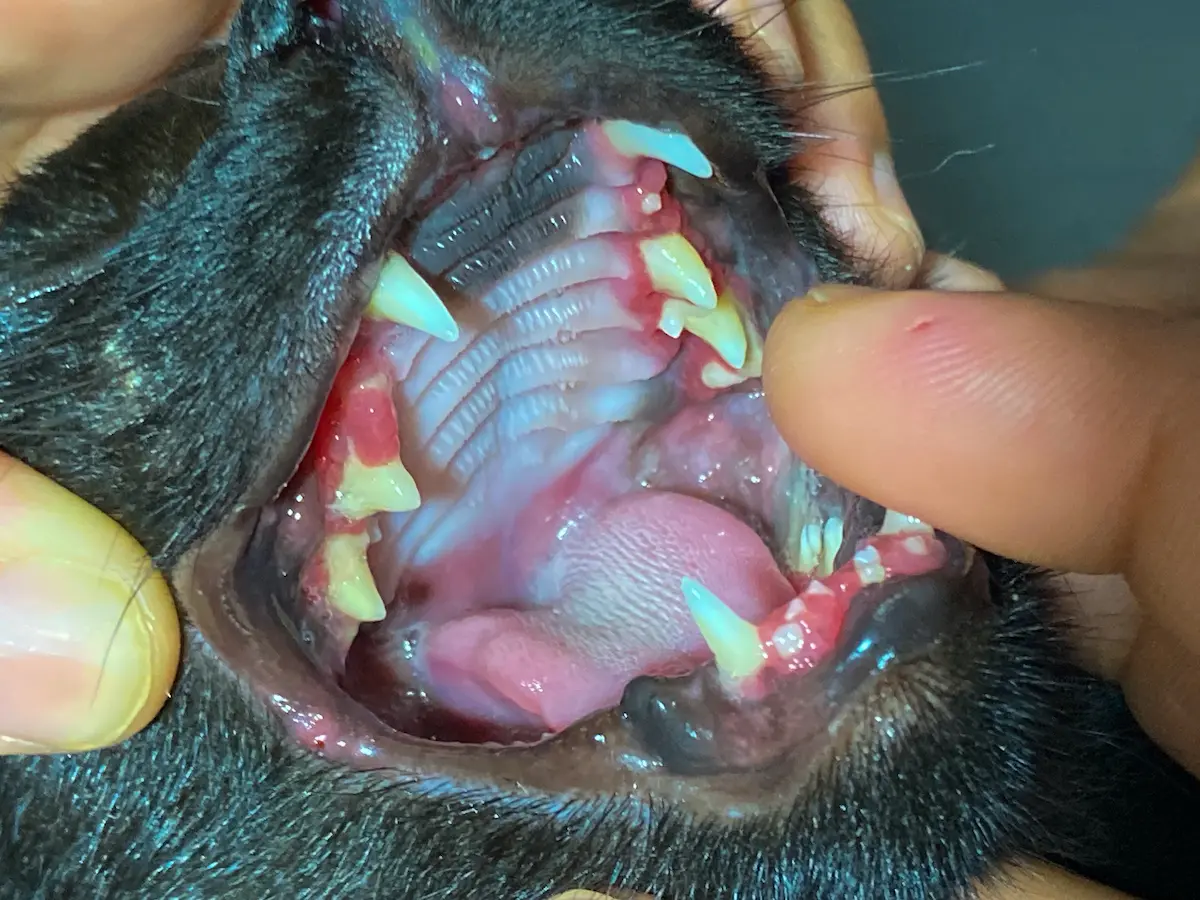
Inflamed Gums: The first stage of periodontal disease is gingivitis, characterized by red, swollen gums. Mild gingivitis usually begins as a thin red line along the base of the teeth, becoming more noticeable and involving more of the gingiva as it worsens. Gingivitis occurs as a result of the body’s immune response to bacterial infection, and is often reversible with a combination of professional dental care and dedicated daily oral care.
Periodontitis:
Advanced Disease: If gingivitis is left untreated, it can progress to periodontitis, in which infection spreads to the periodontal ligament and alveolar bone supporting the teeth. This progression is due to the destruction of connective tissue and bone through the action of bacterial toxins and the host’s inflammatory response. The body’s attempt to fight the infection leads to further tissue destruction. At this stage, interventions such as dental extractions can become necessary.
Advertisement
Types of Periodontal Diseases in Cats
Gingivitis:
- Description: Gingivitis is the earliest stage of periodontal disease, marked by inflammation of the gums.
- Signs: Red, swollen gums, bleeding, and halitosis.
- Treatment: Regular brushing, professional dental cleanings, and sometimes antibiotics to control infection.

Periodontitis:
- Description: This advanced stage involves inflammation and infection of the deeper structures supporting the teeth.
- Signs: Receding gums, loose teeth, difficulty eating, and severe halitosis.
- Treatment: Deep cleaning under anesthesia, possible extraction of affected teeth, and antibiotics to manage infection.
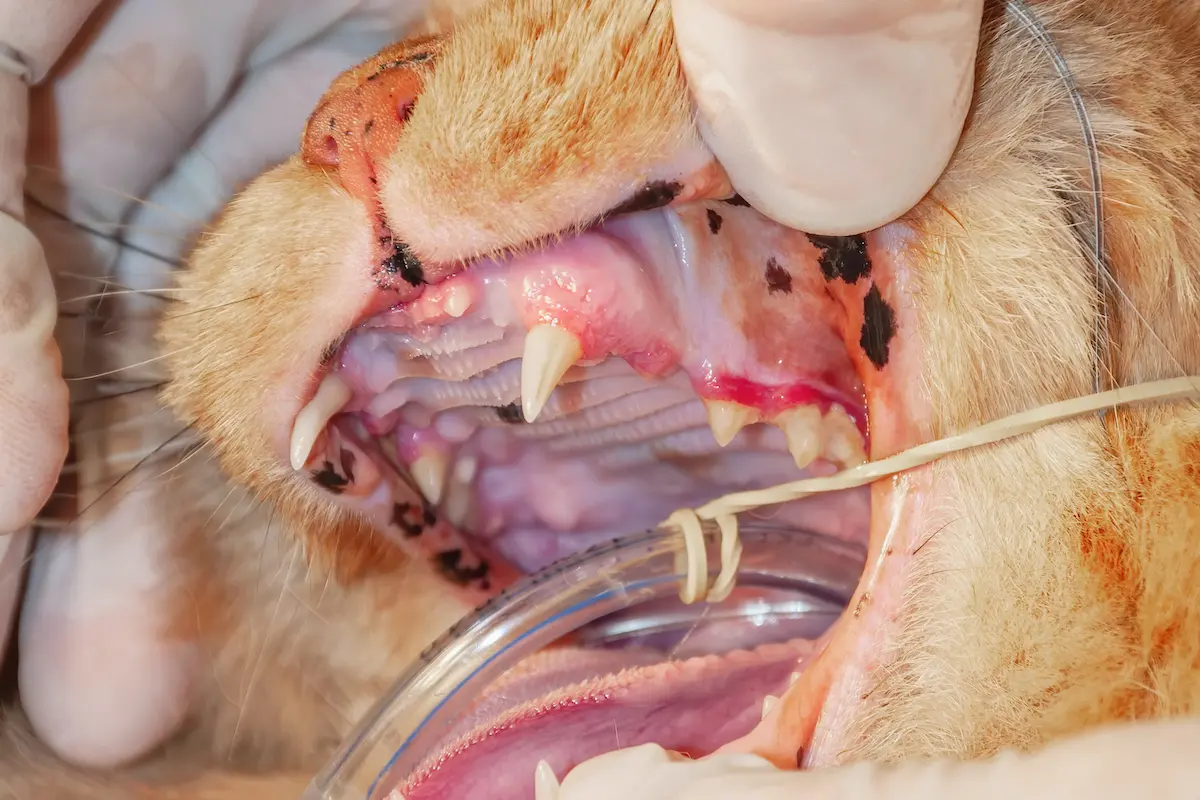
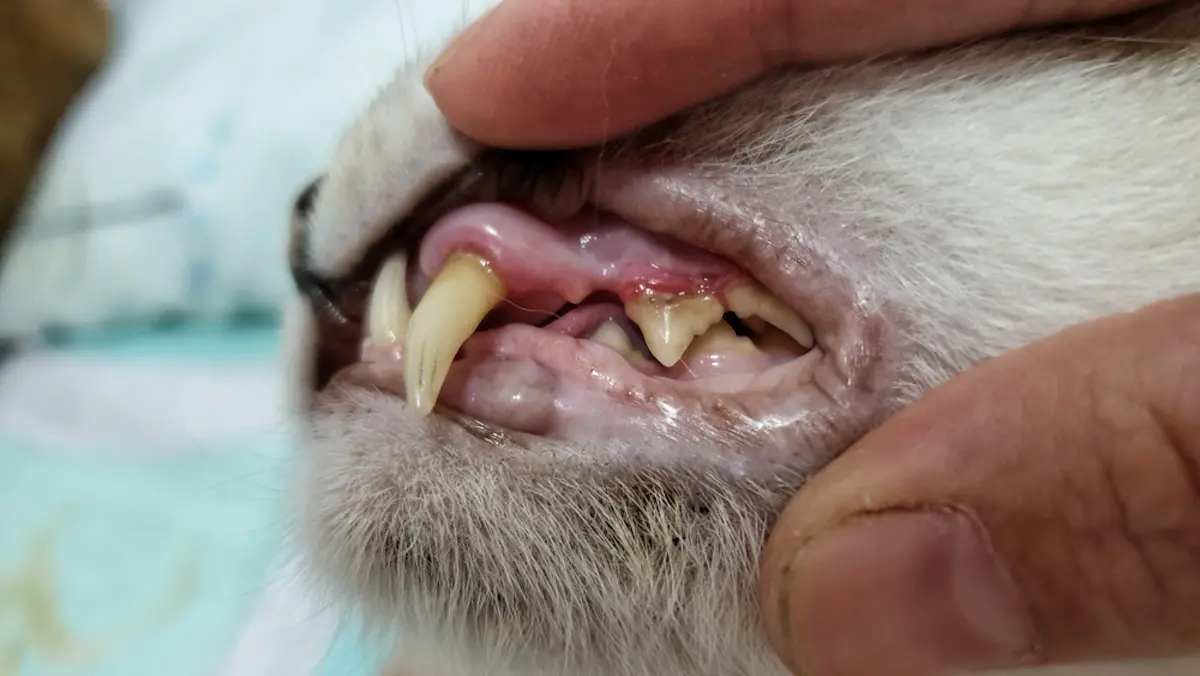
Tooth Resorption:
- Description: A common condition in cats where the body begins to break down and absorb the tooth structure. This process is not fully understood but is thought to be from excessive activation of osteoclasts, cells that resorb bone.
- Signs: Pink to red lesions on the gums, pain, and difficulty eating. Teeth that have pink or red areas on them. Often there are no symptoms when cats have early lesions.
- Treatment: The current standard of care is to extract affected teeth or to “amputate” teeth at the crowns (see “dental crowns”) when the roots should not be, or cannot be, safely extracted.
Causes and Risk Factors
Poor Oral Hygiene:
- Lack of Brushing: Regular brushing removes plaque and prevents tartar build-up. Without it, bacteria thrive, leading to periodontal disease. Brushing mechanically disrupts the biofilm, reducing the bacterial load.
Retained Deciduous Teeth:
- Retained deciduous teeth can lead to periodontal disease, because of the tendency to chronically trap food, which leads to an increased development of plaque and tartar. Retained teeth should be extracted in a timely manner, usually at the time of spay or neuter, by 4 to 5 months of age.

Diet:
- Dental Diets: Cats fed dental-specific diets such as Hills T/D have significantly less plaque accumulation than those on regular diets.
Soft Foods: Cats fed primarily soft foods are more prone to plaque accumulation compared to those fed a diet that includes dry kibble, which can help mechanically clean the teeth through abrasion.
Age:
- Older Cats: The immune system weakens gradually with age, thus allowing periodontal disease to develop more quickly in older cats. Periodontal tissue is also slower to heal and regenerate in older cats than in their younger counterparts.
Genetics:
- Breed Predisposition: Purebred cats, and certain breeds, like Persians, Siamese, Main Coon, and Abyssinians, are more prone to dental issues, including periodontal disease. Genetic factors can influence the structure of the teeth and gums and the immune response to bacterial infection.

Other Health Conditions:
- Chronic Diseases: Conditions such as diabetes and feline immunodeficiency virus (FIV) can increase the risk of periodontal disease due to a weakened immune system. These conditions can impair wound healing and increase susceptibility to infections.
Advertisement
Symptoms of Periodontal Disease in Cats
Halitosis:
- Persistent bad breath is often the first noticeable sign of periodontal disease. It is caused by volatile sulfur compounds (VSCs) produced by bacteria in the mouth.
Gingivitis:
- Inflammation of the gums that may be red and swollen due to increased blood flow and immune cell infiltration. Gingivitis is an early sign of periodontal disease.
Bleeding Gums:
- Gums that bleed easily, especially during brushing or eating, indicate gingivitis. Healthy gums do not bleed easily when brushed or rubbed.
Drooling:
- Ptyalism, or increased salivation (drooling) can be a sign of oral discomfort or disease. Oral pain will often cause excess salivation.
Difficulty Eating:
- Cats with periodontal disease may eat less, favor one side of their mouth, or drop food as they are eating, due to pain caused by inflamed or infected tissues, loose or abscessed teeth, or tooth resorptive lesions.
Loose or Missing Teeth:
- Periodontitis may cause teeth to become loose or fall out as the supporting structures are destroyed.
Pawing at the Mouth:
- Cats in pain may paw at their mouth in an effort to self-soothe.
Diagnosing Periodontal Disease
Awake Veterinary Examination:
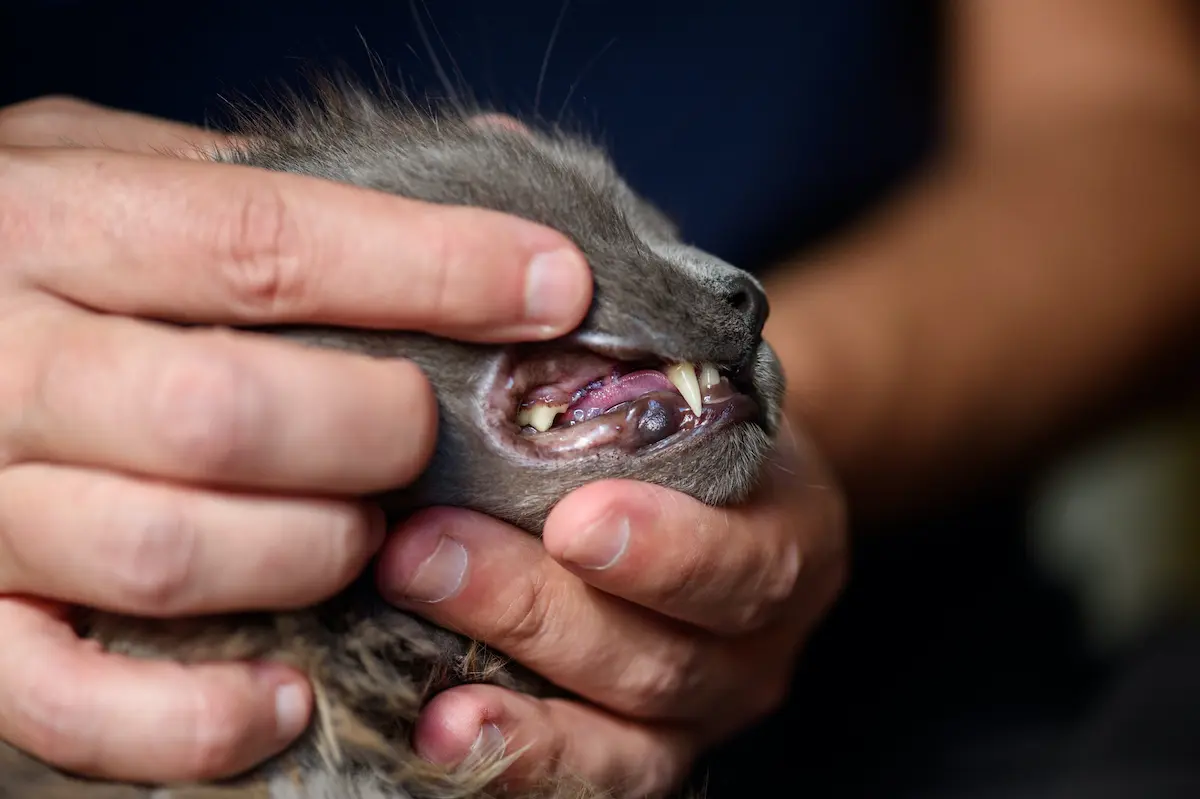
- Your veterinarian will thoroughly examine your cat’s mouth as much as possible when they are awake. They will evaluate the amount and distribution of plaque and calculus, and check for halitosis and ptyalism. They will assess for gingivitis and look for gingival bleeding, root exposure, parulides (a papule (see “papules”) on the gingiva indicative of a tooth abscess), loose or missing teeth, oral and nasal foreign bodies, nasal and ocular discharge, as well as any other abnormalities.
- They will also palpate the size and shape of local lymph nodes, as well as your cat’s heart, lungs, and general health, in preparation for an anesthetic veterinary examination or an anesthetic dental cleaning, if indicated.
- They may suggest a blood evaluation to check your cat’s general internal organ status.

Anesthetic Veterinary Examination:
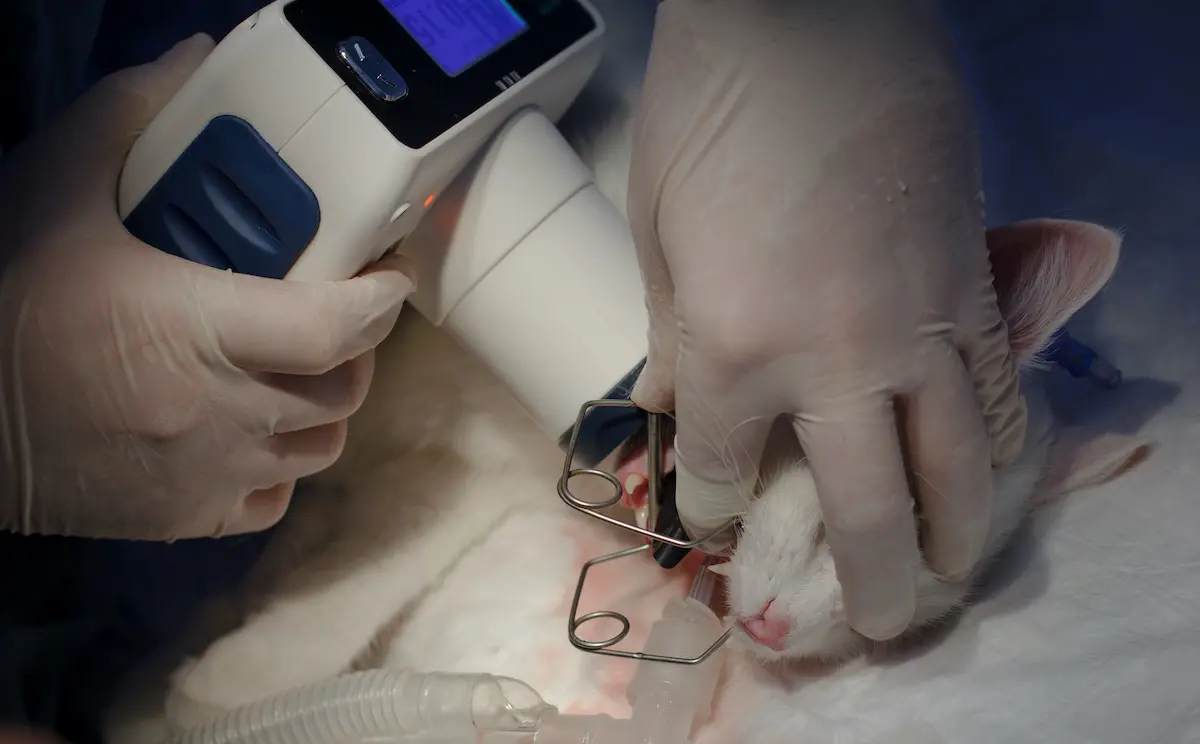
- Full evaluation of your cat’s teeth and mouth can only be done when they are anesthetized. Once your cat is under anesthesia, your veterinarian will likely x-ray their teeth before cleaning or other procedures, then examine each tooth individually.
- A periodontal probe is used to measure the gingival attachment of each surface of the teeth, as in human dentistry.
- The degree of severity of periodontal disease relates to a single tooth, and is assigned based on several criteria.
- These criteria include the presence or degree of gingivitis, the presence or amount of loss of attachment of the teeth, and the visibility and degree of exposure of the furcation of tooth roots.
Dental X-Rays:
- X-rays help assess the extent of periodontal disease below the gum line, revealing bone loss and tooth root problems. Radiographic (see “radiography”) examination is crucial for a complete diagnosis as it shows changes that are not visible to the naked eye.
- X-rays assess tooth attachment loss, bone loss, loss of the lamina dura, widening of the periodontal ligament space, and resorption of the tooth root.
- They are also necessary for evaluating for tooth root abscesses (see “tooth root abscess”).
Professional Cleaning:
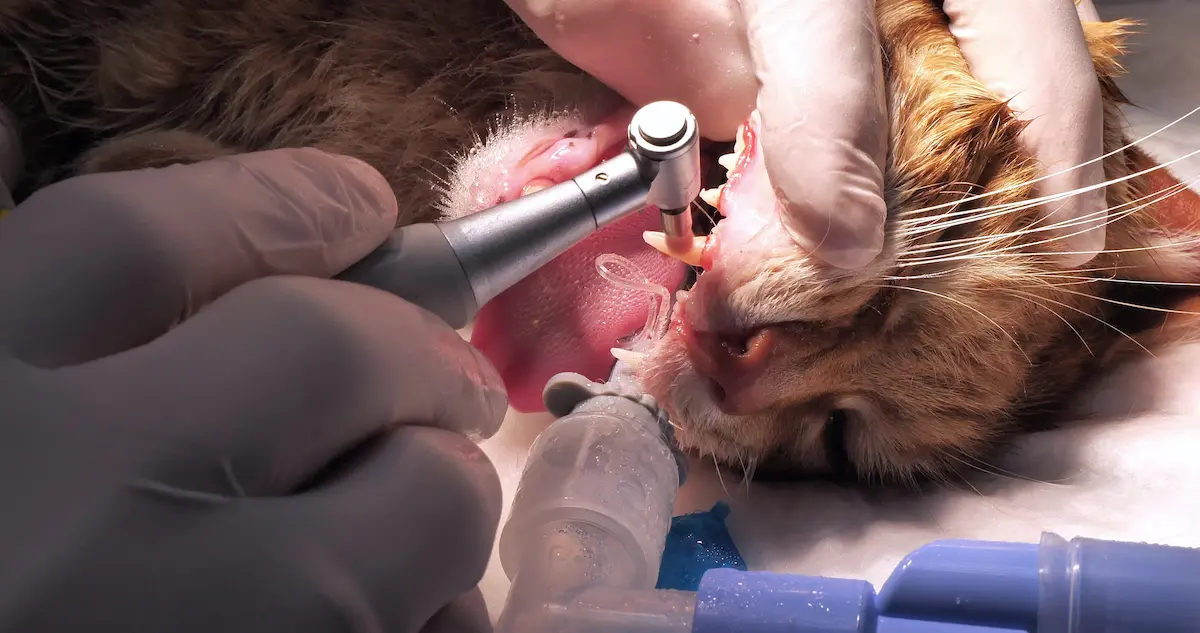
- A thorough cleaning under anesthesia allows for the removal of tartar, assessment of the health of each tooth, and performing of necessary procedures such as extractions of abscessed or mobile teeth.
- Your veterinarian will likely recommend pre-anesthetic blood screening to help ensure your pet can safely tolerate anesthesia.
- Gas anesthesia with an endotracheal tube and proper monitoring, ensures that the procedure can be performed safely, thoroughly, and pain-free. An endotracheal tube is a tube that is passed into the cat’s trachea, and connected to the gas anesthesia machine, delivering a specific mixture of oxygen and anesthetic gas. When inflated, the tube prevents cleaning fluid and saliva from inadvertently entering the lungs. The veterinary standard of care requires that cats be maintained on gas anesthesia with an endotracheal tube in place, which protects their airway, during dental cleaning and procedures.
Preventing Periodontal Disease
Regular Brushing:
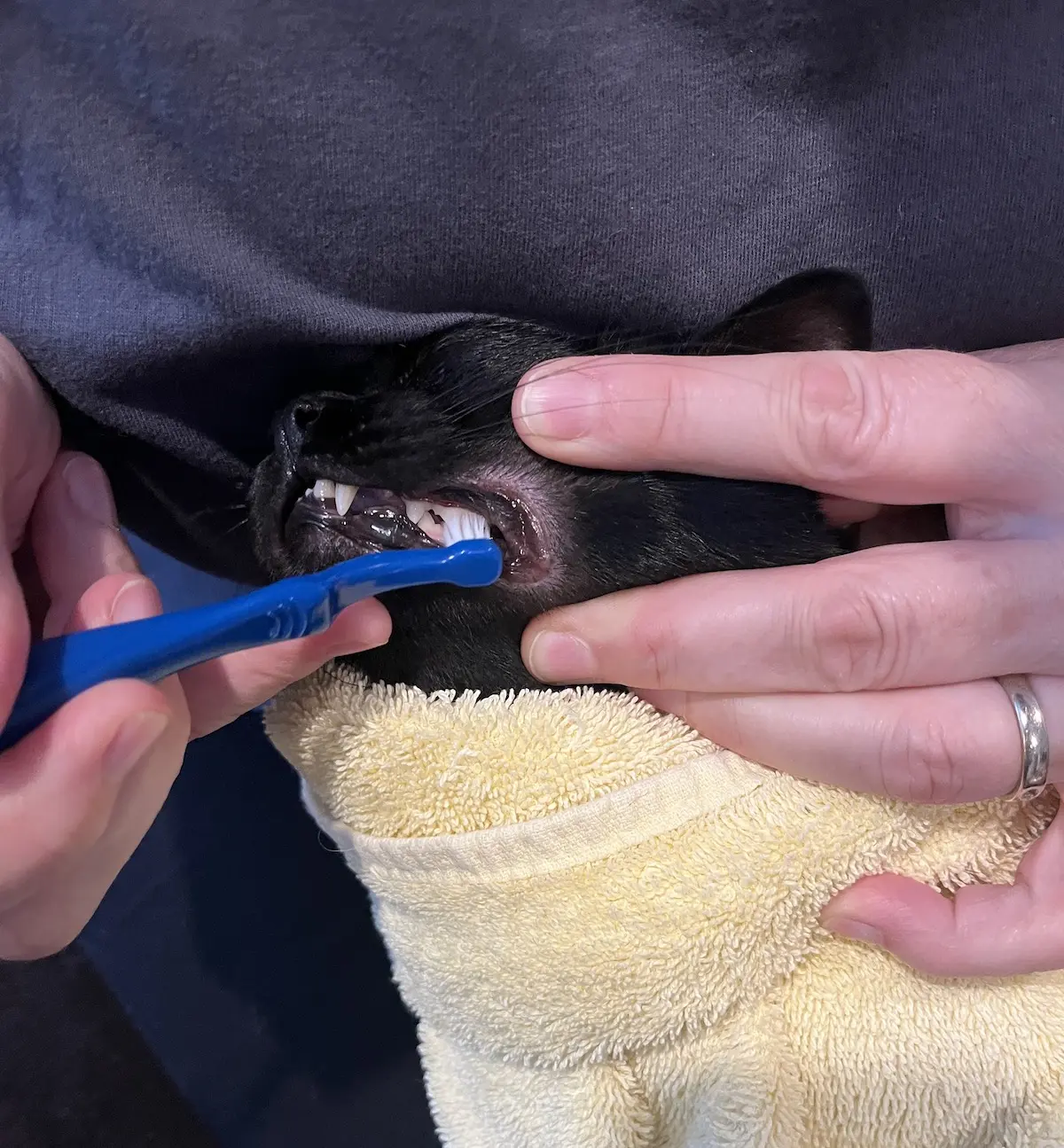
- Brushing your cat’s teeth daily is the most effective way to prevent plaque and tartar build-up. Brushing should ideally start in the first year of life. Use a cat-specific and properly sized toothbrush, and cat toothpaste, which is safe to be swallowed. The mechanical action of brushing disrupts the biofilm and removes food particles, helping to prevent plaque, tartar, and gingivitis. See our guide on how to brush your cat’s teeth here.
- If you are unable to brush your cat’s teeth with a properly-sized toothbrush, try dental finger brushes, finger socks, or gauze wrapped on your finger, to scrub your cat’s teeth and gums the best that you can.
- If that still doesn’t work for you, try an oral rinse or a water additive for your cat’s dental health.
Regular Veterinary Visits:
- Routine check-ups allow your veterinarian to catch dental issues early and provide timely treatment. Early intervention can prevent the progression of periodontal disease.
Professional Cleanings:
- Schedule regular dental cleanings with your veterinarian to remove tartar and check for signs of periodontal disease. For many cats, yearly dental checkups and cleanings are adequate. Some cats need them less frequently, but for some, especially as they get older, it is more common to need biannual checkups and cleanings.
Diet:
- Feeding your cat a diet designed for dental health can significantly reduce plaque formation. (Hill’s T/D diet in particular is designed to shear the tartar off of the teeth as the cat chews its food, rather than crumble.)
Chews:
- Dental chews also aid in cleaner teeth by mechanically reducing plaque through chewing. Greenies cat dental treats are a good example of dental chews that cats really like that can help prevent plaque and tartar.
Oral Rinses and Gels:
- Products like chlorhexidine rinses and dental gels can help control bacteria and inhibit plaque formation. If your cat just won’t allow toothbrushing, and you’ve tried everything including slowly building up to training over weeks, try an oral rinse or gel.
Advertisement
Treating Periodontal Disease
Professional Cleaning:
- Anesthetic dental cleaning (also called prophylaxis, or “prophy”), is the basis of periodontal treatment.
- X-rays are taken of the teeth while the cat is under anesthesia.
- The teeth are scaled above and below the gingiva to remove all existing tartar, using a combination of ultrasonic scaling and hand-scaling, depending on the situation.
- The teeth are then polished to ensure smooth surfaces.
- The veterinarian thoroughly examines the teeth and oral cavity and assesses any need for actions or procedures such as extractions, and checks all soft tissues for any abnormalities.
Antibiotics:
- Antibiotics may be prescribed to treat bacterial infections and reduce inflammation. They target specific bacteria and help manage infection, especially in severe cases. Antibiotics are generally given only if the underlying cause of the periodontal disease is addressed, not necessarily with every dental cleaning where gingivitis is present.
Extractions:
- In cases of tooth resorption or advanced periodontal disease where there are abscessed or mobile teeth, extraction of affected teeth is usually necessary to prevent further pain and/or treat infection.
Periodontal Surgery:
- Root planing, periodontal flaps, gingivectomy, gingivoplasty, and bone augmentation are all possible based on the severity and needs of the individual cat. Sometimes these procedures can be done on a referral basis at a dental specialty clinic after assessment at your regular veterinary clinic.
Home Care:
- After professional treatment, institute or continue a dental home care program to maintain your cat’s oral health. Consistent home care is essential to prevent recurrence and to achieve a successful outcome. If your cat has lost teeth due to periodontal disease, unless you institute a diligent home care program, it is very likely they will continue to lose their teeth.
Pain Management:
- Your cat may need pain control after their dental procedure. It is important to give pain medications on time without skipping doses, in order to avoid “getting behind the pain”, or having the pain be difficult to control.
- Be sure to ask about post-dental pain control if your veterinarian does not mention it
Conclusion
Periodontal disease in cats is a common, multifactorial disease involving bacteria and the host’s immune response. It can be managed effectively with a combination of preventive care, including diligent daily toothbrushing, early detection with regular veterinary visits, and appropriate treatment with anesthetic dental cleanings, including appropriate periodontal procedures as needed. Diligent home dental care, regular veterinary visits, and professional cleaning, provide the cornerstone of good dental health for cats. With this approach, periodontal disease can be managed effectively, ensuring that your feline companion remains healthy and happy.


By Karen E. Mueller DVM, AVCA Certified
Dr. Mueller has over 30 years of experience in general small animal veterinary practice, feline medicine, and shelter medicine. Dedicated to preventing pain in pets and improving their quality of life, she currently has an animal chiropractic practice in Bellingham, WA. Dr. Mueller is also passionate about reducing pet overpopulation and works with high-volume, low-cost spay and neuter nonprofit programs throughout the Pacific Northwest.