 Pet News

Summary
Welcoming a baby into your family is an exciting time, and we extend our warmest congratulations to you! Whether you’re expecting or planning to adopt, it’s essential to consider your dog’s needs during this special time. This article is the second in a three-part series designed to help you navigate the relationship between your dog and your growing family. In the first part, we covered important steps to take before your baby arrives, including obedience training, vet visits, and adapting your dog to a more flexible schedule. Now, with your due date on the horizon, we’ll explore specific considerations to address during your pregnancy, ensuring a smooth transition for both you and your dog.
Sarah and her beloved Beagle, Max, were preparing for an addition that would change their world—Sarah was expecting her first child. As an experienced dog owner, Sarah knew the bond between a dog and its family was profound, but she was also aware that Max, like many dogs, could sense changes even before they became apparent.
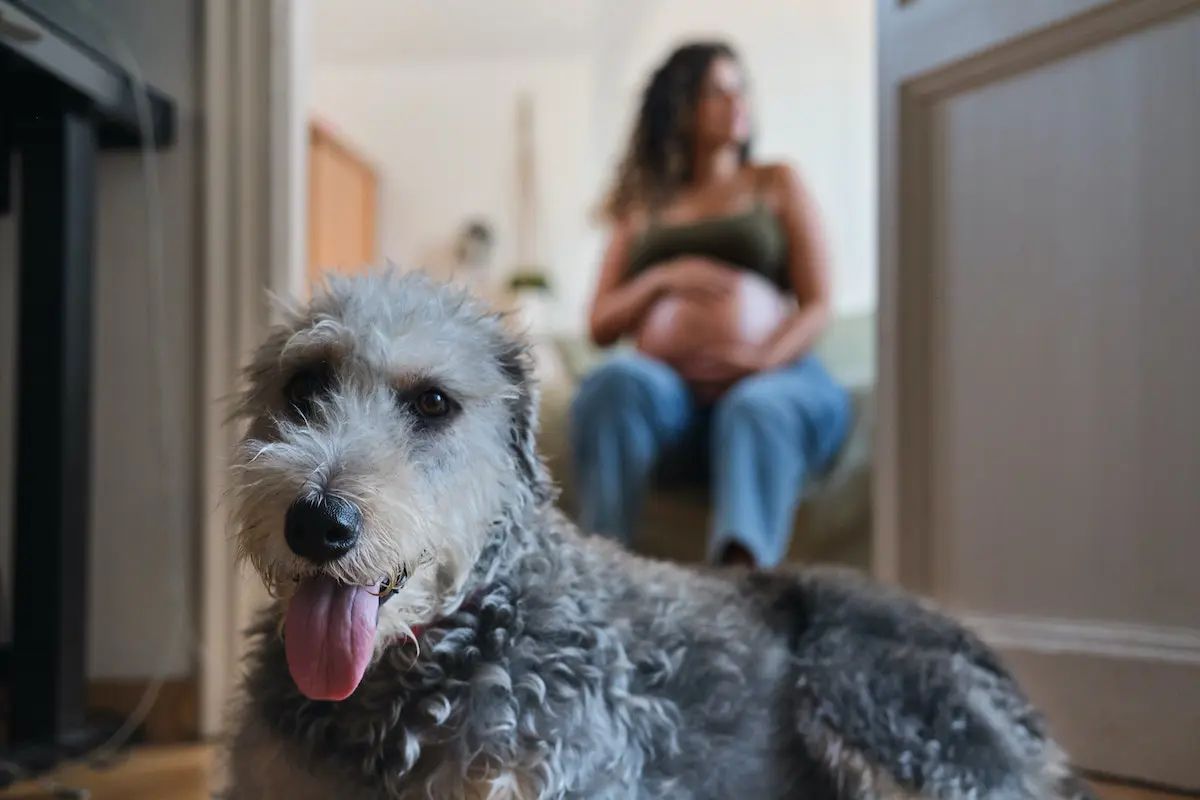
From the moment Sarah learned of her pregnancy, she noticed subtle shifts in Max’s behavior. The once boisterous pup became gentler, his usual bound across the room morphing into a cautious approach, as if he understood his human was pregnant. Max’s newfound protectiveness didn’t stop at physical changes; he seemed attuned to Sarah’s moods, staying close on tough days, offering silent comfort and companionship.
The Early Months of Pregnancy
Dog Behavior During Pregnancy
Dogs possess an incredible sense of smell which has been used for decades in the detection of explosives, drugs, and more recently even certain cancers. While there is no scientific consensus, many believe that dogs can sense pregnancy.
As a woman’s body undergoes hormonal changes during pregnancy, these changes may alter her scent in ways that dogs can perceive. Similarly, dogs are highly attuned to your behaviors and emotions. As a woman’s scent, mood, and physical shape changes during pregnancy, noticeable changes may also be noted in the dog’s behavior.
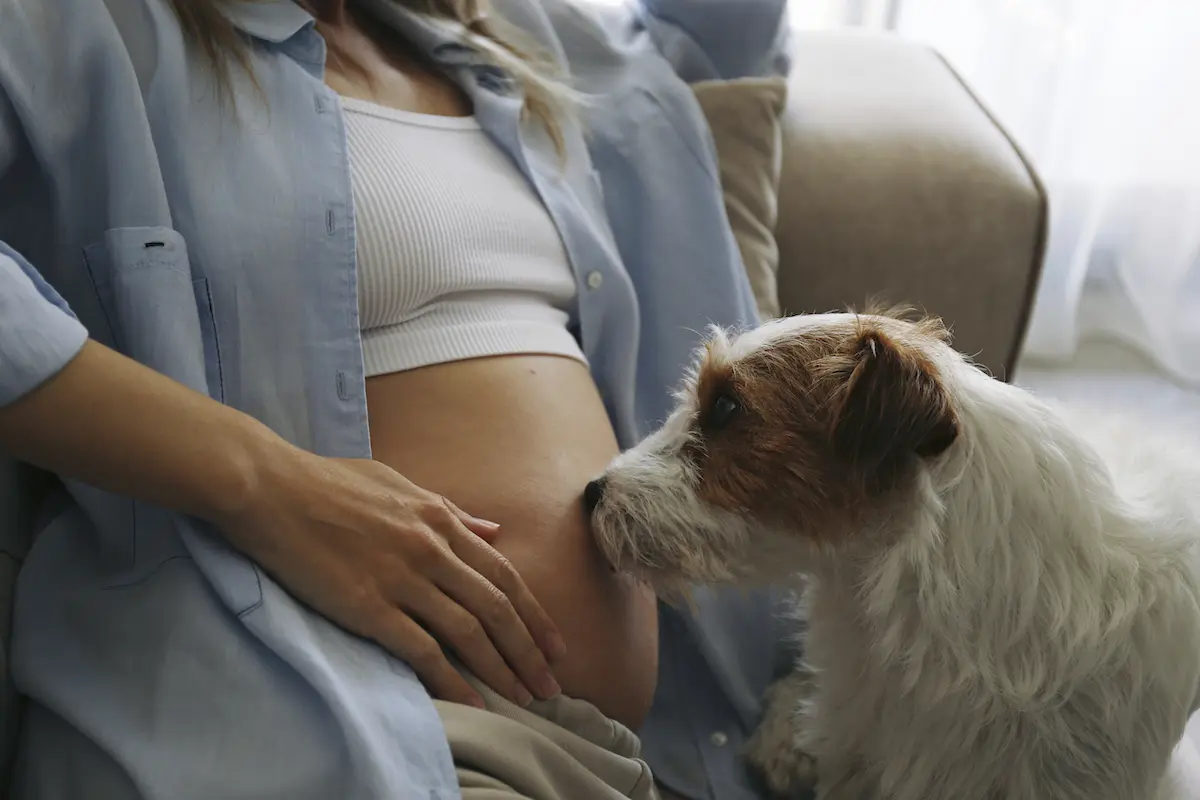
While you cannot alter the changes your body will undertake during pregnancy, anecdotal evidence suggests that dogs may manifest their sense of these changes by becoming more attentive, affectionate, or protective.
Understanding and anticipating your dog’s reactions to these changes can help you provide the reassurance your dog needs during this time. It is important to monitor your dog for signs of anxiety or stress during your pregnancy.
If you notice behavioral changes such as increased clinginess, nervousness, indifference, or even aggression, it may be helpful to consult with your veterinarian or a professional dog trainer or behaviorist.
Early intervention can address any issues before the baby arrives, ensuring a smoother adjustment period for your pet. This proactive approach not only supports your dog’s well-being but also helps create a peaceful home environment for the new baby.
Health and Safety Precautions
Jumping Up and Lap-Time
During the early months of pregnancy, it’s important to gently train dogs who are accustomed to sitting on their owner’s lap or jumping towards their belly to modify these behaviors. As a woman’s body changes, the growing belly can become sensitive, and sudden pressure or weight from a dog jumping up could cause discomfort.
Additionally, maintaining balance can become more challenging as pregnancy progresses, so dogs that are used to climbing or jumping without permission could unintentionally knock their owner off balance, increasing the risk of falls.
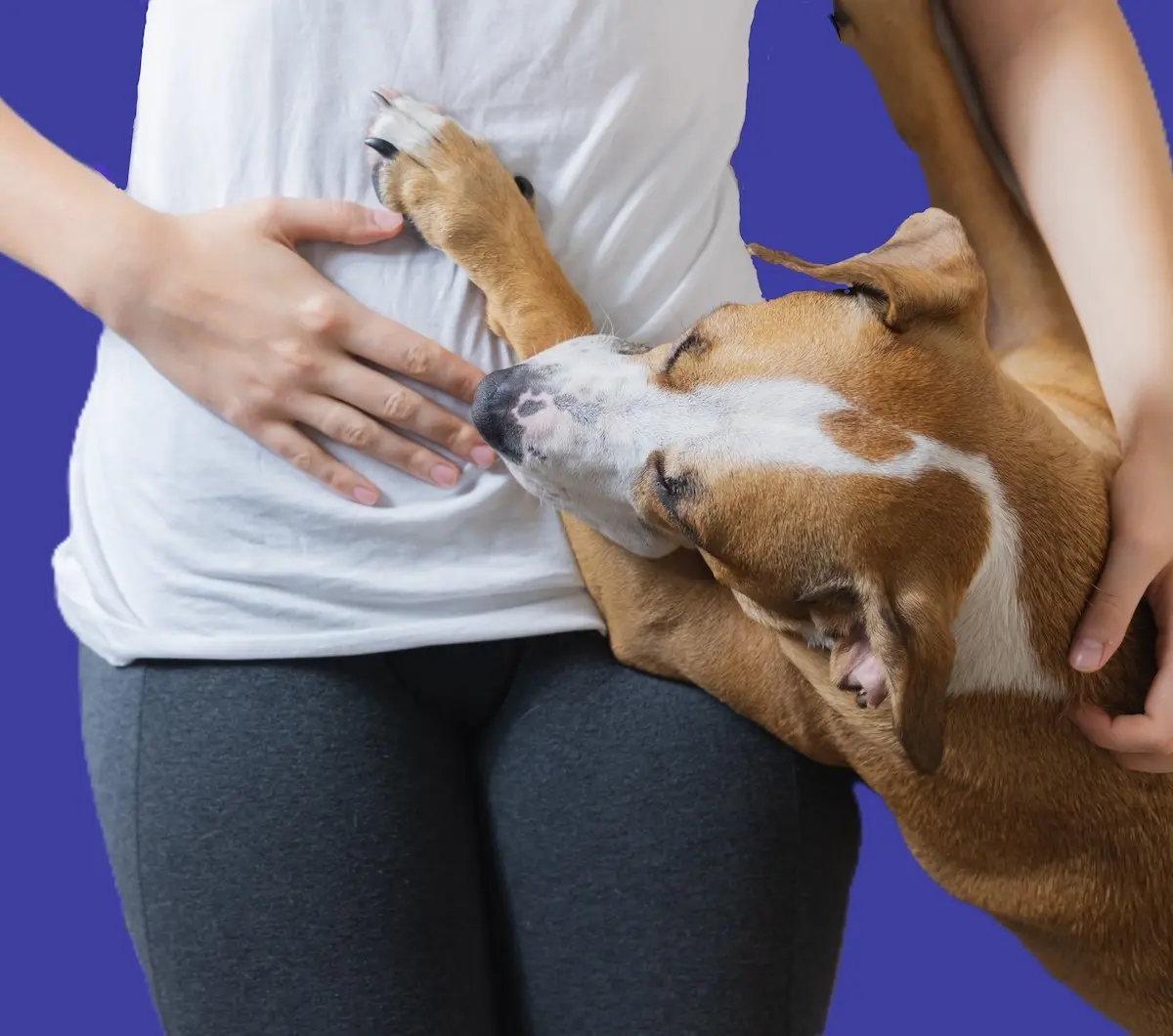
Gradual training is key to ensuring that both the dog and the expectant mother adjust smoothly. Positive reinforcement, such as rewarding the dog for sitting beside the owner rather than on their lap, can help reinforce new habits.
By starting this training early in pregnancy, the dog will have plenty of time to adapt, which makes the transition easier and reduces stress for both the dog and the expectant mother. This approach promotes a safe and comfortable environment as the pregnancy progresses.
This training is also essential for after the baby arrives. When the baby is held in your lap, a dog accustomed to lap-time could accidentally harm the infant by jumping up. By teaching these new boundaries during pregnancy, your dog will be well-prepared for the baby’s arrival, creating a safer environment for both the baby and the dog.
By addressing this behavior early in pregnancy, the dog will have time to learn the new rules and adjust to the idea that lap-time will be off-limits once the baby arrives. This training not only creates a safer environment for both mother and baby but also helps the dog feel more secure with the new changes in routine, making the transition smoother for everyone in the household.
Worms, Germs, and other Infections
While pet dogs generally don’t pose significant health risks to pregnant women, it should go without saying that it is important to practice vigilant hygiene, particularly when handling pet waste. Wash your hands thoroughly after any interaction with your pet and pet waste and avoid contact with stray or unfamiliar animals. These practices help to minimize the risk of zoonotic diseases (see “zoonotic disease”), ensuring a safe pregnancy. If you have any concerns about the health implications of having a dog during pregnancy, it’s always best to consult your healthcare provider for personalized advice.
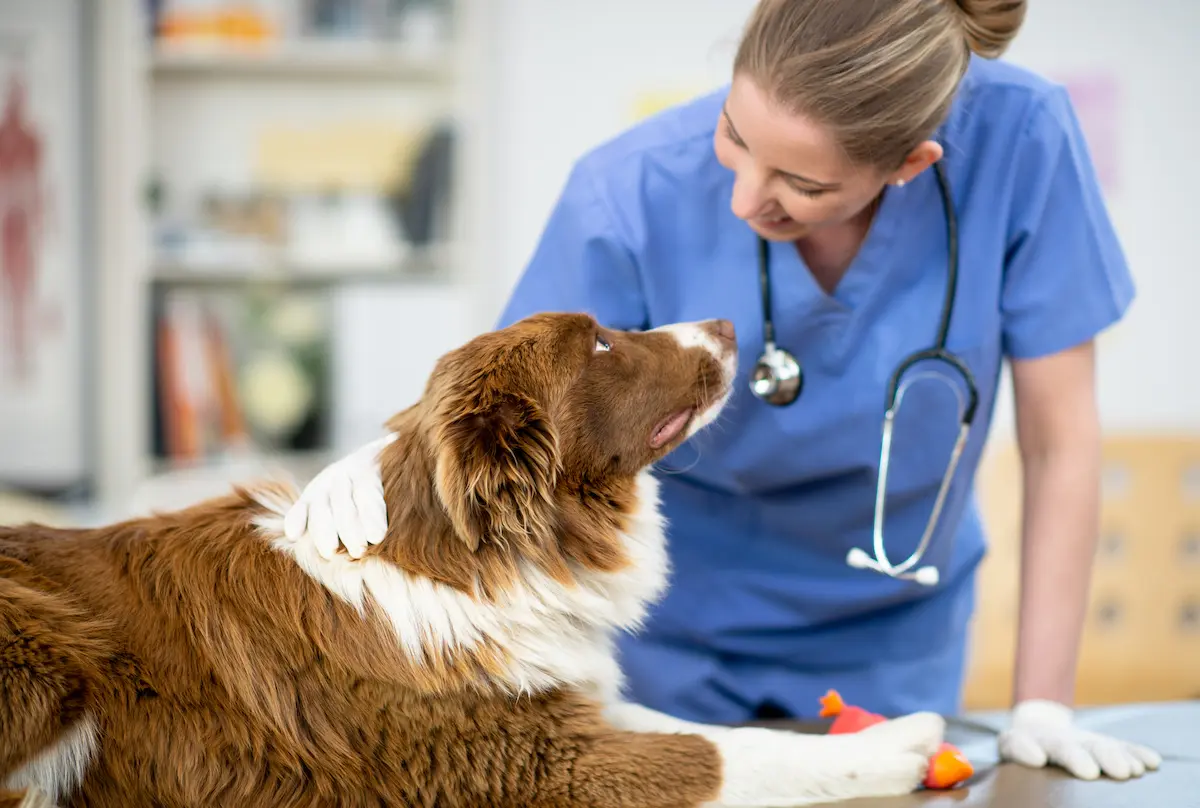
Roundworms (Toxocara canis): Dogs can carry roundworms, and their eggs may be passed in the dog’s feces. If a pregnant woman contacts contaminated soil or surfaces, she could accidentally ingest the eggs, which can cause an infection known as toxocariasis. While this infection is rare, caution is essential when cleaning up after pets.
Hookworms (Ancylostoma caninum, Ancylostoma braziliense): Dogs with hookworms can shed the larvae in their feces. These larvae can penetrate human skin, potentially causing a condition known as cutaneous larval migrans, which results in an itchy rash. Pregnant women can avoid this by wearing gloves when handling soil or cleaning up after dogs.
Tapeworms (Dipylidium caninum): Most species of tapeworms cannot be passed directly from dogs to humans. Like dogs, a human must ingest an infected flea to become infected with the common dog tapeworm, Dipylidium caninum. Since we do not groom ourselves as dogs do, this is very rare. Regardless, if a human lives with a dog with fleas, their chance of contracting tapeworms is higher because fleas are in the environment.
If a pregnant woman accidentally ingests an infected flea or shed tapeworm segment, tapeworm larvae could develop in her intestines. This scenario is quite uncommon but possible in environments with flea infestations or where unsafe pet waste handling practices are employed. Read more in our article on tapeworms here.
A particular species of tapeworm called Echinococcus can be passed directly from dog to human. Echinococcus tapeworms cause hydatid disease, a severe illness in humans and forming cysts in the liver (in 75% of cases) and lungs (in 22% of cases). Thankfully, this tapeworm is scarce in North America. Dogs contract Echinococcus by eating infected rodents or rabbits.
Fleas and Ticks: While dog fleas themselves don’t commonly transmit disease directly to humans, they can cause discomfort, and in rare cases, carry diseases such as typhus or plague. Ticks, on the other hand, can attach to your dog and transfer Lyme disease to you. Be cautious when spending time outdoors and if you find a tick on yourself, seek immediate medical advice.
Pregnant women can safely take antibiotics to treat Lyme disease, but untreated infections could pose a risk to you and the baby. You can learn more in our article on fleas and ticks here.
Rabies: Rabies is transmitted to humans and other animals through saliva – typically from a bite from an infected animal. While less common in the domestic animal population such as dogs, cats, horses, and cows, common carriers in North American wildlife include racoons, bats, foxes (red, arctic, grey), coyotes, and skunks.
Domestic pets (dogs and cats) are required to be vaccinated against rabies, however not all pets are. If any animal with an unknown vaccination status bites you, seek immediate medical attention and consider rabies shots if necessary. Rabies is fatal if untreated but can be safely treated during pregnancy with vaccines administered after exposure to the disease under the care of your healthcare provider.
Salmonellosis: Salmonellosis in dogs is an infection caused by the Salmonella bacteria. Dogs typically acquire Salmonella through ingestion of contaminated food, water, or surfaces. Raw or undercooked meat is a common source, as well as contaminated pet food.
Dogs can also pick up the bacteria from feces, either by direct contact with infected animals or areas where infected animals have been. It’s also possible for dogs to contract Salmonellosis from environments where raw meats are handled, such as in households practicing raw feeding.
This infection can lead to symptoms such as diarrhea, vomiting, fever, lethargy, and abdominal pain, although some dogs may carry the bacteria without showing any signs of illness. Preventing Salmonellosis involves ensuring dogs don’t consume raw or contaminated foods and maintaining proper hygiene, especially in areas where food is prepared or stored.
Salmonella can cause food poisoning symptoms like fever, vomiting, and diarrhea in pregnant women. Severe cases can be dangerous for both mother and baby, potentially leading to dehydration and infection.
If you become unwell during your pregnancy, always seek medical attention by contacting your healthcare provider. Maintaining proper hygiene, regularly deworming pets, and controlling fleas and ticks are key to reducing any risks of transmitting these parasites from dogs to pregnant women.
Advertisement
The Middle Months of Pregnancy
Acclimating Your Dog to Babies
Until the arrival of your first baby, your dog has very likely been the ‘baby’ of the family. Much like an older child when a new baby arrives, your dog may experience behavioral changes, such as increased attention seeking, jealousy, inappropriate urination, and sometimes destructive behavior of items in the home.
Introducing your dog to the presence of a baby before your newborn arrives is crucial in helping them adjust to the changes that can be expected.

One effective way to do this is by inviting friends or family members with infants to visit your home. These short exposure times will familiarize your dog with the new sounds, smells, and sights that will soon become a part of their daily life.
Alternatively, playing a tape with baby sounds at a low volume, then gradually increasing the volume will help accustom your dog to these sounds. Once your little one has arrived but before bringing your baby home, send home a blanket or shirt with the baby’s scent to help your pet adjust to the new family member.
Offering treats or playtime during these encounters can create positive associations with the presence of the baby, making the transition smoother.

Introducing a New Sleep Space
If your dog’s sleeping arrangements will change once the baby arrives, it is important to introduce their new sleeping space to them well in advance. Create a cozy, baby-free zone where your dog can rest undisturbed. This new sleep area should be equipped with familiar items like their favorite blanket or pillow to make the transition easier. By doing this early, your dog has time to adjust to the change, reducing stress when your baby comes home.
Establishing Nursery Boundaries
To ensure your baby’s safety, it’s essential to establish boundaries around the nursery. Start by training your dog to stay out of the nursery when you’re not present. A baby gate can be a practical solution for this that can be put in place early, when the nursery is set up.
The presence of a baby gate early will not only help to establish the no-go zone of the nursery but allow them to see and hear what’s going on under supervision. If you will allow your dog into the nursery, introduce the space gradually, allowing them to explore the furniture, toys, and new scents so that the room becomes familiar territory before the baby arrives.
Advertisement
The Later Months of Pregnancy
Reducing Attention Gradually
As your due date approaches, gradually reduce the amount of attention you give your dog to minimize the impact of a sudden reduction of your attention that can be expected once your baby arrives.
This isn’t about neglect or intended to be cruel, but rather prepares your dog for the inevitable shift in your focus when the baby is born. By slowly cutting back on the playtime, grooming sessions, and walks that you provide, your dog can begin to adjust to the change in routine.
Having another family member take over some of these activities can also help your dog become more independent, easing the transition when the baby demands more of your time.
Schedules Don’t Have to Be Rigid
Many dogs have an internal clock that has been reinforced by a predictable household – just look at their behavior around the usual feeding or walking times. Unfortunately, a newborn’s schedule can be anything but predictable!
To help your dog adapt to a routine that is more flexible, several tips can help make the transition from pre-baby arrival to post-baby arrival smoother for both you and your dog.
These tips include gradually varying the feeding and exercise times so that nagging/whining by your dog at the usual dinner or walk time can be reduced.
Introducing new activities at different times of the day to get your dog used to a less rigid routine can help, as can installing a dog door which can provide your pet with some independence, allowing them to go outside when they need to without relying solely on you.
The early months of pregnancy brought more than just emotional support from Max. Aware of the risks involved with a dog in a household welcoming a new baby, Sarah embarked on a mission to refine Max’s habits. Jumping up was replaced with sitting patiently by her side, his exuberance curbed through gentle training and positive reinforcement.
Moreover, Sarah took meticulous care to manage health risks associated with pets. She followed strict hygiene practices, especially when handling Max’s waste, to prevent any infections. Every precaution was a step towards ensuring both her and Max’s readiness for the baby.
Advertisement
Conclusion
Preparing your dog for the arrival of your baby takes careful planning, but the effort is well worth it. By addressing behavioral changes, establishing boundaries, and making gradual adjustments to routines, you’re setting up a harmonious environment for both your dog and your new baby.
As your pregnancy progresses, keep in mind the importance of training, health precautions, and emotional support for your pet. With these steps, you’ll be creating a safe, loving home for all family members. Be sure to stay tuned for part three, where we’ll discuss life with your dog after the baby arrives!

By Marnie Ford PhD, DVM, Diplomate ACVO
Dr. Ford graduated from the Ontario Veterinary College in 2000 after completing a Bachelors in Zoology at the University of British Columbia and a PhD in Physiology at Monash University in Australia. Following a rotating small animal internship at the University of Minnesota in 2001, Dr. Ford achieved Diplomate status from the American College of Veterinary Ophthalmologists in 2006 after completing a 3-year residency in Comparative Ophthalmology at the University of Missouri. After co-founding a private referral hospital, West Coast Veterinary Eye Specialists, in New Westminster (2004-2013) she opened Pacific Animal Eye Specialty services, providing mobile medical and surgical ophthalmologic care to patients in the Lower Mainland, Vancouver Island, and the Interior of BC (2013-2019). In 2019, she returned to Australia where she worked full-time in both medical and surgical ophthalmology as well as resident training at Animal Eye Care in Melbourne Australia. In 2023, Dr. Ford returned to Vancouver to provide locum services to ophthalmologists across Canada.