
 Pet News


Summary
Just because eye drops and ointments come in tiny packages does not mean that they are safe. Applying human eye medications (HEM) to dogs without veterinary guidance can not only delay proper treatment, but is risky and can even be fatal. Although some HEM are safe, others can cause severe reactions due to physiologic and anatomic differences between dogs and humans.
It is crucial to consult a veterinarian before using HEM on dogs. Additionally, safe storage of HEM is vital to prevent accidental exposure or ingestion by children or pets. While the market for dog-specific eye medications is quite limited due to economic and regulatory factors, professional veterinary guidance (often by a veterinary ophthalmologist) helps ensure the safe treatment of canine eye conditions with HEM.
Chester and Ian’s Story
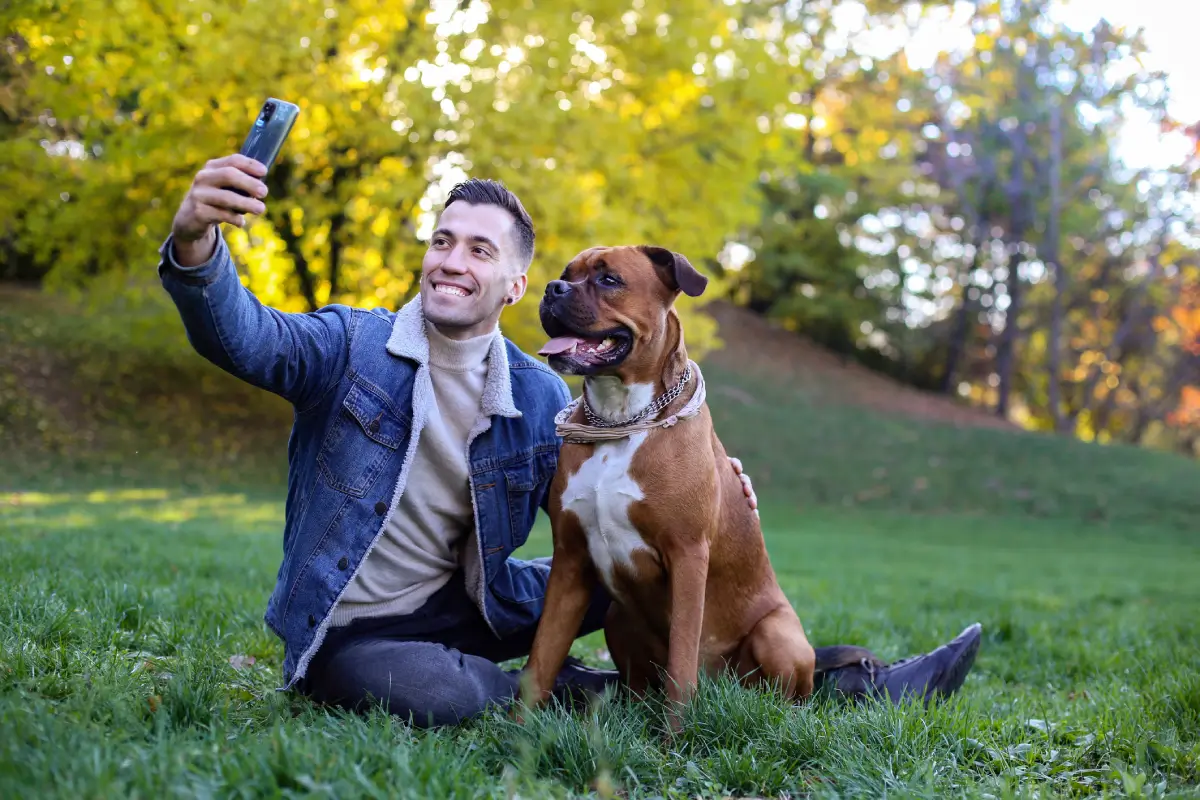
Chester was a big, powerful six year old Boxer that charged through life like a bull in a china shop. His 25 year old pet parent, Ian, was also high-energy but easy-going. Both buddies hung loose with Ian’s 2 housemates and rolled with whatever each day brought while having tons of fun. Two years ago Chester was diagnosed with primary epilepsy, which was well controlled by daily medication. Ian was not worried about Chester until the dog started squinting his left eye.
Ian took Chester to see his veterinarian who diagnosed a corneal erosion. A topical antibiotic drop, pain medication, and an E collar were prescribed and reexamination was scheduled in two weeks. But Ian could not bear to see his beloved Chester in the “cone of shame”, so he took it off one night before going to bed. He woke up at 1 am to the sound of Chester whining; Chester was rubbing his eye again.
Rather than put the E collar back on, Ian applied the antibiotic drop but it did not help. It was too early to give the pain medication again. Sleepily, he rummaged through the medicine cabinet that he and his roommates shared, and found some bottles of eye drops that looked promising.
He selected one bottle and applied a drop to Chester’s eye. It did not help, but Chester finally settled down after pawing at his mouth a few times, so Ian went back to bed. The next morning he treated Chester’s eye and then got Chester’s breakfast ready, but the dog was nowhere to be seen. One of his housemates called out to him: Chester was foaming at the mouth and seizuring in the TV room.
Ian realized that he had forgotten to give Chester his seizure medication the night before, and felt terrible that he had let his buddy down. The seizure was mild, but afterwards Chester kept drooling, which was not typical of Chester’s previous seizures. Ian studied his dog and realized that the pupil of the left eye was widely dilated. Alarmed, Ian carried Chester to the car and drove as fast as he could to the veterinary clinic.
By the time the veterinarian examined Chester, the drooling had stopped but the doctor was very concerned when she saw the fixed, dilated left pupil. It had been presumed that Chester had primary epilepsy, but with this new neurologic finding the doctor was worried that Chester might have brain cancer, as Boxers are at very high risk for developing many kinds of cancers.
Sadly, they are often called “tumor factories”. The doctor recommended urgent referral to a neurologist for examination and possible CT or MRI brain imaging. Ian was distraught.
(For the rest of Chester and Ian’s story, see Part 2 of Can I Give Human Eye Medications to My Dog?)
Introduction
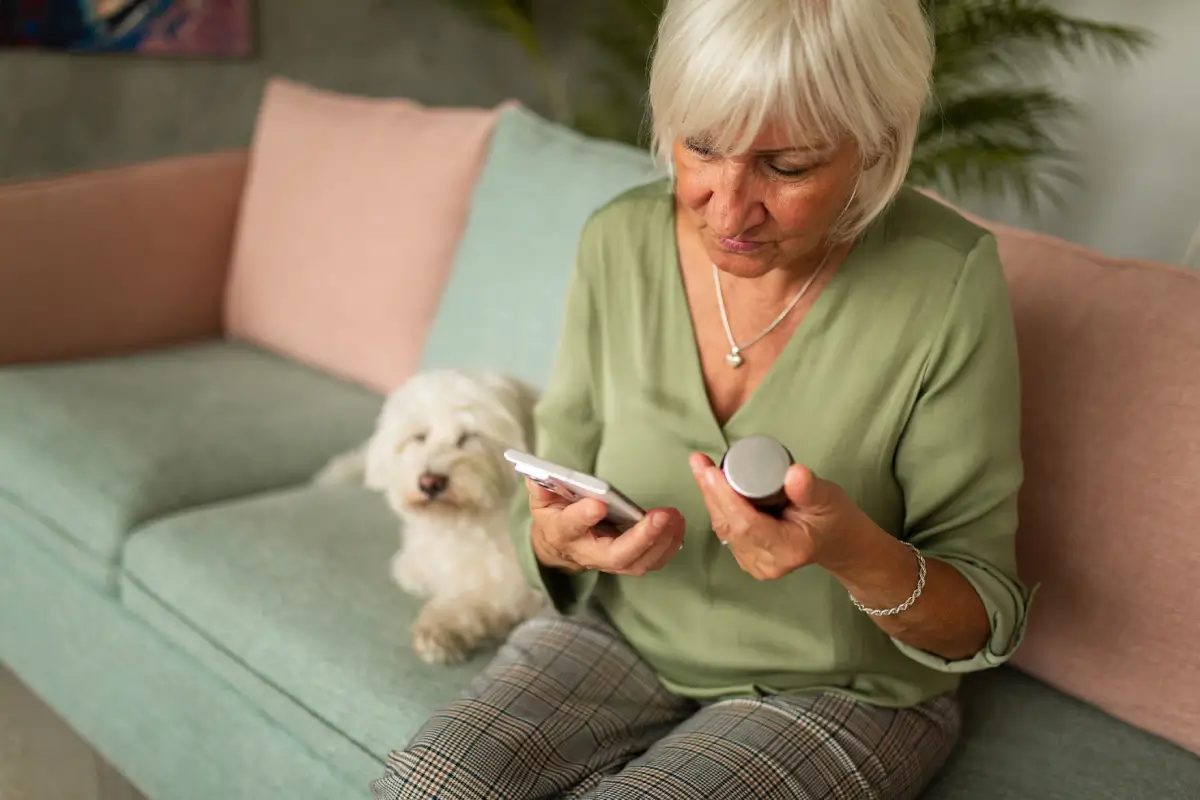
Self-diagnosing and treating your dog’s eyes with human eye medications (HEM) can be dangerous, and even fatal. Eye issues can be indicative of various underlying conditions. Using HEM (or any eye medication) without a proper veterinary diagnosis can mask the symptoms, leading to delays in accurate treatment and potentially worsening your pet’s condition.
When our furry family members suffer from eye problems, it’s natural for pet parents to seek quick and inexpensive remedies. Often, we might consider using HEM we already have to alleviate their discomfort. However, this should never be done without first checking with your veterinarian. Some HEM are perfectly OK to apply to dog eyes, while others are not.
Not all eye drops and ointments are created equal. Just because eye medications come in very small bottles and tubes does not make them safe. One type of eye medication should not be assumed to be the same as another. While this is common sense, it is unfortunately common for pet owners referred to a veterinary ophthalmologist to tell the doctor that they don’t recall what eye medications have been given. Instead, they will say “It was some kind of eye drop”, as if that clarifies to the doctor what medication was given. This does not help at all!
Human eye medications are designed for the human eye. Dog eyes have both similarities and differences from human eyes, including their responses to medications. Dogs are not small humans. For example, one drop of a glaucoma medication can cause or increase the risk of cardiovascular emergencies such as heart block in dogs. It is crucial to understand the potential risks of using HEM to treat eye issues in dogs.
When Is It Safe to Use Human Eye Medications for Dogs?
While the safest option is to use eye medications specifically formulated for pets, this is impractical because most eye medications are designed and approved only for human use.
Two very important points:
-
Sometimes a pet parent and their dog end up being prescribed the same eye medication by their respective doctors! Besides not treating your dog with HEM that were not prescribed for your dog, do not be tempted to apply your medication to your dog’s eye(s) and vice versa. Bacterial contamination can occur, and/or a break in sterility of the drug.
And while pet owners often ask veterinarians to write prescriptions for their pet’s eyes that the pet owner’s health insurance covers, this is not possible. Veterinary prescriptions cannot substitute for prescriptions by physicians.
-
ALWAYS keep prescription eye medications in child-proof containers! Some eye medications are toxic and even fatal if the contents of the bottle or ointment tube are ingested. Children like to mimic adults, including treating a pet’s eye.
Many eye medications can be absorbed into the body via skin contact, which can also result in adverse side effects. And many dogs like to chew medicine containers. Every veterinary ophthalmologist has stories of panicked owners calling their clinic to ask if an eye medication is poisonous, because their dog chewed on an ointment tube or dropper bottle—or even ate it!
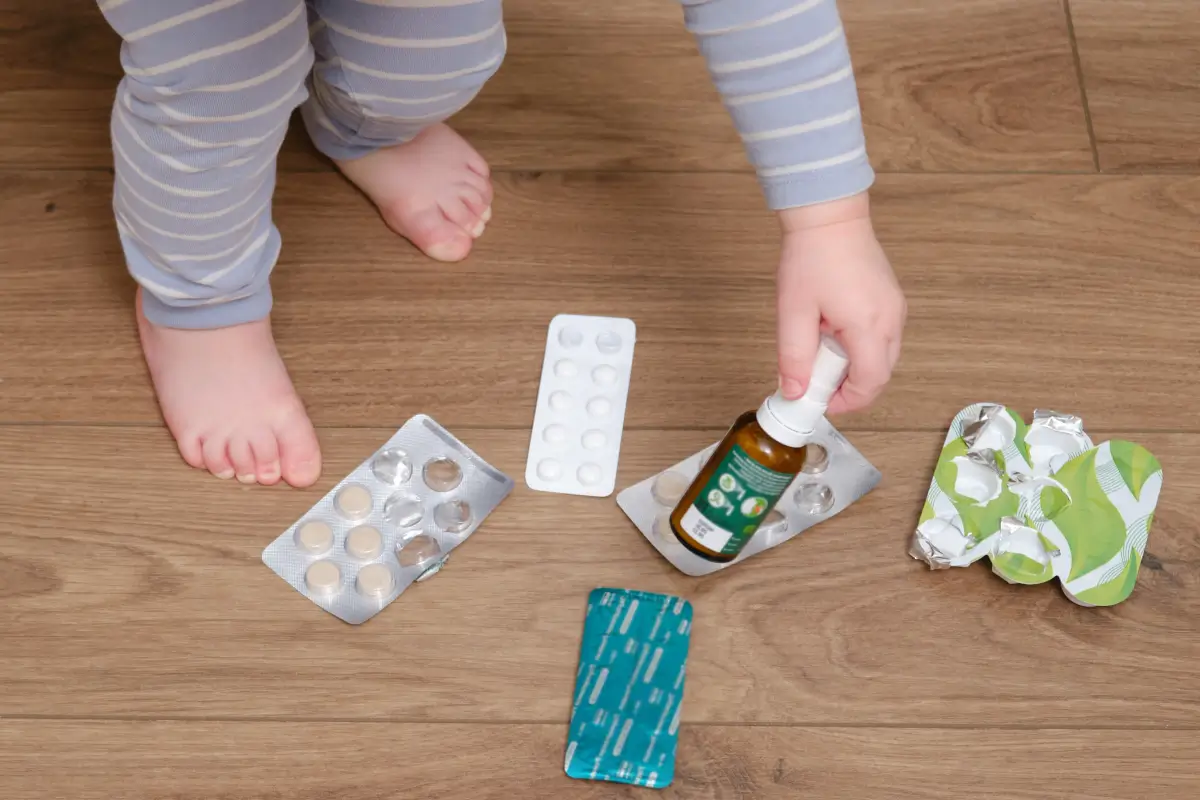
For safe storage of your medications, and for your dog’s eye medications, consider a lockable medicine cabinet for you, and lockable containers for your pet’s medications, including refrigerated medications.
These lockable bags can be used to store pet drugs that require refrigeration:
Why Don’t Pharmaceutical Companies Create Drugs Specifically for Dogs?
The answer is that they do, but not at all to the degree that veterinarians and pet parents would prefer. There are many reasons for this, the primary one being financial:

-
Market Size and Economic Considerations: The market for pet-specific drugs is much smaller compared to human drugs, so there is less financial incentive for companies to invest in the extensive research and development needed to bring new veterinary drugs to market. Developing a new medication, including research, drug trials, and obtaining regulatory approval, is a costly and time-consuming process.
-
Cost: Pharmaceutical companies are well aware that the retail cost of a veterinary eye drug cannot be set at the high retail cost level that humans in the U.S. pay for many of their eye medications. Most of us do not see what the cost of our medications really is, as we don’t typically pay the retail price out of pocket because our health insurance covers all or some of the cost. This is not the case for most pet parents: only 1% to 2% of the over 89 million dogs in the U.S. are covered by pet health insurance. So 98% to 99% of pet parents potentially pay full price for prescription medications for their pets—including HEM that their veterinarians may have prescribed.
-
Regulatory Hurdles: The process of getting veterinary drugs approved by the FDA (U.S. Food and Drug Administration) in the United States or the EMA (European Medicines Agency) in Europe is stringent. These regulations ensure the safety and efficacy of the drugs. However, the complexity and cost of meeting these requirements can block companies from ever considering developing new veterinary drugs.
-
Complexity of Animal Pharmacology: Animals have different physiologic and metabolic processes compared to humans, and there can be significant variation among different species. This makes it challenging to develop drugs that are safe and effective across different types of animals. The variation in size, breed, and species means a medication that works for one might not work for another, increasing the complexity of developing universally safe and effective treatments.
-
Off-Label Use of Human Medications: Veterinarians very commonly use human medications off-label for animals. This practice is legal when no suitable animal-specific alternative is available. In fact, most ophthalmic medications for dogs are HEM because there are no or very few veterinary alternatives. This allows veterinarians to prescribe existing human drugs, which reduces the demand for the development of new veterinary-specific medications.
-
Research Challenges: Conducting clinical trials in animals presents unique challenges, including ethical considerations, recruitment of animals, and ensuring the trials are conducted in a way that yields reliable data. These challenges can slow down the process of developing new veterinary drugs. Many eye diseases in dogs and cats are poorly understood and also difficult or impossible to reproduce to study in a research setting.
-
Limited Demand: While there is a clear need for dog-specific eye medications, the demand might not be as high or as urgent as in human medicine. This is partly because some conditions, while treatable, might not be seen as critical to the animal’s overall well-being by pet owners, influencing the demand for specific treatments.
Before diving into HEM, let’s cover what happens to an eye drop after it is applied to an eye:

-
The average size of an eye drop is 50-70 ul. (A ul is a microliter, which is one-millionth of a liter. 1000 ul = one ml. One teaspoon = five mls).
-
The average volume of tears that the surface of a human eye can hold is 7.5 ul. That means that an eye drop is 7x larger than what the surface of a human eye can hold!
-
The average volume of tears that the surface of a dog eye can hold is 65 ul, which is 8x greater than that of human eyes.
Therefore, when a drop is applied to a human eye, most of the drop ends up overflowing onto the face because the surface of the eye cannot hold that volume of drop, which is why we need to blot our eyes with tissue after applying drops

When a drop is applied to a dog’s eye, most if not all of the drop can be held on the surface of the eye (accounting for anatomic variations—e.g., the surface of a Great Dane’s eye will hold more volume than the surface of a Chihuahua’s eye). This also means that only one drop is needed—not two or three!
Applying two or more drops to the surface of a dog’s eye just wastes the second and subsequent drops as they will overflow onto the face.
What happens to the portion of eye medication (drop or ointment) that stays on the surface of the eye? Some of it is absorbed into the cornea and some into the conjunctiva, and some drains out the tear duct.
As the drug passes through the tear duct (slower passage in ointment form), some of it is absorbed into the body through the wall of the tear duct. Once the remaining portion reaches the end of the tear duct and out into the nasal cavity, some of it is absorbed by the nasal mucosa (lining of the nasal cavity), some is sneezed out, some is licked off the nose to be swallowed, and some is drained into the back of the throat to be swallowed.
In fact, if an eye drop tastes bad, dogs can potentially taste it after application to the eye, and react to that taste.

Therefore, when an eye medication is applied, some of the drug will be absorbed by the body. Many factors determine how much drug is absorbed, and whether or not that amount will be toxic to that animal.
One basic factor is whether a drop was applied or an ointment. Ointment sticks to the eye longer, so more of a drug is delivered to the eye and conjunctiva than with a drop.
Please click here to read Can I Give Human Eye Medications to My Dog?: Part 2 which covers the following:
-
How the differences between dogs and humans increase the risk of toxicity from HEM in dogs
-
The risks of using HEM in dogs
-
The most toxic HEM for dogs
-
And the rest of Chester and Ian’s story!
Advertisement
Conclusion
If your dog has something wrong with its eye and you have human eye medications in your home that were not prescribed for your dog, do NOT be tempted to treat your dog with these medications! It is fraught with risks and potential complications and would be like giving any random pills you find in your medicine cabinet to your sick pet.
While it may be tempting to use HEM on dogs without veterinary guidance, it is unsafe and can lead to serious complications. Dogs have specific needs when it comes to eye care, and what works for humans may not be suitable for dogs.
The anatomic and physiologic differences between humans and dogs necessitate always consulting with a veterinarian for the correct diagnosis and treatment of an eye condition, which often requires referral to a veterinary ophthalmologist.
Regular check-ups can preemptively address potential eye issues, ensuring early intervention and reducing the likelihood of emergency situations where you might be tempted to search through your medicine cabinet for a suitable eye medication for your dog.
By understanding the unique requirements for maintaining your dog’s eye health, you can help them have their best quality of life by ensuring they receive the best eye care. And always remember to keep eye medications out of reach of children and pets, in child-proof containers.


By Terri L. McCalla BSc, DVM, MS, Diplomate ACVO
Dr. Terri McCalla Dr. McCalla received a BS in Animal Health Science from the University of Arizona, followed by her DVM degrees from both Oregon and Washington State Universities in 1984. She completed a 3 year residency in Comparative Ophthalmology from the University of Missouri and became board-certified in the American College of Veterinary Ophthalmologists (ACVO) in 1989.