 Pet News

Summary
Feeding your cat a balanced and nutritious diet is one of the best ways to ensure their health and happiness. This article will help you understand the dietary needs of cats, how diet affects their health, and how choosing the right supplements and foods through their various life stages can improve their longevity and well-being. When you know what to feed and when to feed it, you can help your cat live a long, healthy, and happy life.
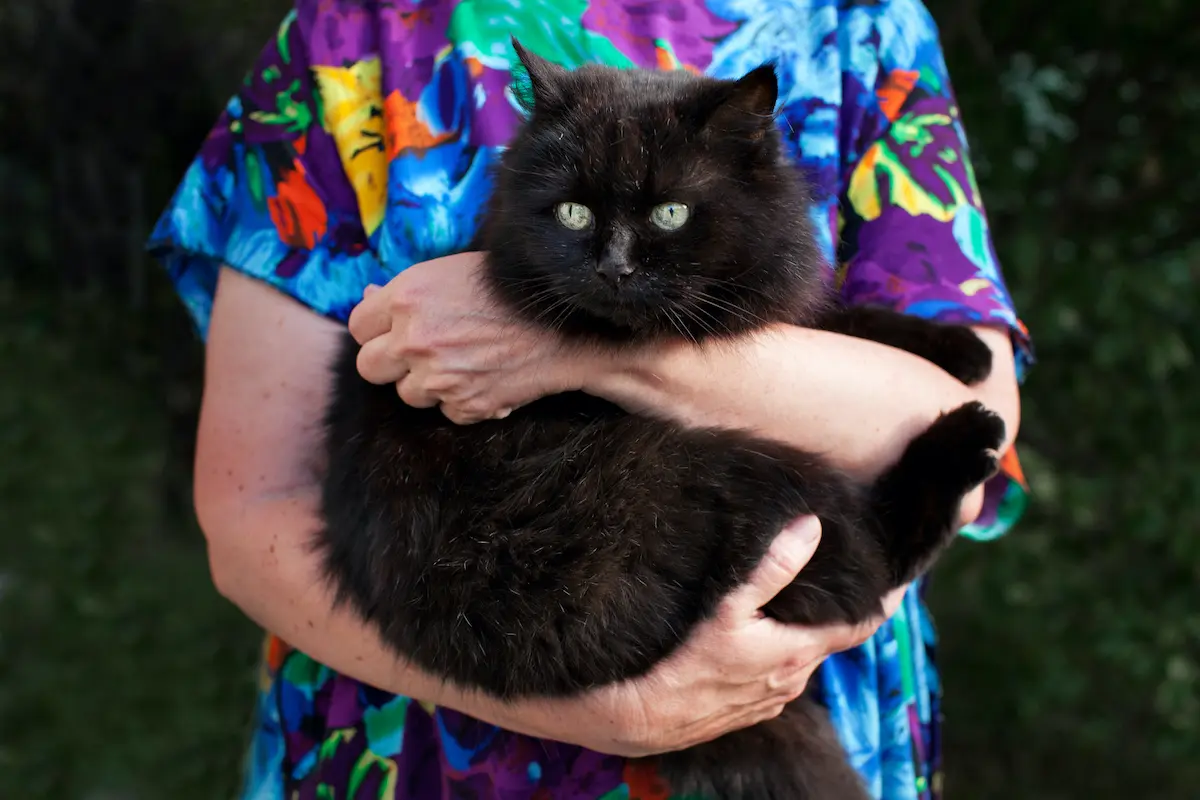
It was a misty morning when Ms. Ellis walked into my clinic, her arms cradling a timid black cat. The cat’s coat was dull and coarse, a stark contrast to the sleek appearance typical of well-nourished felines.
She was quickly ushered into an exam room so her nervous kitty could have a quiet place to wait for her examination.
“Dr. Mueller,” Ms. Ellis began, her voice a mixture of hope and concern, “I found this little one behind my shop a few weeks ago. She was nervous at first, but now she’s settling in.
She started out in my garage, but now she’s in the house and I can hold her in my arms.”
I looked at the cat, who gazed back with cautious, wide eyes. Her fur revealed signs of nutritional deficiency, including slight dandruff and a lack of shine. I smiled warmly at Ms. Ellis, admiring her compassion.
“You’ve done a wonderful job caring for her,” I said. “It’s no small feat to bring in a stray and earn their trust.” As I gently examined the cat, I inquired, “What have you been feeding her?”
“Well,” Ms. Ellis admitted, “I’ve been giving her the least expensive dry food I could find at the grocery store. I’m on a budget, so I hoped it would be enough.”
Nodding, I continued my assessment, noticing a small tattoo on the cat’s abdomen—a sign she had already been spayed, as well as her clean teeth, which suggested a young age. “Overall, she’s in decent health and free from external parasites,”I explained. “But her skin and coat could definitely benefit from a more nutritious diet. Switching to premium, age-appropriate cat food will help improve her skin and coat health, and overall health in just a couple of months.”
I assured Ms. Ellis that she didn’t have to break the bank. “Our staff can help you find an option that fits your budget, or you can explore some high-quality choices at your local pet store.” With a little dietary adjustment, I was confident this beautiful stray would soon sport a glossy, healthy coat, free from dandruff, and be full of life.
We went on to talk about what her veterinary needs would be if Ms. Ellis decided to keep the kitty. She assured me that that was her intention, and that she would like to see what was needed for her veterinary care. We even talked about what pet insurance might cost.
That day, Ms. Ellis and her lucky black kitty left the clinic with a small bag of premium adult dry cat food and a few cans of the same, a flyer about pet insurance, and a smile.
She was sure that she could budget for both of their needs, including an appropriate diet and veterinary care, if she planned ahead.
She knew she was good at that, just as she was good at taming her new feline friend that she carried home in her arms.
Introduction
Ensuring your cat has a nutritious diet is vital for their well-being. A cat’s diet affects not just their general physical health but also their energy levels, teeth and coat condition, and longevity. Understanding what felines naturally eat in the wild, how their food impacts their health, and tailoring their diet according to age specifications can help you provide the best care for your feline friend.
Advertisement
What Do Felines Naturally Eat in the Wild?
Cats are obligate carnivores, meaning their diet is almost exclusively composed of meat. Their natural diet includes small mammals, birds, and their bones and organ meat, as well as insects.
Dietary proteins are necessary for muscle development and repair, while fat provides a concentrated source of energy, and aids in the absorption of fat-soluble vitamins.
An important point to note about wild animals, including cats, is that they generally eat their entire prey, except for the hair and feathers, so they gain nutrients from the entire body.
Internal organs, particularly the liver, are rich in vitamins and minerals. These nutrients are vital for metabolic processes, immune function, and overall vitality.
Especially important for cats is the amino acid taurine, which is essential for heart and eye health, as well as other body processes such as cognitive function, and is present in different amounts in different muscle fibers of various animals.
Stomach contents of herbivores provide cats with grains as well as fibrous plant materials for efficient digestion.
How Diet Affects Your Cat's Health
What you decide to feed your cat will affect their health and influence all their organ systems over time. Therefore it is important to make the best informed choices that you can.
Dental health: Feeding a high-quality kibble diet, or a combination of kibble and canned food, helps to prevent tartar, whereas feeding only canned food tends to allow more tartar buildup.
Feeding special diets formulated to prevent plaque, and chewing on specifically designed dental chews can slow or prevent plaque buildup and help clean teeth.
Poor oral hygiene can lead to periodontal disease, which can cause systemic health issues, including heart and kidney disease. (See our PetHealthHarbour article Periodontal Disease in Cats).
It is important to combine dental home care with a high-quality diet to provide your cat with the best dental health possible. (See our PetHealthHarbour article How to Brush Your Cat’s Teeth).
Coat and Skin: A diet rich in omega-3 and omega-6 fatty acids, found in fish and flaxseed, help keep your cat’s coat and skin healthy and shiny.
Omega-3 fatty acids, such as EPA and DHA, have anti-inflammatory properties that can help prevent itchiness and dandruff. High-quality diets will usually include fairly high levels of omega-3 and omega-6 fatty acids.
Energy Levels: High-quality diets will provide appropriate protein that sustains energy and helps maintain muscle mass.
Protein intake allows for the production of enzymes, repair of tissues, maintenance of lean body mass, and regulation of hormones (see “hormone”). It is important to provide the appropriate level of protein for the current life stage of your cat.
Digestive Health: Despite being carnivorous, cats do benefit from eating some plants. Small amounts of grains and fibrous plant material actually help their digestion, particularly by providing bulk to their stool.
This helps them have regular bowel movements and helps prevent constipation, which can be a serious problem in some cats, especially if they become overweight.
Immune System: A high-quality diet provides vitamins and minerals that helps keep the immune system strong. Keep your food in a well-sealed container and don’t feed it past its expiration date to be sure the vitamins are still effective.
Certification for Cat Foods
Agency certifications or statements can provide assurances regarding the nutritional adequacy, safety, and ethical sourcing of ingredients in the food.Each certification may have specific requirements related to ingredient sourcing, manufacturing processes, nutritional content, and sometimes animal welfare standards.
In the United States, the AAFCO (Association of American Feed Control Officials) certification requires that foods must meet nutritional adequacy standards, either through formulation to AAFCO nutrient profiles or through feeding trials.
The FDA (Food and Drug Administration) ensures that pet foods are safe, properly labeled, and manufactured according to good practices. The FDA monitors for compliance but does not certify.
The USDA (United States Department of Agriculture) applies primarily to organic pet foods, and requires that foods must meet USDA organic standards for ingredients and manufacturing processes.
Internationally, the Global Animal Partnership (GAP) focuses on animal welfare standards, ensuring that the treatment of animals in the supply chain meets specific ethical criteria.
In Europe, the European Pet Food Industry Federation (FEDIAF) sets nutritional guidelines and labeling requirements for pet food manufacturers, ensuring products meet safety and nutritional adequacy standards.
In Canada, the Canadian Food Inspection Agency (CFIA) ensures that products are safe and nutritionally adequate, following Canadian pet food regulations.
Advertisement
Dietary Needs at Different Ages
Kittens
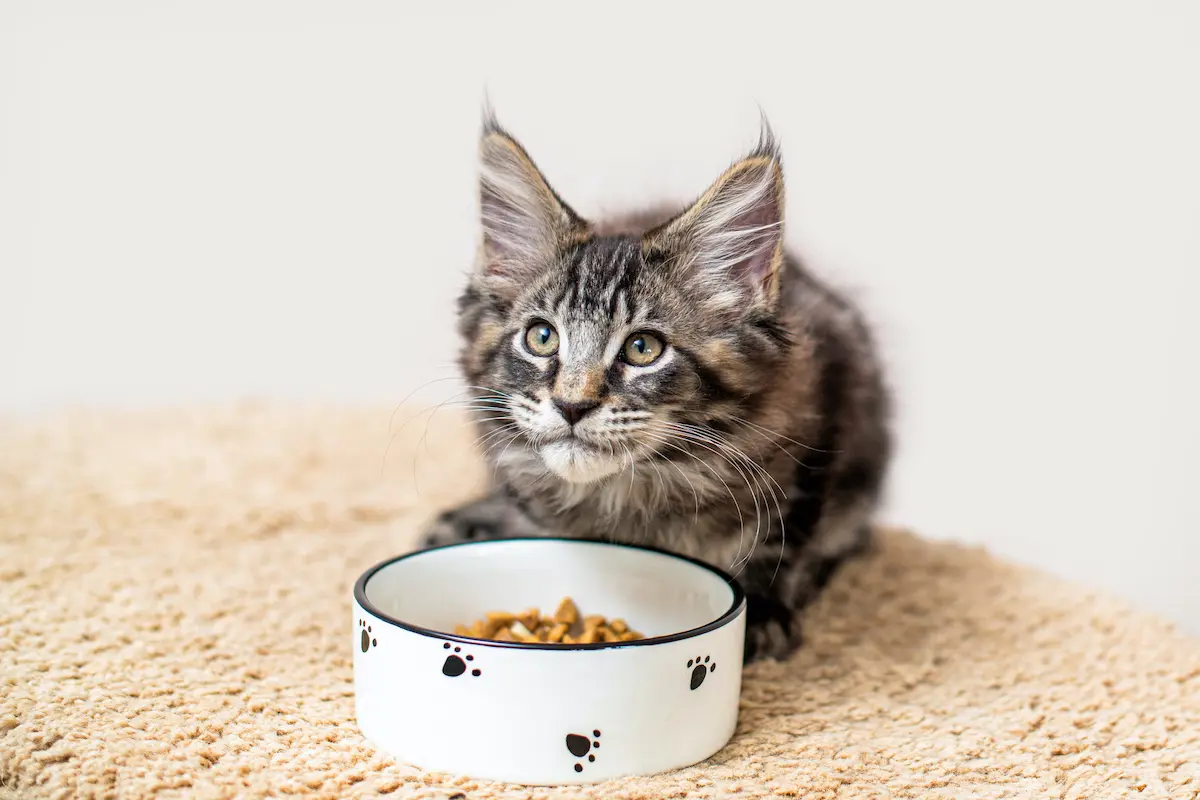
Kittens need to be fed kitten food rather than adult cat food, primarily because they grow very quickly and have higher protein demands.
Kitten kibble is also designed to be more appropriately sized for their small mouths. Buy the best quality kitten food that you can afford, to give your kitten the best chance at healthy growth.
Calcium is important for your kitten’s growth, and a good commercial diet will provide enough calcium for them. The calcium and phosphorus ratio is also important for healthy growth of strong bones.
Do not supplement with foods like milk and cottage cheese, since doing so can cause an imbalance in this ratio. It can also cause diarrhea in some kittens.
Omega-3 fatty acids, particularly DHA, are important for brain development. Feeding high-quality kitten food will provide adequate omega-3 fatty acids for your kitten, so you will not need to supplement them.
Your kitten will do fine on kibble, canned, or a combination of both. Kibble tends to be less expensive than canned, and dental tartar tends to build up slower with cats fed kibble rather than canned.
However, some people prefer to feed only canned food, which is fine when using a high-quality brand combined with good dental home care.
Recommended Products:
- Royal Canin Kitten: This product is rich in proteins and includes DHA for brain and eye development. It also contains prebiotics for digestive health. One advantage to this brand is that it comes in stages appropriate for growing kittens, and the 4th stage of kitten food allows for the decreased metabolism of kittens that have been spayed or neutered (see “spay and neuter”).
- Hill’s Prescription Diet Kitten: Formulated with high-quality ingredients, it supports healthy growth and development in kittens. It’s routinely tested to be sure that ingredients and nutrients are consistent with what is reported on the label.
Adult Cats
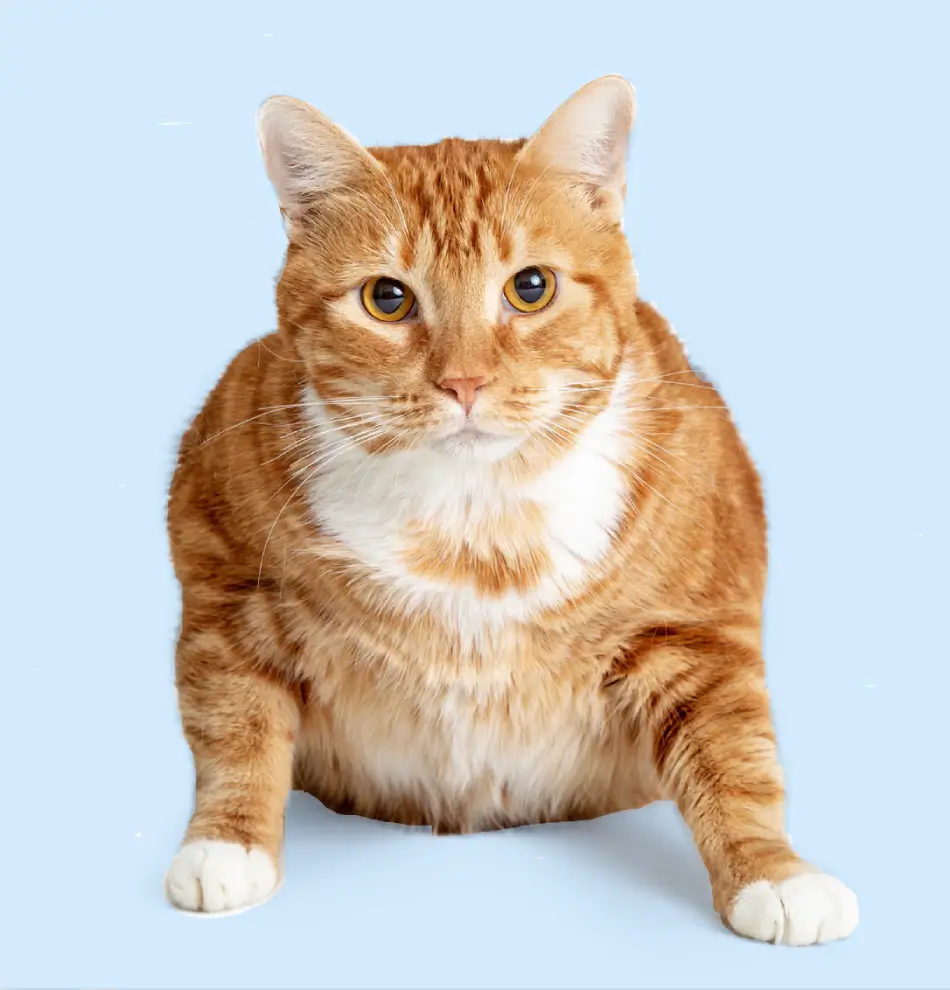
Adult cats need a high-quality, moderate protein diet for maintenance through this phase of their life. For those cats that are putting on weight, their diet can be adjusted by shifting to a lower-calorie diet, which usually adds more fiber for increased satiety.
For busy, energetic cats, continuing to feed a regular adult diet might be appropriate.For cats that develop urinary crystals, changing to a prescription diet is usually necessary in an effort to prevent crystal or bladder stone formation.
The dietary needs of cats that develop other metabolic issues such as diabetes will be discussed in other articles. (See the PHH article Feline Diabetes Mellitis).
A high quality adult cat food will provide good protein sources to support lean muscle mass and sustained energy, as well as healthy skin, proper vision, and a healthy immune system.
Chicken, beef, and fish are often included for their amino acid (see “amino acids”) profiles and digestibility. Amino acids function to help our bodies grow and repair tissues, maintain immunity, and produce hormones.
Sometimes other protein sources which are novel to the cat, such as duck or kangaroo, are used if food allergies become a problem.
Fats are provided for energy and coat health. Essential fatty acids are needed for cellular functions and maintaining healthy skin and a shiny coat as well as hormone production.
Carbohydrates in small amounts offer quick energy as well as fiber, aiding in digestion and gut health. Brown rice and barley are excellent whole grain sources of vitamins, minerals, and fiber.
Recommended Products:
- Purina Pro Plan Complete Essentials: This product offers balanced nutrition withhigh-quality ingredients, including chicken and rice. It supports lean muscle maintenance, and provides omega-3 fatty acids for healthy skin, a shiny coat, and bacteria for a healthy gut.
- Blue Buffalo Tastefuls Adult: Rich in proteins and fats, this formula is ideal for active cats. It includes premium protein sources like deboned chicken and fish, along with fruits and vegetables, grains and antioxidants, for added nutrients and good digestion.
Senior Cats
Senior cats have entered their golden years and are often becoming less active. Most senior cat diets have lower calories due to their decreased caloric demand.
Reduced caloric intake helps prevent obesity and metabolic diseases, particularly diabetes. Because most cats over the age of eight years old have developed some arthritis, it is also important to prevent weight gain to help minimize pain in their joints.
A note about your older cat–even if your cat is not able to jump and play like they used to, try to engage them with light play and cognitive games like puzzle toys.
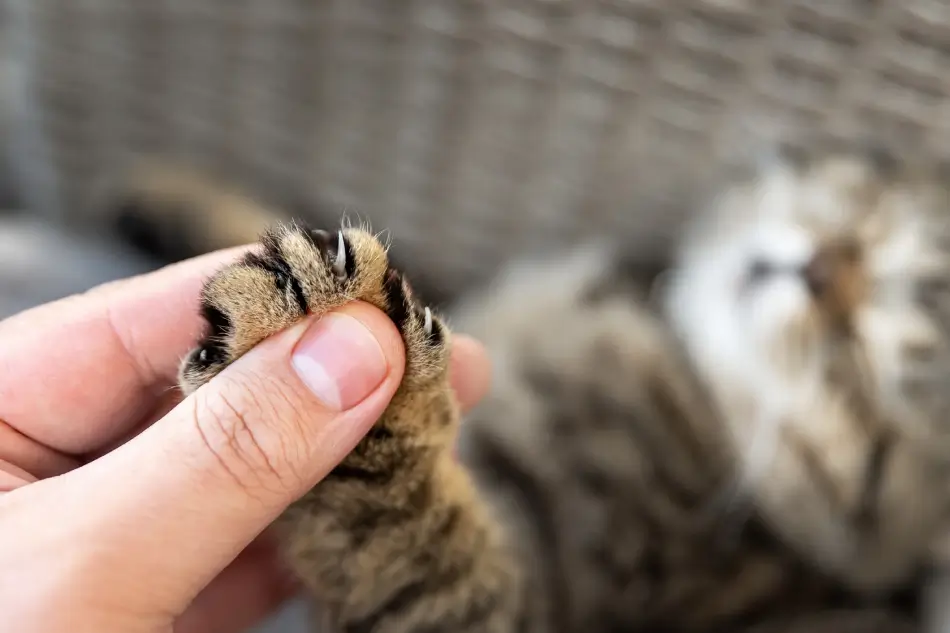
Pay special attention to their toenails, trimming them at least monthly to prevent ingrown nails, since they may not be using the scratching post and removing the claw sheaths like they did when they were younger. (See the PHH article How To Trim Your Cat’s Nails)
High quality diets may have some glucosamine and chondroitin included to support joint health. Glucosamine helps repair the joint cartilage for healthier and more comfortable joint surfaces, and chondroitin sulfate inhibits enzymes that break down cartilage.
Working together, they help the joints be healthier, function better, and be less painful. If possible, choose a diet with these supplements included.
Antioxidants neutralize free radicals, which protect cells from damage and support cognitive health. Supplementing with vitamin E and beta-carotene can help delay the onset of age-related cognitive decline in cats. Check the expiration date to be sure the antioxidants are still effective, and keep your food in a well-sealed container for maximum freshness.
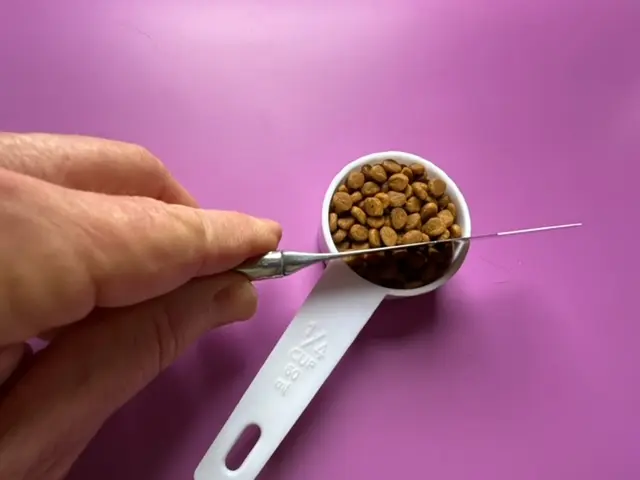
If your senior cat is overweight, you may be able to switch to a lower calorie version of the senior diet that you currently feed. Alternatively, switching to a slightly smaller scoop is another effective tactic. For example, if you are currently feeding ½ cup of kibble a day, switch to a ⅓ cup scoop and divide this portion into the AM and PM feeding. A third option is to switch to the canned version of the food which contains fewer carbohydrates than the kibble form.
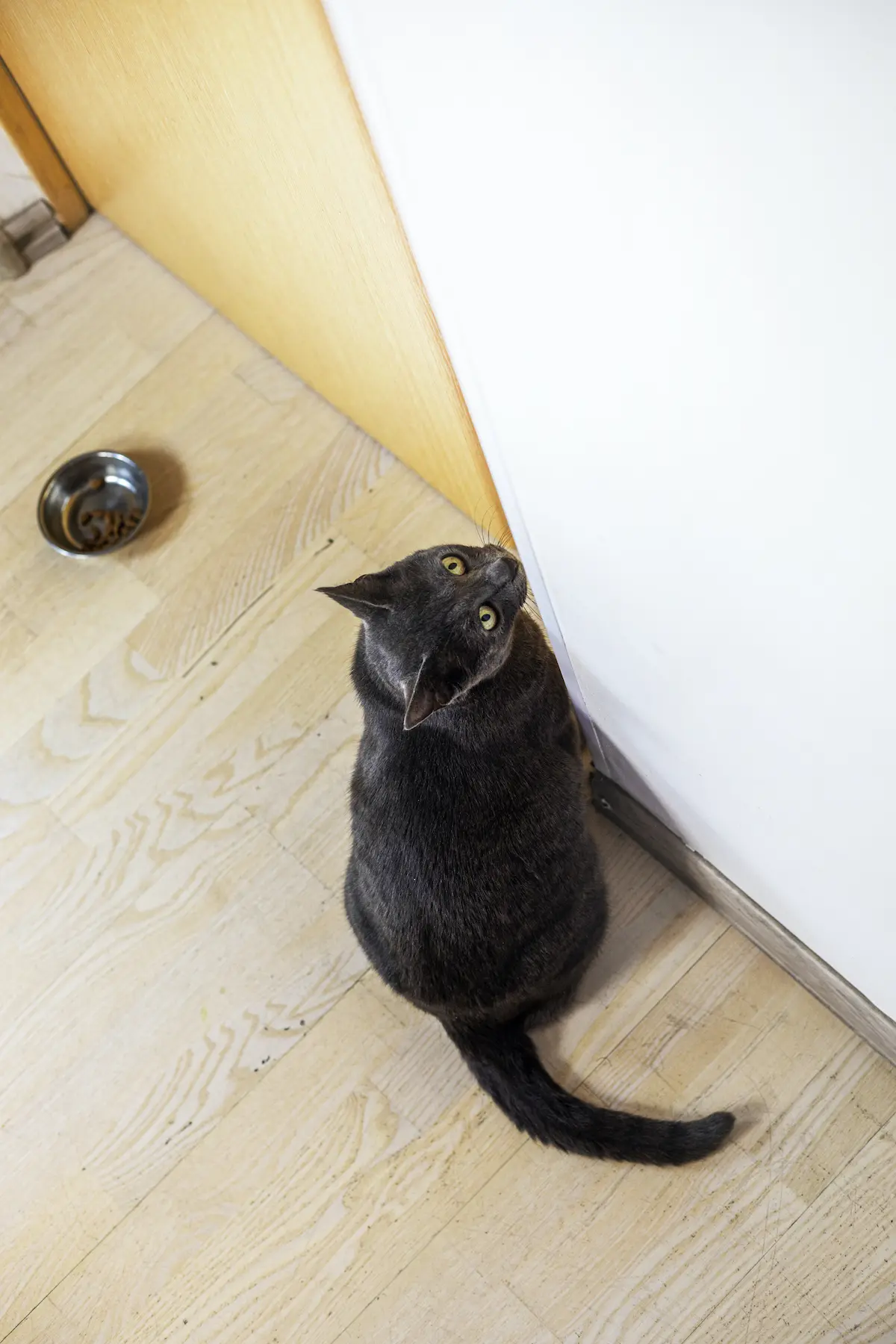
If you have several cats and one is overweight while the others are not, there are two fairly good options to control the intake of the overweight cat. The first option is to: feed your overweight cat separately from the others, usually in a different room with the door shut.
At meal time, feed all the cats, and give everyone ½ hour to an hour to eat, then take up everyone’s food. Put all the dishes down again in the evening, and repeat. The cats will quickly learn what mealtime means. If any stragglers really need extended mealtime, that cat may have its own meal in a separate room.
Do this every day, every time. There will be complaints and frustrations at first, but you will be successful. It is the same if one of your cats requires a special diet. You will have success if you stick with it.
The second option to control an overweight cat’s access to food when there is more than one cat is to use electronic feeders for the other cats. Typically, the automatic cat feeder opens when the assigned pet’s microchip ID approaches, and closes when the pet walks away after eating. So everyone except the overweight cat can eat at will. Although it may be expensive to get started with this program, it is not as expensive as diagnosing and treating a chronic disease brought on by obesity.
Recommended Products:
- Blue Adult Cat 7+: Contains controlled minerals for bladder health, fiber for digestion, antioxidants to support the immune system, and tailored nutrition for aging cats.
- Hill’s Science Diet Adult 7+ Chicken Recipe: Hills also offer several versions specifically for indoor cats and those over 11 years. Formulated with high-quality ingredients and enhanced with antioxidants and omega-3 fatty acids to support cognitive health and maintain overall vitality in senior cats.
About Food Bowls and Feeding
Some cats are allergic to plastic, which typically manifest as chin acne or sores on their face and chin. Therefore it is best to use materials other than plastic for their food and water bowls. The following types of bowls should be fine for most cats:
- Glass or Pyrex
- Stainless Steel
- Ceramic
As cats age, the majority develop some arthritis in their spine and elbows. Thus they may be more comfortable eating and drinking from raised bowls.
Another consideration is whisker fatigue. Because cats have incredible sensitivity in their whiskers, small bowls can be irritating to their whiskers and thus their nervous system. Recently there has been a trend to offer wider bowls to cats to allow their whiskers room to move freely while they are eating.
Recommended Products and Supplements
Dental health can be challenging for pet owners, but it is vital to address, for the overall health of our feline friends. It is important to try to prevent periodontal disease, which can affect the heart and kidneys and result in loss of teeth.
Do your best to teach your kitten to have their teeth brushed. (See our article mentioned above for help). Use an enzymatic toothpaste that helps prevent plaque and tartar formation, and is safe to be swallowed.
If your cat won’t allow brushing, try to rub their teeth with gauze or finger socks if you safely can, and at the very least, give dental chews such as Greenies, which can help prevent dental tartar.
When cats need help for their coat and skin, usually Omega-3 and Omega-6 Fatty Acids supplements are recommended. They are indicated in most cases of dull, dry coats or flaky skin, and are rarely contraindicated. They help with itching, inflammation, and allergies, and help prevent dryness and irritation. There are several main sources of omega fatty-acids: fish, algae, and flaxseed. Although cats must eat meat as their primary diet source, it is fine to choose a non-meat supplement, so those who prefer to choose a vegetarian or vegan supplement can do so.
As cats age, most will benefit from joint supplements because the majority will develop arthritis in some of their joints. Oral glucosamine and chondroitin (usually sulfate) are the most beneficial oral joint supplements commonly given, and the combination is available in sprinkle caps, liquid, and soft chews.
Together they promote cartilage repair, reduce inflammation, and improve joint health while reducing cartilage degradation. Oral glucosamine and chondroitin should be given daily for life in older cats with arthritis, as they give the joints what they need for microscopic daily repair to help prevent pain. They also help the joint fluid be healthier and more shock-absorbing and lubricating so the joints are more comfortable.
Another commonly given oral joint supplement is MSM (methylsulfonylmethane). MSM is a natural anti-inflammatory compound that supports joint health and mobility. It helps reduce pain and inflammation associated with arthritis. Be careful, however, as MSM is very inexpensive, and sometimes companies will add MSM to products and reduce glucosamine (the expensive component) for the same price. It is better to add MSM than to take away glucosamine so always try to purchase pet food containing as much glucosamine as possible regardless of the amount of MSM.
Advertisement
Conclusion
Feeding your cat mindfully is one of the most important things you can do for their overall health. Choosing a high quality, balanced diet is a cornerstone to any overall wellness plan. Working with your veterinarian and providing good nutrition will help prevent health problems and help ensure your cat a long, vibrant life. Committing to feeding healthy, nutritious food, and bonding with daily feedings, will help strengthen the relationship that you share with your beloved feline friend. Keep up the good work and enjoy the journey!

By Karen E. Mueller DVM, AVCA Certified
Dr. Mueller has over 30 years of experience in general small animal veterinary practice, feline medicine, and shelter medicine. Dedicated to preventing pain in pets and improving their quality of life, she currently has an animal chiropractic practice in Bellingham, WA. Dr. Mueller is also passionate about reducing pet overpopulation and works with high-volume, low-cost spay and neuter nonprofit programs throughout the Pacific Northwest.