 Pet News

Summary
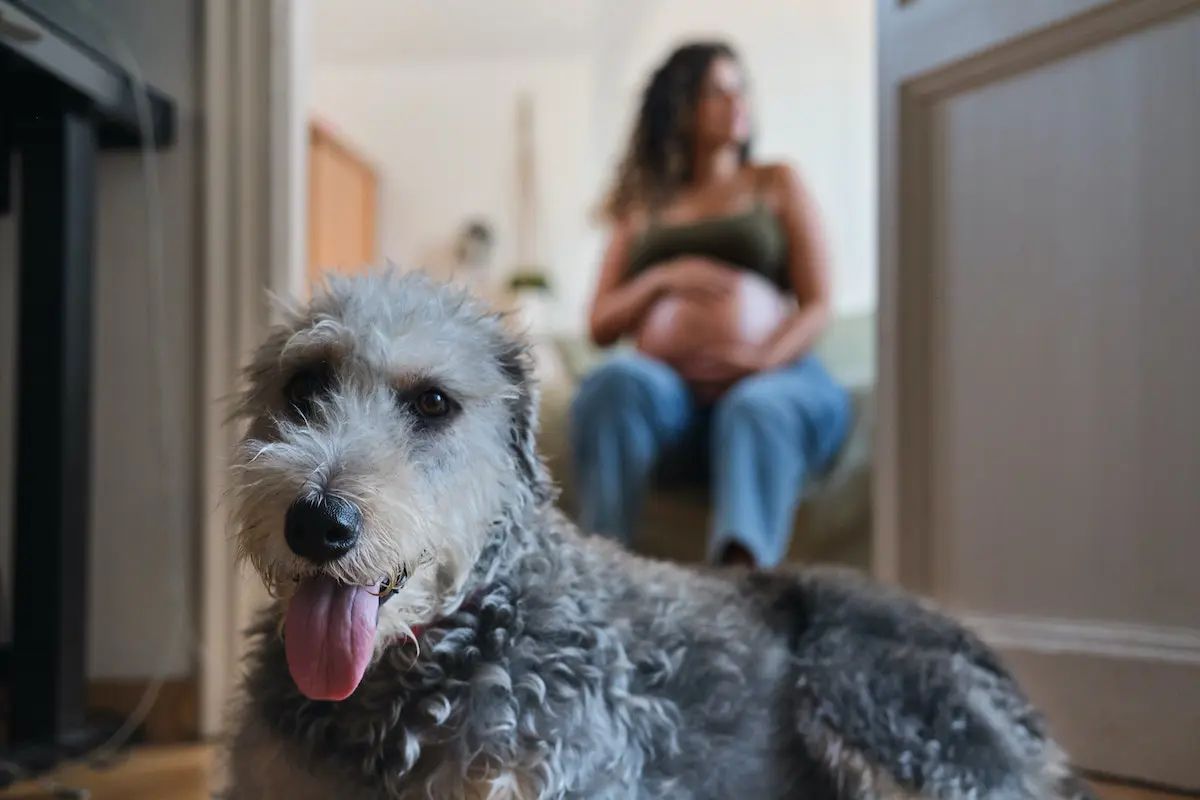
As you start thinking about growing your family, one important question may come to mind: “Is it safe to have a dog with a baby?” The answer is yes! However, ensuring both your safety and your dog’s well-being requires thoughtful precautions and early preparations.
Your dog is likely a cherished part of the family, and just like with any big life change, preparing them for the arrival of a baby is key.
Whether you already have a dog or are considering getting one, this article—the first in a three-part series—will explore essential steps to take before pregnancy to help your dog adapt smoothly to life with a new baby. By preparing early, you’ll set the stage for a harmonious transition for everyone.
As excited parents-to-be, Sarah and Matt were filled with joy about their growing family and their beloved dog, Buster, a spirited Labrador. They had one pressing concern: how would Buster adapt to their new baby? Knowing the importance of a smooth transition, they embarked on a proactive journey to prepare Buster well before the baby’s arrival.
Sarah, an avid reader, came across an informative series about “Dogs and What to Know BEFORE you are Pregnant” by Marnie Ford, which became their guiding beacon. The article emphasized the safety and benefits of having a dog around a baby, but with necessary precautions and training.
Inspired, Sarah and Matt enrolled Buster in obedience classes. They focused on commands like “sit,” “stay,” and “leave it,” which Buster mastered with enthusiasm. The trainers also taught them how to introduce Buster to baby-related items such as strollers and toys. They practiced walking next to an empty stroller and gradually introduced baby scents using lotions and powders on themselves, which helped Buster grow accustomed to new smells.
A significant step was visiting their veterinarian, who ensured Buster was in peak health and updated on all vaccinations, reducing any risk to the pregnancy. They discussed potential behavioral issues, gaining insights on maintaining harmony at home.
Introduction
So, you’re thinking about growing your family? Congratulations! You may be wondering “Is it safe to have a dog with a baby?” The answer is yes, but there are some important precautions to consider, not only for your safety, but also for your dog’s well-being. Maintaining a safe and stable environment is key when you’re pregnant and have a dog. For most women, it’s perfectly safe to continue your usual activities with your dog, if you take a few extra steps to ensure everyone’s safety.
Is Now a Good Time to Get a New Dog?
While the excitement of welcoming a new baby might inspire you to expand your family further by adopting a new pet, it’s generally wise to wait until after the baby has arrived and your household has adjusted to the new routine.
Introducing a new pet too soon can add unnecessary stress and may complicate the transition for your existing pets. Furthermore, attention dedicated to a little one can limit the attention needed by your new dog.
This can lead to unwanted behaviours that should have been nipped in the bud earlier. By waiting until your family is settled, you can ensure that both your current pets and any new pet additions will receive the attention and care they need without overwhelming you.
Advertisement
An Obedient Dog is a Safe Dog
Who says an old dog can’t learn new tricks? Whether you already have a dog or are planning on getting one, consider enrolling your dog in obedience training or refreshing their basic skills. Even if your dog has been well-trained in the past, it’s a good idea to refresh their obedience and house training if a pregnancy is in your future.
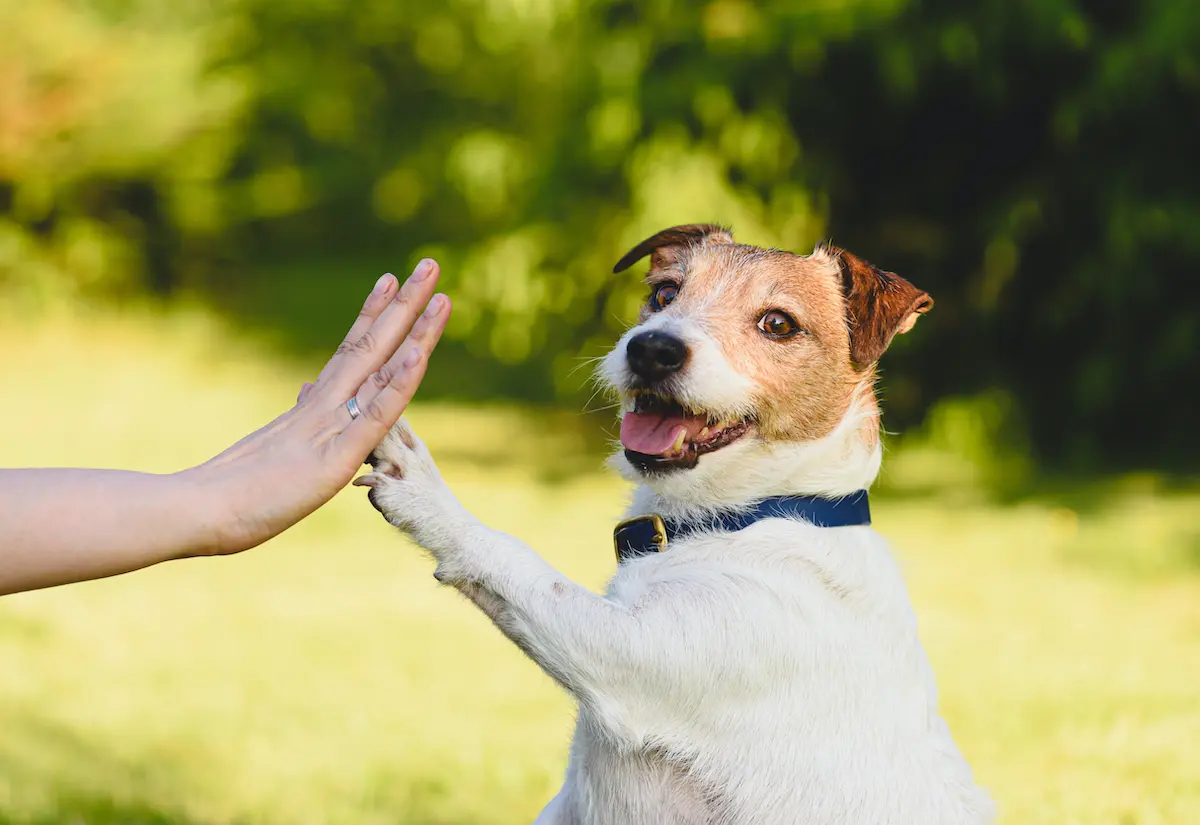
Teaching basic commands like “settle,” “sit,” “stay,” “down,” “leave it,” and consistently reinforcing them will help your dog understand boundaries and expectations in the home and are essential for maintaining a safe environment particularly when you become pregnant, or a newborn is present.
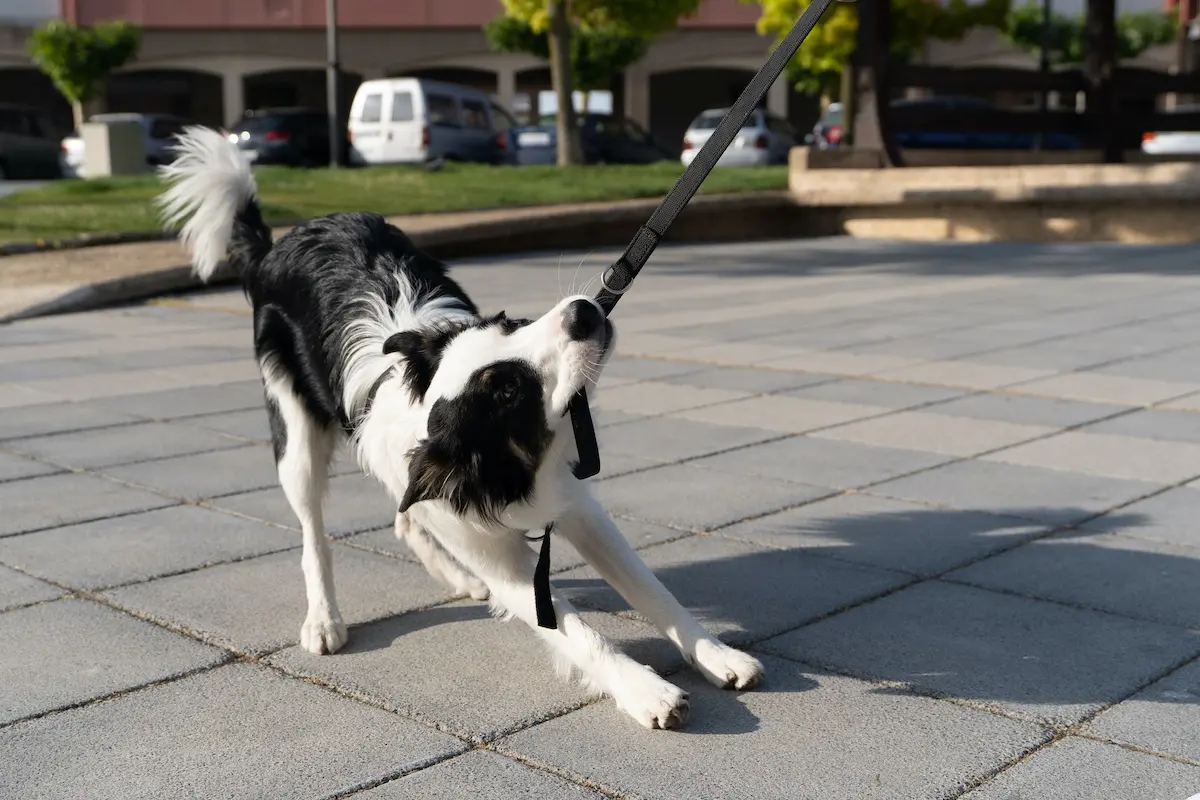
Similarly, if your dog tends to jump up on you or pull on the leash, it’s important to start training them out of these behaviors to prevent any accidents, especially as your pregnancy progresses.
Obedience training benefits not just your dog but your entire family. For you, training is a learning opportunity that can not only strengthen your bond with your dog but reinforce your role as the leader. Teaching these commands through consistent practice so they induce a predictable response takes time.
Therefore, enrolling in an obedience training class well before the arrival of your little one, and adherence to the rules after training will help your dog feel more secure and better prepared for the changes ahead.
For your dog, an understanding of expectations, routines, and commands will help them to be relaxed. Without these boundaries, dogs are more likely to exhibit behavioral issues, which could result in them being re-homed or, in extreme cases, euthanized.
Addressing any issues with inappropriate urination is also essential. Use an enzymatic cleaner to thoroughly remove any traces of urine and reinforce proper behavior by rewarding your dog when they eliminate in the appropriate place. If necessary, limit your dog’s access to certain areas of the house until their behavior is reliable again. To allow your dog to eliminate outside at all times, installing a dog door and giving them time to learn to use it can also be considered.
Safety First
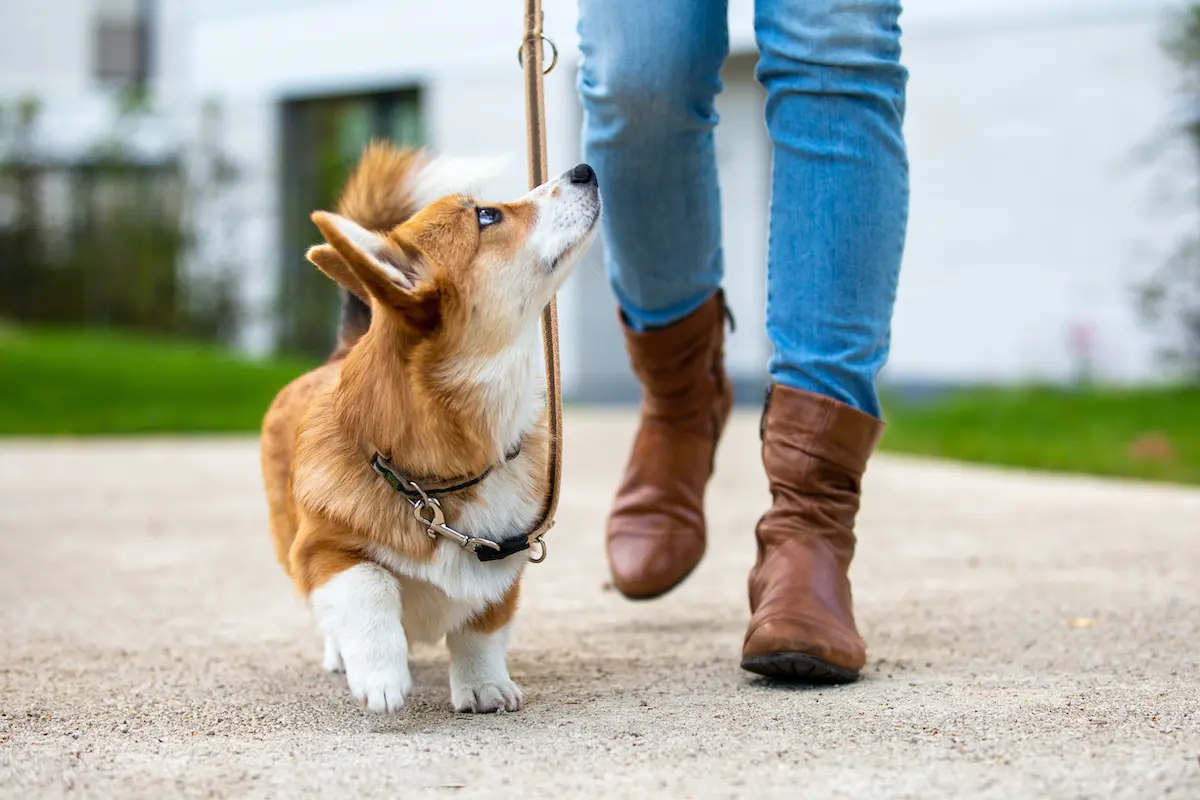
Training your dog to walk quietly next to a stroller is vital. Many dogs have never encountered a stroller before let alone had to walk next to one. They may react unpredictably to the rolling wheels, sounds of a crying baby, or the irresistible smell of a nearby treat. As a consequence, your dog may attempt to suddenly pull away or become entangled with you or the wheels. Familiarizing your dog to walking next to an empty stroller will help to minimize the potential for the challenges noted above.
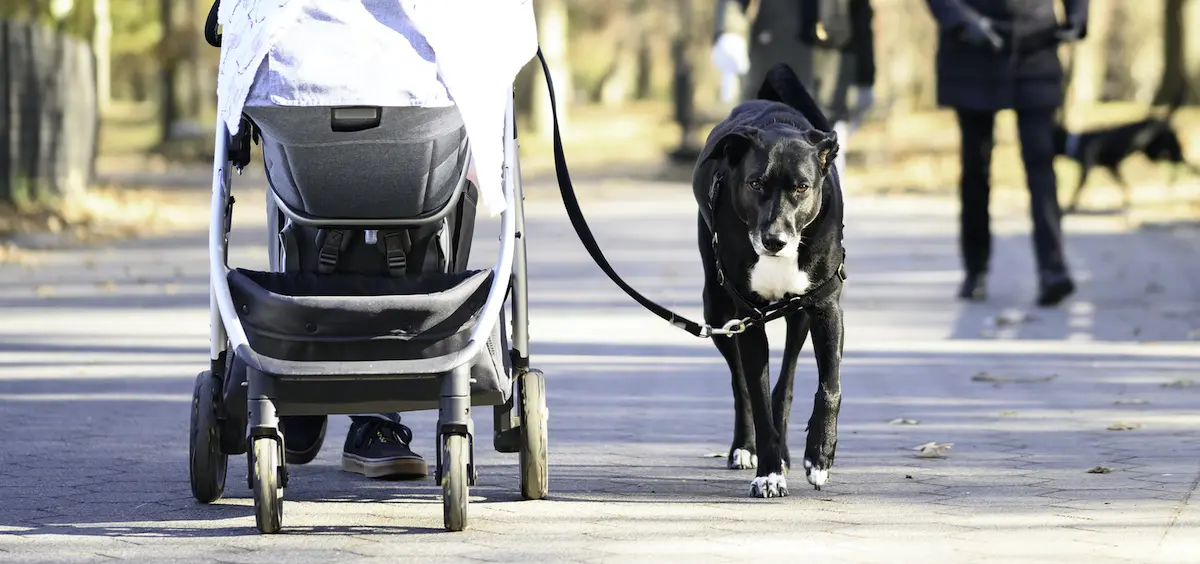
Training your dog to walk calmly on a leash and greet people politely can help ensure that you feel safe and secure during your impending pregnancy. Additionally, staying active by walking your dog can be beneficial for both your physical and mental well-being, as well as for your dog’s health.
Visiting the Veterinarian
Before you are pregnant, schedule a vet appointment to ensure your dog is in optimal health. This visit will serve four main purposes and include:
I) minimizing the potential that you will need to make a visit to your vet for routine procedures during the physically challenging time of pregnancy or busy early months of your new baby’s arrival.
II) ensuring that your dog is well and will not require additional trips that may be difficult to schedule.
III) ensuring that your dog is free of fleas, ticks, and other pests or infections that could harm you or a developing baby. It is during this visit that your veterinarian will make sure all vaccinations, especially rabies shots, are up to date.
IV) give you the opportunity to discuss with your vet any behaviour issues that might need addressing with plenty of time to correct any concerns. Addressing health and behavior concerns early on will give you peace of mind and allow you to focus on welcoming your new baby into a safe and healthy environment.
A Training ‘Baby’ and Learning to Share
Dogs have an extraordinary sense of smell that has evolved to enrich their brain and understand their world. Helping your pet get used to the scents associated with a baby can ease the transition when your newborn arrives.
You can start by using baby products like powders or lotions on yourself, then later, a doll or ‘training baby’ to help them associate these new smells with comfort, safety, and familiarity. By gradually introducing these scents, your dog will be less likely to feel stressed or confused when the baby comes home.

Similarly, to prepare your dog for the sharing of your attention with a baby, you can use a ‘training’ baby doll as a stand-in during your usual snuggle time.
Holding the doll in your lap while interacting with your dog can help them get used to the idea of sharing your attention. This is also a great opportunity to reinforce calm behavior and train your dog to remain relaxed and gentle around the ‘baby.’
Similarly, teaching your dog that it’s not ok to share your lap when ‘baby’ is on your lap and that attention can still be given when off the lap. By practicing these interactions in advance, you can help your dog adjust to the new dynamics of your growing family in a safe and controlled way.
Advertisement
Conclusion
Preparing your dog for the arrival of a new baby involves planning, training, and attention to health and safety. By addressing behavioral concerns early, reinforcing obedience, and introducing new routines well before your baby arrives, you’ll create a safe and comfortable environment for everyone in the household.
With the right preparations, your dog can continue to be a loving companion while you grow your family. Remember, the bond between you and your dog is strong, and with a little patience and care, your dog can adjust beautifully to this exciting new chapter in your life.
To mimic the upcoming changes, they used a ‘training baby’—a doll they treated as their future child. Buster learned to gently snuggle beside it on the couch, understanding that while the baby would share their attention, their love for him remained unchanged.
By the time the baby arrived, Buster was not just prepared but eager to be a protective, loving older ‘brother.’ The thoughtful preparations paid off, making the introduction an endearing moment of new beginnings.
Sarah and Matt’s story is a testament to the fact that with love, patience, and the right guidance, families can grow together seamlessly, ensuring everyone, including four-legged members, adjusts well to the joyous new chapter.
By Marnie Ford PhD, DVM, Diplomate ACVO
Dr. Ford graduated from the Ontario Veterinary College in 2000 after completing a Bachelors in Zoology at the University of British Columbia and a PhD in Physiology at Monash University in Australia. Following a rotating small animal internship at the University of Minnesota in 2001, Dr. Ford achieved Diplomate status from the American College of Veterinary Ophthalmologists in 2006 after completing a 3-year residency in Comparative Ophthalmology at the University of Missouri. After co-founding a private referral hospital, West Coast Veterinary Eye Specialists, in New Westminster (2004-2013) she opened Pacific Animal Eye Specialty services, providing mobile medical and surgical ophthalmologic care to patients in the Lower Mainland, Vancouver Island, and the Interior of BC (2013-2019). In 2019, she returned to Australia where she worked full-time in both medical and surgical ophthalmology as well as resident training at Animal Eye Care in Melbourne Australia. In 2023, Dr. Ford returned to Vancouver to provide locum services to ophthalmologists across Canada.