 Pet News

Summary
Caring for a senior cat involves understanding and responding to their changing needs, especially when it comes to managing pain and discomfort. As cats age, they may not be as vocal or evident in displaying signs of pain, making it crucial for pet owners to be observant of subtle changes. This article guides you through identifying various indicators of discomfort in senior cats, from obvious signs like limping and vocalizations of pain to more subtle cues such as hesitation to jump or climb, changes in posture, and alterations in behavior and activity levels.
It emphasizes the importance of recognizing these signs early and consulting a veterinarian to manage pain effectively, ensuring a better quality of life for your aging feline companion. Additionally, it offers insights into modifications that can be made in the home to help alleviate discomfort and maintain mobility. By staying attentive to these changes, cat owners can play a critical role in the health and happiness of their senior pets.
In my clinic, under the dim light, Shadow and I sat. An old cat with a quiet demeanor, his reluctance to leap and newfound quietness brought us together. My work, decoding the silent language of discomfort, has taught me the subtle signs of a senior cat’s pain.
Shadow’s owner, worried by his changes, sought my guidance. Our discussion was brief, punctuated by Shadow’s soft purring, a silent observer.
Caring for a senior cat like Shadow is about noticing the small changes, understanding their silent requests for comfort. Every hesitation, every look he gave, was a clue to his needs as age settled in. My method is straightforward—observe, understand, act—aimed at easing their golden years. Shadow’s resilience, his quiet struggle, emphasized the core of my practice: to provide comfort, understand the unspoken, ensuring their comfort in their later years.
Introduction
This article explores how to identify if your senior cat is experiencing discomfort or pain, which may be impacting their well-being. For a broad range of strategies on improving life quality and mitigating discomfort in senior cats, please refer to the article Preventing Pain and Discomfort in Senior Cats.
Obvious vs. Subtle Signs of Pain: Distinguishing Between Acute and Chronic Pain
Detecting pain in older cats can be challenging. Acute pain may be evident, such as when a cat steps on something sharp and vocalizes or abruptly withdraws its paw. However, chronic pain can be less apparent, manifesting as persistent discomfort or underlying conditions like chronic arthritis.
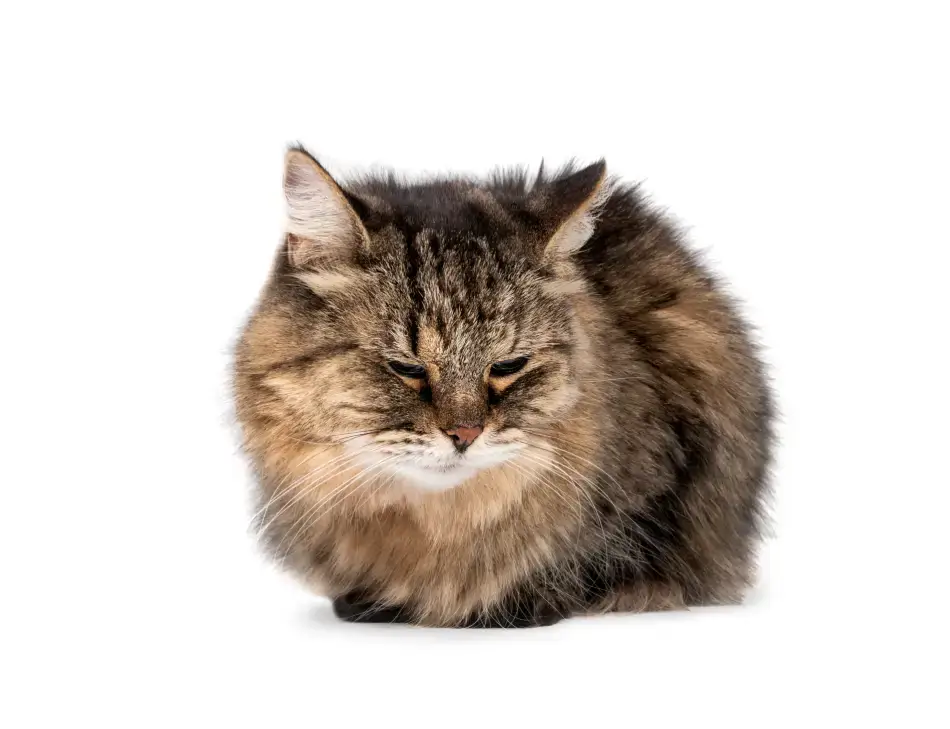
A cat crouching or sitting with their legs and tail tucked under their body is a sign of withdrawal or self isolation which could be due to pain or discomfort.
If you have other cats or dogs in the house, you could consider giving your senior cat a “safe space” where they can just rest and not be bothered by the other cats or dogs for part of their day.
As you know, providing an environment in which your elderly kitty feels safe, comfortable, and relatively stress free is important. Sometimes being “on alert” due to a new puppy, kitten or even a small child can be exhausting, especially when your feline friend is in pain.
Providing a cozy, inviting space for elderly cats to relax and rest their aching body is essential. Orthopedic bedding helps support their joints, and using a safe heating element, such as a cat-friendly heating pad, adds extra warmth and comfort during the cooler times of year.
Limping
Limping is a definitive sign of discomfort in cats. A sudden limp is generally noticeable to cat owners, prompting concern for their pet’s well-being. It’s a misconception to believe a cat with a persistent limp is not in pain. Cats do not fake limping or limp out of habit. Except for rare cases of a genuine, non-painful restriction affecting their gait, a limping cat is likely in pain and should be examined by a veterinarian.
Advertisement
Vocal Signs of Pain (Meowing or Growling)
Other than clear injuries like falls or breaks, cats typically only vocalize loudly when in severe pain, such as from muscle spasms or herniated intervertebral discs in their back.
Conditions causing intense abdominal pain, like gastric torsion (which is less common in cats than dogs), may not lead to vocalizations, which is partly why they are so perilous. The absence of vocal signs often means such emergencies go unnoticed.
A cat loudly vocalizing in pain warrants an immediate veterinary consultation.
Hesitation to Climb or Jump
Young cats typically climb and jump effortlessly. As they age, their enthusiasm for such activities wanes. Slowing down is normal, but outright hesitation or refusal to climb or jump as before indicates discomfort or pain.
Hesitation suggests a painful past experience with the activity, such as pain when jumping or climbing stairs. This reluctance implies they associate pain with the action, even if it’s something they desire or need to do (access food, affection, or rest areas). The level of hesitation reflects the intensity of the pain, with cats ultimately avoiding certain activities altogether if the discomfort is too great.
A ramp or gently sloping stairs may be ideal to help your cat maintain access to these areas.
There are even wall mounted cat stairs to aid in hard to access spots your elderly cat may not be visiting because of their pain and discomfort.
For stairs to upper floors or down to basements where your senior cat does not need access, consider installing a pet gate to reduce unnecessary climbing, which can aggravate pain.
Not Jumping into High Spaces
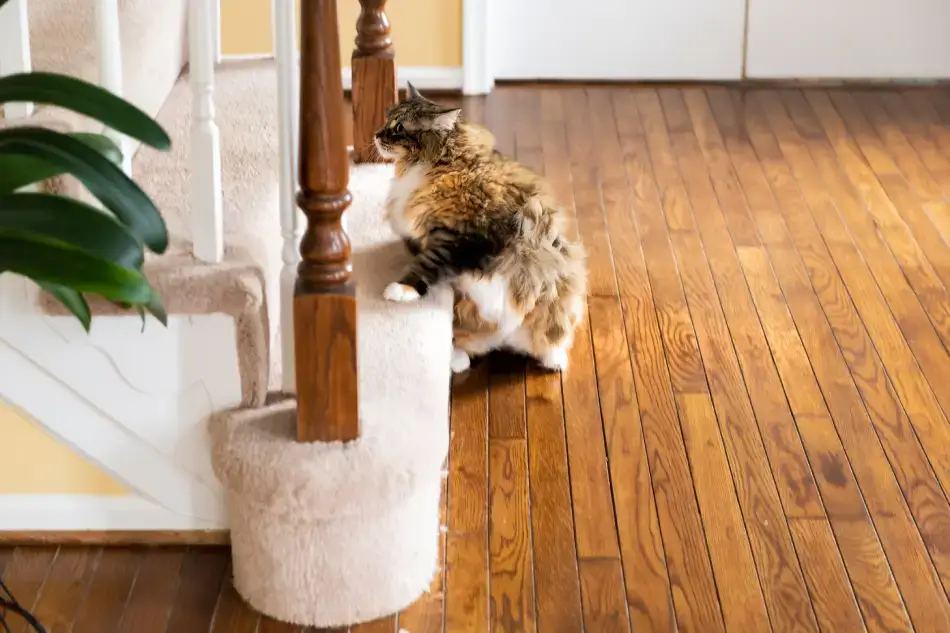
Cats may express pain by avoiding jumps onto furniture or high spots they previously enjoyed. Hesitation or complete avoidance of these actions indicates they’ve learned such movements cause discomfort.
Again, high-quality pet ramps and steps can facilitate access to favored spots without the pain of jumping.
These soft,three tiered, cat pet stairs are perfect for senior cats.
Adjustable ramp for cats and/or dogs.
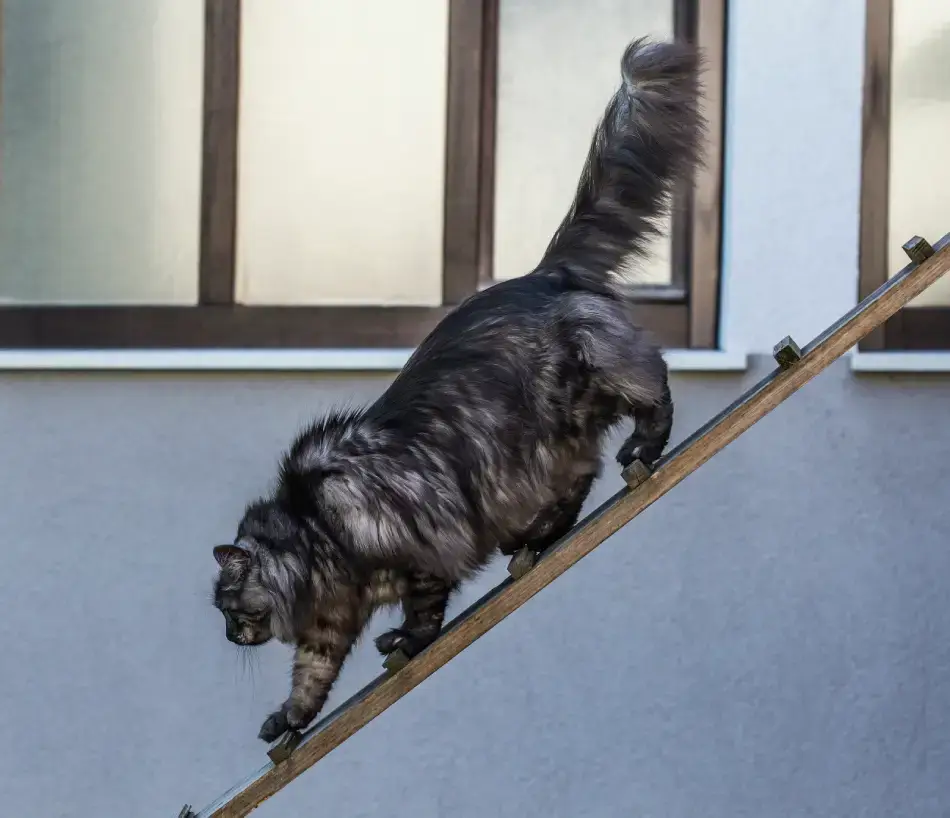
Postural Changes: Identifying Pain Through Body Language
Cats often exhibit changes in posture when in pain. These changes might be subtle but become apparent with careful observation.
A curved spine or a hunched position can indicate abdominal or spinal discomfort. In severe cases, like potential gastric issues, these signs, coupled with other symptoms, necessitate urgent veterinary care.
Occasionally, a cat might hold itself in a “C” shape, indicating spinal discomfort, which may respond to both medical and alternative care like chiropractic treatment.
A cat holding its head low often indicates neck pain, which also may respond to medical and chiropractic care.
Advertisement
Veterinary Chiropractic Care
With over three decades of experience in veterinary medicine and AVCA (American Veterinary Chiropractic Association) certification, I have witnessed substantial improvements in mobility and pain relief in numerous cats, dogs, and horses through chiropractic treatments.
An AVCA-certified vet can significantly aid older cats. For a referral, consult your primary veterinarian. Detailed information on veterinary chiropractic care can be found at this website: https://www.animalchiropractic.org/certification/.
To locate an AVCA-certified vet nearby, visit: https://www.animalchiropractic.org/find-a-doctor/.
Additionally, “A Pet Owner’s Guide to Animal Chiropractic: A Visual Workbook” by Dr. William L. Schmidt, who is AVCA Certified, is a valuable resource. This book illustrates how to identify various structural issues early on.
Behavioral Changes While Resting: Assessing Pain from Resting Positions
Changes in how a cat sits or rests can signal discomfort. Difficulty in climbing onto a favorite perching spot or restless movement from a sleeping or resting position can indicate pain in the limbs, hips, or back.
Cats with joint issues might sit or lie in unusual positions to alleviate discomfort. Frequent position changes or inability to settle comfortably may indicate pain and necessitate a veterinary consultation. Restlessness can also be a sign of cognitive issues in senior cats, which may be manageable.
Advertisement
Attitude Adjustments
Pain can affect a cat’s demeanor, leading to increased irritability or aggression towards humans and other pets. A noticeable shift towards grumpiness could be a cry for help and a sign that veterinary intervention is necessary. A calming room pheromone atomizer could help. Also, background music designed especially for cats can be helpful.
Decreased Interest in Physical Activity
Senior cats may exhibit a reduced desire for activity, often due to pain exacerbated by movement. Observations of diminished enthusiasm for play, reluctance to engage in previously enjoyed activities, or outright avoidance of physical exertion can all point to discomfort.
If your cat shows a lack of interest in activities they once loved, like playing with a feather wand, following bouncing ping pong balls, exploring cardboard boxes, or tracking a laser pointer, it may be a sign that your cat is experiencing depression as well as discomfort.
Conclusion
There are numerous indicators of discomfort or pain in cats, with limping being just one. Changes in behavior, posture, attitude, and activity levels can all signal discomfort. By closely observing their senior cats, owners can gain valuable insights into their pets’ well-being.
Advertisement
Further Reading
To learn more about enhancing the quality of life for your senior cat, including pain prevention and management strategies, please consult the PHH article Preventing Pain and Discomfort in Senior Cats.

By Karen E. Mueller DVM, AVCA Certified
Dr. Mueller has over 30 years of experience in general small animal veterinary practice, feline medicine, and shelter medicine. Dedicated to preventing pain in pets and improving their quality of life, she currently has an animal chiropractic practice in Bellingham, WA. Dr. Mueller is also passionate about reducing pet overpopulation and works with high-volume, low-cost spay and neuter nonprofit programs throughout the Pacific Northwest.