
 Pet News

Summary
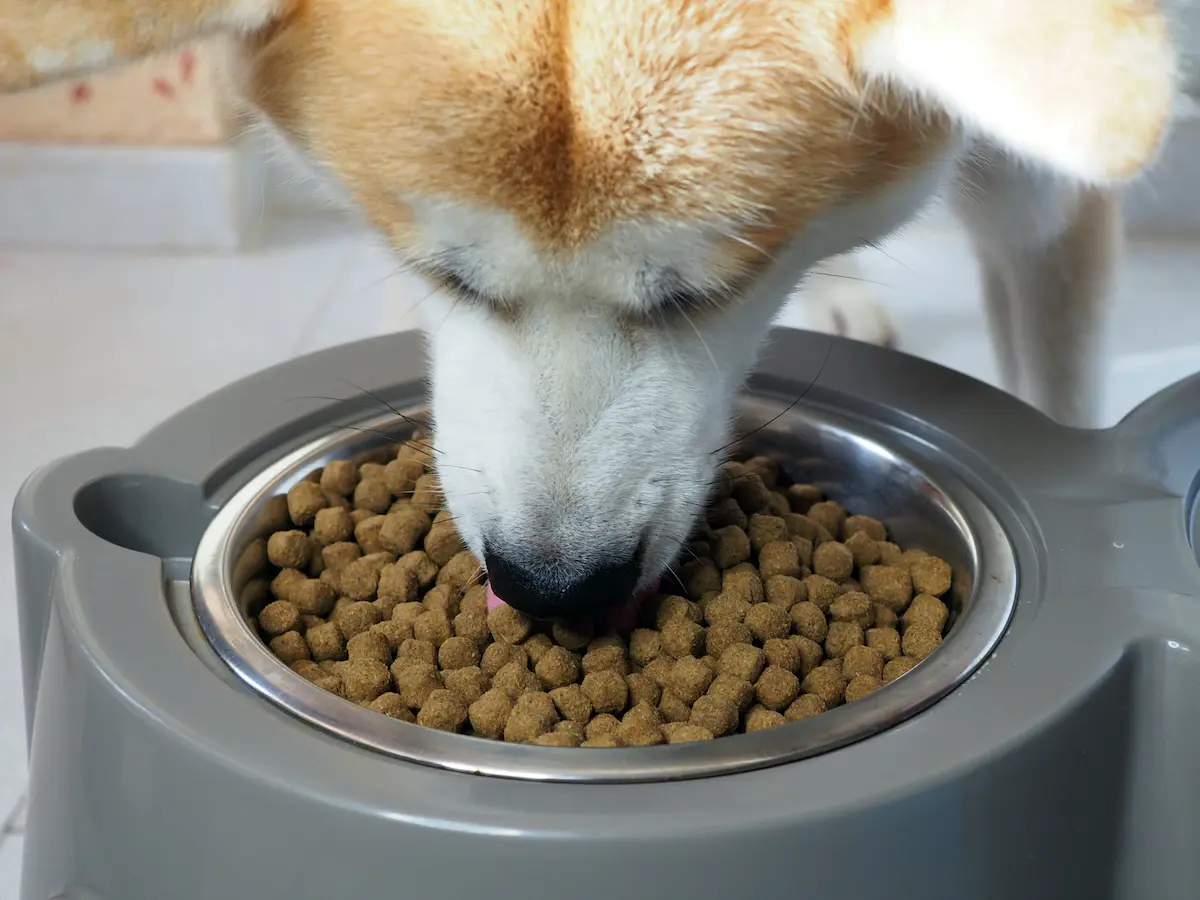
Providing your dog with a balanced and nutritious diet tailored to their age, size, breed, and activity, is one of the best ways to ensure their health and happiness. This article will help you understand their natural dietary needs, how diet affects their health, and how choosing the right supplements and foods can make a significant difference in their overall well-being. By investing in high-quality products and paying attention to their specific needs, you can help your canine best friend lead a long, healthy, and happy life.
As a veterinarian, I often see new pet owners overwhelmed with questions about their furry friends’ health and well-being. Recently, I met Sarah, a young woman who had just adopted an adorable Golden Retriever mix puppy named Hermes from a rescue shelter.
Sarah was thrilled to welcome Hermes into her home but was unsure of what to feed her new companion. “I want to give Hermes the best start in life, but honestly, all the different types of dog food out there can be confusing. What should I be feeding him?”
Her concern was palpable, and it reminded me of how critical the right diet is for a growing puppy. Hermes, with his big brown eyes and wagging tail, was full of energy and curiosity. Like many new dog owners, Sarah wanted to ensure she provided the best nutrition to support Hermes’ health and development.
I reassured her that this was a common question and that I would guide her through the process. We discussed the importance of a balanced diet tailored to Hermes’ age, breed, and specific needs. I explained how the right nutrients would not only help Hermes grow strong and healthy but also help prevent future health issues.
This conversation with Sarah inspired me to write this guide on the best diet for your dog. Whether you’re a new pet owner like Sarah or a seasoned dog lover, understanding your dog’s dietary needs can make a significant difference in their overall health and happiness.

Introduction
Ensuring your dog has a balanced and nutritious diet is key to their well-being. A dog’s diet affects not just their physical health but also their energy levels, teeth and coat condition, and longevity. Understanding what canines naturally eat in the wild, how their food impacts their health, and tailoring their diet according to their age, activity level, and breed can help you provide the best care for your best friend.
Advertisement
What Do Canines Naturally Eat in the Wild?
Dogs are descendants of wolves and share many dietary preferences with their wild ancestors. In the wild, canines are primarily carnivorous and consume a diet rich in the meat, bones, and organs of their prey.
Meat is the primary dietary component, providing essential proteins and fats. These proteins are crucial for muscle development and repair, while fats provide a concentrated source of energy and aid in the absorption of the fat-soluble vitamins A, D, E, and K.
Bones are an important source of calcium and phosphorus to support the development of strong teeth and bones. The act of chewing on bones also helps clean teeth and maintain dental health.
Organs are rich in vitamins and minerals, particularly the liver, which provides vitamin A, B vitamins, and iron. These nutrients are important for metabolic processes, immune function, and overall vitality.
Wild canines sometimes consume small amounts of fruits, vegetables, and herbs, which are also found in the stomach contents of their prey. These plant materials contain fiber, which aide in digestion, but also provide additional vitamins and minerals.
How Diet Affects Your Dog's Health
A dog’s diet plays a significant role in their health, influencing everything from their teeth to their coat. Here’s how:
- Dental Health: Chewing on bones can help remove plaque and tartar from teeth. This can be helpful, since poor oral hygiene can lead to periodontal disease, which can cause systemic health issues, including heart disease and kidney problems. While bones are fun for dogs to chew and can enhance their quality of life,they can be a risk because they can cause broken teeth or splinter to cause injury.
- Coat and Skin: A diet rich in omega-3 and omega-6 fatty acids, often found in fish and flaxseed, helps promote healthy skin and coat. Omega-3 fatty acids, such as EPA and DHA, have anti-inflammatory properties that can help improve skin conditions like dermatitis and help reduce shedding. Omega-6 fatty acids help maintain the integrity of the skin barrier, helping improve flaky skin.
- Energy Levels: High-quality proteins provide sustained energy and help maintain muscle mass. Proteins are composed of amino acids, essential for various bodily functions, including tissue repair, enzyme production, and hormone regulation. Adequate protein intake is crucial for maintaining lean body mass, especially in active dogs.
- Digestive Health: Fiber from vegetables and grains aids digestion and helps ensure regular bowel movements. Soluble fiber, found in fruits and vegetables, helps regulate blood sugar levels and supports healthy gut bacteria. Insoluble fiber adds bulk to stools, helping prevent constipation and helping promote healthy bowel movements.
- Immune System: Vitamins and minerals from a balanced diet boost the immune system, helping to ward off diseases. Antioxidants like vitamins E and C neutralize free radicals, protecting cells from oxidative damage and supporting overall immune health. Zinc and selenium also play important roles in immune function and wound healing.
Advertisement
Kibble Vs. Dry Food
It is usually recommended to feed dogs kibble for most or all of their diet. The main reasons are dental health, and cost. Dogs are extremely prone to periodontal disease, and the crunching of kibble is generally thought to help prevent plaque and tartar, which in turn helps to prevent periodontal disease.
Dogs fed only canned food, without daily tooth brushing, very rapidly build up extreme plaque and tartar, which quickly progresses to periodontal disease. This can be a vicious cycle.
The other reason for feeding kibble is cost. Canned food generally costs significantly more than kibble, per meal. However, if your pet needs it, then certainly you must use it. This is often the case for dogs that have lost most or all of their teeth due to periodontal disease.
Many people such as myself feed a combination of kibble and canned food. I treat my dogs to a top-dressing of canned food with each meal just to make meal time more special for them, since they like canned food more than dry kibble.
Regarding prescription diets, most can be ordered in both canned and dry form. If your pet is having difficulty chewing the dry form of their prescription diet, and the canned form is not available, you can try wetting the kibble with warm water and letting it soak for 30 minutes or so before each meal. This is often adequate to allow for sufficient softening, and can be adapted as needed.
Grain-Included Vs. Grain-Free Food
Dog food varies greatly in quality from one company to the next, and there will often be different dog foods of various qualities and price points within the same company. You can get an idea of the quality of the food based on the price.
A bag of dog kibble of the same weight that costs $55 is going to have higher quality ingredients and better nutrition than a bag that costs $20. Keep in mind it is difficult to do a direct comparison, as there are other costs that can’t easily be taken into consideration, such as advertising, bulk purchasing, and so on.
As mentioned above, canines in the wild naturally eat small amounts of grains, which enhance their digestion in various ways. Grains and starches are less expensive to include in the product than meats, so inexpensive dog food tends to have more grain and less meat, and/or low-quality protein and meat sources.
Similarly, foods that have more high-quality meats and proteins are more expensive. Dog food producers making premium products seek to produce high quality dog foods that are low in starchy carbohydrates or grains, and high in high-quality meat sources.
Unfortunately, grain-free diets gained popularity without a sound scientific basis. During this trend, dog food producers added lentils, peas, or sweet potatoes to the diets instead of traditional grains. Notably, there was a simultaneous rise in dilated cardiomyopathy in many breeds of dogs fed grain-free diets.
Dilated cardiomyopathy is debilitating and can be fatal. A correlation of grain-free diets and canine dilated cardiomyopathy has been made. It is not known if this is due to the lack of grains, or the addition of lentils, peas, or sweet potatoes.
Either way, the rise of canine dilated cardiomyopathy was profound and widespread with the advent of grain-free dog food. Veterinary cardiologists therefore recommend not to feed grain-free diets at this time. It is recommended to include some grain in your dog’s diet to help avoid dilated cardiomyopathy.
Advertisement
Dietary Needs at Different Ages
Puppies
Puppies have unique nutritional needs to support their rates of growth and development. Diets for puppies should be composed of high quality proteins that provide essential amino acids to build the muscles they need for growth and development. They should have the appropriate amounts and ratio of calcium and phosphorus to build strong bones. Proper amounts and ratios will avoid diseases such as rickets. A good quality puppy food should also have omega-3 fatty acids for brain and cognitive development. Avoid artificial colors if possible–those are for the owner, not the dog.
Recommended Products:
- Blue Buffalo Life Protection Puppy Formula: This product has deboned chicken, providing high-quality protein. It also contains DHA and ARA (fatty acids found in mother’s milk) for brain development.
- Royal Canin Puppy Wet Food: Formulated with nutrient content to support the immune system, digestive health, and optimal growth during the puppy stages. Comes in various types for different breeds of puppies that grow at different rates, and dry comes in different size kibbles.
Adult Dogs
Adult dogs have already achieved their growth, and now require a balanced diet to maintain their health and energy levels. Like people, many find it easy to gain extra weight during this life phase.
For those that are putting on weight, their diet can be adjusted by shifting to a lower-calorie version, which usually adds more fiber for increased satiety. For busy, energetic dogs, staying with the regular adult diet is probably appropriate. Thus their diet should be adjusted based on body condition, activity level and breed.
Adult dogs need protein for muscle maintenance and repair. High-quality protein sources help ensure that dogs maintain lean muscle mass while providing the necessary amino acids for various bodily functions.
Proteins like chicken, beef, and lamb are commonly used in dog foods due to their digestibility and amino acid profiles. Fats are provided for energy and coat health. Essential fatty acids are needed for cellular functions and maintaining healthy skin and a shiny coat as well as hormone production.
Carbohydrates in small amounts offer quick energy as well as fiber, aiding in digestion and gut health. Brown rice and barley are excellent whole grain sources of vitamins, minerals, and fiber.
Recommended Products:
- Hill’s Science Diet Adult: This product offers balanced nutrition with high-quality ingredients, including chicken and barley. It supports lean muscle maintenance, healthy skin, and a shiny coat.
- Blue Buffalo Life Protection Formula Adult Chicken & Brown Rice Recipe: Features chicken and wholesome grains, packed with vitamins and minerals.
Senior Dogs
Senior dogs have different nutritional needs as they age and become less active. Most senior dog diets have lower calories due to their decreased caloric demand, which helps prevent weight gain.
Since most dogs over 8 years old have developed arthritis, preventing weight gain is important to help minimize pain in their joints. Their diet should focus on joint health, weight management, and maintaining cognitive function. Some senior diets are available now that take into account metabolic issues such as kidney insufficiency or heart failure.
High quality senior dog diets should have glucosamine and chondroitin included to support joint health. Glucosamine helps repair the joint cartilage for healthier and more comfortable joint surfaces, and chondroitin sulfate inhibits enzymes that break down cartilage.
Working together, they help the joints be healthier, function better, and be less painful. If possible, choose a diet with these supplements included.
Antioxidants neutralize free radicals, which protect cells from damage and support cognitive health. Supplementing with vitamin E and beta-carotene can help delay the onset of age-related cognitive decline in dogs.Check the expiration date to be sure the antioxidants are still effective, and keep your food in a well-sealed container for maximum freshness.
If your senior dog is overweight, you may be able to switch to a lower calorie version of the senior diet that you currently feed. Otherwise, often just switching to a slightly smaller scoop is an effective tactic. For example, if you are currently feeding 1/2 cup of kibble twice a day, switch to a 1/3 cup scoop twice a day. Use an actual measuring cup, and level the amount in the cup, so you are accurately measuring the food each and every time.

If you have several dogs and one is overweight while the others are not, there are two fairly good options to control the intake of the overweight dog: feed them separately, usually in a separate room. Put their food down, then shut the door.
Feed all the dogs, and give everyone a few minutes to eat, then pick up everyone’s food bowl. Put all the dishes down again in the evening, and repeat. The dogs will quickly learn what mealtime means.
If any stragglers really need extended mealtime, that dog may have their own meal in a separate room. Do this every day, every time. There will be complaints and frustrations at first, but you will be successful. Do the same process if someone has to have a special diet, and you will have success if you stick with it.
If you are prone to giving too many treats, try using your dog’s kibble as a treat. A good way to do this is to measure their normal daily diet into a jar, then use that one jar for their breakfast, all their treats, and dinner.
This way, you can give as many treats as you want, but your dog’s actual meals will be smaller. By doing this, you can ensure that your pet is not receiving any excess calories, and you are giving them only their senior, low-calorie, or other special diet. This is also a very cost-effective way to give as many treats as you want.
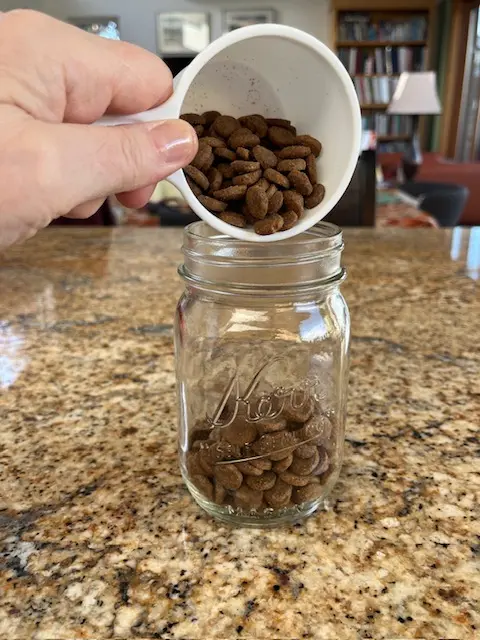
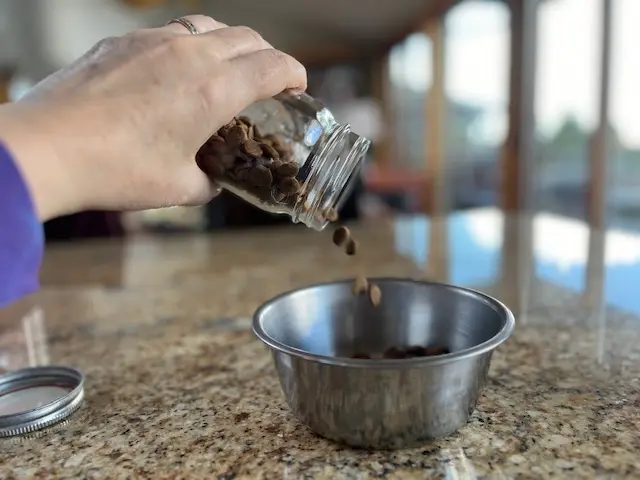
I feed my dogs in separate areas of the kitchen every day; two are on hypoallergenic food (see “hypoallergenic diet”), and one is on urinary food (see “urinary diet”). They are all on medications and supplements. They sit politely and wait for their food dishes, then they wait for permission to eat.
I watch them eat, then pick up and rinse their bowls. That’s how we do it in our house, every day, every meal. Then they get happy praise for a job well done after they wait politely for their meals. With expectations and reinforcement of manners, we successfully manage feeding three dogs on different diets in the same room, but it takes daily effort.
Recommended Products:
- Hill’s Science Diet Adult 7+ Chicken Meal, Barley & Brown Rice Recipe: Formulated for senior dogs, this recipe supports brain health and includes antioxidants and omega-6 fatty acids for healthy skin and coat. They also have 11+ formulas for older dogs.
- Purina Pro Plan Bright Mind: Enhanced with botanical oils to support cognitive health, this formula helps maintain mental sharpness in senior dogs.
Breed-Specific Dietary Considerations
Different breeds have specific dietary requirements based on their size, activity level, and predisposition to certain health conditions.
Small Breeds:
Small breeds, like Chihuahuas and Dachshunds, have faster metabolisms (see “metabolism”) and often require more calorie-dense food. These breeds also benefit from smaller kibble sizes that are easier for them to chew and digest.
Recommended Products:
- Royal Canin Small Breed Adult: Formulated for small breeds with higher calorie content to meet their energy needs. It also includes nutrients like EPA and DHA to support healthy skin and coat.
- Blue Buffalo Small Breed: With high protein content, this product provides balanced nutrition and supports overall health and well-being. Contains antioxidants, omega-3’s and glucosamine.
Large Breeds
Large breeds, such as Golden Retrievers and Great Danes, need a diet that supports their large bone structure and can help prevent joint issues. These breeds are prone to conditions like hip dysplasia, so their diet should include ingredients that support joint fluid and cartilage health. Their kibble should be large, easy to grasp, and encourage chewing rather than swallowing whole. They should get enough fiber in their diet to help with good digestion, and enough omega-3 fatty acids to help with skin, coat, and heart health.
Recommended Products:
- Hill’s Prescription Diet Large Breed: Includes joint supplements and controlled calories to prevent excessive weight gain. It also provides optimal levels of calcium for bone health.
- Eukanuba Large Breed Adult: Formulated for muscle and joint health, this product includes glucosamine and chondroitin sulfate to support healthy joints and mobility.
Advertisement
Recommended Products and Supplements
Dental health can be challenging for pet owners, but it is vital to address this subject for the overall health of our canine friends. It is important to try to prevent periodontal disease, which can affect the heart and kidneys and result in pain or the loss of teeth.
Do your best to teach your puppy or dog how to have their teeth brushed. (See the PetHealthHarbour.com article: How to Brush Your Dog’s Teeth for help).
Use an enzymatic toothpaste that helps prevent plaque and tartar formation, and is safe to be swallowed. If your dog won’t allow brushing, try to rub their teeth with gauze or finger socks if you safely can, and at the very least, give dental chews daily or every other day, such as Ark Naturals, which can help prevent dental tartar.
Coat and Skin Health
- Omega-3 and Omega-6 Fatty Acids: These essential fatty acids support skin health and reduce inflammation. Omega-3 fatty acids, such as EPA and DHA, are particularly beneficial for dogs with allergies or inflammatory skin conditions. Omega-6 fatty acids help maintain the skin’s lipid barrier, preventing dryness and irritation.
- Biotin: This B-vitamin supports healthy skin and coat by aiding in the metabolism of fats and proteins. Biotin deficiency can lead to dry, flaky skin and hair loss
Advertisement
Joint Health
As dogs age, most will benefit from joint supplements because the majority of older dogs will develop arthritis in some of their joints. Glucosamine and chondroitin is the most beneficial oral joint supplement commonly given, and is available in capsules, liquid, and soft chews.
Together they promote cartilage repair, reduce inflammation, and improve joint health while reducing cartilage degradation. Oral glucosamine and chondroitin should be given daily for life in dogs with arthritis, as it gives the joints what they need for microscopic daily repair, thus helping prevent pain.
It also helps the joint fluid be healthier and more shock-absorbing and lubricating so the joints are more comfortable.
Another commonly given oral joint supplement is MSM (methylsulfonylmethane). MSM is a natural anti-inflammatory compound that supports joint health and mobility. It helps reduce pain and inflammation associated with arthritis.
Be careful, however, as MSM is very inexpensive, and sometimes companies will add MSM to products and reduce the glucosamine for the same price. It is better to give MSM as a separate supplement than to give a supplement with less glucosamine in it, as glucosamine is the expensive component in a joint supplement.
MSM should be given in addition to glucosamine, not instead of, since it is considerably less effective than glucosamine.
When dogs need help for their coat and skin, usually omega-3 and omega-6 fatty acids supplements are recommended. These fatty acids are indicated in most cases of dull, dry coats or flaky skin, and are rarely contraindicated.
They help with itching, inflammation, and allergies, and help prevent dryness and irritation. There are several main sources of omega fatty-acids: fish, algae, and flaxseed. Although meat is usually the majority of the diet source for dogs, it is fine to choose a non-meat supplement (i.e. algae/flaxseed), so those who prefer to choose a vegetarian or vegan supplement may do so.
Conclusion
Remember, a well-balanced diet is the foundation of your dog’s overall health. Regular check-ups with your veterinarian, combined with a nutritious diet, can help prevent health issues and ensure your dog remains vibrant and energetic throughout their life. Your commitment to their dietary needs is a crucial part of responsible pet ownership, contributing to their well-being and strengthening the bond you share. Keep up the good work, and enjoy the journey with your beloved canine companion!
After our consultation, Sarah went to her local pet store to choose new puppy food for Hermes. Even though it had seemed overwhelming at first, with a better understanding of the basics of Hermes’ nutritional needs, the pet food aisle wasn’t as daunting as before her veterinary visit.
She asked the pet store assistant for help finding her way around, and chose a premium brand of large breed puppy food for Hermes.
She made her choice based on wanting to feed kibble only, and understanding that large breed puppies grew quickly, and that this type of puppy food had the right amount of protein to encourage controlled growth to help his bones grow correctly.
She also now knew that controlling his intake could help decrease the odds of hip dysplasia. She would be careful moving forward to keep him lean, not chubby, so he would continue to grow slowly and in a more controlled manner.
This would help avoid developmental problems she had discussed with me, such as osteochondritis dessicans (OCD), panosteitis, and hip dysplasia. She would also avoid giving extra foods like cottage cheese and yogurt to avoid upsetting his calcium to phosphorus ratio, which could lead to bone growth problems.
Sarah was now confident that by feeding Hermes a premium puppy food, in appropriate amounts, and keeping him lean as he grew, she was doing what she could to provide him with good nutrition.
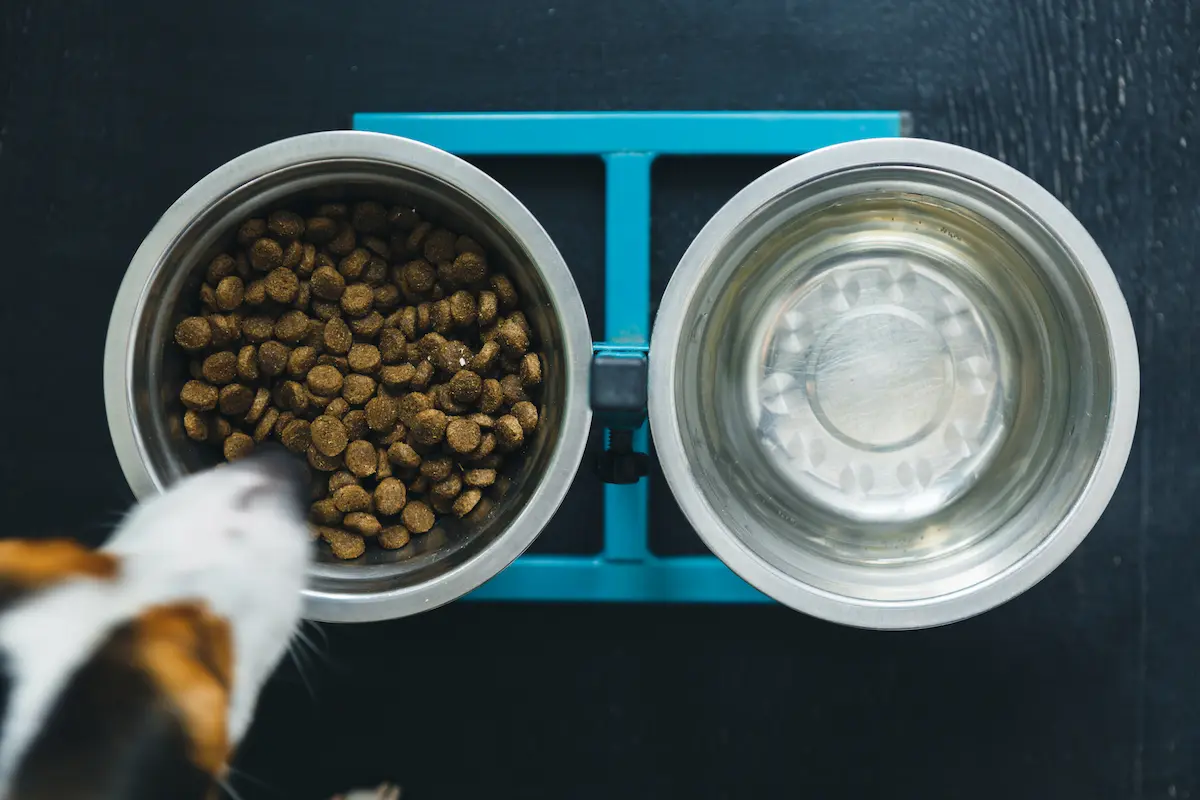

By Karen E. Mueller DVM, AVCA Certified
Dr. Mueller has over 30 years of experience in general small animal veterinary practice, feline medicine, and shelter medicine. Dedicated to preventing pain in pets and improving their quality of life, she currently has an animal chiropractic practice in Bellingham, WA. Dr. Mueller is also passionate about reducing pet overpopulation and works with high-volume, low-cost spay and neuter nonprofit programs throughout the Pacific Northwest.