 Pet News

Summary
This article offers guidance for dog owners navigating life after the arrival of a new baby. It emphasizes the importance of introducing your baby’s scent to your dog before the homecoming and highlights the significance of supervised interactions to ensure safety. The article explores common challenges dogs face, such as jealousy or behavioral changes, and provides practical solutions to help dogs adjust, like maintaining regular exercise and using positive reinforcement. It also covers tips on managing the dog’s environment as the baby grows, including relocating dog bowls and teaching children how to respectfully interact with pets. Finally, the article stresses the need for patience and consistency in reinforcing boundaries, fostering a harmonious relationship between your dog and your growing family.
Dr. Emily Sparrow, a seasoned veterinarian, sat across from her client, Sarah, who cradled her newborn in a soft blue blanket. The room was quiet, safe for the occasional soft murmur from the baby.
Sarah’s dog, a golden retriever named Ruff, lay beside her, his nose twitching as he sniffed the air, intrigued by the new scent in his environment.
“Ruff seems to be taking an interest in the little one,” Dr. Sparrow observed, watching Ruff’s cautious approach toward the baby.
“It’s completely normal for him to be curious and even a little wary at first.”
Sarah nodded, her face lined with exhaustion and concern. “I want to make sure he adjusts well. He’s been a bit clingy since we brought Emily home.”
Dr. Sparrow smiled reassuringly. “Let’s talk about some ways to help Ruff feel more at ease and ensure safety for Emily. Have you introduced him to her scent?”
Sarah replied that she had let Ruff sniff some of Emily’s blankets before bringing her home from the hospital. Dr. Sparrow commended her foresight.
“That’s perfect, Sarah. It’s important to continue allowing Bailey supervised time around Emily to build familiarity. Always supervise their interactions closely, and never leave them alone together.”
She went on to suggest maintaining Ruff’s regular exercise routine. “Keeping him active will help manage any anxious energy and keep him from feeling neglected.”
Dr. Sparrow also emphasized the importance of positive reinforcement. “Whenever Ruff behaves calmly around Emily, make sure to reward him. This will help him associate her presence with good things, like treats and praise.”
Congratulations on your new baby! This article is the third in a three-part series, focusing on what to consider after your baby arrives. The previous articles explored preparations for your dog before and during pregnancy, including obedience training, veterinary visits, adjusting to a more flexible schedule, and acclimating your dog to your physical changes.
Introducing Baby's Scent to Pets
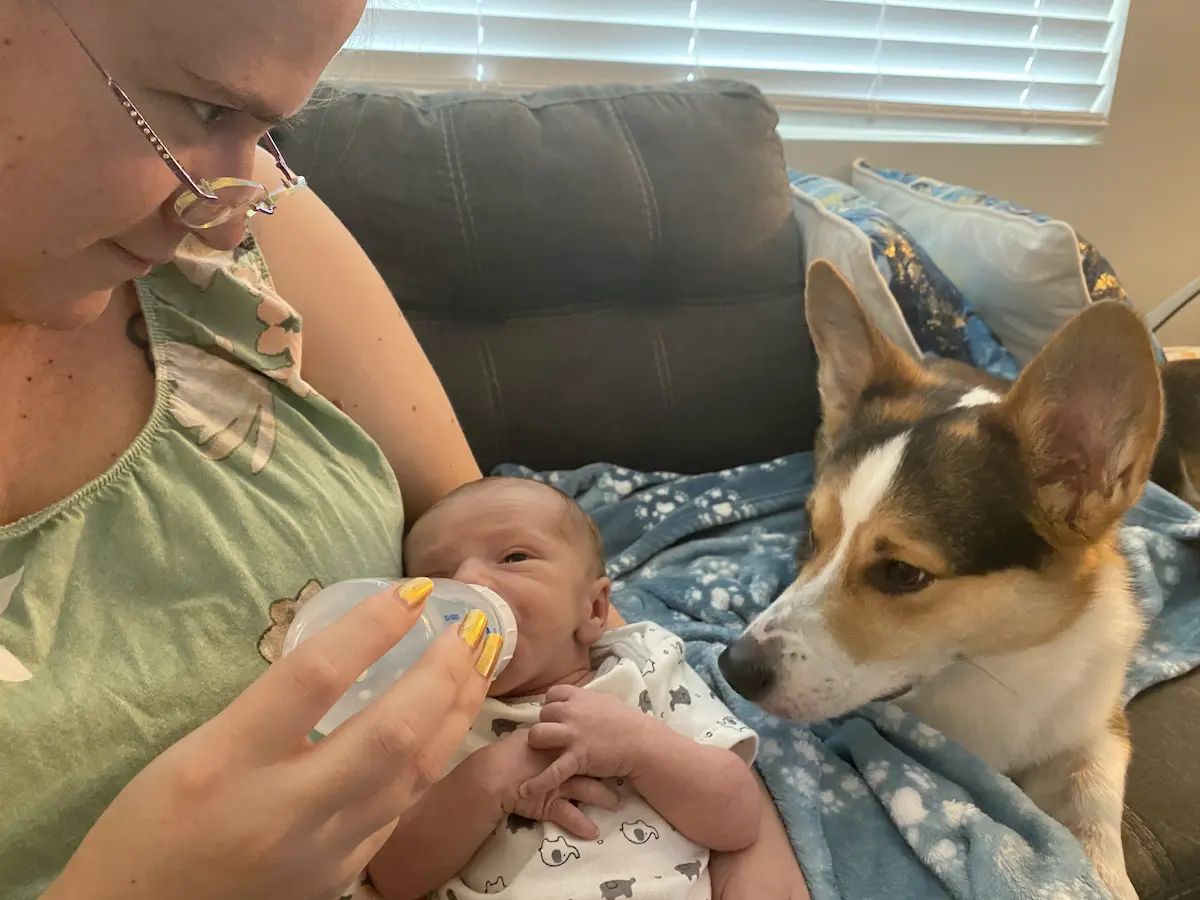
Introducing your pet to your baby’s scent before bringing your newborn home is a key step in helping them adjust to the new addition. Dogs rely heavily on their sense of smell to understand the world around them. By allowing your pet to sniff an unwashed piece of your baby’s clothing, like a bodysuit or blanket, you help them become familiar with the baby’s scent in a safe, non-threatening way. Pairing this introduction with a special treat can create a positive association with the baby’s smell, reducing anxiety and helping your pet feel more comfortable with the new family member.
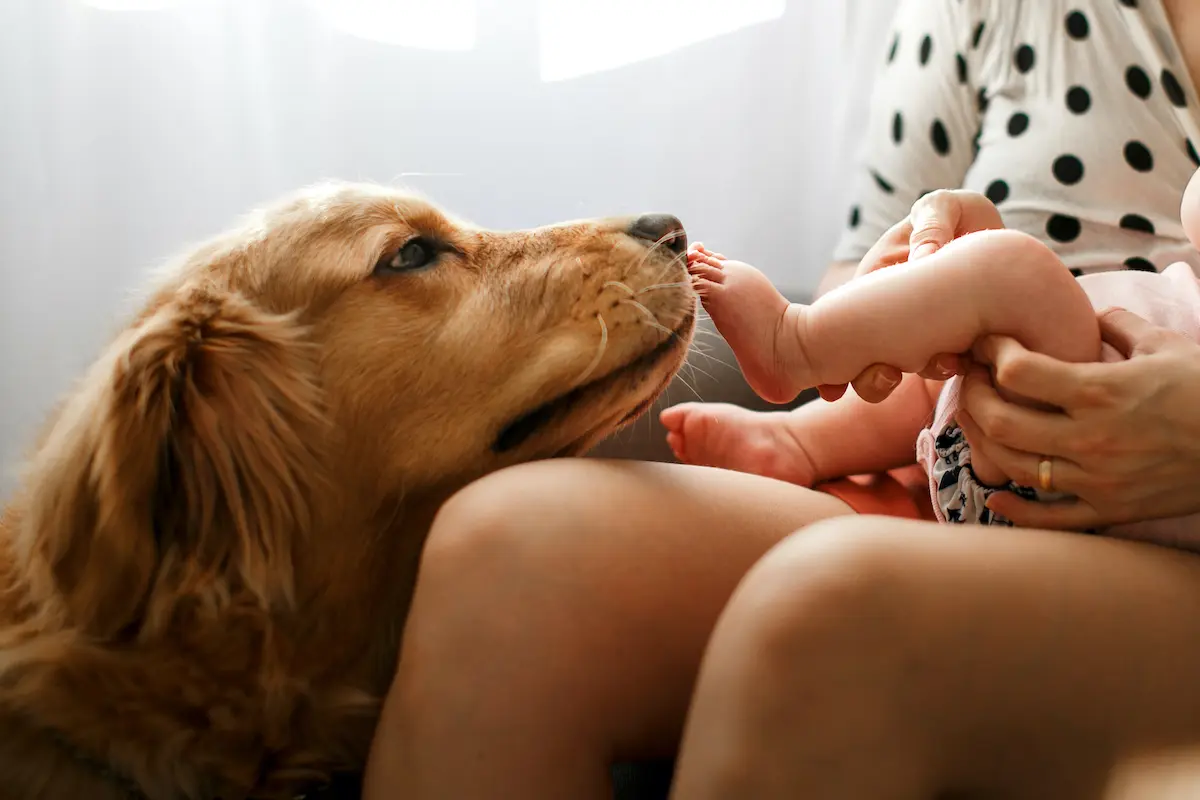
When the baby arrives into the home, allow your pet to stay in the room with the family, but never leave them alone with the baby unsupervised. This approach helps ensure a smooth transition for your pet and reduces the chances of stress or jealousy.
Advertisement
Helping Dogs Adjust to a Newborn
When a new baby arrives, it’s common for dogs to experience feelings of jealousy or displacement, especially if they were previously the center of attention. Dogs may act out by chewing on baby items or engaging in other undesirable behaviors, like barking or getting under foot to seek attention. It’s important to be patient and understanding, recognizing that these behaviors stem from confusion. To ease this transition, encourage your dog to accept the baby by associating positive experiences with the baby’s presence, such as giving treats when the baby makes noise or allowing your dog to sniff the baby’s belongings under supervision. This can help your dog adjust to the new addition.
Managing Your Dog’s Energy
As your attention shifts from primarily that of the dog to that of your baby, so often does the time previously devoted to one-on-one interaction with your dog. Ensuring your dog gets enough exercise is crucial, especially after a baby arrives, as this can help manage their energy levels and prevent behavioral problems. Taking your dog on walks with the baby in a stroller or asking a partner, friend, or dog walker to help can make a big difference. Regular exercise helps your dog release pent-up energy in a healthy way, reducing the likelihood of destructive or attention-seeking behavior at home.
Advertisement
Positive Reinforcement for Good Behavior
Positive reinforcement is a powerful tool in shaping your dog’s behavior, especially around a new baby. Rewarding calm and obedient behavior with treats, praise, and affection helps your dog associate the baby’s presence with positive outcomes. This consistent reinforcement will ease your dog’s transition, making them more comfortable and less likely to act out.
Simultaneous Bonding
Creating opportunities to bond with both your dog and baby simultaneously can help your dog feel included and valued. Simple actions like petting your dog while feeding your baby or tossing a toy while you cuddle with your child can reinforce their feelings of inclusion. If you’re busy with the baby, giving your dog a chew toy or treat can keep them happy and engaged. Maintaining this inclusion reduces the likelihood of jealousy or anxiety.
Advertisement
Safety and Hygiene
Even if your dog seems to get along well with your baby, never leave them alone together. Pets can react unpredictably to a baby’s sudden movements or sounds, so constant supervision is essential. Maintaining good hygiene practices reduces the risk of zoonotic diseases (see “zoonotic disease”) for your baby. If your dog continues to struggle with the transition or exhibits concerning behaviors, consult your veterinarian or a professional trainer for guidance. Setting clear boundaries and ensuring safe interactions will help create a harmonious home environment.
Dealing with Bites
If your dog or any other animal bites you or your baby, it’s important to act quickly. First, try to learn about the animal’s health and vaccination status, especially if it’s not your pet. If the bite is minor, clean the wound with soap and water, control any bleeding, and contact your doctor for further advice. For more serious bites, seek medical attention immediately to prevent infection or other complications. Ensuring your pets are up to date on vaccinations and regularly checking their health can help minimize the risk of serious issues from bites.
Returning to Normalcy
As your family adapts to life with a newborn, it’s important to remain patient and consistent with your pet. While your routine will undoubtedly change, maintaining some level of normalcy for your pet will help them adapt. Continue to provide them with attention, even if it’s in smaller doses, and reinforce the training and rules you’ve established. Over time, your family will settle into a new routine, and life will begin to feel normal again for everyone, including your pet. By remaining firm yet compassionate, you’ll help your pet navigate these changes and ensure a peaceful coexistence in your growing family.
Advertisement
As Your Baby Grows
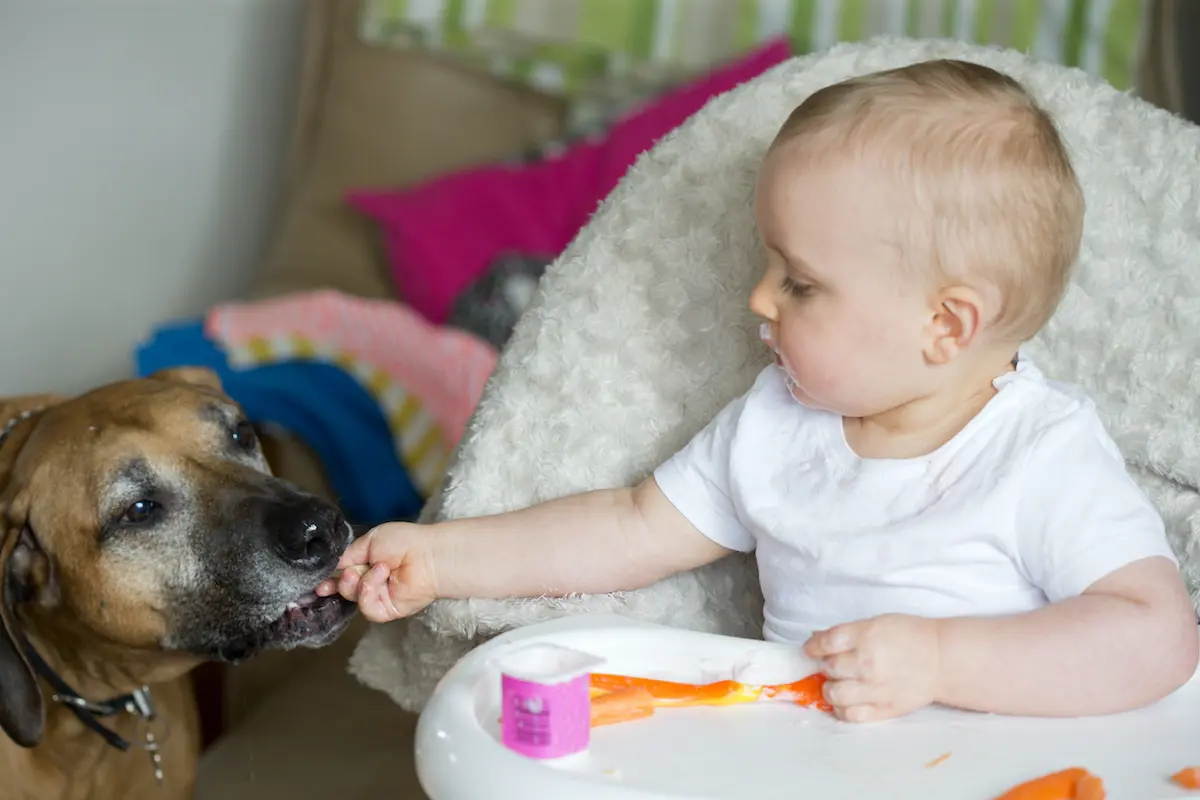
Toddlers learning to eat on their own are typically messy. It is not uncommon to find food splatters on the floor or fallout from the highchair. Dogs, being eager helpers in the kitchen, will often be found sitting sentry by a highchair to collect whatever food treasures happen to fall their way. While occasional food drops aren’t harmful, receiving consistent snacks from the ‘sky’ can lead to weight gain over time.
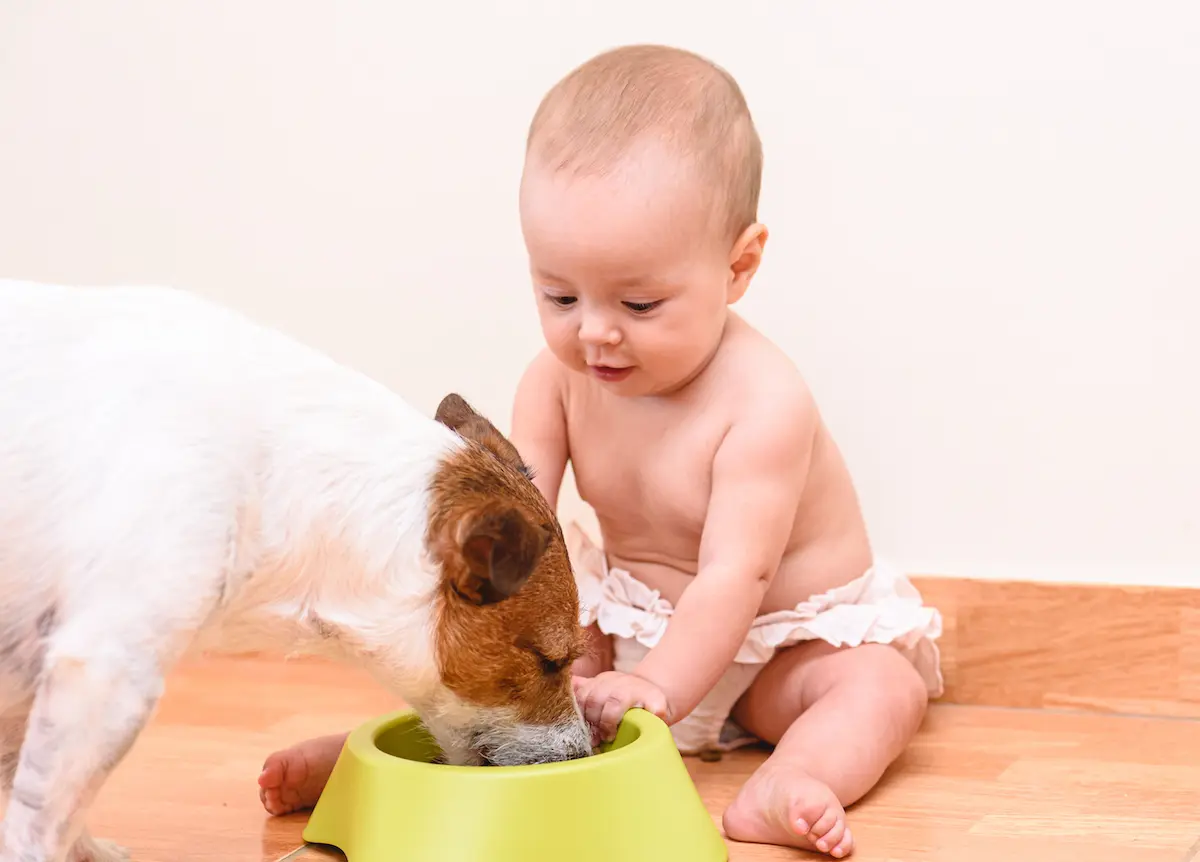
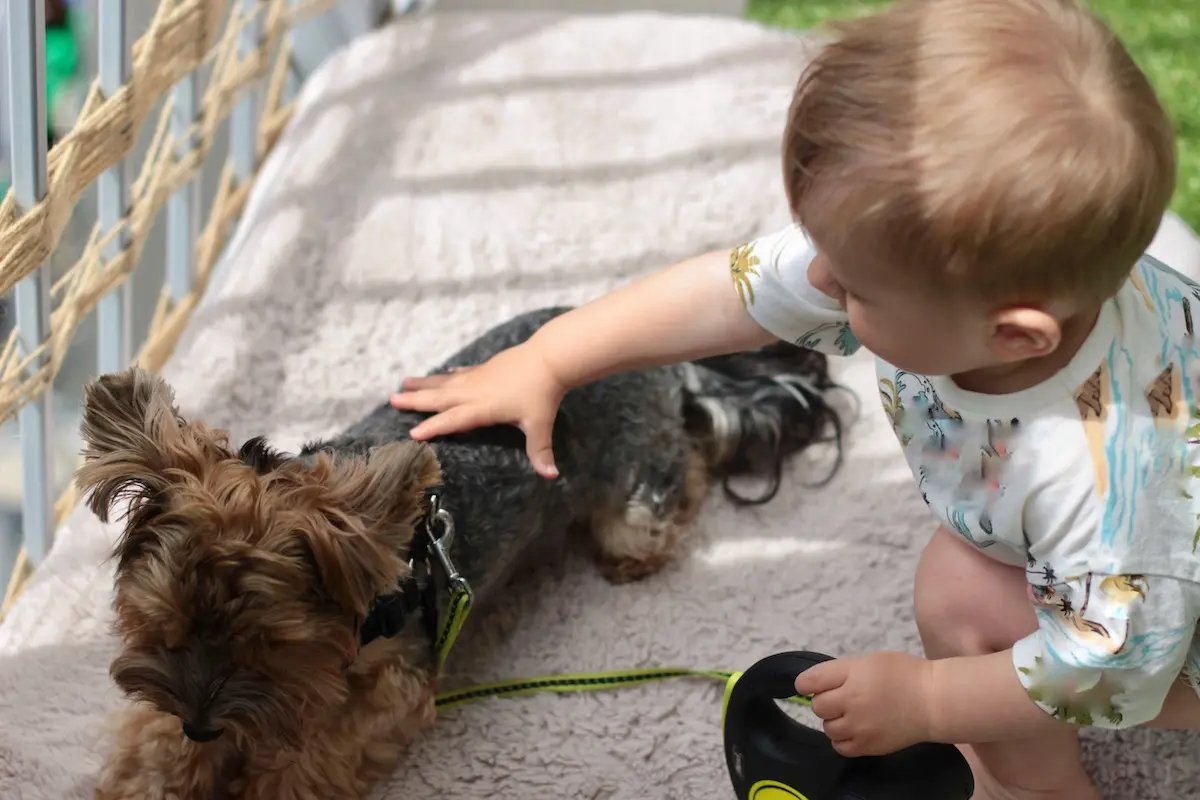
Babies may try to sample pet food they can crawl to, which can be a choking hazard and is not suitable for human consumption. Moving the bowls to a place that’s out of reach or in a less trafficked area of the house can prevent potential accidents and reduce the chances of your dog being disturbed during mealtimes. Similarly, the dog’s fur or wagging tail may be the focus of grabbing behavior. Children must learn at a young age that animals have feelings and can become upset if hurt.
As Sarah listened, Dr. Sparrow’s words eased her anxiety. She explained how simple activities could include Ruff even when she was busy with the baby, like giving Ruff a chew toy during Emily’s feeding times.
“Remember, it’s about balance and patience,” Dr. Sparrow concluded. “Ruff’s adjustment to Emily is a gradual process, but with consistent effort, they’ll likely develop a strong bond. If you notice any concerning behaviors, don’t hesitate to call me. I’m here to help.”
Sarah left the clinic feeling more confident, her worries alleviated by Dr. Sparrow’s practical advice. As she strapped Emily safely in her car seat, Ruff hopped in beside them, ready to embark on their new journey together as a family.
By Marnie Ford PhD, DVM, Diplomate ACVO
Dr. Ford graduated from the Ontario Veterinary College in 2000 after completing a Bachelors in Zoology at the University of British Columbia and a PhD in Physiology at Monash University in Australia. Following a rotating small animal internship at the University of Minnesota in 2001, Dr. Ford achieved Diplomate status from the American College of Veterinary Ophthalmologists in 2006 after completing a 3-year residency in Comparative Ophthalmology at the University of Missouri. After co-founding a private referral hospital, West Coast Veterinary Eye Specialists, in New Westminster (2004-2013) she opened Pacific Animal Eye Specialty services, providing mobile medical and surgical ophthalmologic care to patients in the Lower Mainland, Vancouver Island, and the Interior of BC (2013-2019). In 2019, she returned to Australia where she worked full-time in both medical and surgical ophthalmology as well as resident training at Animal Eye Care in Melbourne Australia. In 2023, Dr. Ford returned to Vancouver to provide locum services to ophthalmologists across Canada.