
 Pet News


Summary
The article discusses feline diabetes mellitus, emphasizing its differences from the human and canine forms. Feline diabetes, akin to human type 2 diabetes, is primarily insulin dependent and often related to factors like obesity, high carbohydrate intake, low activity, and potentially genetics. Monitoring involves glucose curves, though stress can skew results; wearable monitors have eased this.
Treatments vary, including diet changes, weight loss, and insulin, while some respond to oral medications or newer drugs. Complications include infections and mobility issues. Screening for conditions like acromegaly is vital. About 50% of well-managed cases achieve remission, but vigilance is necessary as relapse is possible. Owners’ attentive care is crucial for maintaining the diabetic cat’s quality of life.
Beatrice never imagined how a routine trip to the vet would transform her life and her bond with Marley, her beloved cat. It all began when Marley, an orange tabby with a playful glint in his eyes, started exhibiting unusual behaviors. He seemed excessively thirsty, constantly prowling around his water bowl, and his once luscious coat started losing its shine.
Concerned, Beatrice scheduled an appointment with Dr. Jones, their trusted veterinarian. After a series of tests, the diagnosis landed like a heavy blow: Marley had feline diabetes mellitus. Beatrice’s heart sank at the thought of her feline companion battling a chronic illness.
Though Dr. Jones Beatrice learned about the nuances of feline diabetes, understanding that Marley’s condition required insulin therapy, dietary adjustments, and careful monitoring. A daunting task, but Beatrice was willing to take it on for the sake of her feline friend Marley.
Administering insulin injections to Marley was quite a challenge at first. With patience and gentle persistence, she gradually won Marley’s trust, turning their daily insulin routine into a bonding experience rather than a source of anxiety.
One of the biggest hurdles Beatrice faced was monitoring Marley’s glucose levels. Traditional glucose curves were labor-intensive and stressful for Marley, disrupting his natural routine. That’s when Marnley’s veterinarian presented her with a game-changer: wearable glucose monitors.
These tiny devices, resembling a white button, offered continuous glucose monitoring without the hassle of frequent blood draws. With real-time glucose readings at her fingertips, Dr. Jones could adjust Marley’s treatment more accurately, ensuring optimal control of his diabetes.
What Makes Feline Diabetes Different?
Feline diabetes is almost always an insulin dependent process. Similar to a human type 2 diabetes, this condition in cats results from chronic insulin resistance due to obesity, excessive carbohydrate intake, low activity level, and likely a component of genetic predisposition.
While reports of type 1/insulin dependent diabetes mellitus in cats have occurred, especially in Australia, it is the exception unlike in dogs. Cats do not seem to be at as high a risk of pregnancy/pseudopregnancy induced diabetes as dogs however they may experience steroid induced diabetes with ~9% of cats treated with prednisolone experiencing diabetes mellitus.
While cats rarely develop hyperadrenocorticism (HAC), almost all cats with HAC become diabetic. In addition, cats with hyperaldosteronism (another adrenal disease) are at increased risk of diabetes mellitus. It is estimated that up 18% of all diabetic cats may also have a pituitary disease called hypersomatotropism (acromegaly).
Monitoring Diabetes
Monitoring diabetes generally relies on the use of glucose curves. This means taking a blood glucose reading every 1-2 hours through the day in order to determine the duration of action and highest and lowest glucose levels. This is essential to properly adjust doses and attain good control.
A concern with glucose curves (aside from the cost) is that they are labour intensive for owners and may be difficult to perform; while in-clinic curves may be easier to obtain, they are less representative of reality due to the effects of stress and altered routines. This is especially true for cats.

The recent advent of wearable glucose monitors (e.g. Freestyle Libre Glucose Monitor) that can measure the glucose levels constantly has significantly changed the management and monitoring of diabetes especially in cats. These devices are small patches containing a tiny needle that are placed on an animal’s skin and read the glucose in the tissue every few minutes.
They are rated to last for up to two weeks after an application and can generally sync results to a specific device or smartphone. While they may be expensive to initially place, they are often quite cost effective when compared to having a glucose curve performed. A major concern with these devices is that many animals (especially cats) do not tolerate them long term, and they may only last a few days.
Other tools to note which suggest diabetes control include monitoring physical changes such as reductions in drinking and urinating, weight gain, improved energy levels, and improvement in body condition and haircoat. While less specific, these signs actually represent the most important aspects of control for both pets and their owners.
Advertisement
Treatment Options for Feline Diabetes
Most cats diagnosed with diabetes have some amount of residual insulin secretion, and as such a possibility to attain remission. Due to this residual insulin function, not all diabetic cats require insulin therapy (although most will eventually, and early insulin therapy may lead to a higher chance of remission).
Dietary therapy is a cornerstone of the management of feline diabetes, both in early, insulin dependent disease as well as after remission. Maintaining a low carb diet, weight loss, and increased activity levels can all help to reduce insulin resistance.
As an alternative to insulin, some cats with diabetes may be able to be managed with oral antihyperglycemics. The sulfonylureas such as glipizide may reduce blood sugar in cats but are only estimated to be effective in 20-25% of cases. Metformin, a core of human diabetes management, is rarely effective in cats and causes dose limiting gastrointestinal signs.
Recently, a new class of drugs, the gliflozins, have entered the market. These drugs are administered orally and make cats urinate out more of their blood glucose, reducing the amount in the blood. Because it does not allow glucose to enter cells, it should only be used in animals with some residual insulin secretion.
These drugs show some promise in the management of diabetes, however their cost and the risks of urinary tract infection, euglycemic ketoacidosis, and other adverse effects may limit their use.
When insulin is used in diabetic cats, long-acting insulins are needed. These include insulin glargine, insulin detemir, and protamine zinc insulin. These have a long enough duration of action to be feasible for use in cats.
Other insulins, such as Caninsulin/Vetsulin, have a shorter duration of action in cats and are not generally recommended as first line choices. Insulin in cats is almost always dosed twice daily and is given as an injection under the skin. In rare cases, once daily administration may be effective.
Research into ultra-long acting insulins have also shown promise in cats and may further change therapy in the future.

Cats with diabetes are at risk of developing urinary and oral infections and ketoacidosis, as with dogs. One complication commonly seen in feline diabetes is the development of polyneuropathy, a weakening of the hind legs resulting in a cat walking on its hocks, in a “plantigrade” stance.
This is generally managed by more strict glucose control, however, may also respond partially to methylcobalamin supplementation. Unlike dogs, cats do not develop cataracts and as such, their vision is not impaired.
As previously mentioned, acromegaly, hyperaldosteronism, and hyperadrenocorticism are all possible predisposing factors to diabetes mellitus and should be screened for in any cat with difficult to control disease.
Diabetic animals often experience elevations in their liver enzymes, especially ALP. Alone ALP elevation is unlikely to represent significant disease but may become concerning if other liver enzymes (ie GGT or especially bilirubin) are elevated. This is of greater concern in cats than dogs, due to the propensity for unwell cats to develop fatty liver disease (hepatic lipidosis).
Advertisement
Prognosis and Remission
Most owners feel the long-term quality of life for diabetic cats to be acceptable, though there are significant owner commitments required to maintaining them. Diabetic cats that do not go into remission within the first 6m to 1y of therapy have a low chance of doing so, and so their care may be less intensive and focused more on “quality of life” than “strict blood glucose control”. Previous episodes of DKA do not change the probability of remission.
In general, approximately 50% of well managed feline diabetics can go into remission- meaning they no longer require medication to maintain a normal blood glucose. It is important to remember that these cats will be considered “pre-diabetic” for the remainder of their life. They should be maintained on a low carbohydrate, canned diet and monitored regularly for hyperglycemia. About 25% of cats who enter remission will become diabetic again in the future.
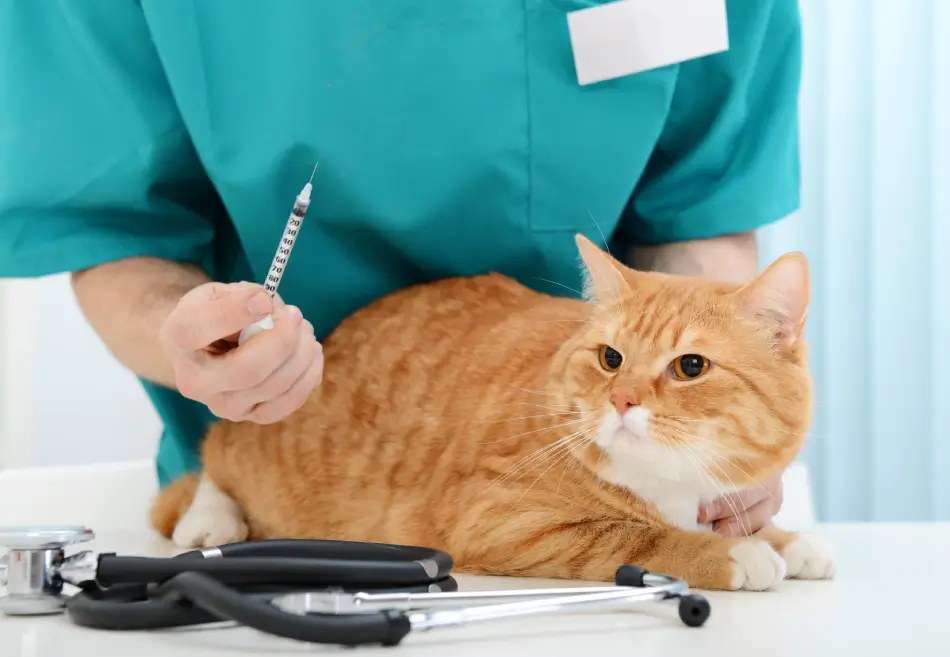
Despite the challenges, Beatrice’s efforts bore fruit. Over time, Marley’s symptoms improved. His thirst diminished, his coat regained its former luster, and he became more playful and energetic. Beatrice cherished every moment with Marley, grateful for the opportunity to provide him with the care he deserved.
By Matthew Kornya BSc, DVM, DVSc, DACVIM (SAIM), Resident ACVECC
Dr. Kornya is an Internal Medicine Specialist and Emergency and Critical Care Resident at the Ontario Veterinary College. He previously worked for several years as a feline veterinarian. His areas of interest include hematology and coagulation medicine, feline medicine, and extracorporeal therapies. He lives with many cats and a cockatiel.