
 Pet News


Summary
When Jake, an older corgi, became restless and started chewing on himself, the diagnosis was clear: he had a flea infestation. Fleas are more than just a minor pest for your pet friends; they can infest homes and transmit diseases. Similarly, ticks aren’t just an outdoor problem. Once attached, they can cause localized inflammation and potentially transfer tick-borne diseases. Read this comprehensive guide by Dr. Karen E. Mueller, DVM, to understand the life cycles of these parasites, recognize an infestation, and most importantly, discover effective treatments. Every dog deserves a life free from these unwelcome guests!
Dr. Miller listened to Mr. Stevens, a rugged man with weathered hands, speak with growing concern about his dog, Jake. “Never seen him this bad, Doc. He’s restless, chewing on himself all night.”
The clinic was small but efficient. The smell was clean, the tables scrubbed to a shine. Jake lay on the examination table, eyes clouded with age, but with the dignity only an old dog could possess. He didn’t flinch as Dr. Miller combed through his fur, finding the enemy.
“Fleas,” he declared, looking at the tiny, dark intruder trapped in the metal teeth. The word hung in the air, a declaration of war.
With the practiced ease of years in the trenches, Dr. Miller outlined the plan. The enemy may be old, but the treatments were relatively new. The reassurances flowed, a balm to Stevens’ worries. “We’ll get Jake back to his old self, Mr. Stevens. No creature should live with such unwelcome guests.
Introduction
Anyone who has had dogs for very long has probably come across fleas or ticks at some point. If you’re new to pets, maybe you haven’t had this “pleasure” yet. Fleas are the most common skin parasite of our companion animals, and the one that causes the most misery by far. Ticks tend to do their damage more subtly, as they’re usually not very itchy.
You might wonder, what’s the big deal with a few flea or tick bites? After all, we don’t get too excited with a few mosquito bites. However, it is a big deal, and it’s a lot worse than a few mosquito bites you get while out camping in the Pacific Northwest. Generally, we get a few mosquito bites outdoors, then go back inside and forget about them. Mosquito bites itch, but the itching goes away after a few days, and you don’t usually get sick from mosquitoes.
When dogs get fleas or ticks, they can’t escape them by going indoors. Fleas hop off your dog and begin to infest your home, whereas ticks stay attached. Both can transmit diseases to your pet, and as veterinarians we take them very seriously.
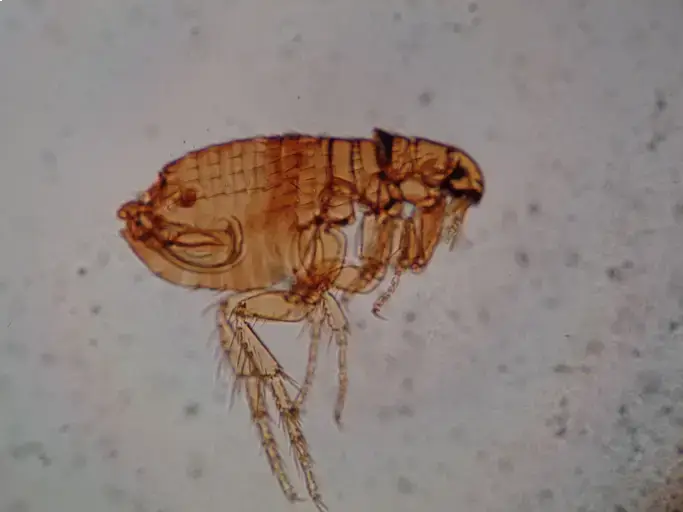
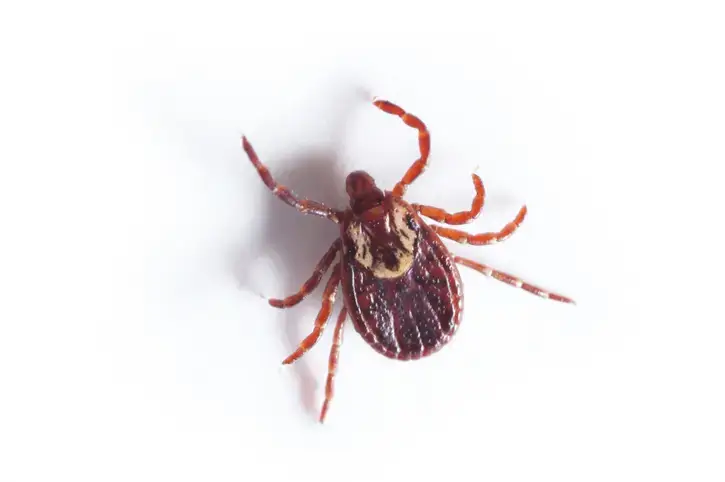
The Life Cycle of a Flea
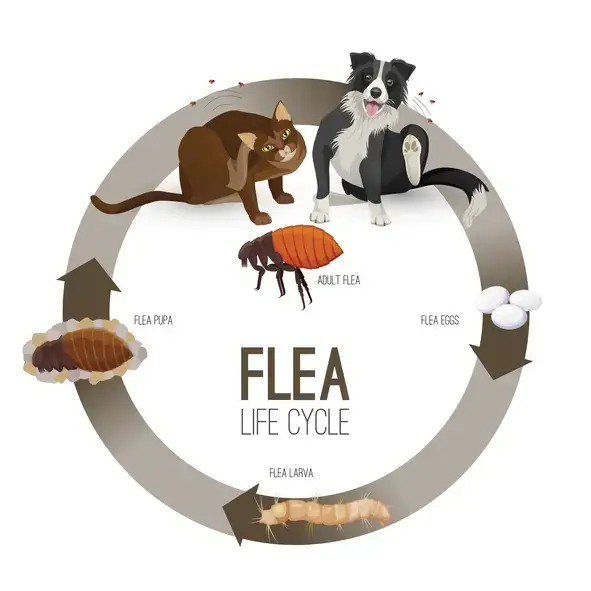
Like most insects, the life cycle of a flea goes through four life stages: egg, larva, pupa, and adult.
- Egg: The adult female feeds on a dog, then begins laying eggs. She typically lays eggs on her host, and many of these fall off into the environment.
- Larva: Within a few days, the eggs hatch into larvae. These feed on organic debris in their environment, including flea feces containing undigested blood of their host (your dog).
- Pupa: Within 1-2 weeks, the larvae spin cocoons in which they develop into adults. This can take days to months, depending on environmental factors.
- Adult: Adult fleas emerge from the cocoons when they sense that a host is nearby and will jump onto that host to feed and lay eggs. This completes the life cycle.
Advertisement
The Life Cycle of a Tick
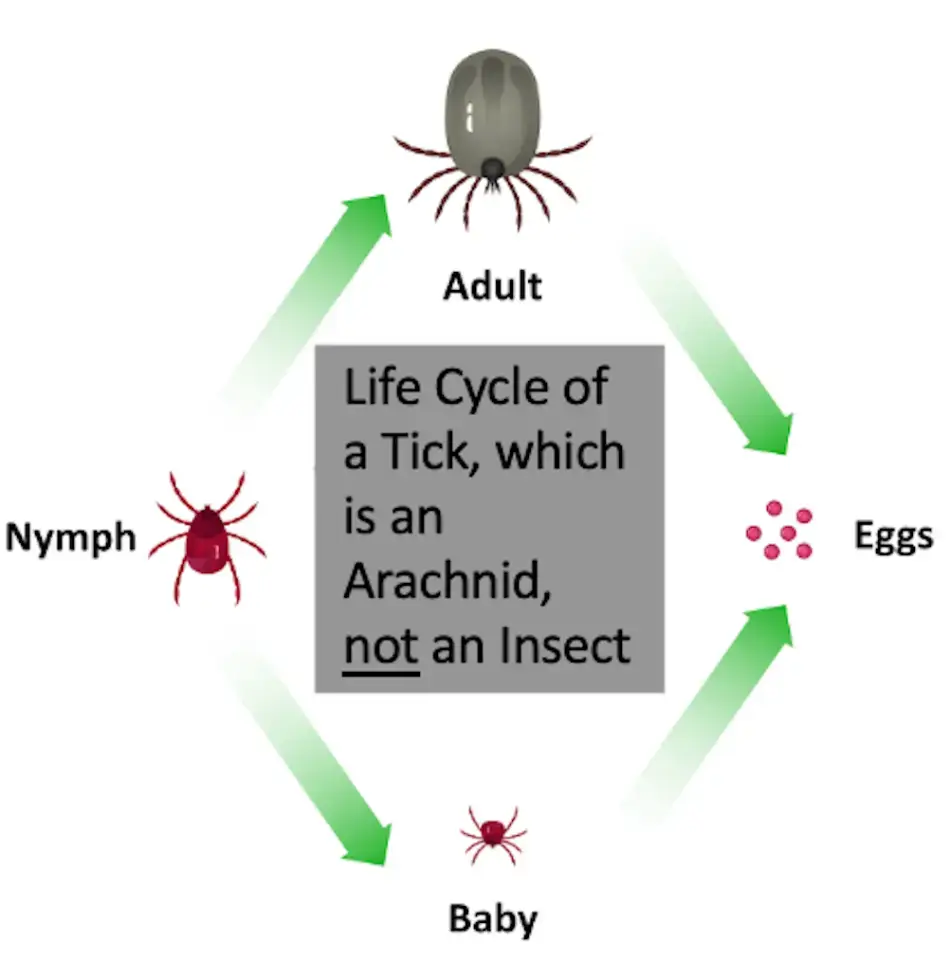
Although commonly called insects, ticks are actually arachnids and are in the spider family. Whereas spiders go through three life stages, ticks go through four: egg, larva, nymph, and adult.
- Egg: The female tick lays thousands of eggs on the ground.
- Larva: The larva hatch into tiny “seed” ticks, which feed on the ground, and molt into slightly larger nymphs.
- Nymph: The nymph will seek out and feed on a host, then molt into an adult tick.
- Adult: The adult tick will seek a host animal, feed until engorged, then mate. Females will lay their eggs in a protected habitat on the ground, then die. Male ticks will mate with one or more females, then usually die soon after mating.
Advertisement
Common Signs of Fleas on Dogs

- Itchiness: The most common sign first noted by pet owners is itchiness. Dogs will scratch, bite, chew at themselves, rub themselves on available surfaces, or pull at their hair to relieve their itchiness. Read more in our PHH article Itchiness (Pruritus) in Dogs.


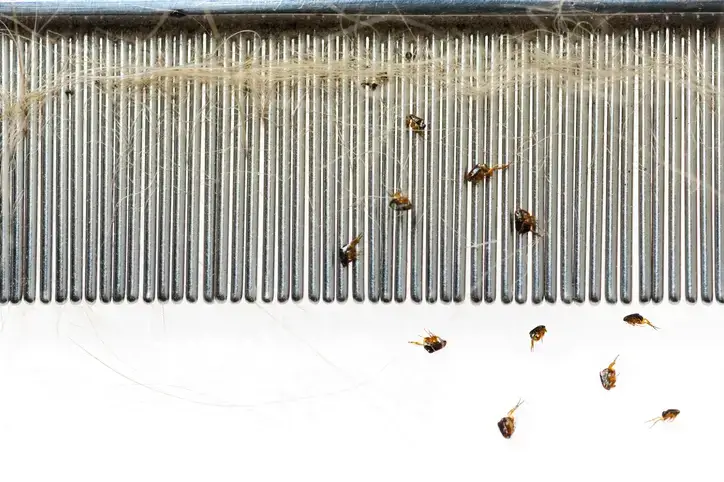
- Live fleas: Live fleas can be found if the dog has not been treated with flea control; dead fleas might be found after treatment. A fine metal-tooth flea comb is recommended as the teeth are less likely to bend with combing. Be sure to comb thoroughly and all the way through the fur to the pet’s skin all over the body, especially over the rump, the tummy, along the neck and behind the ears.

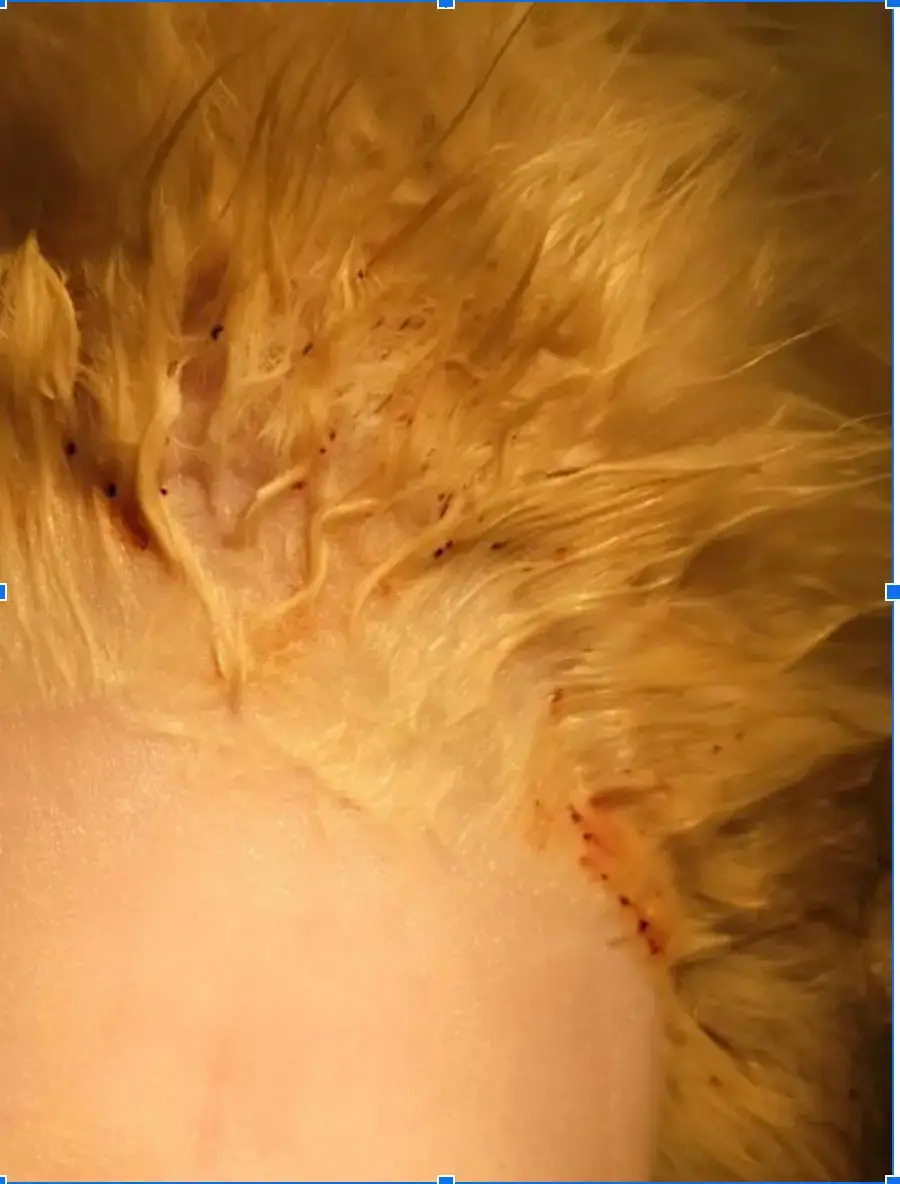
- Flea dirt: Flea dirt, or flea feces, looks like small black dots on or near the skin of your dog. It can also look like tiny black curls. To confirm it is flea feces, you can put it on white paper and moisten it with water–if it turns red, that confirms it is undigested blood from the fleas biting your pet.
- Flea eggs: Flea eggs are white specks which can be seen on the dog’s skin. If you comb them or shake their bedding over a dark surface you may see these specks, which confirm the presence of fleas in the pet’s environment.
- Hair loss: Hair loss, or alopecia, is often seen as a result of persistent scratching, biting, or chewing.
- Overgrooming in dogs: Alopecia, flaking (dandruff), and papules seen over the rump at the base of the tail, the back of the thighs, and the lower abdomen.
- Tapeworm segments: Tapeworm segments seen in the dog’s stool, on the fur around the anus, or on the bedding, are supportive of a flea infestation because when pets swallow fleas when they groom themselves, they also swallow the infective stage of the tapeworm.
Common Signs of Ticks on Dogs
- Dog owners often see a tick crawling on, or attached to their pet. Ticks can look like a small pebble or bump on the dog, and when attached, range in size from a pinhead to almost as big as a grape.
- Ticks are often felt by pet owners on their dog. Fortunately, through loving handling—petting, grooming, exercise, and play, many ticks are discovered, and disease can be prevented because the ticks can be removed quickly.
- Itchiness: Ticks can be irritating and itchy. It’s important to pay attention to where and when your dog is scratching and look for the cause.
- Redness and inflammation: Ticks can cause a localized inflammatory response and even infection.
- Appetite loss: Tick-borne diseases can cause systemic illness. If your dog becomes ill, please see your veterinarian. If you are, or were recently traveling, inform them if you were in an area where there were ticks, or if your dog has had recent tick bites.
- Fever: Tick-borne diseases may present with fever.

Treatment for Fleas and Ticks
There are many excellent and safe products currently available for fleas and ticks. It is best to choose veterinary-recommended products and avoid inexpensive products with older chemicals which tend to be less safe and less effective. This is very important when it comes to cats, as they are particularly sensitive to many chemicals.
When it comes to flea and tick products, you get what you pay for. Even though they are a significant expense, considering the quality of life upgrade they can bring to both you and your dog, they are worth their weight in gold. When you think that your dog could have been crawling in fleas, and they are now flea-free, that is a real gift. Or that they could be contracting a tick-borne illness after that great walk in the woods yesterday—but they’re now safe at home and healthy with no tick bites—what a wonderful feeling of relief that is.
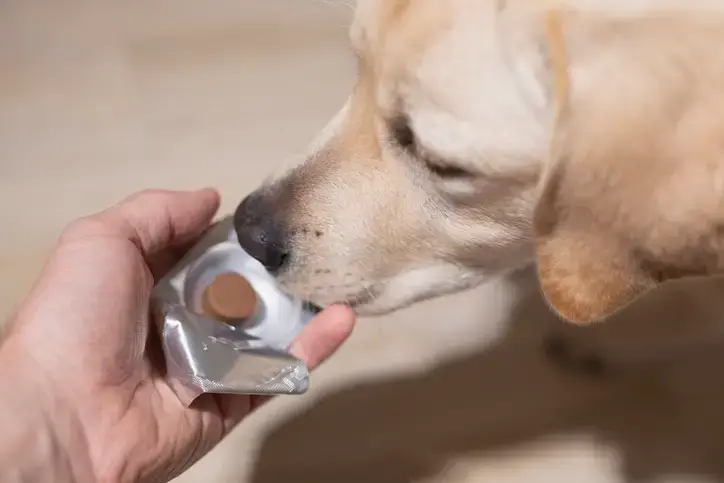
Probably the most significant consideration for dog owners is whether to utilize oral flea and tick control, or to use topical treatment. Most veterinarians recommend flea control products that also prevent heartworms and kill some intestinal parasites, as well as fleas and ticks. Some lifestyle considerations such as how often you bathe your dog or if they go swimming might affect your product choice.
Each product has different qualities so you will need to check product labels carefully to see which one will perform best for you and your dog. Don’t hesitate to ask for assistance from your veterinary staff or store clerk.
This is an excellent topical product for fleas, ticks, and mosquitoes.
This flea and tick collar lasts 8 months.
This cat flea and tick collar lasts 8 months.
For you dog owners who also own cats, the most important consideration is to BE SURE TO PURCHASE A PRODUCT THAT IS MADE FOR CATS! This cannot be stressed strongly enough!
Although many of the chemicals used for cat and dog flea and tick control are the same, the concentrations often differ. This dosing makes a big difference in the safety for cats. Many cats have become sick, and some have died from being dosed with dog products.

When to treat
We used to say treat for fleas in the spring and stop in the fall. However, as temperatures have become warmer, fleas have been noted almost year-round where I live in the Pacific Northwest, so many people now treat year-round.
Since heartworm prevention is often combined with flea control, and heartworm prevention must be given monthly without fail, many people already have their dogs on monthly flea and tick control along with it.
People in colder climates with harsh winters who are only treating for fleas and ticks (not heartworm) can use flea control only in the months when the fleas and ticks are active.

By Karen E. Mueller DVM, AVCA Certified
Dr. Mueller has over 30 years of experience in general small animal veterinary practice, feline medicine, and shelter medicine. Dedicated to preventing pain in pets and improving their quality of life, she currently has an animal chiropractic practice in Bellingham, WA. Dr. Mueller is also passionate about reducing pet overpopulation and works with high-volume, low-cost spay and neuter nonprofit programs throughout the Pacific Northwest.