 Pet News

Summary
Maintaining your dog’s eye health is crucial for their overall well-being. Regular eye and eyelid cleaning helps prevent everything from minor irritations to severe infections. This guide emphasizes that long hair around a dog’s face and ears can be unhygienic and detrimental to eye health. Cleaning your dog’s eyes requires proper restraint and patience. Gather necessary supplies, including short nails, clean hands, treats, and eye wash. Restrain your dog comfortably, considering their size and temperament. Remember, making the experience positive is essential for your dog’s cooperation.
Introduction
As a dog parent, ensuring your furry friend’s overall health and hygiene is paramount. One of the areas that often needs attention but is sometimes overlooked is your dog’s eyes and eyelids.
Regular eye cleaning can help prevent a range of health issues, from minor irritations to severe infections. This two-part guide will walk you through the process of cleaning your dog’s eyes safely and effectively. It is important to understand that if you are having to clean the eyes and/or eyelids more than once every day (especially if there is constant mucoid discharge) this is unusual and you should seek veterinary care for your dog, as it might have dry eye.
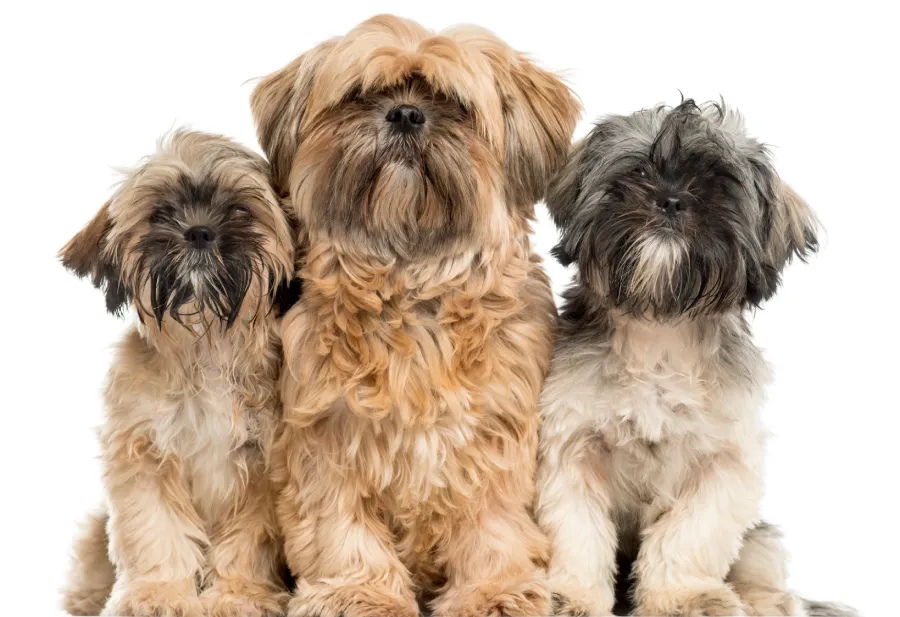
A note regarding dogs with long hair on their faces and ears: nature did not intend for your dog to have long hair. Humans have bred and “designed” dogs to intentionally look the way they do. Canines in the wild do not have long hair. A wolf in the wild with long hair flopping over their eyes would not last long.
Dogs are not naturally meant to have long hair on their faces that covers and/or contacts their eyes, or long hair on their ears. Think about long ear and facial hair: where does it go when the dog bends its head to eat, drink, or sniff the ground? If the dog is outside and the ear hair contacts whatever is being sniffed and then flips around and contacts the eyes (or your hands), what is OK about that?
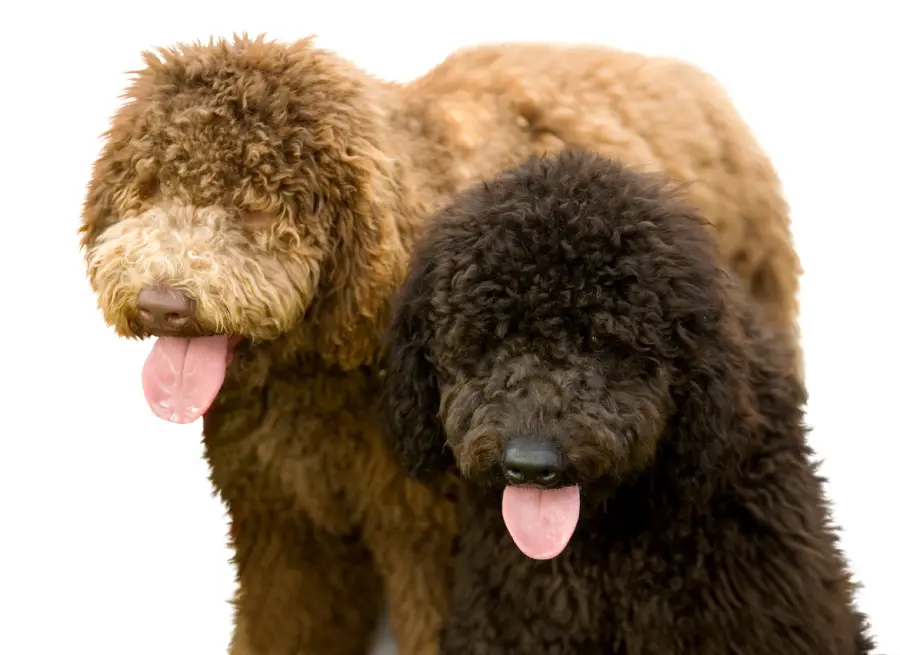
Also think about facial and ear hair as acting like a dustmop: pollen, fungal spores, soil, dust, allergens, and bacteria are collected on the hair and then deposited on the eyes. Dogs shake their heads a lot, which flips hair into their eyes. They also rub their faces on carpet and with their paws. No wonder dogs with allergies suffer with itchy eyes!
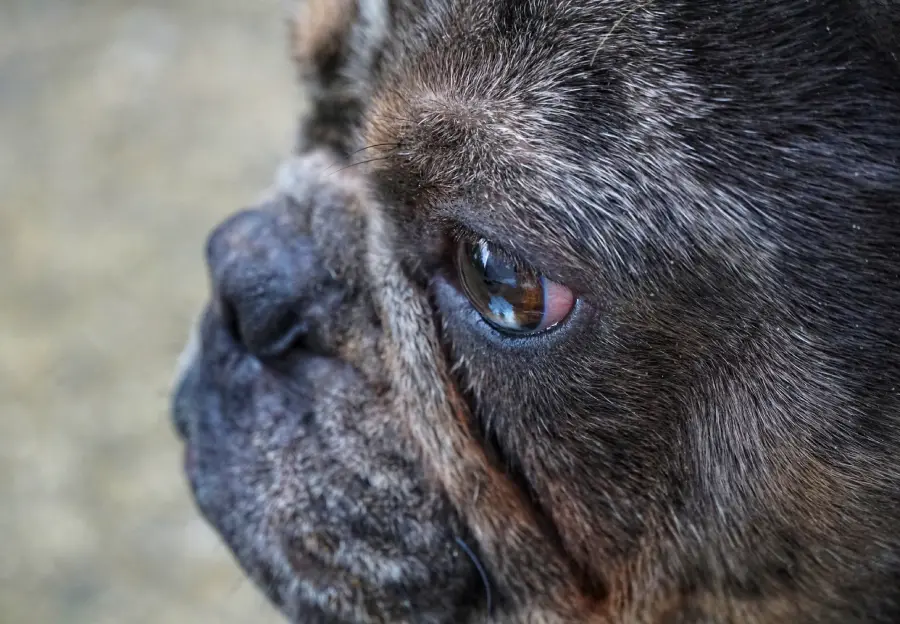
Hair (whether clean, wet, dry, matted, and/or caked with discharge) covering and contacting eyes is not hygienic, is irritating, and contributes to eye injury and reduced vision. Hair does NOT protect the eyes; it does the opposite. Just because a dog is not bumping into things while having a curtain of hair over its eyes, does not mean that their vision is not impaired. They are seeing AROUND the hair, and most of the time this is good enough for them to not make obvious visual mistakes, but that does not mean that it is OK.
Properly trimming facial and ear hair is covered further in a separate article in Pethealthharbour.com, but it is important to understand that part of the cleaning process for your dog’s eyes is to remove ANY hair that is contacting or in danger of contacting the eyes—including long ear hair.
If there are wisps or clumps of sticky hair contacting the eye(s) or in danger of contacting the eyes, these must be removed (and not braided or hair-clipped away from the eyes—do the right thing and cut it off!).
If you are unsure as to how to do this, have a groomer or your veterinary team perform this important duty for your dog. When veterinary staff trim the hair, it is a “medical trim” and not a professional camera-ready trim like what a groomer would do. But the necessity is to cut the hair away from the eyes to protect the eyes and give your dog the best vision.
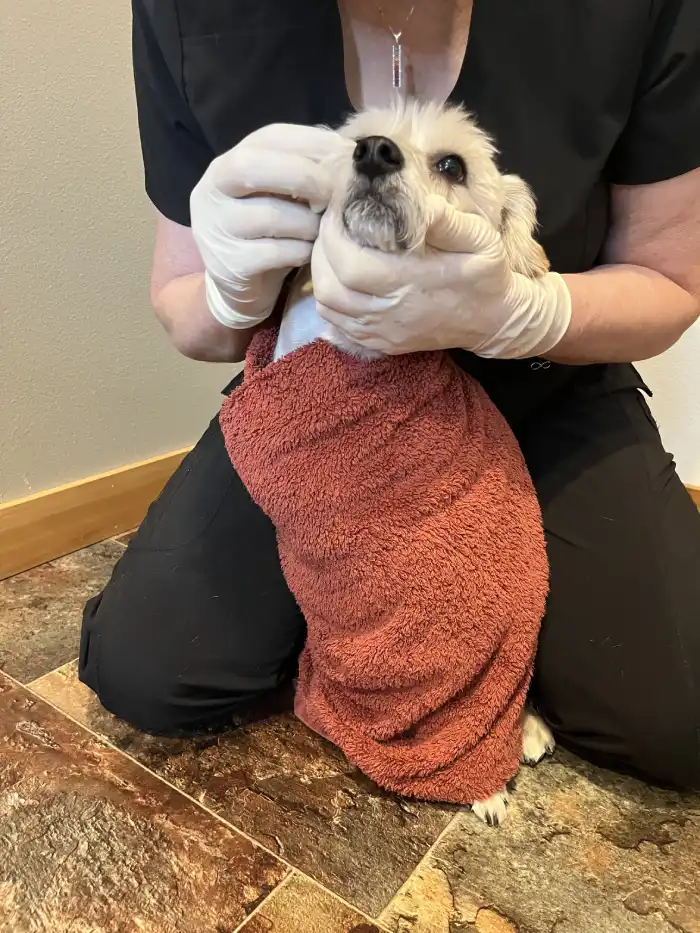
Because cleaning your dog’s eyes and their ears, trimming facial and ear hair, brushing their teeth, and trimming their nails are health care tasks that will be repeated regularly during your pet’s lifetime, she must get used to the process and accept it.
So start early! Get your dog used to being restrained and to what you are doing. Begin with practice sessions and give treats throughout the process. This will make it much easier on both of you, when you are cleaning their eyes in the future.
A word of caution: don’t try to do too many things to your dog in one session. They need breaks. Do the most important task first in case your dog “burns out”.
Advertisement
Preparation and Supplies
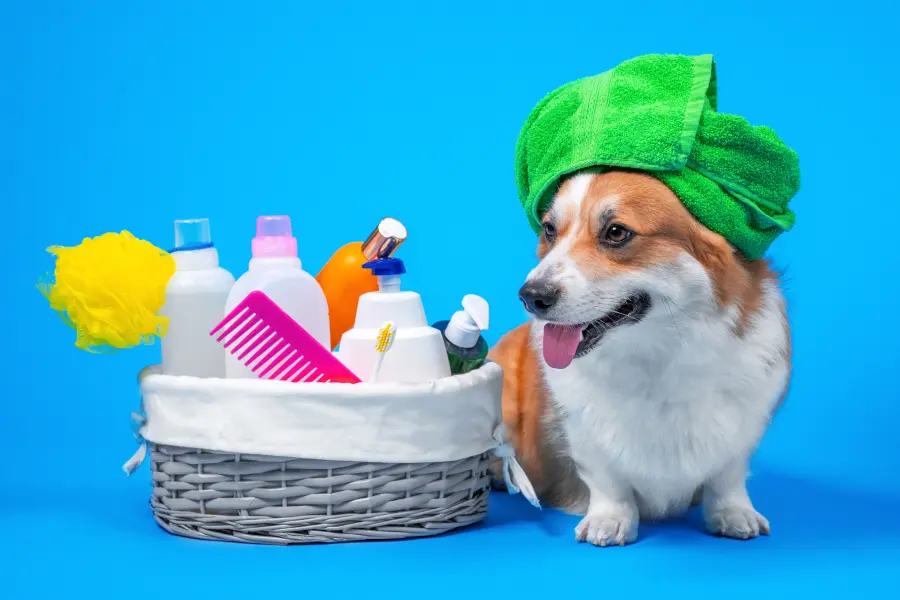
Before we dive into the procedure, it’s essential to plan ahead and gather all the necessary supplies. Remember, using inappropriate or unclean tools (and think of your hands as tools—they should be clean and have short fingernails!) could potentially harm your dog’s eyes or introduce infections.
- Once you have your pet restrained, is there anything else that you will need to do for them while they are in this position? Will they tolerate multiple things being done to them while being restrained? If yes, then have everything you need readily available. Some pets will only give you one chance.
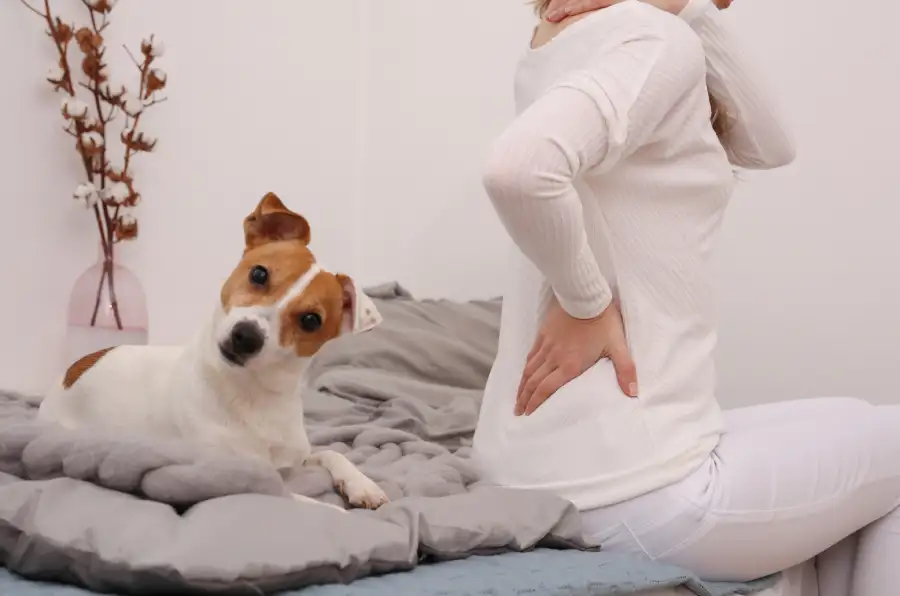
- Think about ergonomics, and whether you will need another person to help you. Can you kneel on the floor? Must you sit in a chair? Do you need lumbar back support? Do you need a table? Is your pet limited in how they can be positioned?
- If your pet is painful (eye, spine, leg, etc.) and especially if the eye(s) have painful corneal ulcers or are fragile (i.e. they might rupture because of deep ulcers), schedule the eye cleaning after pain medications have been given and your pet is feeling better.
- Place all other pets in a separate room so that they are not distractive or disruptive. However, some smart dogs will watch what you are doing to your other pet, and they will want their turn to have the same thing done to them! Especially when they see that treats are involved.
- Give a sedative beforehand if necessary.
- If your pet is receiving medicated eye drops and/or ointment: after you gently rinse debris from the eye(s) you will need to wait 5 minutes before applying eye medication, or else the medication will be diluted and “washed away” by the previously-applied eye rinse fluid (which hangs around on the eye surface for up to 5 minutes after application).
- However, if you just need to clean discharge from the lids, then you can also apply any medication(s) to the eyes at the time of cleaning.
- And remember: only apply one drop of a medicated eye solution (one drop is plenty!); separate different eye drop medications by 5 minutes; and apply thickest eye medications (i.e. ointment or gel) last.
You will need the following items, as they are crucial to ensure a safe and effective eye cleaning process:
- Short fingernails. Do not clean your pet’s eyes or apply eye or ear medications if you have long fingernails—you might scratch your dog’s eye(s) or injure them in other ways. Dogs move and shake their heads. They wiggle. Long fingernails can be unintentional weapons. Additionally, artificial acrylic fingernails are a threat to your dog’s eyes, as they can harbor fungus, Staphylococcus aureus bacteria, and other organisms.
- Clean hands (wash them before and after, rinsing soap off well).
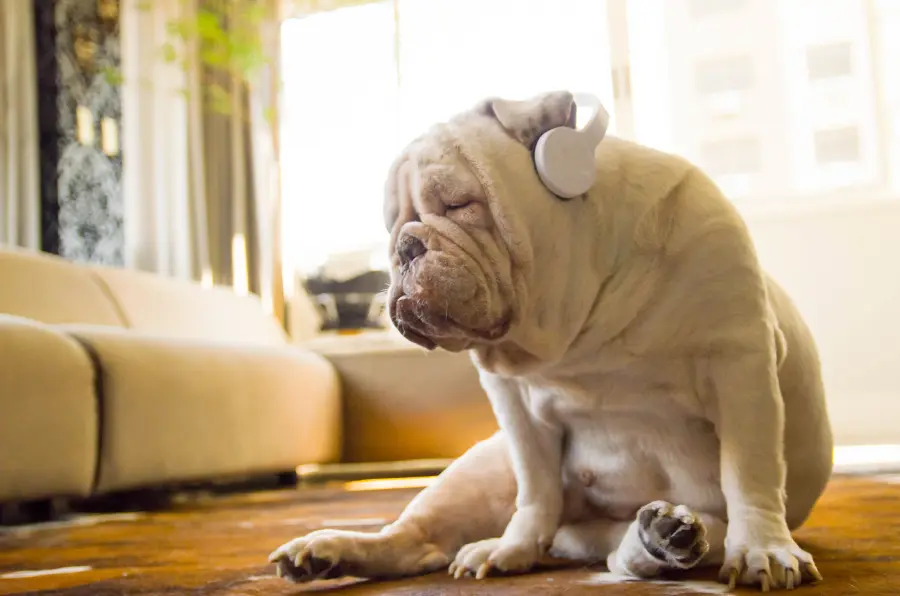
- A calm, quiet environment. Sometimes music helps both the owner and the dog—there are plenty of choices for relaxing music and sounds:
- Treats! (before, during and after—make this a “reward time” for your pet!). Here are some suggestions:
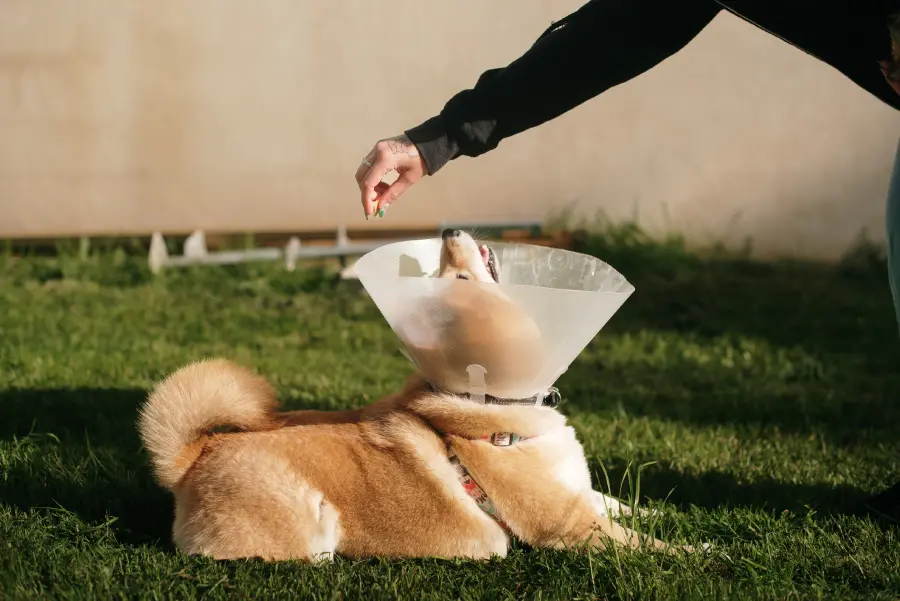
- Towel for restraint if necessary
- Hanging harness (for small dogs that hate being restrained). This also is handy for trimming nails on difficult dogs):
- A muzzle if necessary
Sterile eye rinse (also sometimes labeled “eye wash”)
- Preservative free eye rinse is optimal
2. Eye rinse with preservatives is acceptable (avoid products containing the preservative benzalkonium chloride)
- 2″ x 2″ gauze squares (sterile best but non-sterile is acceptable)
- Facial tissues
- I-Lid n’ Lash® Vet Hygiene
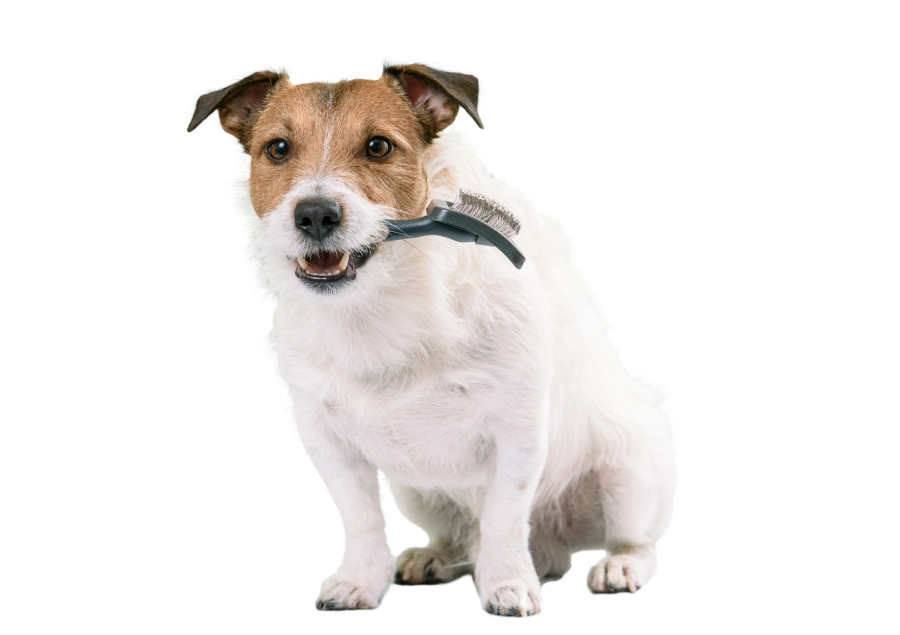
- Plastic flea comb (do not use combs with metal teeth, as can injure the eye). Pack of 4ct combs
- Blunt-tipped grooming scissors
Now that you have gathered the necessary supplies and have your plan in place, we are ready to proceed! Part II of this article series details how to clean your dog’s eyelids and eyes.

By Terri L. McCalla BSc, DVM, MS, Diplomate ACVO
Dr. Terri McCalla Dr. McCalla received a BS in Animal Health Science from the University of Arizona, followed by her DVM degrees from both Oregon and Washington State Universities in 1984. She completed a 3 year residency in Comparative Ophthalmology from the University of Missouri and became board-certified in the American College of Veterinary Ophthalmologists (ACVO) in 1989.