
 Pet News


Summary
Dr. Karen E. Mueller’s article outlines common signs of fleas and ticks on cats. Fleas, skin parasites frequently seen, and ticks, subtler but equally concerning, pose health risks to pets. Understanding their life cycles is important; fleas progress through egg, larva, pupa, and adult stages, while ticks undergo egg, larva, nymph, and adult phases.
Signs of infestation include itchiness, visible parasites, flea dirt, eggs, hair loss, and sometimes tapeworm segments. Ticks may be felt or seen on cats, and may cause irritation, redness, and potentially, systemic illness. Treatment options, including veterinary-recommended products, are emphasized, with considerations for cat safety.
Regular treatment and home care, such as vacuuming, aid in prevention. This article underscores the importance of preventive measures for pet health and happiness, promoting informed decision-making for effective parasite control.
Dr. Filberta McGee, a dedicated newly graduated veterinarian, found herself facing a challenge one summer afternoon at her clinic. A distressed cat named Roscoe was brought in by his concerned adopted pet parent, Mrs. Thompson. Roscoe, usually a sprightly feline, was lethargic and incessantly scratching. Roscoe was an abandoned cat that had been living in an old, derelict automobile and been rescued by a well meaning neighbor of Mrs. Thompson. Mrs. Thompson offered to take Roscoe in.
Upon examination, Dr. McGee discovered that Roscoe was suffering from a severe flea and tick infestation. With compassion and newly minted expertise, she swiftly implemented a treatment plan, explaining each step to Mrs. Thompson. As the treatment progressed, Roscoe gradually regained his energy thanks to being rid of these pesky parasites.
Moved by Roscoe’s ordeal, Dr. McGee asked Dr. Karen E. Mueller, a seasoned veterinarian with more years of experience, to pen this article outlining common signs of fleas and ticks on cats, aiming to educate pet owners and alleviate their concerns. Through her dedication to animal welfare and proactive approach to veterinary care, Dr. Mueller and Dr. McGee continue to make a difference in the lives of pets like Roscoe, ensuring they remain healthy, happy, and free from parasites.
Introduction
Anyone who has had cats for very long has probably come across fleas or ticks at some point. If you’re new to pets, maybe you haven’t had this “pleasure” yet. Fleas are the most common skin parasite of our companion animals, and the one that causes the most misery by far. Ticks tend to do their damage more subtly, as they’re not usually very itchy.
You might wonder, what’s the big deal with a few flea or tick bites? After all, we don’t get too excited with a few mosquito bites. However, it is a big deal, and it’s a lot worse than a few mosquito bites you get while out camping in the Pacific Northwest.
Generally, we get a few mosquito bites outdoors, then go back inside and forget about them. Mosquito bites itch, but the itching goes away after a few days, and you don’t usually get sick from mosquitoes (at least not in Washington State).
When cats get fleas or ticks, they can’t escape them by going indoors. Fleas hop off your cat and begin to infest your home, whereas ticks stay attached. Both can transmit diseases to your pet, and as veterinarians we take them very seriously.
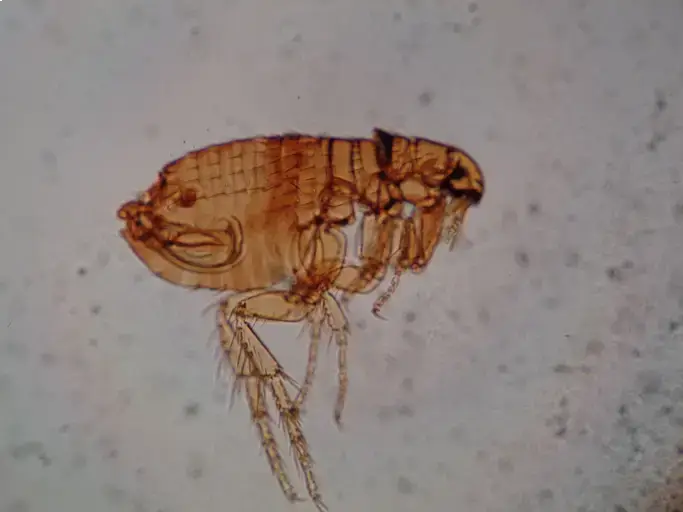
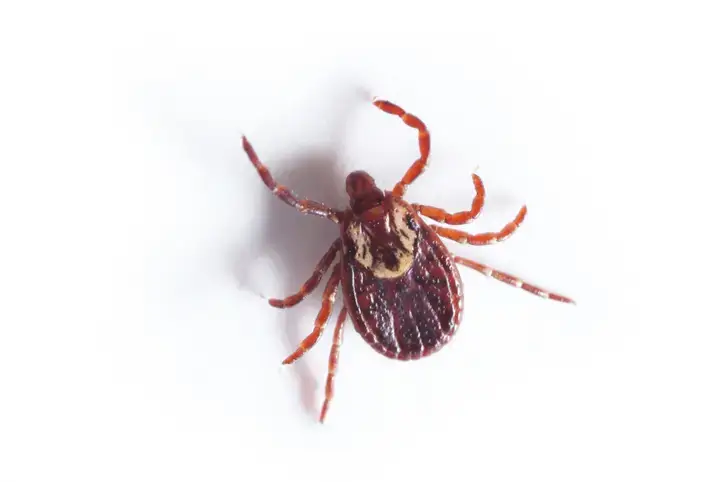
The Life Cycle of a Flea
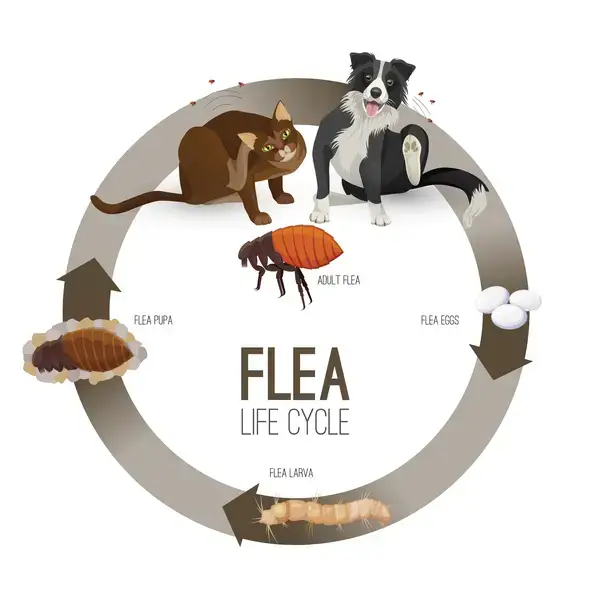
Like most insects, the life cycle of a flea goes through four life stages: egg, larva, pupa, and adult.
- Egg: The adult female feeds on a cat, then begins laying eggs. She typically lays eggs on her host, and many of these fall off into the environment.
- Larva: Within a few days, the eggs hatch into larvae. These feed on organic debris in their environment, including flea feces containing undigested blood of their host (your cat).
- Pupa: Within 1-2 weeks, the larvae spin cocoons in which they develop into adults. This can take days to months, depending on environmental factors.
- Adult: Adult fleas emerge from the cocoons when they sense that a host is nearby and will jump onto that host to feed and lay eggs. This completes the life cycle.
Advertisement
The Life Cycle of a Tick
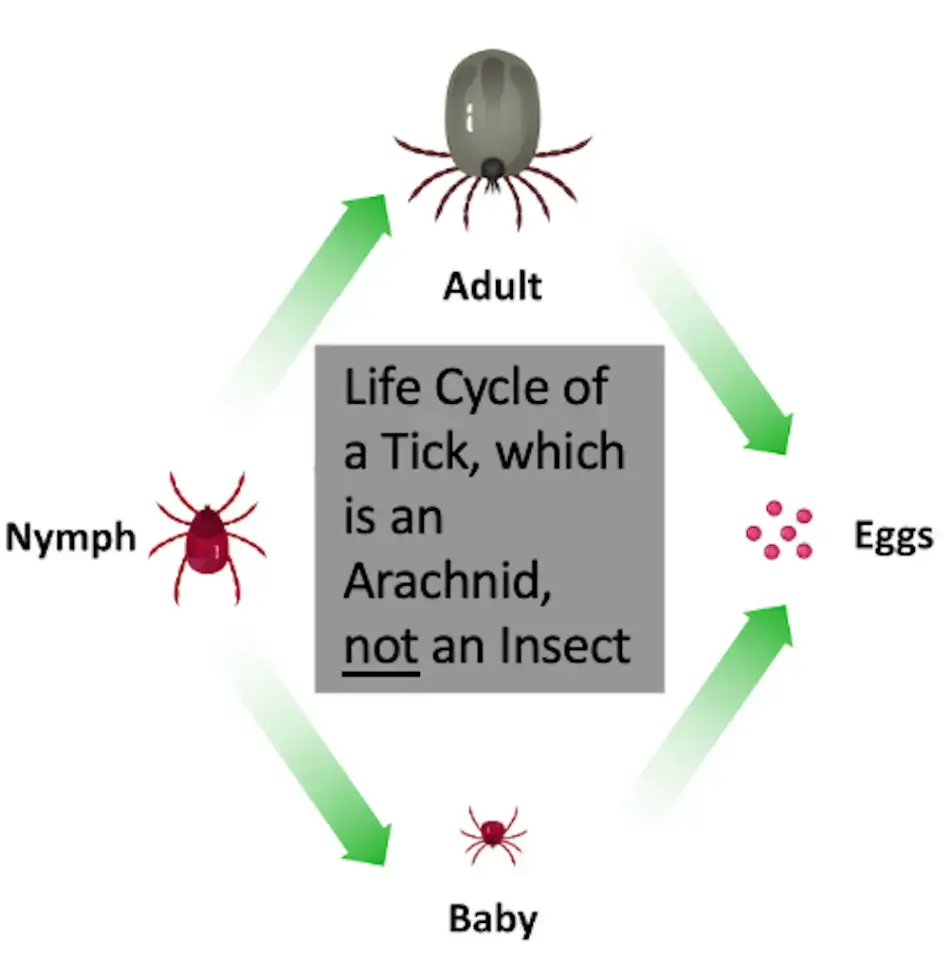
Although commonly called insects, ticks are actually arachnids and are in the spider family. Whereas spiders go through three life stages, ticks go through four: egg, larva, nymph, and adult.
- Egg: The female tick lays thousands of eggs on the ground.
- Larva: The larva hatch into tiny “seed” ticks, which feed on the ground, and molt into slightly larger nymphs.
- Nymph: The nymph will seek out and feed on a host, then molt into an adult tick.
- Adult: The adult tick will seek a host animal, feed until engorged, then mate. Females will lay their eggs in a protected habitat on the ground, then die. Male ticks will mate with one or more females, then usually die soon after mating.
Common Signs of Fleas on Cats

- Itchiness: The most common sign first noted by pet owners is itchiness. Cats will scratch, lick, bite, chew at themselves, rub themselves on available surfaces, or pull at their hair to relieve their itchiness. Read more in our PHH article Itchiness (Pruritus) in Cats.
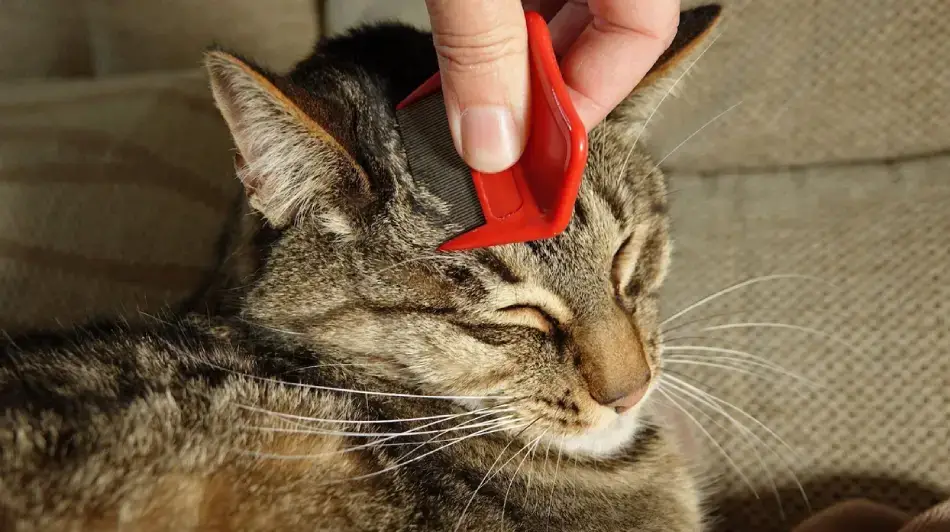

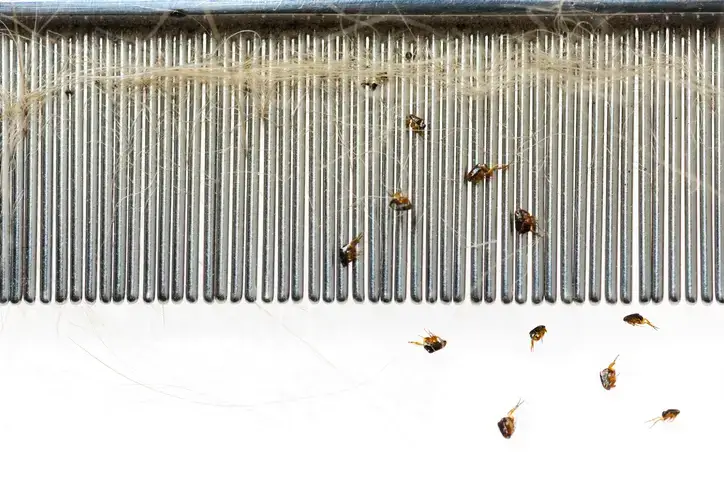
- Live fleas: Live fleas can be found if the cat has not been treated with flea control; dead fleas might be found after treatment. A fine metal-tooth flea comb is recommended as the teeth are less likely to bend with combing. Be sure to comb thoroughly and all the way through the fur to the pet’s skin all over the body, especially over the rump, the tummy, along the neck and behind the ears.


- Flea dirt: Flea dirt, or flea feces, looks like small black dots on or near the skin of your cat. It can also look like tiny black curls. To confirm it is flea feces, you can put it on white paper and moisten it with water–if it turns red, that confirms it is undigested blood from the fleas biting your pet.
- Flea eggs: Flea eggs are white specks which can be seen on your cat’s skin. If you comb them or shake their bedding over a dark surface you may see these specks, which confirm the presence of fleas in the pet’s environment.
- Hair loss: Hair loss, or alopecia, is often seen as a result of persistent scratching, biting, or chewing.
- Overgrooming in cats: Alopecia, pruritic papular dermatitis seen at the back of the neck, over the rump, the back and inner thighs, and the abdomen.
- Tapeworm segments: Tapeworm segments seen in the cat’s stool, on the fur around the anus, or on the bedding, are supportive of a flea infestation because when pets swallow fleas when they groom themselves, they also swallow the infective stage of the tapeworm.
Common Signs of Ticks on Cats
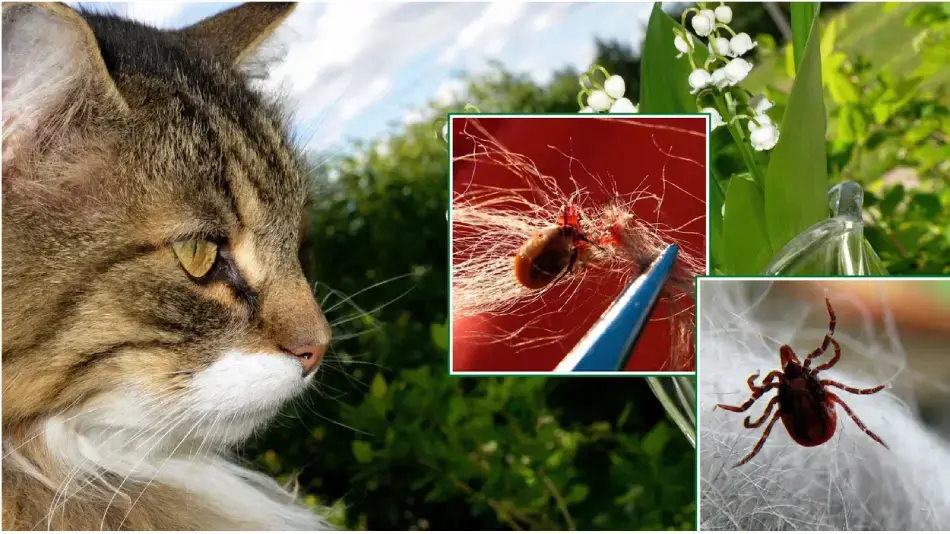
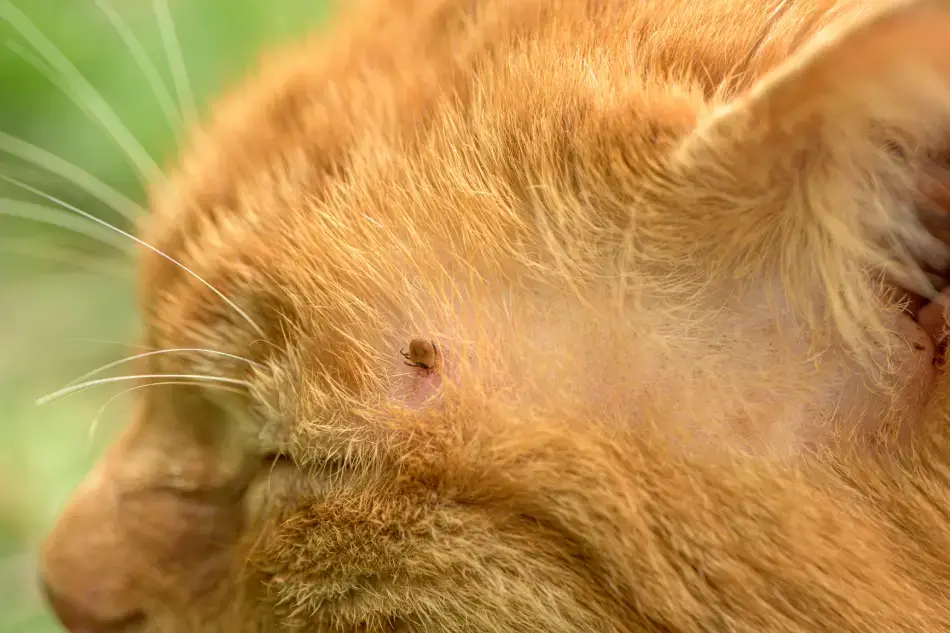
- Cat owners often see a tick crawling on, or attached to their pet. Ticks can look like a small pebble or bump on the cat, and when attached, range in size from a pinhead to almost as big as a grape.
- Ticks are often felt by pet owners on their cat. Fortunately, through loving handling—petting, grooming, exercise, and play, many ticks are discovered, and disease can be prevented because the ticks can be removed quickly.
- Itchiness: Ticks can be irritating and itchy. It’s important to pay attention to where and when your cat is scratching and look for the cause.
- Redness and inflammation: Ticks can cause a localized inflammatory response and even infection.
- Appetite loss: Tick-borne diseases can cause systemic illness. If your cat becomes ill, please see your veterinarian. If you are, or were recently traveling, inform them if you were in an area where there were ticks, or if your cat has had recent tick bites.
- Fever: Tick-borne diseases may present with fever.
Treatment for Fleas and Ticks
There are many excellent and safe products currently available for fleas and ticks. It is best to choose veterinary-recommended products and avoid inexpensive products with older chemicals which tend to be less safe and less effective. This is very important when it comes to cats, as they are particularly sensitive to many chemicals.
When it comes to flea and tick products, you get what you pay for. Even though they are a significant expense, considering the quality of life upgrade they can bring to both you and your pet, they are worth their weight in gold. When you think that your cat could have been crawling in fleas, and they are now flea-free, that is a real gift. Or that they could be contracting a tick-borne illness after that great walk in the woods yesterday—but they’re now safe at home and healthy with no tick bites—what a wonderful feeling of relief that is.
Probably the most significant consideration for cat owners is whether to utilize oral flea and tick control, or to use topical treatment. Most veterinarians recommend flea control products that also prevent heartworms and kill some intestinal parasites, as well as fleas and ticks. Each product has different qualities so you will need to check product labels carefully to see which one will perform best for you and your cat. Don’t hesitate to ask for assistance from your veterinary staff or store clerk.
This is an excellent topical product for fleas, ticks, and mosquitoes:
This is a once a month topical flea prevention and treatment for cats:
This cat flea and tick collar lasts 8 months.
For cat owners the most important consideration is to BE SURE TO PURCHASE A PRODUCT THAT IS MADE FOR CATS! This cannot be stressed strongly enough! Although many of the chemicals used for cat and dog flea and tick control products are the same, the concentrations often differ. This dosing makes a big difference in the safety for cats.
Many cats have become sick, and some have died, from being dosed with dog products. The second consideration is whether to use a topical treatment or a collar. If you choose a collar, make sure it has breakaway safety features, and that it kills ticks if you live in a tick-infested area. Depending on where you live, your veterinarian might recommend heartworm prevention combined with flea and tick control for your cat.
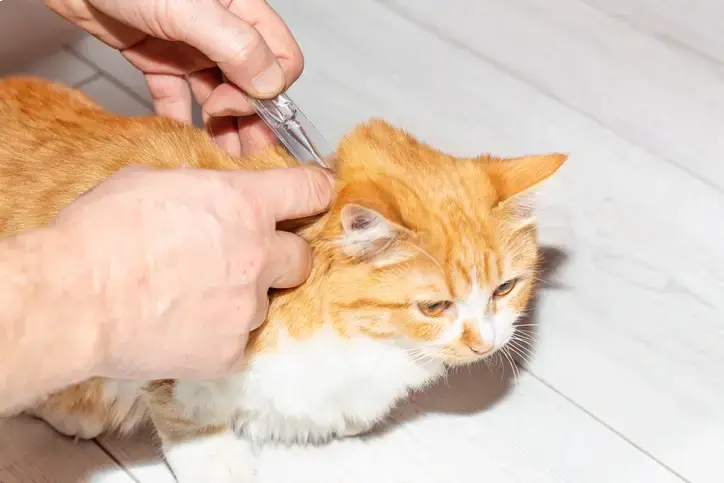
Regarding collars for cats: some people feel that cat collars are never safe for cats to wear; others feel that if collars have safety features to allow them to break away if caught on something, they are safe for cats. I personally feel that breakaway collars in general are usually safe for cats, but there is a very small risk that a cat can strangle even with a breakaway collar. That said, I think that it is important for cats to have flea and tick control if they have exposure to fleas and ticks, and to have identification if they are going outside.
My personal preference would be for them to be microchipped and to keep them indoors, in which case they wouldn’t need to wear a collar. I would also choose a topical flea and tick control product, so they would not need a collar. However, if my cat showed a sensitivity to where a topical flea and tick product was applied, or the flea and tick product was not working well on the parasites in my area, I would choose a flea and tick collar rather than a topical product.
Advertisement
When to treat
In moderate climates, we used to say treat for fleas in the spring and discontinue treating in the fall. However, as temperatures have become warmer, fleas have been noted almost year-round so many people now treat every month.
Since heartworm prevention is often combined with flea control, and heartworm prevention must be given monthly without fail, many people already have their cats on monthly flea and tick control as well.
People in colder climates with harsh winters who are only treating for fleas and ticks (not heartworm) can use flea control only in the months when the fleas and ticks are active.
Home Treatment
Vacuuming your home significantly helps reduce the flea egg, larva, pupae, and adult flea burden, especially in carpets and under furniture, and on furniture where the cats frequent. If you only have a few fleas and one or two pets, you probably won’t need to spray your home.
Using the topical or oral flea control previously discussed should take care of your cat’s mild flea problem. If you see many fleas and have several or more pets, you will probably need to treat your premises.
Foggers, or bombs, used to be popular, but have mostly given way to hand-held sprays. Foggers release into the air and “rain” back down in a falling mist with good coverage on surfaces, but do not get under anything blocking them.
Thus, crevices under furniture and in corners where fleas like to hide, get missed. Hand-held sprays are more popular and can be aimed more accurately. Most sprays have an insect growth regulator, or IGR, some type of insecticide, and have long residual activity.
Most of the time it is not necessary to treat your outdoor areas. If you must treat outdoors, concentrate on shaded areas. Consider that reinfestation may occur from feral cats and wildlife. To help keep your home clear from ticks, keep your yard maintained and free from tick habitat such as tall grasses, brushy edges, and brush piles.
Advertisement
Freedom from Fleas and Ticks = Free to be Happy!
We are so lucky to live in a time when we have excellent, safe, effective flea and tick products for cats available to us. They make it so millions of cats no longer must suffer from these parasites day in and day out.
Now that you better understand fleas and ticks, you can find the right products for your pets and help prevent their suffering from these parasites. Keep in mind, the right products might include heartworm control, so please contact your veterinarian before deciding, since that might influence your decision.
Give your cat flea and tick control, at least through the flea and tick season. Give them lots of love, and pet, touch, and brush them all over. And when they’re calm and happy with you, not itching and restless, and just enjoying your company—you can all be happy to be flea and tick free!

By Karen E. Mueller DVM, AVCA Certified
Dr. Mueller has over 30 years of experience in general small animal veterinary practice, feline medicine, and shelter medicine. Dedicated to preventing pain in pets and improving their quality of life, she currently has an animal chiropractic practice in Bellingham, WA. Dr. Mueller is also passionate about reducing pet overpopulation and works with high-volume, low-cost spay and neuter nonprofit programs throughout the Pacific Northwest.