 Pet News

Summary
As our cherished feline companions grow older, ensuring their comfort and minimizing pain becomes a paramount concern for both veterinarians and pet owners. Aging in cats, just like in humans, can bring about a range of health challenges, including joint pain, decreased mobility, and other age-related conditions that may affect their quality of life. This article aims to provide a comprehensive guide to recognizing signs of discomfort in senior cats, exploring diagnostic options like radiographs and bloodwork, and discussing effective pain management strategies.
From natural supplements and lifestyle modifications, to pharmaceutical interventions such as NSAIDs and other medications, we delve into various methods to help your senior cat live a more comfortable, pain-free life. We also cover practical adjustments to your home environment to aid in mobility and access, ensuring your aging cat can enjoy their golden years to the fullest. By adopting a proactive approach to their health and wellbeing, you can significantly enhance the life of your senior feline friend.
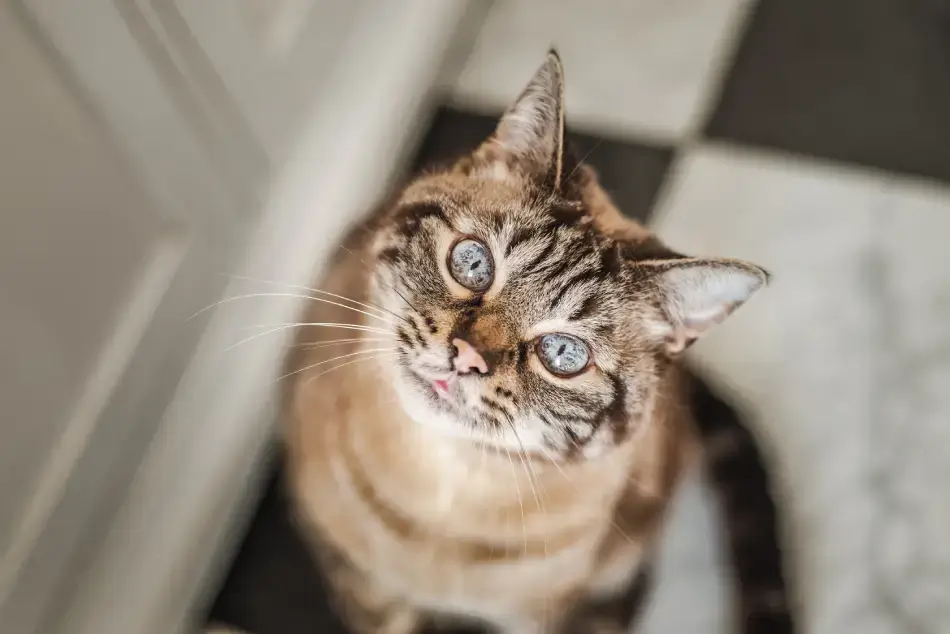
One long-time patient of mine is Jasper, a dignified tabby with a demeanor as soft as his fur, who has been a steadfast companion to his family for over a dozen years. As he’s aged, the signs of discomfort and the subtle shift in his behavior have become more pronounced, drawing us into a shared mission of care and comfort.
The art of managing pain in senior cats, like Jasper, requires a blend of vigilance and empathy. It begins with understanding the nuanced ways they communicate discomfort—be it a hesitance to leap onto favorite perches or a less palpable zest for play. Our toolkit for easing their journey is multifaceted: from the precision of pharmaceutical aids to the gentle support of supplements and environmental adjustments.
Each cat’s needs are as unique as their personality, demanding a tailored approach that respects their individuality and the bond they share with their families.
In Jasper’s case, we explore the balance of medication, including safe anti-inflammatories and innovative therapies, alongside non-medical interventions. Ramps replace jumps, softer beds soothe aging joints, and every small adjustment is a testament to the depth of care his family holds for him. It’s a path we walk together, guided by the knowledge that every day we can ease is a victory in the quiet battle against the pain of aging.
If you haven’t already read the article on the PHH Website “Is My Senior Cat in Pain?”, please do so. You will find it very helpful before reading this article.
Introduction
As our cats age, one of our foremost concerns as veterinarians and pet owners is to ensure they age comfortably and, ideally, free from pain. This article will offer insights and strategies for helping your senior cat live a longer, healthier, and happier life, minimizing discomfort as much as possible.
How Cats Show Pain
Cats are known for their stoicism and may not show pain as overtly as dogs. Of course, any limping animal should be examined promptly. Your veterinarian will conduct a thorough exam, focusing particularly on the area causing the most discomfort. However, as highlighted in the article “Is My Senior Cat in Pain?”, there are various subtle signs of pain in cats.
These include reduced activity, reluctance to jump or climb, increased restlessness, excessive grooming or licking of a specific area, changes in posture, reduced appetite, or hiding more than usual. Recognizing these signs is crucial for early intervention.
Radiographs, or x-rays, are invaluable in diagnosing the cause of discomfort, though the exact cause may sometimes remain unclear. Treatment may include pain management, often starting with non-steroidal anti-inflammatory drugs (NSAIDs) specifically designed for cats, and possibly other medications for more severe cases.
Please make sure that you check with your veterinarian before administering any medications, over the counter (OTC) or otherwise, to your cat. Never give your pets human medications without first consulting your veterinarian. Some medications can be highly toxic or even kill your cat.
To quote from Dr. Terri McCalla’s “Can I Give Human Eye Medications to My Cat? Part 1” and “Can I Give Human Eye Medications to My Cat? Part 2” articles: “For example, a small fragment of one 500 mg acetaminophen tablet can kill a cat by causing loss of oxygen delivery to tissues. This is because their liver lacks the ability to properly metabolize the drug, resulting in methemoglobinemia (hemoglobin molecules in red blood cells that cannot carry oxygen very well).”
Pain Medications and Treatment Options
If your cat shows signs of pain, hopefully your veterinarian will want to pursue what’s causing the pain and find some appropriate pain relief for your cat. Prior to this, a blood sample is usually taken to check kidney and liver values, ensuring any medication under consideration should be safe for your cat.
NSAIDs approved for use in cats, such as Meloxicam, may be prescribed, but it’s crucial to never give human NSAIDs to cats. If intense pain or inflammation is present without infection, steroids like prednisolone may be used, but with caution due to potential side effects.
Gabapentin is often considered for cats as well, particularly for nerve pain or more general discomfort. It is considered safe but should be monitored closely. In certain cases, other medications like buprenorphine may also be recommended for their effective pain-relieving properties.
A newer medication which has been life-altering for many cats, is a monthly subcutaneous injection called Solensia. It is a monoclonal antibody which targets nerve growth factor (NGF) in cats. By binding to NGF, Solensia provides profound pain control.
Advertisement
Veterinary Chiropractic Care
With over three decades of experience in veterinary medicine and AVCA (American Veterinary Chiropractic Association) certification, I have witnessed substantial improvements in mobility and pain relief in numerous cats, dogs, and horses through chiropractic treatments.
An AVCA-certified vet can significantly aid older cats. For a referral, consult your primary veterinarian. Detailed information on veterinary chiropractic care can be found at this website: https://www.animalchiropractic.org/certification/.
To locate an AVCA-certified vet nearby, visit: https://www.animalchiropractic.org/find-a-doctor/.
Additionally, “A Pet Owner’s Guide to Animal Chiropractic: A Visual Workbook” by Dr. William L. Schmidt, who is AVCA Certified, is a valuable resource. This book illustrates how to identify various structural issues early on.
Veterinary Acupuncture
Cats can benefit from acupuncture as well, and many cats tolerate it just fine. Acupuncture is useful for almost any type of pain in cats, but particularly for severe pain and cancer pain.
Veterinary acupuncturists are more readily accessible, and chances are you will be able to find a practitioner in your area. Look for a veterinarian who is certified through the International Veterinary Acupuncture Society (IVAS).
Joint Supplements
In general practice and in my chiropractic practice, I like to see all older cats receive supplements for their joints.
Glucosamine and chondroitin help promote joint health and alleviate stiffness by improving the quality and viscosity of the joint fluid, and helping the cartilage heal from micro-trauma on a daily basis.
Cosequin and Dasuquin are excellent supplements for joint health.
Omega-3 fatty acids help reduce inflammation and support overall joint health, as well as improve coat, skin, eye, organ, and brain health.
Ocu-GLO is an excellent eye and Omega-3 supplement for cats.
Polysulfated glycosaminoglycan (Adequan) is often recommended for senior cats to help manage their osteoarthritis and help lessen their pain. Given by injection, it helps improve the quality of their joint fluid.
I like to see cats with significant arthritis or lameness receive all three supplements—glucosamine, omega-3, and Adequan. I feel this gives their joints the best chance of being the healthiest possible, of having the best quality synovial fluid possible, and gives their cartilage the best chance of healing from micro-trauma and injuries that have occurred.
It usually takes a few weeks for your cat to show a visible improvement from high-quality supplements. If you are giving new medications at the same time, it can be difficult to see improvements from the supplements. You will probably see and feel a glossier, shinier, softer coat and you may notice a difference in their coat when grooming them.
Or, if you watch their gait closely, you will probably notice that they are moving better, getting up easier, going up on perches they could not previously access and maybe playing with cat toys a little more. They may perk up and take more interest in activities around them, like birds and squirrels outside the window. If you look carefully, you may see subtle but really meaningful changes that tell you they are feeling better!
All these supplements given on a daily basis work together to help prevent joint pain all over your cat’s body. If you are already giving these supplements, keep up the good work. If you are just starting, good job! It takes perseverance on your part, but it is worth it. Taking care of your cat’s joints is a long-term commitment, but it pays off in the long run. These supplements are recommended to be given for the lifetime of your cat, to help keep them comfortable and happy.
Advertisement
Modifying Access to Furniture, Beds, and Elevated Areas
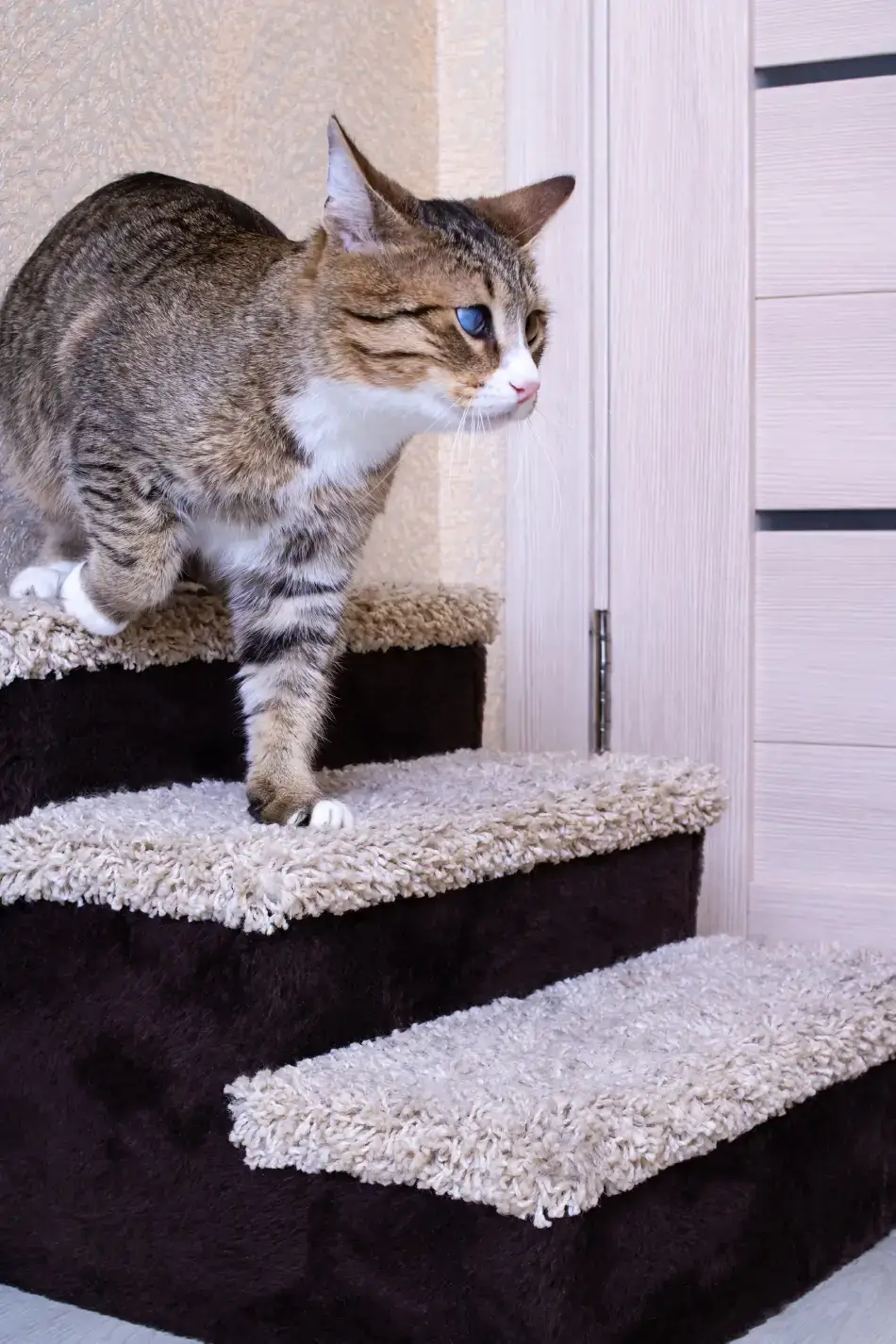
Cats love to climb and perch, but pain can hinder their ability to do so. Modifications like pet stairs or ramps can help. Additionally, ensuring easy access to their favorite spots without the need to jump can make a significant difference in their quality of life.
Cat ramp (Even though this is advertised as being for dogs, it is excellent for cats with limited mobility as well.)
Improving Access to Food and Water
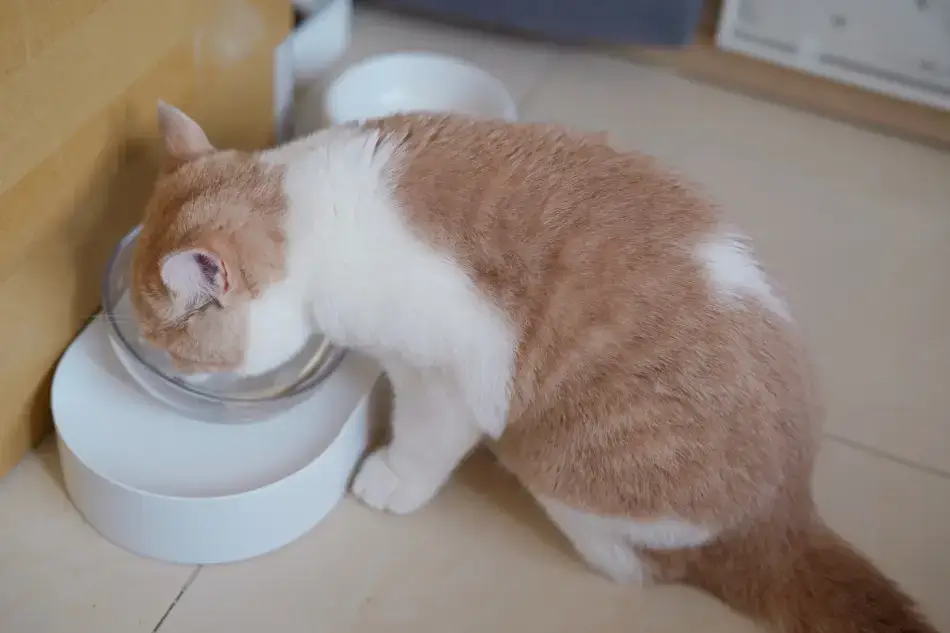
Elevating food and water dishes can make eating and drinking more comfortable for cats with neck or back pain. Using shallow bowls can also prevent whisker fatigue, further enhancing their comfort.
Prevent Slipping in Your Home
Providing non-slip surfaces can help senior cats navigate the home more safely, reducing the risk of injury. Yoga mats or non-slip rugs in strategic locations can offer support and confidence in their movements. Also, soft three tiered steps can give access to chairs, beds and other raised surfaces that your cat would normally jump onto, but has stopped trying to do so due to pain and discomfort.
Bedding and Temperature Control
Offering a comfortable, warm place to rest is vital for senior cats. Orthopedic beds can provide the support they need, and a safe heat source, like a pet-safe heating pad, can offer additional comfort, especially in colder months. Conversely, ensuring they have a cool place to retreat to in warmer temperatures is equally important.
Conclusion
Caring for a senior cat involves attentiveness to their comfort and well-being. By adjusting your home, monitoring for signs of pain, and providing appropriate medical care and supplements, you can significantly improve the quality of your senior cat’s life. Your efforts will help them navigate their golden years with dignity and as little discomfort as possible, allowing you to enjoy more precious moments together.

By Karen E. Mueller DVM, AVCA Certified
Dr. Mueller has over 30 years of experience in general small animal veterinary practice, feline medicine, and shelter medicine. Dedicated to preventing pain in pets and improving their quality of life, she currently has an animal chiropractic practice in Bellingham, WA. Dr. Mueller is also passionate about reducing pet overpopulation and works with high-volume, low-cost spay and neuter nonprofit programs throughout the Pacific Northwest.