
 Pet News


Summary
Just like in people, diabetes mellitus is a common condition in veterinary medicine. This disease has a lot of similarities to the human condition, however there are a lot of differences as well. In addition, dogs and cats get very different forms of the disease, and their treatment and prognosis differ significantly.
Diabetes Mellitus (commonly called simply “diabetes” or “DM”) is a condition of high blood sugar due to a complete or partial deficiency in insulin. While high blood sugar is the most commonly recognised bloodwork finding of diabetes, there are many associated clinical syndromes and accompanying abnormalities.
Animals with diabetes may live long lives with good quality, but also require significant care and are prone to many secondary and accompanying medical issues. This article will discuss the general cause, symptoms, and management of diabetes in veterinary medicine. Accompanying articles will go into more detail on the specifics of this condition in dogs and in cats.
Ricky, a playful Golden Retriever, and Lucy, a curious grey and white British Shorthair cat, shared more than just a home—they both battled diabetes together under the compassionate care of Dr. Peterson, their dedicated veterinarian.
Despite their differences in species, Ricky and Lucy faced similar challenges with their condition. Ricky’s diabetes stemmed from genetic predispositions common in Labradors, while Lucy’s was likely aggravated by her previous kibble-only diet.
Their owner, Emily, noticed subtle changes—a sudden increase in water intake, more frequent need to urinate, and unusual lethargy. Concerned, she rushed them to Dr. Patel’s clinic.
With Dr. Peterson’s guidance, Emily embarked on a journey of diligent management. Ricky and Lucy received specialized diets tailored to their needs. Lucy’s diet shifted to high-fat, low-carb canned food, while Ricky thrived on a high-fiber regimen.
Insulin became a daily ritual, administered with love and precision by Emily. Despite initial challenges, Ricky and Lucy adapted remarkably well. Lucy regained her vitality, while Ricky’s once dry coat gleamed with health.
Regular check-ups revealed encouraging progress. Glucose curves became routine, providing insights into their treatment’s efficacy. Emily marveled at the technological advancements, like wearable glucose monitors, which eased monitoring and enhanced their quality of life.
How Diabetes Happens
Diabetes occurs when glucose (the form of sugar the body uses for energy and metabolism) is unable to enter the cells and tissues that use it. For glucose to enter cells, the hormone “insulin” is required. Animals develop diabetes either because of destruction of the cells in the pancreas that make insulin (“beta cells”) or because the tissues become unable to respond to the effects of insulin.
In either case (deficiency or resistance) cells are exposed to less insulin than they need in order to move glucose into the cells. This results of accumulation of glucose in the blood, and leakage from the blood into the urine.
While people often think of diabetes as a disease of “too much sugar” it is important to remember that while glucose in the blood and urine is high, there is actually a LOW total body glucose, because it is unable to get into cells. The organ damage and other secondary effects of diabetes often occur as a result of cellular glucose deficiency as well as increased sugar in the blood and urine.
In addition to its effects on glucose, the deficiency of insulin causes a wide range of other issues, including imbalances of electrolytes, effects on fat metabolism, hunger, feelings of fullness, and changes to the way other hormones are secreted.
Diabetes is caused by a combination of factors. Some breeds are predisposed to diabetes, including poodles, Labradors, and dachshunds, as well as Burmese and Siamese cats. In cats, obesity is strongly linked to diabetes, as is the feeding of kibble only diets (though less clearly).
In dogs, obesity appears to play less of a role, though pregnancy and pseudopregnancy can predispose. In both species, treatment with steroids increases the risk of the development of diabetes.
Signs of Diabetes- External
The first sign of diabetes that owners notice is often increased drinking and urinating. Cats may seem to “flood the litter box” and often have litter caked onto their paw pads. Dogs are noted to need to go outside more often; and both species begin to drink much more. Animals in the early stages of diabetes may eat more than usual to try to make up for the lack of sugar in their tissues.
People will often also notice a change in haircoat (which often becomes dry or greasy with increased dander), and muscle loss, though overweight animals often remain obese.
Cats with chronic diabetes often exhibit signs of “neuropathy” or walking very low on the hind legs due to a loss of strength and sensation. Dogs may experience vision loss and signs of blindness due to cataracts.
In more progressed cases of diabetes, owners may notice lethargy, decreased appetite, weakness, and even collapse. These often correlate with the onset of “ketoacidosis” (discussed later). Animals with advanced diabetes may breathe very heavily, experience vomiting and diarrhea, or have an array of other clinical signs if organ damage is present.
Advertisement
Signs of Diabetes- Exam, Bloodwork, and Others
A veterinarian will generally diagnose diabetes based on bloodwork and a urinalysis. The hallmark of diabetes on bloodwork is elevated blood sugar (glucose). It is important to remember that sick or stressed animals may have a high glucose and not be diabetic, and so this may be documented to be chronic, either by serial measurement or tests such as fructosamine (which measure the “average” glucose over several weeks).
Glucose will also be elevated in the urine of diabetic animals. The urine may be dilute and may also contain ketones. It is important to note that the presence of small amounts of ketones in the blood and urine of diabetic animals can be “normal” and does not mean the pet has ketoacidosis.
Other changes that occur frequently in diabetic animals include elevation in liver enzymes (especially ALP), which are generally benign and do not need specific therapy, though in some cases they may. Kidney values are rarely increased due to diabetes (unlike in humans) and if they are, may represent dehydration. Electrolytes are commonly abnormal in diabetic animals, especially potassium, sodium, and phosphorus.
Treatment of Diabetes
The treatment of diabetes is focused on reducing blood sugar and allowing more of it to enter cells. This generally involves a combination of diet and medications.
Diabetic animals should be fed diets with a low “glycemic index” that will not result in large swings in blood glucose. In a cat, this generally means a high fat, high protein, low carbohydrate diet. Canned diets reliably have a lower carbohydrate content than kibbles and are preferred. In dogs, this approach may also be taken, though some dogs also respond well to high-fibre diets as an aide in glucose control.
In cats, weight loss is crucial to help control diabetes. This may be helpful in dogs but is less necessary as they generally have an insulin dependent form of the disease.
Most diabetic cats and almost all diabetic dogs will require therapy with insulin. Specifics of insulin therapy are discussed in the species-specific companion pieces.
In dogs, oral antihyperglycemics are rarely indicated as they are at best ineffective and at worst harmful. In cats, some oral agents have been shown to be effective, including the sulfonylureas and the very recently approved gliflozins. These are discussed further in the feline companion piece. Metformin does not appear helpful in cats due to the high doses needed.
Key to the management of diabetes is the removal of hormones or drugs that promote diabetes. This means stopping corticosteroids if possible, spaying female dogs, and treating concurrent diseases such as hyperadrenocorticism, hyperaldosteronism, or acromegaly. In some cases, removal of an inciting cause may allow diabetes to be cured.
In animals with difficult to control diabetes, screening for other conditions is important. Any source of systemic inflammation can make diabetes hard to control- this includes urinary tract infections, severe dental disease, pancreatitis, inflammatory bowel disease, cancer, and others. Treating these issues may help to improve the control of diabetes.
Advertisement
Monitoring Diabetes
Monitoring diabetes generally relies on the use of glucose curves. This means taking a blood glucose reading every 1-2 hours through the day in order to determine the duration of action and highest and lowest glucose levels. This is essential to properly adjust doses and attain good control. Ideally, an animal with diabetes will remain below the renal glucose threshold for more than 50% of the day in order to minimize side effects.
A concern with glucose curves (aside from the cost) is that they are labour intensive for owners and may be difficult to perform; while in-clinic curves may be easier to obtain, they are less representative of reality due to the effects of stress and altered routines.
As such, some people rely on the spot blood glucose measurements and fructosamine values, however it must be remembered that these are not as useful, and control can be more difficult.

The recent advent of wearable glucose monitors (e.g. Freestyle Libre Glucose Monitor) that can measure the glucose levels constantly has significantly changed the management and monitoring of diabetes. These devices are small patches containing a tiny needle that are placed on an animal’s skin and read the glucose in the tissue every few minutes.
They are rated to last for up to two weeks after an application and can generally sync results to a specific device or smartphone. While they may be expensive to initially place, they are often quite cost effective when compared to having a glucose curve performed. A major concern with these devices is that many animals (especially cats) do not tolerate them long term, and they may only last a few days.
Other tools to note which suggest diabetes control include monitoring physical changes such as reductions in drinking and urinating, weight gain, improved energy levels, and improvement in body condition and haircoat. While less specific, these signs actually represent the most important aspects of control for both pets and their owners.
Prognosis
In general, diabetes mellitus should be expected to be a long-term disease requiring significant ongoing management. Most animals with diabetes can have a good quality of life, but they will require significant care on the part of the owner and veterinary team.
Approximately one in ten animals with diabetes are euthanized on the day of diagnosis; with another 10 % euthanized in the first year. The average survival time of an animal with diabetes is about 2.5 years; however, it is important to remember that most animals with diabetes mellitus are older, and so have a shorter life expectancy to begin with.
Quality of life in both dogs and cats when treating diabetes is generally considered good, however it appears to be better in cats who achieve remission than those that do not. Remission can be expected to occur in about 50% of cats with diabetes; it is less likely in cats with more chronic disease or who have poor glucose control.
Dogs with diabetes will (with very rare exceptions) be diabetic forever. It is crucial that owners understand this and to realize the ramifications this can have on their own and their dog’s life.
The need to have a strict diet, to give insulin twice daily, every day, and the likely need to deal with blindness from cataracts, urinary tract infections, and other complications means that diabetes mellitus is neither inexpensive nor easy to manage. While many owners can give their diabetic dogs an excellent quality of life for many years, it is a major commitment.
Consequences of Diabetes
Diabetes can result in many systemic and organ specific consequences even when fairly well controlled.
Infections are common in diabetic animals due to increased glucose in tissues and urine resulting in impaired white blood cell function, and possibly increased bacterial growth. In addition to urinary infection, diabetic animals may be more prone to dental disease and slower wound healing.
Organ damage from diabetes is less common in veterinary than in human medicine. Unlike humans, dogs and cats rarely experience cardiac or vascular disease due to diabetes, and it is debatable if cats experience high blood pressure.
Likewise, diabetic nephropathy does not appear common in veterinary patients, and when it does occur is usually less severe than in humans, presenting mainly as increased protein within the urine.
Pancreatitis is commonly seen with diabetes, though it is often unclear whether it is a cause or effect of the disease. While changes in liver values are common in the diabetic, this is very rarely associated with true liver dysfunction.

Cataracts are an extremely common consequence of diabetes in dogs. Most diabetic dogs that live for a prolonged period will develop cataracts with most dogs developing them within the first year following diagnosis of diabetes. Cataracts are a clouding of the lens within the eye that obscures vision, eventually resulting in blindness.
In dogs, diabetic cataracts are also associated with inflammation within the eye. While eye drops cannot reverse or slow the development of cataracts, they may be needed to help control the secondary inflammation. The only effective treatment for cataracts is cataract surgery. Diabetic cataracts in cats are not commonly encountered.

Diabetic ketoacidosis (DKA) is the end stage of uncontrolled or poorly controlled diabetes. This medical emergency occurs when an animal is no longer able to meet its energy requirements and starts to produce large amounts of ketones (an alternative energy source) instead of glucose.
These ketones will provide energy to cells but cause the blood to become acidic and lead to further dehydration through increased urination. As a result, diabetic patients who become severely ketotic can enter DKA. This rarely happens alone and is usually a result of a concurrent issue decompensating a patient into DKA, for example a urinary tract infection, pancreatitis, or a dental abscess.
DKA is an emergency and requires hospitalization with 24-hour care including IV fluids, electrolytes, and often intravenous insulin. While most patients can recover from DKA, it carries some risk of death and can be very expensive to manage.
Hypoglycemia is generally a consequence of being given too much insulin. This may occur due to medication errors, accidental double dosing (especially when multiple people in a household are responsible for giving insulin), or if a patient enters diabetic remission unnoticed. It may also occur if an animal stops eating or vomits a meal. In any case, hypoglycemia is a medical emergency.
It usually occurs a few hours after the last insulin dose, and in the early stages presents as disorientation, tremoring, lethargy, and vomiting. In severe cases, seizure, coma, and even death can occur. Hypoglycemia is a much more significant and acute emergency than hyperglycemia, which takes a prolonged period to cause damage. If a person is ever questioning “should I give insulin?” the answer is no; wait until the next dose or measurement of a blood glucose.

As months passed, Ricky and Lucy flourished. Ricky’s zest for playing fetch returned, while Lucy resumed her acrobatic antics. Dr. Peterson celebrated their milestones, emphasizing the importance of dedication and vigilance.
Today, Ricky and Lucy embody resilience. Their journey with diabetes transformed into a testament to love, perseverance, and the unwavering bond between a devoted owner and her beloved pets. Through adversity, Ricky and Lucy found strength, inspiring all who knew them to embrace life’s challenges with courage and determination.
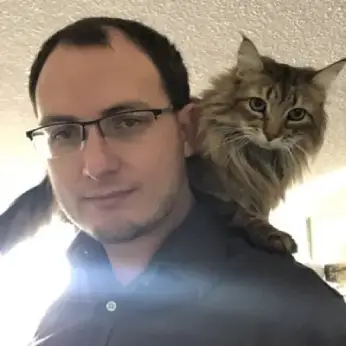
By Matthew Kornya BSc, DVM, DVSc, DACVIM (SAIM), Resident ACVECC
Dr. Kornya is an Internal Medicine Specialist and Emergency and Critical Care Resident at the Ontario Veterinary College. He previously worked for several years as a feline veterinarian. His areas of interest include hematology and coagulation medicine, feline medicine, and extracorporeal therapies. He lives with many cats and a cockatiel.