
 Pet News


Summary
Pet ownership among seniors offers a myriad of benefits that significantly enhance their overall well-being. Engaging with pets provides mental, physical, and social advantages, fostering a sense of companionship and purpose. This paper explores how pets can improve seniors’ mental health by reducing stress and anxiety, promote physical fitness through regular activity, and combat loneliness by helping to improve social interactions. Additionally, it delves into practical considerations for seniors looking to adopt pets, including the types of pets best suited for their needs, alternative ways to enjoy animal companionship, and potential costs and risks associated with pet ownership.
In the serene twilight of their years, many seniors discover joyful companionship and a renewed zest for life, thanks to their pets. The story of 78-year-old Martha and her small Shih Tzu, Benny, encapsulates this beautifully.
Martha, a widow of five years, felt the walls of her suburban home grow increasingly silent. That was until Benny bounded into her life. A rescue dog with eyes as warm as a summer’s day, Benny brought an unexpected and profound change to Martha’s routine.
Every morning, Benny’s eager paws and gentle whines coax Martha out of bed, setting a daily rhythm of care and companionship. Their walks in the nearby park are more than just physical exercise; they’re a social lifeline. “It’s not just Benny who’s wagging his tail,” Martha shares with a smile, “I’ve made more friends in the past year than in the last decade.”
The benefits of pet ownership for seniors extend beyond companionship. Studies highlight how pets can significantly enhance mental health by reducing stress, anxiety, and depression. For Martha, Benny is a balm for her loneliness and a bridge to her community. Their interactions release oxytocin, the “feel-good” hormone, which helps Martha feel more connected and content.
The physical benefits are equally notable. Regular walks with Benny have improved Martha’s mobility and vigor, her doctor noting better control over her arthritis symptoms. Moreover, the responsibility of caring for Benny gives her a sense of purpose that is often lost in older age.
Pets like Benny also offer emotional support, fostering an environment of unconditional love that is critical as seniors navigate the complexities of aging and loss. The mere presence of another heartbeat in the home can transform it from a place of solitude to one of safety and happiness.
The Mental, Physical, and Social Benefits of Pets
Pets can work wonders in establishing a routine for seniors, giving structure to their day and reminding them to eat regularly. Engaging with animals brings significant mental health benefits, reducing stress, anxiety, and depression. The simple act of petting and interacting with an animal offers a comforting presence and boosts overall mental well-being.
Studies show that spending time with pets can enhance memory, cognitive function, and self-esteem in older adults, even easing symptoms of illnesses like Alzheimer’s disease. Pets, with their joyful living in the moment, can help alleviate worries about the future for many seniors.
Beyond companionship, pets provide emotional support, encouraging relaxation and promoting mental well-being through the release of oxytocin, the “feel-good” hormone. Their unconditional love and affection can stave off feelings of loneliness and isolation.
Moreover, pets bring a daily rhythm to seniors’ lives. The responsibility of feeding, grooming, and exercising a pet gives a sense of purpose and fulfilment. This routine helps seniors stay active, maintain cognitive abilities, and enhance mental alertness, contributing to a higher quality of life. Even the act of feeding a pet can remind seniors to eat, such as with a little pet bird happily sharing crumbs as a gentle nudge.
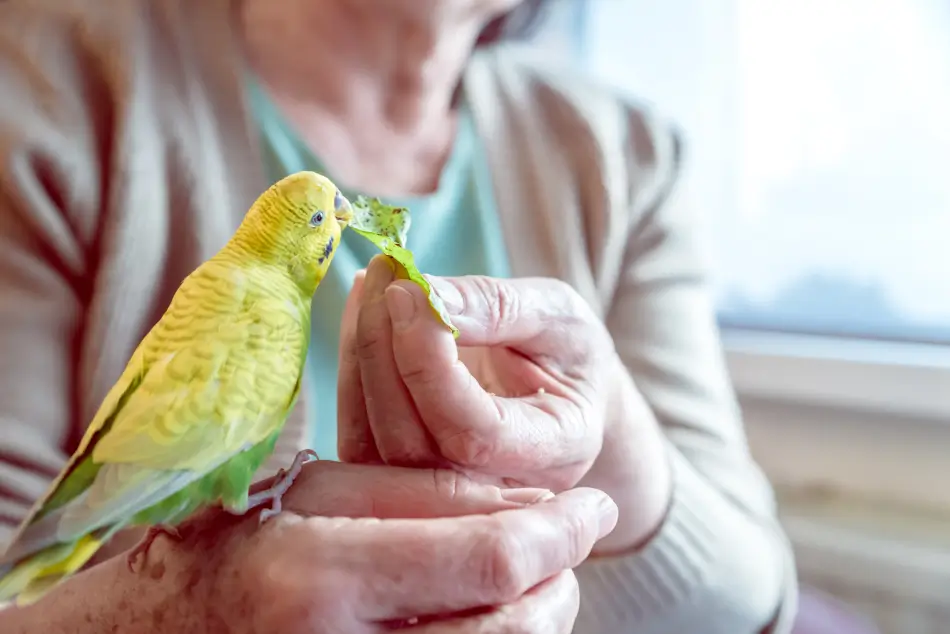
Regular interaction with pets, like walking, playing, and grooming, encourages physical activity, improving motor skills, range of motion, and overall well-being. Walking a dog not only benefits mental health but also aids in weight management, bone and heart health, and vitamin D exposure. For all dog owners, including seniors, these routine activities can improve cardiovascular health, strengthen muscles, and enhance mobility. Pets might even boost their owners’ immune systems (see “immune system”) by introducing new bacteria into the home environment, prompting a healthy immune response.

Pets also have a positive social impact on seniors, addressing loneliness and social isolation. They provide much-needed companionship and create opportunities for social interaction, helping seniors maintain a balanced emotional state. Studies have shown that older adults with pets feel a greater sense of purpose and report reduced stress levels.
Owning a pet can open doors to social engagement, reducing feelings of isolation and enhancing overall life satisfaction. Walking a dog, for instance, can lead to casual conversations with neighbors, fostering a sense of belonging and community. Seniors might also join local pet-related activities, training classes, or pet therapy programs, expanding their social circles and making new friends.
The companionship of pets is especially beneficial for seniors who have experienced the loss of loved ones or changes in their social circles. Pets offer unconditional love and non-judgmental companionship, helping seniors feel less lonely and more purposeful. The presence of another heartbeat in the home can brighten an otherwise lonely day, providing a sense of safety and security.
How to Find a Pet
Finding the right pet for a senior requires careful consideration to ensure that both the senior and the pet will be happy and well-cared for. Before adopting a pet, it’s essential to have an open conversation about the responsibilities and changes that come with pet ownership. Seniors should consider their previous experience with pets, any physical limitations, and whether a therapeutic or emotional support animal would be beneficial.
The pet’s age and temperament are also crucial factors, as young pets may require more care and training, while older pets might have their own health issues but are usually more settled. Ensuring the pet is healthy and considering the financial commitment of pet ownership are also important steps in the decision-making process.
When choosing a pet, smaller and older animals often make better fits for seniors. Smaller breeds, such as Shih Tzu’s, Poodles, and Miniature Schnauzers, are easier to manage, and older pets tend to be calmer and require less intensive care. Alternatively, some seniors might find low-maintenance pets like fish, small birds, rabbits, or small rodents more suitable.
Cats, known for their independence, can also be an excellent choice as they require less care and offer companionship. It’s important to consider the longevity of the pet as well, ensuring that the pet’s lifespan aligns with the senior’s expectations and circumstances. Planning for unexpected situations, such as hospital stays or long-term care needs, is essential to ensure the pet will be taken care of if the senior can no longer do so.
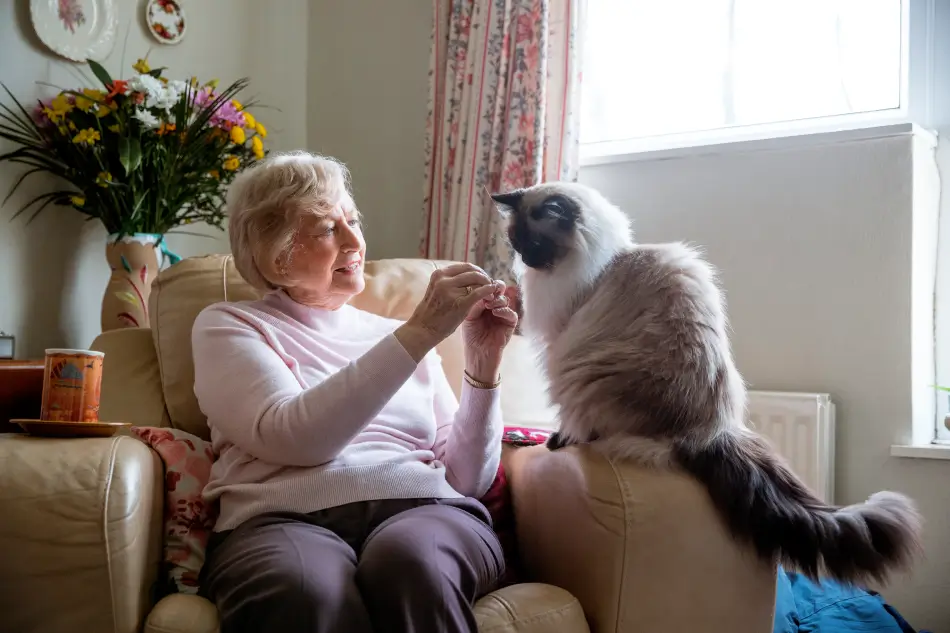
Where to Find a Pet for a Senior
Adopting from shelters is usually more cost-effective than purchasing from breeders and offers the added benefit of providing a home for an unwanted animal, potentially saving it from euthanasia. Many shelters offer reduced adoption fees for older pets and seniors. Adopting benefits animals, particularly when seniors adopt older pets. Senior and middle-aged pets are often seasoned with their general personalities formed and because of this, shelter employees often have a good understanding of each animal’s personality and can assist in making suitable matches.
These pets often experience a significant improvement in their quality of life, moving from shelters to loving homes where they receive ample attention and care. Retired adopters typically have more time to devote to their new pets, forming lasting bonds and providing a loving environment. Online platforms also allow potential owners to search for adoptable animals nationwide, although it is advisable to meet the pet in person to ensure a good fit.
Advertisement
Types of Pets to Consider
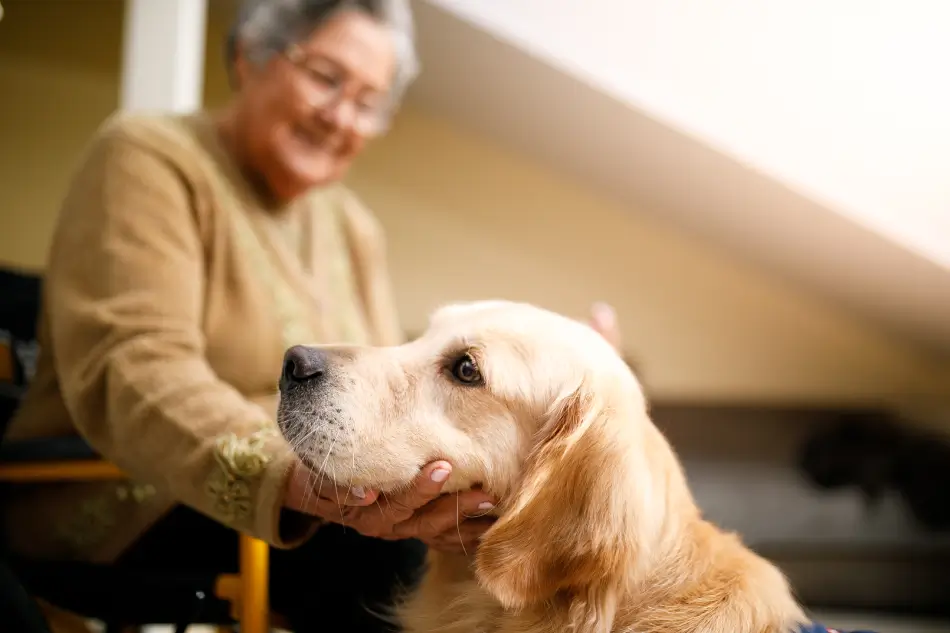
Pets play a significant role in enhancing the mental and emotional well-being of seniors, offering various benefits depending on the type of animal. Dogs are particularly well-known for their loyalty, emotional bonds, and ability to reduce anxiety while promoting physical activity and security. Therapy dogs are trained to provide psychological support and comfort, making them excellent companions for seniors.
Cats also make great companions, offering a low-maintenance option with their calming presence and gentle purring, which can help reduce stress and anxiety. Birds, such as parakeets and cockatiels, can also bring joy and a sense of purpose through their care and interactions. Additionally, rabbits, miniature horses, and other gentle, calm animals can be suitable companions for seniors, depending on individual preferences and needs.
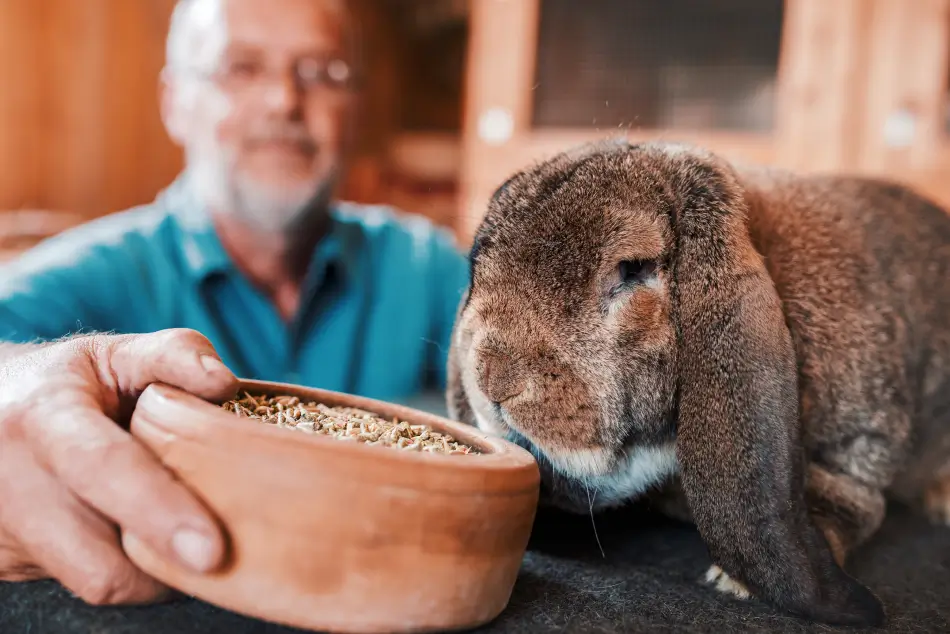
When selecting a pet for a senior, it is crucial to consider the temperament of the animal, ensuring it is gentle, calm, and friendly. The pet should be comfortable in social settings and able to interact positively with other seniors, and/or caregivers and facility staff. Previous experience with pets, existing relationships with pet stores, and the senior’s physical abilities and activity level are also important factors to consider. Veterinary check-ups and vaccinations (see “vaccination”) should be up to date to maintain the pet’s health and prevent disease spread.
Advertisement
Alternatives to Pet Ownership
If owning a pet full-time is not feasible, there are several ways seniors can still enjoy the benefits of animal interaction. Visiting cat or dog cafés, commonly found in larger cities, allows seniors to spend time with animals without the long-term commitment. Hanging out at dog parks and socialising with other pet owners can also provide companionship and social interaction.
Fostering pets is another excellent option, offering temporary care for animals until they find permanent homes. Volunteering at animal shelters, rescue organisations, or zoos provides opportunities to interact with and care for animals, which can be fulfilling and rewarding.
For those who prefer less responsibility, getting to know neighbours’ pets, connecting with therapy animals, or visiting pet stores can offer occasional animal interaction. Pet sitting for friends or neighbours provides another way to spend time with animals while helping pet owners. Regardless of the chosen method, it’s essential to consider any physical limitations, financial constraints, and the need for a backup plan for the pet’s care in case of emergencies. By exploring these alternative options, seniors can still experience the joy and companionship that animals bring.
There are many reasons for why interacting with pets is not appropriate. Such reasons can include health, housing, mobility, or cognitive challenges of the senior. In such situations, alternative forms of companionship can be considered such as plush toys that mimic some of the sounds and sensations of a real pet.
Costs
In addition to the initial adoption fee, seniors and their families must budget for ongoing expenses associated with pet ownership, including:
- Food and Treats: Costs vary depending on the pet’s size and dietary needs.
- Regular Veterinary Care: Includes annual check-ups, vaccinations, and preventive medications.
- Grooming and Hygiene: Includes items like shampoo, nail trimmers, and grooming services.
- Pet Supplies: Beds, toys, carriers, and other necessities must be considered.
- Therapy Sessions: Some facilities may charge fees for therapy pets, so researching different providers to find the best fit for the senior’s budget and needs is essential.
Advertisement
Additional Considerations and Risks
While pets provide numerous benefits, there are potential risks to consider, such as allergies (see “allergy”), animal-related injuries, and zoonotic (see “zoonosis”) infections. Allergies should be carefully evaluated. Seniors, their families, and care providers need to ensure that the senior is not allergic to the specific breed or species of the pet. Consulting with a veterinarian or allergy specialist can help determine if a pet poses any risks.
Conclusion
Pets play a vital role in enriching the lives of seniors by providing emotional support, promoting physical activity, and facilitating social connections. The unconditional love and companionship offered by pets help seniors navigate the challenges of aging, contributing to improved mental and physical health. Whether through full-time pet ownership, fostering, or visiting animal cafés, seniors can find various ways to experience the joy and benefits of animal interaction.
For seniors contemplating pet adoption, it’s essential to consider their lifestyle and physical capabilities. Small, older pets often make the perfect match, requiring less intensive care and providing the same level of affection.
Martha’s experience illustrates a universal truth: pets are not just animals; they are healers, friends, and family. For seniors like her, a pet can turn the golden years into a time of golden companionships, enriching their lives immeasurably.
By Marnie Ford PhD, DVM, Diplomate ACVO
Dr. Ford graduated from the Ontario Veterinary College in 2000 after completing a Bachelors in Zoology at the University of British Columbia and a PhD in Physiology at Monash University in Australia. Following a rotating small animal internship at the University of Minnesota in 2001, Dr. Ford achieved Diplomate status from the American College of Veterinary Ophthalmologists in 2006 after completing a 3-year residency in Comparative Ophthalmology at the University of Missouri. After co-founding a private referral hospital, West Coast Veterinary Eye Specialists, in New Westminster (2004-2013) she opened Pacific Animal Eye Specialty services, providing mobile medical and surgical ophthalmologic care to patients in the Lower Mainland, Vancouver Island, and the Interior of BC (2013-2019). In 2019, she returned to Australia where she worked full-time in both medical and surgical ophthalmology as well as resident training at Animal Eye Care in Melbourne Australia. In 2023, Dr. Ford returned to Vancouver to provide locum services to ophthalmologists across Canada.