 Pet News


Summary
Maintaining your cat’s eye health is crucial for their overall well-being. Regular eye and eyelid cleaning helps prevent everything from minor irritations to severe infections. Cleaning your cat’s eyes requires proper restraint and patience. Gather necessary supplies, including clean hands and short nails, treats, and eye wash. Restrain your cat comfortably, considering their size and temperament. Remember, making the experience positive is essential to reduce your cat’s stress and enhance your cat’s cooperation.
Introduction
While cats don’t tend to have as many eye issues as dogs do, they have their fair share and they often need your help to keep their eyes comfortable and to maintain hygiene. While bacteria normally resides on skin, if the area around the eyes is not kept clean, clumps and crusts of discharge can harbor bacteria trapped in it and under it, that can grow out of control.
As a pet parent, ensuring your furry friend’s overall health and hygiene is paramount. One of the areas that often needs attention but is sometimes overlooked is your cat’s eyes, eyelids, and face. While cats are usually very good at grooming themselves and keeping their faces clean, this is often not possible in the presence of ocular diseases and chronic or excessive tearing. And some cats just don’t do a good job. Cats that are more likely to require your help with their hygiene are breeds with prominent eyes, such as Persians, Himalayans, Exotic Shorthairs, Burmese, and Bombay.
Regular eye cleaning can help prevent or alleviate a range of health issues, from minor irritations to severe infections. This two-part guide will walk you through the process of cleaning your cat’s eyes, eyelids and face safely and effectively. It is important to understand that if you are having to clean more than once every day (especially if there is constant mucoid discharge) this is unusual and you should seek veterinary care for your cat. In some cases, referral to a veterinary ophthalmologist is needed.
Flat-faced cat breeds did not evolve naturally. shumans have bred and “designed” cat breeds to look the way they do, which includes those breeds with short faces and prominent eyes (brachycephalic). Nature did not intend for cats to look this way because brachycephaly does not favor optimal health. The ancestor of the domestic cat is the African Wildcat, which does not have a pushed-in nose, protruding eyes, or long unmanageable hair.

Because cleaning your cat’s eyes and their ears, brushing their teeth, and trimming their nails are health care tasks that may be repeated regularly during your pet’s lifetime, she must get used to the process and accept it. So start early! Get your cat used to being restrained and to what you are doing. Begin with practice sessions and give treats throughout the process. This will make it much easier on both of you.
While it makes sense to not try to do too many things to your cat in one session, many cats hide if they suspect you are up to something! You might only get one chance each day to do anything to your cat. So be very organized, so that once you have restrained your cat you can do as many treatment tasks as possible. Of course, do the most important task first in case your cat “burns out”. Thankfully, some cats will allow cleaning around their eyes as part of a joyful cuddle session with you. Many cats purr with delight when their faces are cleaned.
Many cats don’t need their eyes or eyelids cleaned– unless they have an eye problem, and that is another story because eye diseases often require an intense “burst” of emergency caregiving that your cat likely won’t appreciate. You can’t get them conditioned beforehand to being treated, because they need to be treated NOW. Their eye(s) and their well-being are at stake, especially if they are in pain.
Advertisement
Preparation and Supplies List
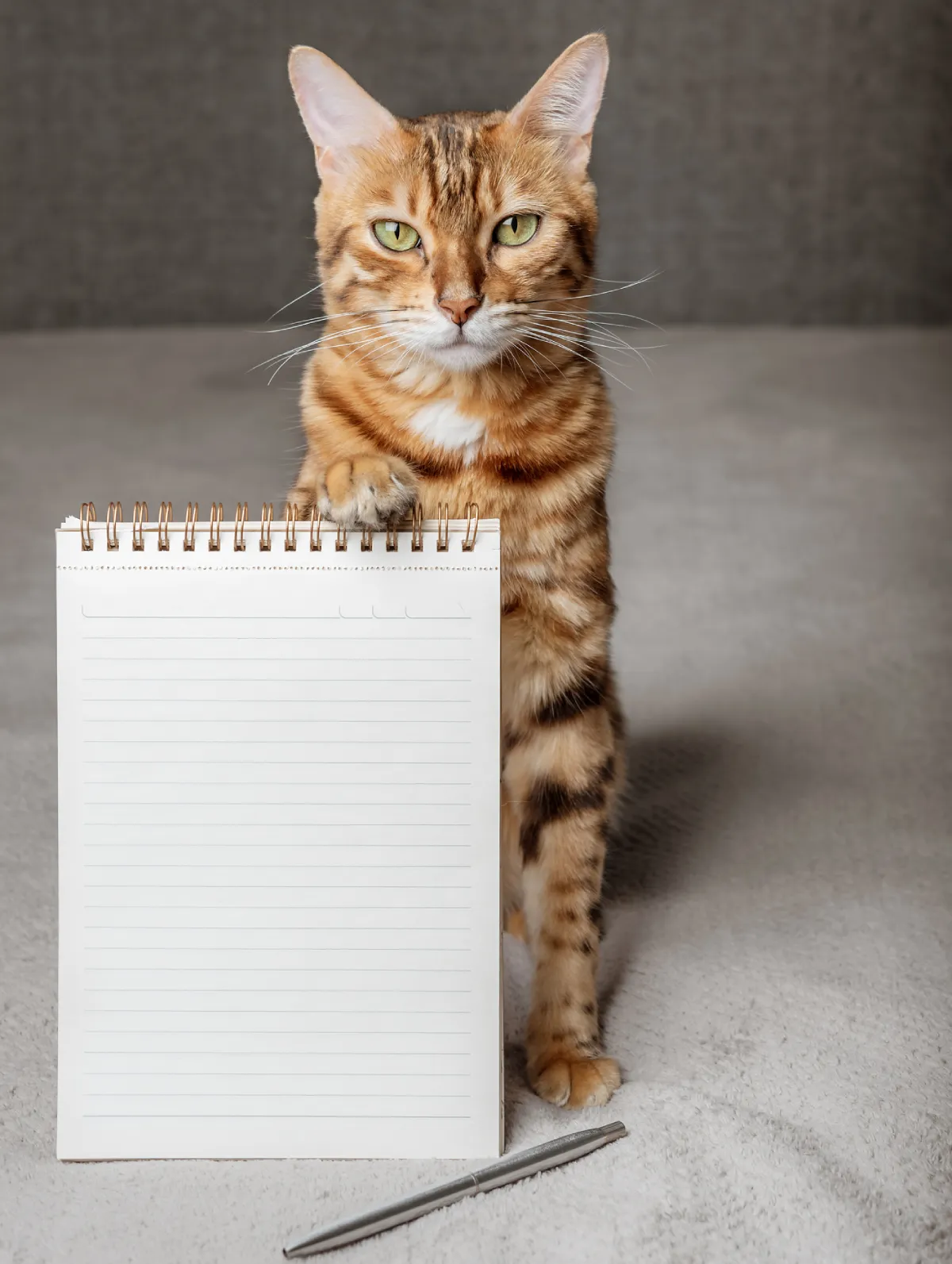
Before we dive into the procedure, it’s essential to plan ahead and gather all the necessary supplies. Remember, using inappropriate or unclean tools (and think of your hands as tools—they should be clean and have short fingernails—no longer than ¼ inch) could potentially harm your cat’s eyes or introduce infections.
Advertisement
- Trim your cat’s claws! (at a different time than when you plan to treat them).
- Once you have your pet restrained, is there anything else that you will need to do for them while they are in this position? Will they tolerate multiple things being done to them while being restrained? If yes, then have everything you need readily available, unwrapped and in reach beforehand. Some cats will only give you one chance.
- Give a sedative beforehand if necessary. While gabapentin is a pain medication, it also is very effective in cats as a sedative, typically given 2 hours beforehand.
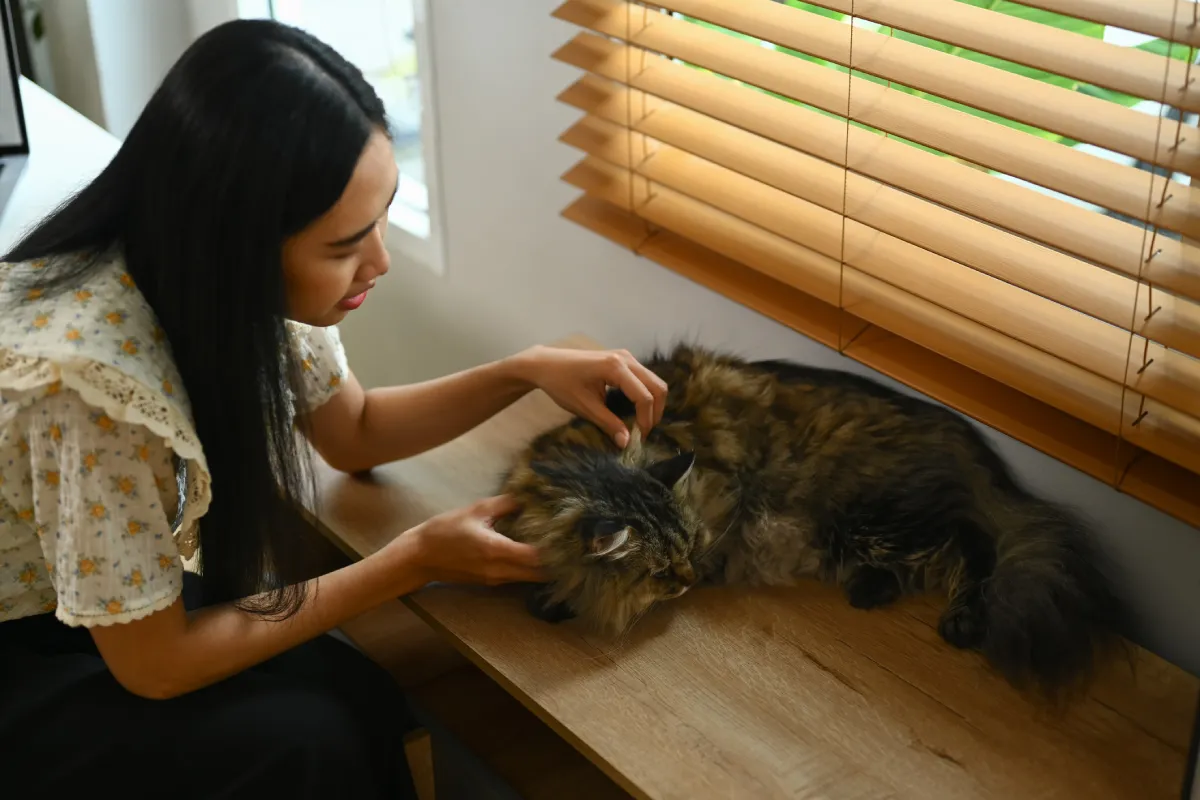
- Think about ergonomics, and whether you will need another person to help you. Can you kneel on the floor? Must you sit in a chair? Do you need lumbar back support? Do you need a table? Is your pet limited in how they can be positioned?
- If your pet is painful (eye, spine, leg, etc.) and especially if the eye(s) have painful corneal ulcers or are fragile (i.e. they might rupture because of deep ulcers), schedule the eye cleaning after pain medications have been given and your pet is feeling better. Plan ahead, as most medications take time to take effect.
- Place all other pets in a separate room so that they are not distracting or disruptive. Some smart cats will watch what you are doing to your other pet, and they will either want their turn to have the same thing done to them (plus treats!)—or not and run away. Or they might attack the cat you are treating, once you are finished and have released your patient.
- If your pet is receiving medicated eye drops and/or ointment: after you gently rinse debris from the eye(s) you will need to wait 5 minutes before applying eye medication, or else the medication will be diluted and “washed away” by the previously-applied eye rinse fluid (which hangs around on the eye surface for up to 5 minutes after application).
- However, if you just need to clean discharge from the eyelids and are not rinsing the surface of the eyes, then you can also apply any medication(s) to the eyes at the time of cleaning.
- And remember: only apply one drop of a medicated eye solution (one drop is plenty!); separate different eye drop medications by 5 minutes; and apply thickest eye medications (i.e. ointment or gel) last.
You will need the following items, as they are crucial to ensure a safe and effective eye cleaning process:
- Short, natural fingernails. Do not clean your pet’s eyes or apply eye or ear medications if you have long fingernails—you might scratch your cat’s eye(s) or injure them in other ways. Cats move and shake their heads. They wiggle and struggle and try to claw. Long fingernails can be unintentional weapons. Additionally, artificial acrylic fingernails are not only a mechanical threat to your cat’s eyes, but they can harbor fungus, Staphylococcus aureus bacteria, and other organisms.
- Clean hands (wash them before and after, rinsing soap off well).
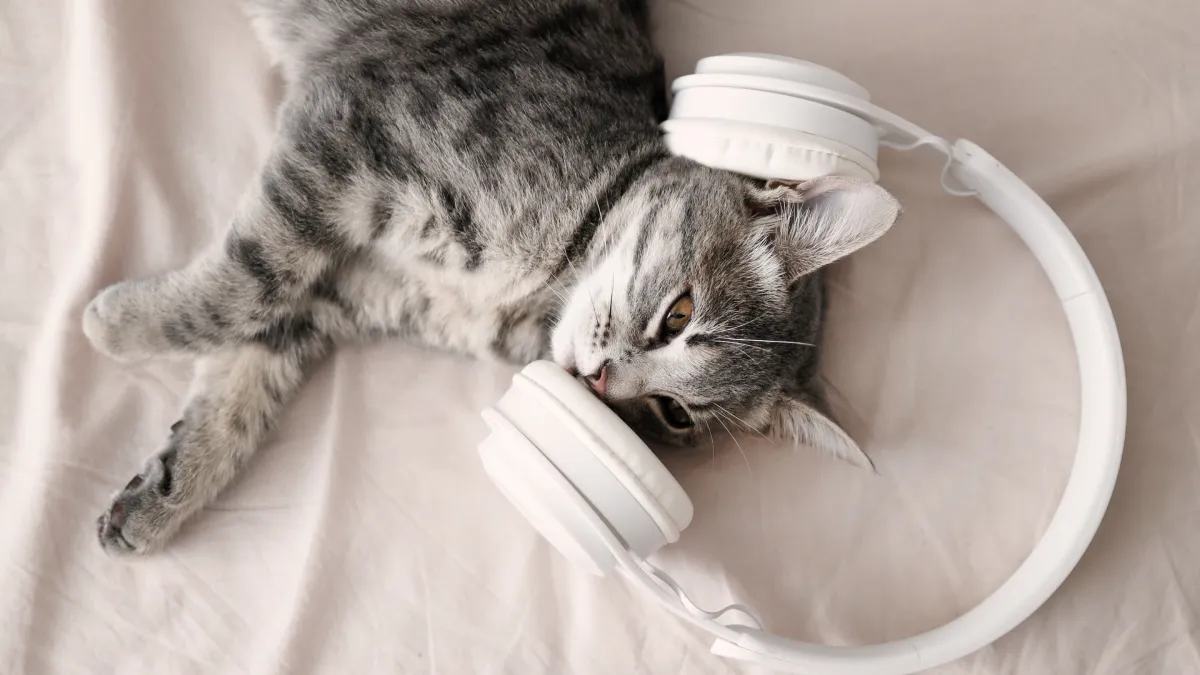
- A calm, quiet environment.
Sometimes music helps both the owner and the cat—there are plenty of choices for relaxing music and sounds:
Pheromone therapy: Many cats also respond well to pheromone therapy to help them be calm and keep their stress levels down. The easiest delivery method is using a heated diffuser, placing it in a room your cat(s) frequent the most and keeping it running. Feliway® is the brand of feline facial pheromone that most veterinarians recommend. The newest, most effective Feliway pheromone product is Feliway® Optimum, which is an updated, upgraded blend of the pheromones that help reduce fear, anxiety, and stress in cats (only available as a diffuser). Pheromones are chemical messages sent to the brain, and Feliway® Optimum sends messages of serenity, security, comfort, and harmony.
Warning: Do not give catnip to relieve stress prior to cleaning your cat’s eyes and face. Catnip contains nepetalactone, which mimics a sex pheromone, so the herb can cause excitement and aggressive behavior.
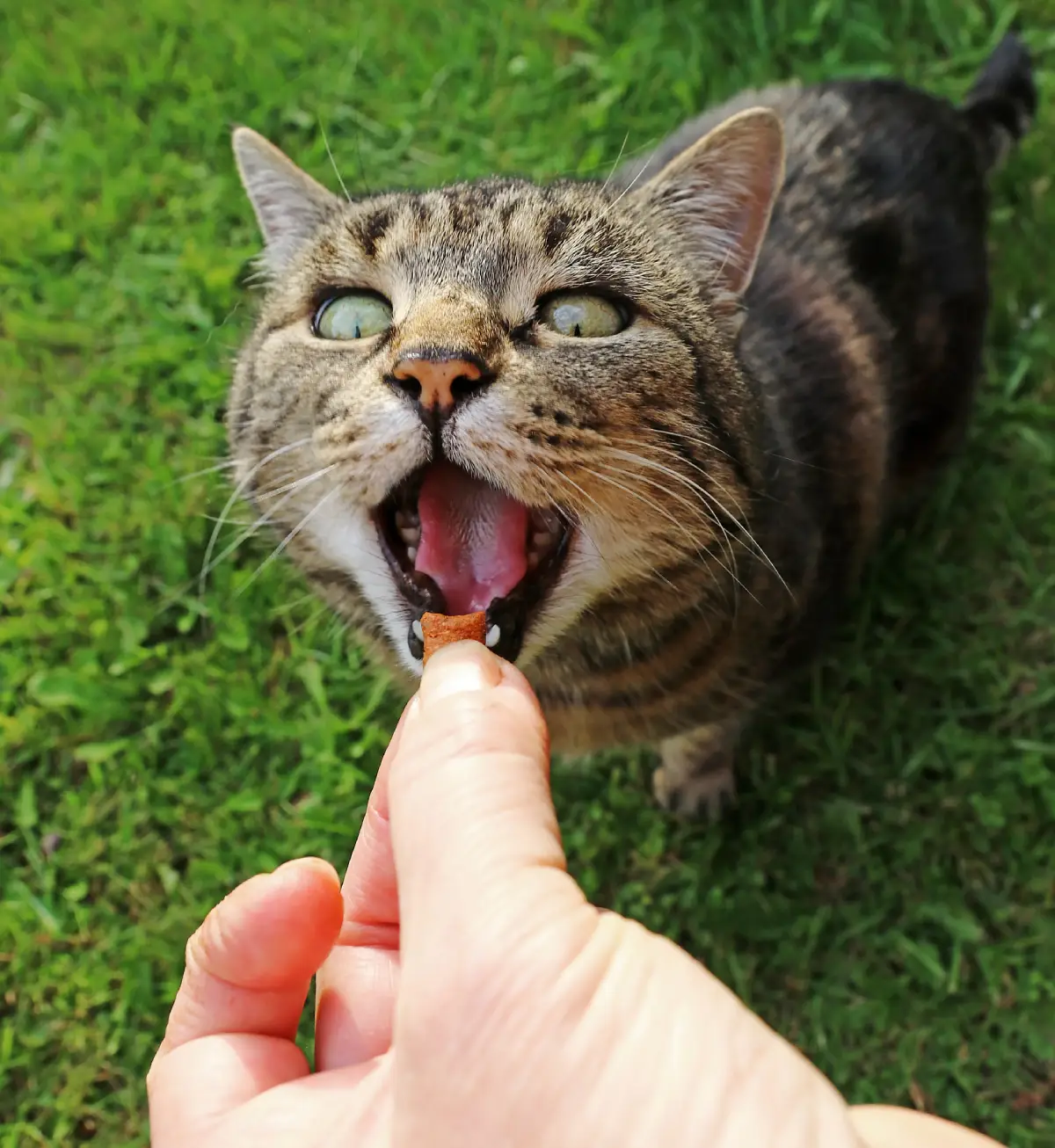
- Treats! (before, during and after—make this a “reward time” for your pet!). Here are some suggestions from veterinarians who stock reliable treats in their exam rooms to give to their anxious feline patients:
- Sterile eye rinse (also sometimes labeled “eye wash”)
- Wipes. (Do not use cotton balls, as the fibers can shed onto the surface of the eye). Here are the options:
Facial Tissues (have available to mop up liquid “runoff” from the face during
cleaning).
The following two products are highly recommended for both dogs AND cats, but you only need one of them and not both. It is amazing how well these products will soften hard dried crusts that are stuck tightly to the skin. It is not harmful to the cornea if there is contact with either of these products.
The gel is ‘painted’ onto the eyelids with your clean finger (and short fingernail)– onto the skin, hair and the discharge. This provides the best control of how much to apply.
The wipes have a good amount of product in them, but it is not as much as what the gel can deliver. If your cat is wary when you bring anything more than your fingers close to its face, you will do best using the gel and not the wipes.
- Flea Comb: Plastic flea comb (do not use combs with metal teeth, as can injure the eye). Pack of 4ct combs
Now that you have gathered the necessary supplies and have your plan in place to help your cat be as relaxed as possible, we are ready to proceed!

By Terri L. McCalla BSc, DVM, MS, Diplomate ACVO
Dr. Terri McCalla Dr. McCalla received a BS in Animal Health Science from the University of Arizona, followed by her DVM degrees from both Oregon and Washington State Universities in 1984. She completed a 3 year residency in Comparative Ophthalmology from the University of Missouri and became board-certified in the American College of Veterinary Ophthalmologists (ACVO) in 1989.