
 Pet News

Summary
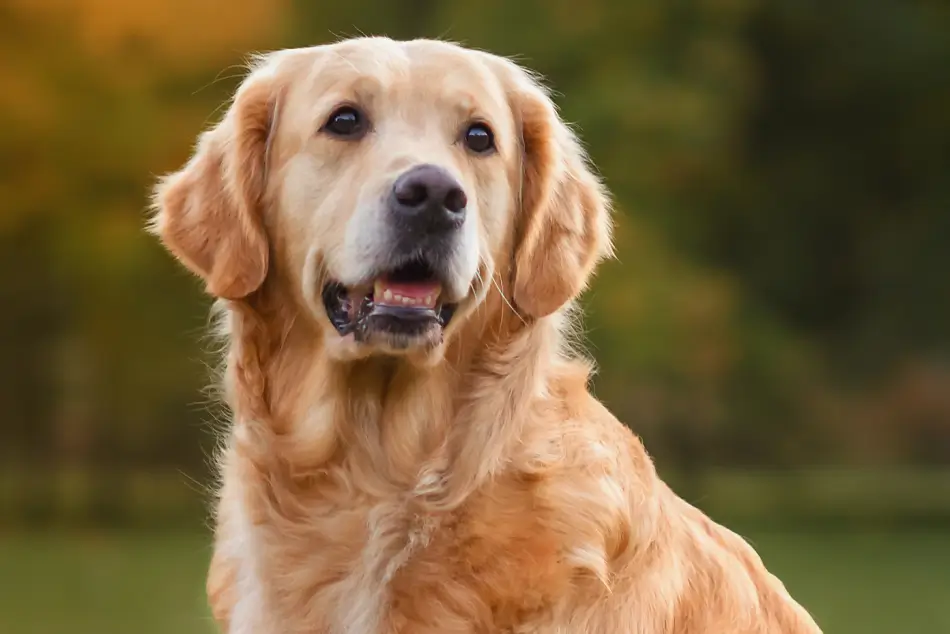
Golden Retriever Pigmentary Uveitis (GRPU), previously known Pigmentary Uveitis (PU) or Golden Retriever Uveitis (GRU), is a progressive ocular disease affecting Golden Retrievers. While its exact cause remains uncertain, genetic predisposition is suspected due to breed prevalence and absence of other factors affecting the body or caused by infection. GRPU typically develops between ages 4.5 to 14.5 years, with both eyes eventually becoming affected. Changes occurring in any tissue are called clinical signs.
The clinical signs in the eye range from intermittent conjunctival redness and tearing to pigmentary changes in the iris and anterior lens capsule. Advanced cases can lead to complications like glaucoma and blindness. The prevalence of GRPU has been steadily increasing, with affected dogs often diagnosed late in life, posing challenges for breeding programs. Treatment involves lifelong topical anti-inflammatory therapy and close monitoring, with early intervention crucial for preserving vision in affected dogs.
Ralph was a lovely Golden Retriever that lived a very cushy life with Jen. Ralph was Jen’s fourth Golden Retriever, and was THE dog of her heart. When Ralph was 6 years old, his eyes became a bit squinty and red. Ralph’s veterinarian, Dr. Cohn, diagnosed allergies and dispensed a steroid eye drop that helped a lot. So whenever Ralph’s eyes got worse, Jen treated with the drops and his eyes got better.
When Ralph was 9 years old, he began missing treats when they were tossed, and had trouble playing fetch. The right eye eye looked cloudy to Jen and the whites of his eyes were increasingly red. Dr. Cohn examined Ralph and measured his intraocular pressures. He said the pressures were low and and advised Jen to have a veterinary ophthalmologist examine the dog. Dr. Cohn did not know what was going on, but he suspected that a cataract was forming.
One month later, Ralph was examined by Dr. Bailey, a veterinary ophthalmologist, and he diagnosed Golden Retriever Pigmentary Uveitis (GRPU) in both eyes. He said that it was very common for GRPU to be mistaken as eye allergies. Ralph also had secondary cataracts that reduced his vision to about 50% in his right eye and 80% in his left eye. Dr. Bailey also told Jen that if untreated, Ralph would eventually develop glaucoma in both eyes and become blind. And that even with the best treatment, the disease might not be able to be controlled and Ralph could still become blind.
Jen was scared but determined to help her dog. “What do I need to do?”, she asked Dr. Bailey.
Introduction

GRPU is a complex ocular condition characterized by chronic inflammation of the uveal tract (the iris, ciliary body, and choroid of the eye) in Golden Retrievers. While GRPU primarily affects Golden Retrievers, rare cases have been reported in other breeds. Development of the disease involves a combination of genetic predisposition, changes in how the immune system is regulated, and potential environmental factors. However, the exact way these factors intersect to cause the disease is unclear. This overview aims to delve deeper into the cause, clinical signs, diagnosis, treatments, prognosis, and preventive measures associated with GRPU.
Advertisement
Cause
The cause of GRPU is believed to be from multiple factors, with genetic predisposition playing a significant role. Pedigree analysis has revealed a common ancestry among affected individuals, particularly in regions with concentrated Golden Retriever populations, such as the northeastern United States. Despite extensive research, the exact way that the gene(s) for GRPU are inherited is not known. Further research is needed to clarify which genes and gene mutations are responsible for developing the disease, and how these might be impacted by the environment.
In addition to genetic factors, an immune-mediated component is suspected of being involved in the development of GRPU. A change in how the immune system is regulated may lead to chronic inflammation within the eye which in turn perpetuates tissue damage and worsens disease progression. Exactly how the immune system works with genetic factors is not fully known.
While genetic predisposition and changes in how the immune system is regulated are considered primary contributors to GRPU, other environmental or systemic factors may also influence disease development. Happily, infection and cancer have not been implicated. Age appears to be a significant risk factor, with the disease commonly diagnosed in middle-aged to older Golden Retrievers, though some cases have been reported in younger individuals as well.
Clinical Signs
GRPU causes a constellation of changes within the eye. Just like looking at a constellation in the night sky that is made up of individual stars, the ‘picture’ is more easily identified when more of the dimmer stars making up the constellation are seen. The same constellation, however, can also be identified when just a few key stars are present (eg. Orion’s Belt). This is similar to how GRPU is diagnosed. There are many non-specific changes that can occur in the eye, for which the presence of many of these changes at the same time will more strongly lean towards a diagnosis of GRPU. As you will see, two very specific changes in the eye, such as pigment on the anterior lens capsule and uveal cysts – see below) can, on their own, support a diagnosis of GRPU.
GRPU develops slowly with early changes often subtle and nonspecific. In the initial stages, affected dogs may exhibit intermittent conjunctival redness, tearing, and/or the iris may appear darker. These early changes can be mistaken for common eye problems like conjunctivitis or seasonal allergies, leading to delays in a correct diagnosis.

As the disease progresses, persistent conjunctival and scleral redness, aversion to light (photophobia), and low intraocular pressure become more pronounced. The hallmark sign of GRPU however, is the deposition of pigment on the anterior lens capsule, resulting in a characteristic “dusting” appearance. This pigmentary pattern, often resembling a spoke-wheel, is best seen with magnification, and is one the changes a veterinary ophthalmologist will be looking for to make a definitive diagnosis.

Additionally, uveal cysts, or mottled pigmentation of the irises with areas of darkening (hyperpigmentation) contrasting with normal light brown pigmentation, may be observed.
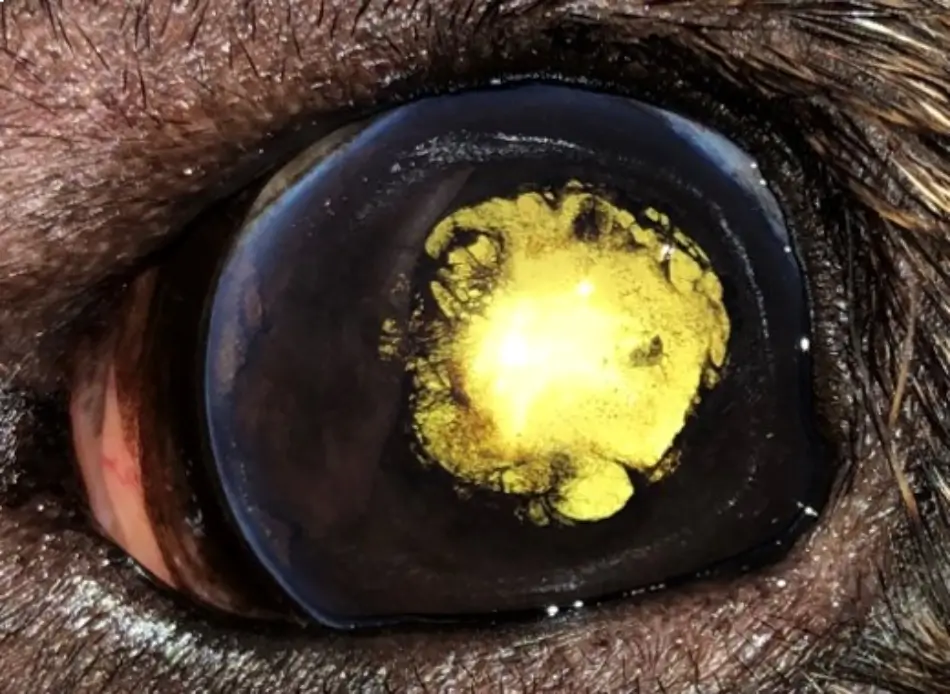
With progression of GRPU, scar tissue can form within the eye. Scar tissue formation within the eye can cause glaucoma, cataracts, and blindness. Scarring occurs by either eye pressures that become too low, or by the formation of small, pigmented cysts (uveal cysts) that while harmless when present as a cyst, can break to cause the cystic tissue to form scar tissue within the eye.
Diagnosis
The diagnosis of GRPU is mainly based on clinical findings, supported by ophthalmic examination and diagnostic tests. A thorough ophthalmic examination, including microscopic examination of the eye, is essential for assessing the extent of inflammation inside of the eye and detecting characteristic pigmentary changes. Additional diagnostic testing, such as tonometry to measure intraocular pressure and ocular ultrasonography to evaluate structures in the back of the eye, may be used to check for glaucoma, cataract formation, or retinal detachment.
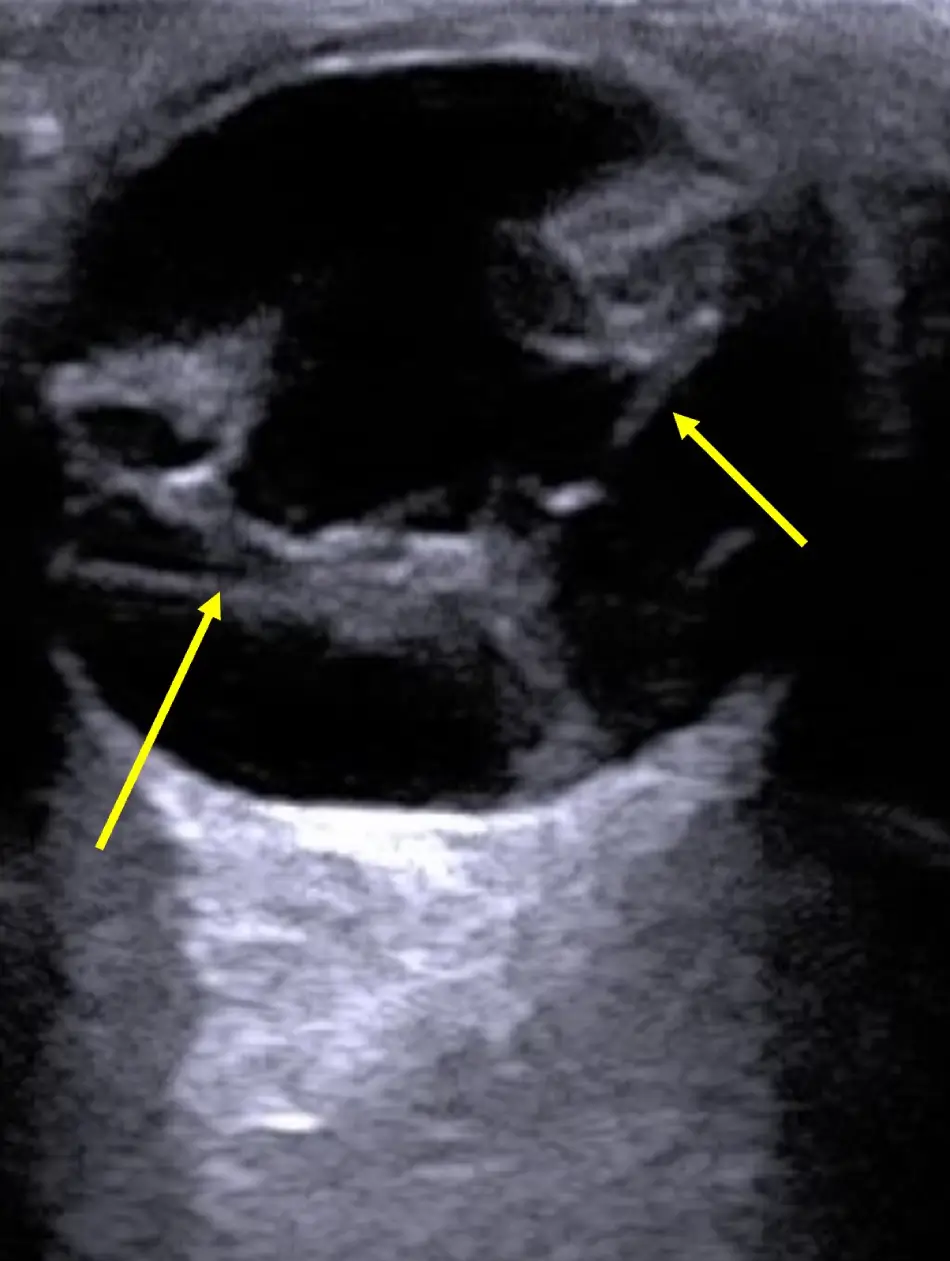
Because the majority of eye changes associated with GPRU can also be caused or worsened by other disease conditions, testing might be needed such as bloodwork and examination of the urine (urinalysis to help rule out other diseases). In cases where an immune-mediated cause is suspected, additional specific tests, such as antinuclear antibody testing, may be indicated to verify this.
Advertisement
Treatment
Treatment strategies for GRPU aim to control inflammation, prevent scarring, and manage associated complications such as glaucoma and cataracts, and to preserve vision and comfort. Early detection and intervention are crucial for optimizing treatment outcomes and minimizing disease progression.
Eye medication in the form of drops or ointments is the cornerstone of treatment, with the choice of medication depending on the severity of changes seen. In the early stages, topical nonsteroidal anti-inflammatory drugs (NSAIDs) may be sufficient to control inflammation and discomfort. However, as the disease progresses, stronger anti-inflammatory agents such as topical corticosteroids may be required to effectively manage inflammation and prevent complications.
Treatment regimens typically involve frequent applications of anti-inflammatory medications to the eyes, with the intensity of therapy adjusted based on disease progression and response to treatment. Regular eye examinations and intraocular pressure measurements are essential for monitoring disease activity and adjusting treatment protocols accordingly.
Cataract surgery is not an option in dogs with GRPU, as affected eyes carry a high risk of failure due to complications from chronic uveitis. Sadly, glaucoma surgery also carries a high risk of failure for the same reason.
In advanced cases or those with complications such as glaucoma, additional therapies may be necessary. This may include the use of oral anti-inflammatory medications to augment topical therapy or the initiation of glaucoma medications to control intraocular pressure. In severe cases where vision is lost and the eye is painful, surgical intervention such as removal of the eye (enucleation) may be considered to alleviate suffering and improve quality of life.
Prognosis
The prognosis for GRPU is uncertain, with outcomes varying depending on factors such as the stage of the disease, response to treatment, and the presence of complications. Early detection and intervention can significantly improve the prognosis by preserving vision and ocular comfort.
With early diagnosis, frequent monitoring, and continuous daily treatment, affected dogs can often retain long-term vision. However, without appropriate treatment, advanced cases of GRPU invariably lead to blindness, primarily due to the development of glaucoma, cataracts, and irreversible retinal damage. Regular eye examinations, starting from three years of age, are recommended to facilitate early detection and intervention.
Given the suspected hereditary nature of GRPU, preventive measures are crucial to reduce disease spread in breeding programs. To prevent the transmission of the condition to future generations, breeding of affected dogs is not recommended. Selective breeding practices may help reduce the prevalence of GRPU within the Golden Retriever population.
Breeders play a crucial role in addressing Golden Retriever Pigmentary Uveitis (GRPU) by ensuring that annual eye certification exams performed by board-certified veterinary ophthalmologists remain current for the lifetime of any dog involved in breeding, as GRPU often manifests late in a dog’s life. These eye examinations are called CAER certifications (Companion Animal Eye Registry). According to the Golden Retriever Club of America (GRCA), it is imperative for breeders to prioritize lifetime eye exams not only for their own breeding dogs but also when selecting new animals from other lines for breeding purposes. From the data collected from formal eye certification examinations, uveal cysts have recently been identified as a significant risk factor for GRPU, emphasizing the importance of taking this finding seriously.
Early diagnosis of GRPU, even before outward signs appear, offers a head-start for treatment that may control or delay its progression. Breeders should guide new puppy owners to start eye examinations early in adulthood, around 2-3 years old, and follow up regularly, especially if multiple uveal cysts are present. Additionally, breeders should notify owners if GRPU or multiple uveal cysts are diagnosed in one of their dogs that has produced puppies, promoting early intervention and vision preservation in at-risk offspring. Moreover, dogs with multiple uveal cysts should undergo more frequent eye exams every six months to monitor for the development of GRPU.
Buyers seeking a Golden Retriever should be diligent in assessing the health certifications (including current eye certificates) of the puppy’s parent. Any reputable breeder will be willing to provide these documents. Understanding the details of the forms provided can be clarified by visiting the Orthopedic Foundation of America (OFA) website and, if needed, speaking to one of the friendly staff members of the OFA. Eye certification exams are valid for only one year, and since the risk of GRPU increases with age, expired exams should raise suspicion. Buyers should consider multiple uveal cysts in the parents or grandparents as an early warning sign and weigh it heavily in their purchasing decisions.
Owners can play a crucial role in the early detection and management of Golden Retriever Pigmentary Uveitis (GRPU) by ensuring yearly screening eye exams for their dogs, starting at around 2-3 years old. These exams are, performed by board-certified veterinary ophthalmologists, and can detect GRPU years before outward signs appear, providing a head-start for treatment to preserve vision. Your veterinarian will help you to find a board-certified veterinary ophthalmologist, or you can contact the GRCA to find an eye clinic near you.
If your Golden Retriever is diagnosed with GRPU, please notify the breeder so that they can take proper measures in their breeding program.
Advertisement
Conclusion
Golden Retriever Pigmentary Uveitis (GRPU) is a complex ocular condition with multiple causes that involve genetic predisposition, changes in how the immune system is regulated, and potential environmental influences. While significant progress has been made in understanding the development of the disease, many aspects remain incompletely understood, warranting further research and investigation.
Early detection, timely intervention, and comprehensive management are essential for optimizing treatment outcomes and preserving vision in affected dogs. Ongoing collaboration between veterinarians, researchers, and breeders is crucial for advancing our understanding of GRPU and developing effective preventive and therapeutic strategies.
By raising awareness, promoting responsible breeding practices, and fostering continued research efforts, we can work towards reducing the burden of GRPU and improving the ocular health and welfare of Golden Retrievers and other predisposed breeds.
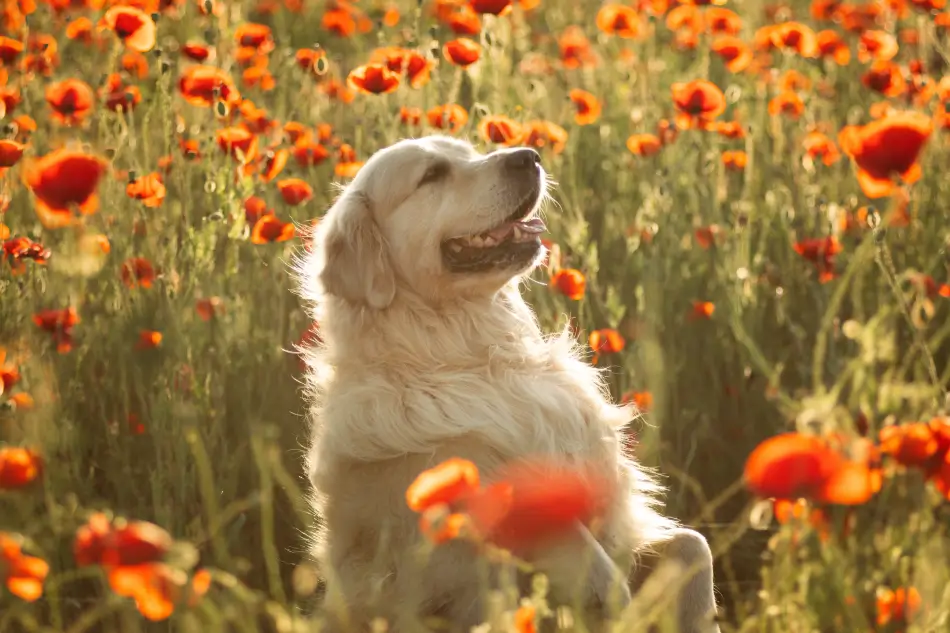
With the help of lifelong topical and oral anti-inflammatory therapy, a daily oral vision supplement, and close monitoring by Dr. Bailey, Ralph’s vision was preserved in the left eye but the cataract in the right eye gradually worsened. However, when he was 11 years old the right eye developed uncontrollable glaucoma and became blind, enlarged and uncomfortable. There were few options, and Jen decided to have the right eye surgically removed by Dr. Cohn. Ralph bounced back after surgery and clearly felt much better with the right eye gone.
Jen knew that GRPU might eventually rob Ralph’s remaining vision, even to the extent that his remaining eye might need to be removed if glaucoma developed and could not be controlled, but she knew that they’d get through whatever this terrible disease threw at them. Ralph did not need his vision in order to be safe and happy. Since Ralph saw endless possibilities in each day, so would Jen. As Ralph basked in the warmth of Jen’s love, it was clear that his journey was more than just about overcoming a medical condition; it was a testament to the resilience of the canine spirit and the unbreakable bond between humans and their furry friends.
By Marnie Ford PhD, DVM, Diplomate ACVO
Dr. Ford graduated from the Ontario Veterinary College in 2000 after completing a Bachelors in Zoology at the University of British Columbia and a PhD in Physiology at Monash University in Australia. Following a rotating small animal internship at the University of Minnesota in 2001, Dr. Ford achieved Diplomate status from the American College of Veterinary Ophthalmologists in 2006 after completing a 3-year residency in Comparative Ophthalmology at the University of Missouri. After co-founding a private referral hospital, West Coast Veterinary Eye Specialists, in New Westminster (2004-2013) she opened Pacific Animal Eye Specialty services, providing mobile medical and surgical ophthalmologic care to patients in the Lower Mainland, Vancouver Island, and the Interior of BC (2013-2019). In 2019, she returned to Australia where she worked full-time in both medical and surgical ophthalmology as well as resident training at Animal Eye Care in Melbourne Australia. In 2023, Dr. Ford returned to Vancouver to provide locum services to ophthalmologists across Canada.