 Pet News



Hello, fellow pet lovers! Dr. Marnie here. Today, I want to chat about something super important: Emergency preparedness for your pets. Let’s start with a situation I personally experienced:
A Hot, Hot Summer…2003 Kelowna, British Columbia
It was a scorching summer, and forest fires were a familiar threat. Like many others, my family watched the news, half-expecting we’d be safe as we had been in previous years. But then, one night, everything changed.
At 3:30 am, there was a loud knock on our door. The police were evacuating the neighborhood due to a nearby wildfire. We had 15 minutes to leave.
In our rush, we grabbed our emergency kit with essentials for us but – and here’s the kicker – we completely forgot about preparing something similar for our dogs.
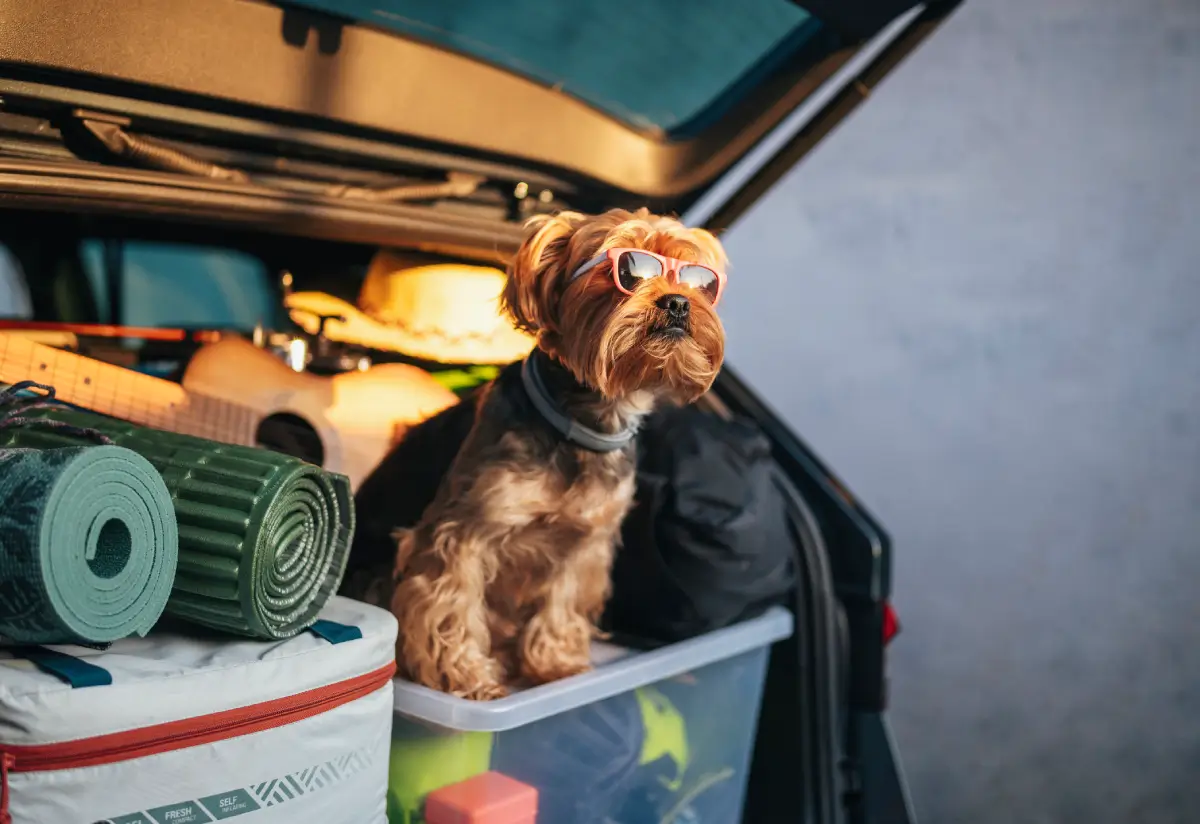
At the emergency reception center, we were fortunate to find shelter for ourselves and our dogs. Not all emergency shelters accept household pets.
It really struck us: had we prepared a kit for our pets, we wouldn’t have had to rely so heavily on the center’s resources, which could have been used for others in need. This experience was a wake-up call about the importance of being prepared with evacuation kits for our furry family members.
Since that fiery summer, we’ve faced more fire alerts but haven’t had to evacuate again. Yet, we now know what we didn’t realize in that hot summer of 2003; we’re ready for whatever comes, planning is important for not only us but for our animal companions too.
So, let’s discuss how you can be well prepared for every member of your family.

Advertisement
10-Point Pet Emergency Preparedness Checklist
-
Pet Emergency Kit
Create a kit that includes food, water, bowls, and any special dietary needs or supplements, include litter, litter box, newspapers, paper towels, plastic trash bags, and household bleach. Think about what your pet needs daily and ensure you have a supply that can last at least a week.
-
Medications and Medical Records
If your pet takes medications, keep a supply in your emergency kit. Also, include copies of their medical records and vaccination history. These are crucial, especially if you need to stay at a shelter or with a vet.
-
Identification and Photos
Ensure your pet has proper identification, like a collar with ID tags and a microchip. Have recent photos of your pet in case you get separated. Photos can help others identify and return them to you.
-
Secure Carriers or Crates
Have a sturdy carrier or crate for each pet. It should be large enough for them to stand, turn around, and lie down comfortably. This is vital for safe transportation and housing during an emergency.
-
Leashes and Harnesses
Keep an extra leash and harness (or collar) with your emergency kit. In chaotic situations, pets can get scared and run, so having control is crucial.
-
Familiar Items
Include items that are familiar to your pet, like a favorite toy or blanket. This can help reduce their stress in unfamiliar environments.
-
Basic Pet First-Aid Kit
A basic pet first-aid kit can be a lifesaver. Include bandages, pet thermometer, antiseptic, tweezers, grooming shears, brushes, and anything else your vet recommends.
-
Emergency Contacts
Have a list of emergency contacts: your vet, local animal shelters, and pet-friendly accommodations. In a crisis, you’ll know exactly who to call.
-
Practice Evacuations
Run through evacuation drills with your pets. Practice getting them into carriers and into the car quickly. This can help both you and your pets maintain calm if you ever need to evacuate in a crisis situation.
-
Plan for Different Scenarios
Think about different types of emergencies and how they might affect your plan. For instance, what would you do in case of floods, fires, or power outages? Having a plan and appropriate supplies for various scenarios is key.
Preparing Your Pet for an Emergency
Understand Your Pet’s Needs
Each pet is unique. Some might need special medications, while others might have specific dietary requirements. Understanding these needs ensures that your emergency plan is comprehensive and suitable for each of your furry friends.
Communication is Key
During emergencies, keeping calm and communicating effectively with your pets is vital. Pets pick up on our emotions, so staying as calm as possible will help them stay calm too.
Stay Informed
Keep up to date with local news and alerts. Knowing what’s happening can give you a head start in case you need to evacuate or take shelter.
Know Your Shelter Options
Not all shelters accept pets, so it’s crucial to know beforehand which ones do. Also, consider pet-friendly hotels or staying with family or friends who can accommodate you and your pets.
Looking Back and Moving Forward
Reflecting on that summer in 2003, I realize how crucial it is to include our pets in emergency preparedness plans. We were lucky to find a shelter that could accommodate our dogs, but it could have been a very different story with a completely different outcome.
Since that experience, we’ve made sure our emergency preparedness plans include our pets. They’re important and valued members of our family, after all. We’ve practiced our evacuation plan, ensured our pets’ comfort and safety, and now feel more prepared than ever.
Emergencies can be unpredictable and scary, but being prepared can make a world of difference. So, take the time to make a plan, gather supplies, and practice your evacuation. It’s one of the best ways you can show love and care for your furry family members.
Stay safe and prepared, everyone! Your pets are counting on you.
BONUS:
While our blog is focused on emergency preparedness for pets, it’s equally important to have a plan and supplies ready for the human members of the family.
Here’s a 10-point checklist to help ensure you and your loved ones are prepared for an emergency:
Advertisement
10-Point Emergency Preparedness Checklist for People
-
Personal Emergency Kit
Create a personal emergency kit for each family member. This should include essential items like water (one gallon per person per day for at least three days), non-perishable food for three days, a flashlight, batteries, a whistle, and a first aid kit.
-
Medications and Health Supplies
Include a seven-day supply of prescription medications and any over-the-counter drugs you might need, such as pain relievers, antacids, or laxatives. Don’t forget personal hygiene items like toothbrushes, toothpaste, and feminine hygiene products.
-
Important Documents
Keep copies of important documents such as identification cards, birth/marriage certificates, health insurance cards, social security cards, passports, insurance policies, bank account records, safe deposit keys, wills, deeds, extra house/car keys, and a family emergency contact list. Store them in a waterproof, portable container.
-
Clothing and Personal Items
Pack seasonally appropriate changes of clothes for each person, including sturdy shoes and bad weather gear. Consider adding blankets or sleeping bags.
-
Cash and Emergency Credit Card
Have some cash in small denominations, as ATMs and credit card machines may not be working in the event of a power outage. Keep an emergency credit card with a decent available balance, if possible.
-
Multi tool and Supplies
Include a multitool or Swiss Army knife, duct tape, zip ties, plastic sheeting, and a few basic tools (like a screwdriver and pliers). Don’t forget to pack some paper maps! These can be invaluable in various situations.
-
Emergency Contact Information
Write down emergency contact numbers for local authorities, hospitals, and your family members. Also include contact information for your utility companies.
-
Flashlights and Batteries
Ensure you have multiple flashlights or battery-operated lanterns with extra batteries. Solar powered lanterns are invaluable to have on hand in extended power outage situations (some of these have the ability to charge mobile phones). Have phone/tablet charging cords on hand should power be available.
-
Sanitation Supplies
Pack items like toilet paper, moist towelettes, garbage bags, personal hygiene items, and plastic ties for personal sanitation. These can help maintain hygiene and comfort during prolonged periods without water or services.
-
Special Needs Items
Consider the specific needs of all family members. This may include items for babies (like formula, diapers, bottles), the elderly (dentures/cleaning solutions), as well as contact lens solution and extra lenses/or glasses, or those with medical conditions which require special equipment/supplies.
Advertisement
Additional Tips for Emergency Preparedness
Stay Informed
Keep a battery-powered or hand-crank radio to stay updated on emergency information, especially if your regular communication channels are down.
Home Safety Checks
Regularly check your smoke detectors and carbon monoxide detectors, ensuring they function correctly and have fresh batteries.
Practice Your Plan
Run emergency drills with your family, including evacuation routes and meeting points. Familiarity with the plan can reduce chaos and confusion during an actual emergency.
Update Your Supplies
Be sure to regularly update your supplies. It will do you, your family, and your pets no good to have warm, winter weather gear during a heat wave or conversely, having light weight clothing in winter months.
Keeping food, medicines, and other perishable supplies fresh also helps to ensure that you will have what you need, when you need it. Set an alert to check your evacuation kits seasonally at the very least.
Learn Basic First Aid
Consider taking a basic first aid and CPR class. In many emergencies, immediate response in the first few minutes can be critical.
Check Your Insurance
Review your insurance policies for coverage on natural disasters common in your area, such as floods, earthquakes, or wildfires, have policy papers and contact info with you when you evacuate.
Remember, the key to effective emergency preparedness is planning. By taking the time now to prepare, and updating your supplies regularly, you can significantly reduce the stress and danger for you, your family, and your pets in the event of an emergency.
Stay safe and be prepared!


Marnie Ford PhD, DVM, Diplomate ACVO
Dr. Ford graduated from the Ontario Veterinary College in 2000 after completing a Bachelors in Zoology at the University of British Columbia and a PhD in Physiology at Monash University in Australia. Following a rotating small animal internship at the University of Minnesota in 2001, Dr. Ford achieved Diplomate status from the American College of Veterinary Ophthalmologists in 2006 after completing a 3-year residency in Comparative Ophthalmology at the University of Missouri. After co-founding a private referral hospital, West Coast Veterinary Eye Specialists, in New Westminster (2004-2013) she opened Pacific Animal Eye Specialty services, providing mobile medical and surgical ophthalmologic care to patients in the Lower Mainland, Vancouver Island, and the Interior of BC (2013-2019). In 2019, she returned to Australia where she worked full-time in both medical and surgical ophthalmology as well as resident training at Animal Eye Care in Melbourne Australia. In 2023, Dr. Ford returned to Vancouver to provide locum services to ophthalmologists across Canada.
Marnie Ford PhD, DVM, Diplomate ACVO
Dr. Ford graduated from the Ontario Veterinary College in 2000 after completing a Bachelors in Zoology at the University of British Columbia and a PhD in Physiology at Monash University in Australia. Following a rotating small animal internship at the University of Minnesota in 2001, Dr. Ford achieved Diplomate status from the American College of Veterinary Ophthalmologists in 2006 after completing a 3-year residency in Comparative Ophthalmology at the University of Missouri. After co-founding a private referral hospital, West Coast Veterinary Eye Specialists, in New Westminster (2004-2013) she opened Pacific Animal Eye Specialty services, providing mobile medical and surgical ophthalmologic care to patients in the Lower Mainland, Vancouver Island, and the Interior of BC (2013-2019). In 2019, she returned to Australia where she worked full-time in both medical and surgical ophthalmology as well as resident training at Animal Eye Care in Melbourne Australia. In 2023, Dr. Ford returned to Vancouver to provide locum services to ophthalmologists across Canada.