 Pet News



Pet insurance is becoming more popular and accessible for pet owners, with more options available than ever before. Many people wonder if it is worth the cost, or if it is better to save money and pay veterinary bills as they arise. Here are five important points to help you make an informed decision about whether or not to purchase pet insurance for your companion.

Pre-Existing Conditions and Exclusions Matter
It is important to know that pet insurance will typically not include coverage for pre-existing conditions. This means that if your pet already has a diagnosis such as diabetes, treatment for that condition will not be covered. Some insurance companies will allow for “curable” conditions if the pet has been free from symptoms for an extended period, but this varies.
If you think you may purchase insurance for your pet, is important to enroll them as soon as possible while they are still young and healthy, before they have any conditions that might be excluded from insurance.
Insurance companies may also exclude breed-specific conditions, such as hip dysplasia in large dogs, or heart disease in certain breeds of cats. This is something to consider if you are still looking for a pet. There are good resources available for breed-specific diseases, and choosing a breed of dog or cat that is less likely to have genetic diseases will make you both happier in the long run.
Pet Insurance Can Help with Unexpected Costs
Pet insurance can literally make the difference between life and death for a pet. Countless families have had to choose between paying the bills for their family and their home, or surgery for their dog after being hit by a car, or other accident or illness. With pet insurance, people no longer must choose.
Veterinarians in practice have often tragically euthanized pets whose owners could not afford to treat them in an emergency. Pet insurance helps make sure that pet owners don’t face this terrible dilemma.
Policies often cover a range of treatments, including surgeries, diagnostic tests, and medications, but not all expenses are covered, such as preexisting conditions. Be sure to read the fine print and fully understand your plan coverage before and after buying it.
Advertisement
There Are Different Types of Coverage
Pet insurance isn’t a one-size-fits-all solution; different plans offer varying levels of coverage. The most common types include accident-only plans, accident and illness plans, and comprehensive plans that may also include routine wellness care.
Accident-only policies are typically the most affordable, covering injuries like broken bones or bite wounds, but not illnesses. On the other hand, accident and illness plans offer broader coverage, including conditions like infections, allergies, and cancer treatments.
Some companies also provide wellness add-ons, which help cover preventative care like vaccinations, flea prevention, and annual check-ups. While these extras can be helpful, they tend to increase monthly premiums. Pet owners should carefully compare plans and consider their pet’s specific needs, breed risks, and lifestyle to determine which coverage makes the most sense for them.
Some Breeds Are More Expensive to Insure
If you are just getting started looking at pet insurance, it may surprise you to know that your pet’s breed can greatly affect your insurance premiums, as well as what your insurance will cover.
Some breeds are more prone to hereditary or congenital health issues, making them greater risks for insurers to cover. For example, large breed dogs like Great Danes and German Shepherds are more susceptible to joint problems, while brachycephalic breeds like Bulldogs and Pugs typically have respiratory concerns. Similarly, some cat breeds, such as Maine Coons and Persians, may be more prone to heart disease or kidney problems.
Because of these breed-specific risks, insurance premiums for these pets tend to be higher. If you have a breed known for genetic health conditions, getting coverage early—before any issues arise—can help ensure they receive proper care without breaking the bank. If you are still considering what kind of pet to get, you might consider this before you choose.
Pet Insurance Doesn't Cover Everything
Even with a comprehensive plan, pet insurance won’t cover every expense. Most policies exclude routine and elective procedures, such as spaying, neutering and dental cleanings. Some policies also have waiting periods, meaning coverage doesn’t begin immediately after enrollment.
For example, an insurer may require a 14-day waiting period for illness coverage and up to six months for orthopedic conditions.
Additionally, alternative treatments like acupuncture, hydrotherapy, or chiropractic care may not be included unless you purchase a special insurance add-on.
If you’re interested in holistic or non-traditional veterinary treatments, it’s important to check whether your policy covers them. Being aware of these limitations helps prevent unexpected out-of-pocket expenses and ensures you choose the best plan for your pet’s needs.
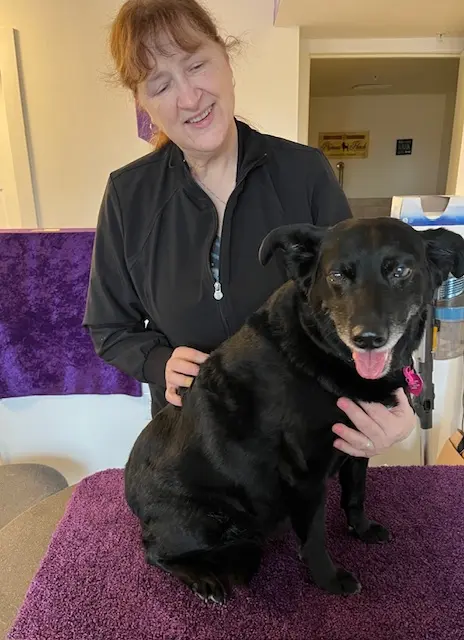


Karen E. Mueller DVM, AVCA Certified
Dr. Mueller has over 30 years of experience in general small animal veterinary practice, feline medicine, and shelter medicine. Dedicated to preventing pain in pets and improving their quality of life, she currently has an animal chiropractic practice in Bellingham, WA. Dr. Mueller is also passionate about reducing pet overpopulation and works with high-volume, low-cost spay and neuter nonprofit programs throughout the Pacific Northwest.
Karen E. Mueller DVM, AVCA Certified
Dr. Mueller has over 30 years of experience in general small animal veterinary practice, feline medicine, and shelter medicine. Dedicated to preventing pain in pets and improving their quality of life, she currently has an animal chiropractic practice in Bellingham, WA. Dr. Mueller is also passionate about reducing pet overpopulation and works with high-volume, low-cost spay and neuter nonprofit programs throughout the Pacific Northwest.