
 Pet News


Everlasting Companions: 10 Pets with the Longest Lifespans
Goldfish (10–40 years)
Goldfish are underrated but entertaining and beautiful pets. They demand very little, but they can live for decades when properly cared for. Although people often house them in small bowls, goldfish do best in larger tanks, ideally 10 gallons per fish. Goldfish tanks should have filtration and regular water changes to maintain good water quality. Their diet should include high-quality goldfish flakes or pellets and occasional protein sources such as brine shrimp or bloodworms. Once your tank is correctly set up, goldfish are one of the most inexpensive pets to maintain. Goldfish quickly learn when it is mealtime and will remind you by swimming to the top of the tank to get your attention. My goldfish liked to watch TV with us; I would catch them all facing the TV in the evening, hovering mid-tank, entranced in our shows.
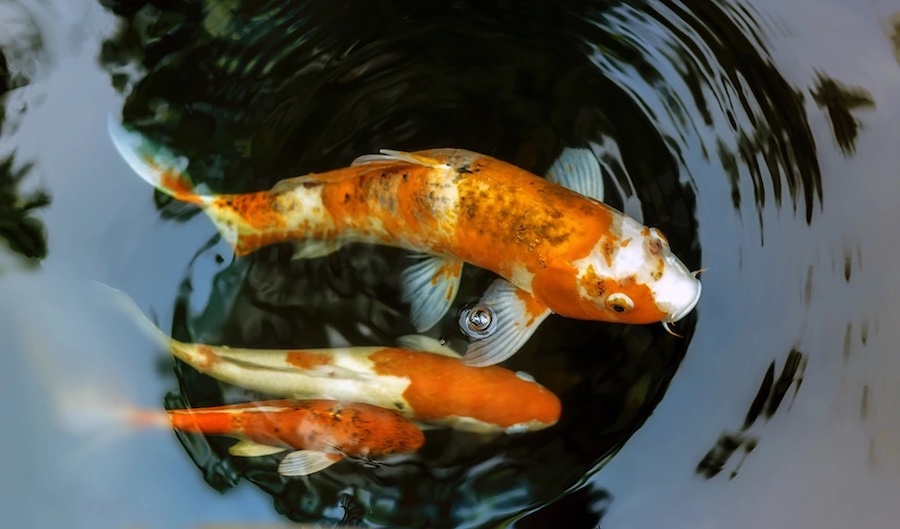
Koi Fish (25–50+ years, some over 200 years)
Koi are beautiful fish that grow quite large, up to 36 inches long and 35 pounds. Domestically bred koi tend to live 15-30 years in ideal conditions, whereas Japanese stock can live well over 100 years. All koi are prized for their coloring. Although most of their growth occurs in the first few years, they grow continuously. Koi eat high-quality koi pellets, fresh vegetables, and protein treats. They require large, well-filtered outdoor ponds with lots of swimming area, about 250 gallons of water per fish, and a pond at least 3-4 feet deep. Regular water testing and maintenance are necessary for healthy levels of ammonia and nitrates. Setting up your koi pond can be expensive, and significant ongoing expenses include high-quality food, water maintenance, and seasonal care.
Advertisement
Cats (12–20+ years, some over 30 years)
Cats are certainly one of the most popular pets, and they are one of the most long-lived. Cats routinely live into their teens, especially with regular veterinary check-ups and preventative health care such as vaccinations, parasite control, and dentistry. Some breeds, such as Siamese and Maine Coons, are known for having longer lifespans. Cats are carnivorous and require a high-quality, balanced commercial cat food diet with fresh water. They need social interaction, mental stimulation, and play, usually in the form of toys, scratching posts, safe places for climbing and resting, and lots of attention, interactive play, and love. Indoor cats typically live longer than outdoor cats due to less exposure to accidents, predators, and diseases. Cats can be a more expensive pet than fish or turtles, but they are wonderful, interactive, and loving companions that readily become part of your family. Costs include food, litter, toys, and veterinary care. Always try to find your pet through adoption and rescue first in order to save a life and make room at the shelter for the next needy cat or kitten. (See our Pet Health Harbour article A Guide to Caring for Your Senior Cat for more information on how to help your cat live its longest, happiest life.)
Box Turtles (40–100 years)
Everyone loves a turtle. They are gentle, easy to hold, and fun to watch. When properly taken care of, they can live a very long time–up to 100 years! Depending on the climate, box turtles need large indoor habitats with UVB lighting or generous, safe, and secure outdoor areas. Their diet is vital for their overall health and includes insects, worms, fresh leafy greens, and fruit. Humidity and temperature regulation are crucial for their health. They need a shallow water bowl to drink from and soak in. They are prone to several health issues, including metabolic bone disease, respiratory infections, and shell rot. Veterinary care is sometimes necessary to monitor turtles for these conditions. The initial cost of having a turtle as a pet includes preparing a properly equipped enclosure, while ongoing expenses involve food, heating, and veterinary care. Before buying a turtle, see if you can adopt one. Since they live so long, a family may be ready to rehome theirs as their children leave home for college, or the local humane society may have one needing a home.
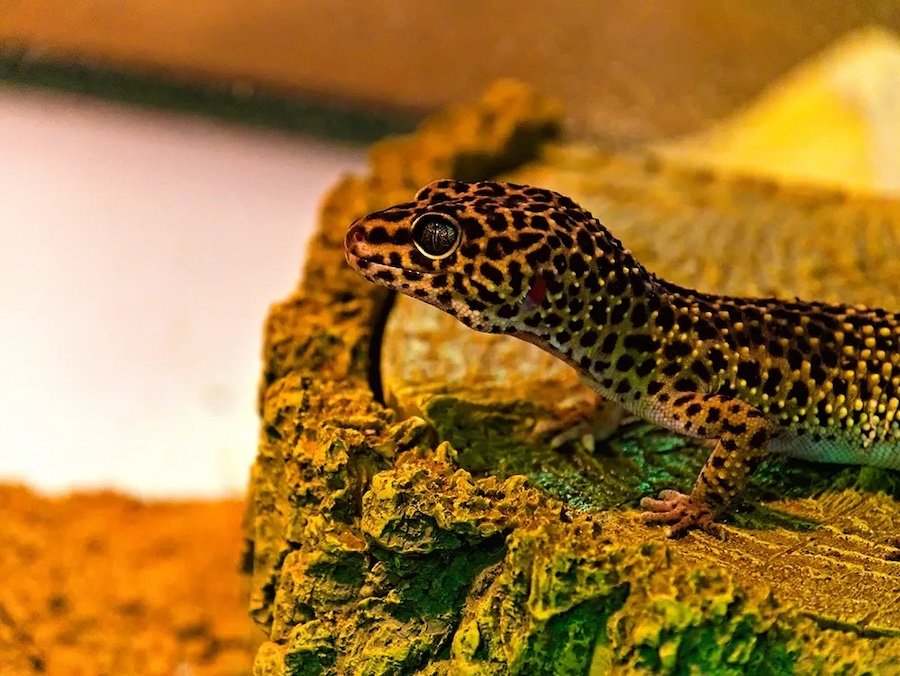
Geckos (15–30 years, depending on species)
Geckos are cute and fun to hold. They are interesting to watch, and their habitats can be fun to create. Some species, like the leopard gecko, can live for over 20 years. They require a terrarium with heat lamps, hiding areas, and UVB lighting. Geckos eat live insects like crickets and mealworms, dusted with a calcium supplement. They need water in a shallow bowl, always available to maintain adequate hydration. Geckos are prone to metabolic bone disease, shedding problems, and impaction, so they may need occasional veterinary care. Setting up the terrarium for a gecko can be moderately expensive, and there will be ongoing costs for the live food, calcium supplement, heating, and occasional veterinary care. Check with your local animal shelter first; occasionally, they will have a gecko that needs a home or some terrarium supplies available.
African Grey Parrots (50–80 years)
If there is one thing to know about having an African Grey parrot, it is that the relationship may well last your lifetime, and they may outlive you, so be sure you plan ahead. They may become your best friend and your loudest, most demanding, most clever, funniest friend. Parrots are very loud and messy, and African Greys are also very dusty. They require a large cage with perches, lots of toys, and daily opportunities outside the cage. They must receive a varied diet of high-quality pellets, fresh vegetables, fruits, and nuts without too many seeds and unhealthy treats. They need veterinary care to monitor for malnutrition, respiratory infections, and behavioral issues. Daily interaction, training, play, and love are paramount for their quality of life and to prevent boredom and stress, which often manifests as feather-plucking. African Grey parrots require a profound, long-term financial and time commitment for food, husbandry, attention, and veterinary care. If you are interested in an African Grey parrot for a pet, please consult with parrot rescue groups for information and possible adoption options. African Greys are often surrendered because people are not prepared for or capable of providing the required care.
Advertisement
Dogs (8–18+ years, depending on breed)
Dogs are arguably the world’s favorite pets, based on the number of dog-owning households. Small dogs like Chihuahuas and Toy Poodles routinely live into their upper teens. In contrast, larger dogs tend to have shorter lifespans; giant breeds like Great Danes have an average lifespan of 8-9 years. Dogs are omnivorous and require a well-balanced diet of high-quality commercial or home-made food, fresh water, and supplements as directed by your veterinarian. Routine veterinary care is crucial for optimal health, including vaccination, parasite prevention and control, and dental care, and has helped extend the lifespans of our canine companions. Dogs need exercise, grooming, and training and thrive on daily walks, outings, and playtime routines. The cost of owning a dog varies widely, including food, veterinary care, grooming, and supplies, but the love you get from a dog is priceless. Always try to find your pet through adoption and rescue first in order to save a life and make room at the shelter for the next dog or puppy who needs a home. See our article Preventing Pain and Discomfort in Senior Dogs to help your dog be comfortable into their senior years.
Macaws (Up to 80+ years)
Like African Greys, Macaws can become your friend for life and may well outlive you, so be sure you plan ahead. They are very large, intelligent, friendly, loud, and social parrots that need a large aviary to thrive. They need a varied diet of high-quality pellets, fresh fruits, vegetables, and nuts. They need constant attention, stimulation, and enrichment, such as toys and puzzles, to prevent boredom and destructive behaviors like feather-plucking. Macaws need regular veterinary care to monitor for respiratory infections and other issues. Since they can outlive their owners, provisions must be made for their care after their owner’s passing. If you are interested in a Macaw for a pet, please consult with parrot rescue groups for information and possible adoption options. Macaws are often surrendered because people are not prepared for or capable of providing the care they require, so many Macaws are in rescues that need homes.
Horses (25–40 years)
One of the most beautiful animals on our planet, horses remain a favorite pet. A horse can be a loving companion, with the added benefit of being able to share the joy of horseback riding. Having a horse can open a world of opportunities for fun, hobbies, and sports. There is a world to learn to take proper care of a horse, and many resources are available. Horses require daily care, including pasture with shelter or indoor boarding with turnout, daily exercise, and feeding 2-3 times daily with a balanced diet of hay, grain, and supplements. They need professional hoof care and/or shoeing every 4-8 weeks and routine veterinary care with dental work and vaccinations at least 1-2 times a year. Horses need daily exercise, especially if they are boarded indoors. Owning a horse can be a joy and greatly enrich your life. However, they are among the most expensive pets to own, requiring significant investments in boarding, feed, veterinary care, and equipment. If you are thinking of getting a horse for a pet, consider first taking riding lessons from someone recommended in your community who teaches a style of riding that interests you. Then, lease a horse through your riding stable for a while to accustom yourself to horse “ownership.” This way, you can try having a horse without getting over your head financially or with time commitments. If things go well, you can ask your instructor to help you look for a good horse to buy for your own. This is a good way to avoid buying a completely inappropriate first horse, which people often do when they do not have the guidance of a trusted professional.
Guinea Pigs (5–8 years, sometimes up to 10)
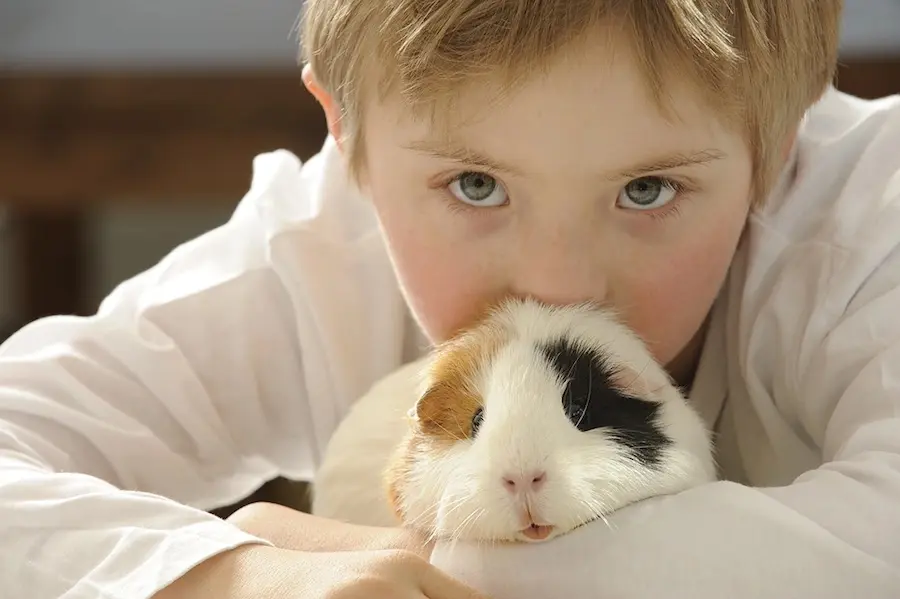
Guinea pigs are adorable, gentle little social pets who thrive in pairs or groups. They can be good pets for small children. They need a large enclosure with plenty of room to move around, soft bedding, and hiding areas. Their diet consists of high-quality hay, fresh vegetables, fortified pellets, and a daily source of vitamin C to prevent scurvy. Guinea pigs enjoy being gently handled and allowed floor time to exercise. Health concerns include dental issues, respiratory infections, and scurvy from lack of vitamin C. Owning guinea pigs is relatively affordable since the cage, food, bedding, and occasional veterinary visits are the main expenses.


Karen E. Mueller DVM, AVCA Certified
Dr. Mueller has over 30 years of experience in general small animal veterinary practice, feline medicine, and shelter medicine. Dedicated to preventing pain in pets and improving their quality of life, she currently has an animal chiropractic practice in Bellingham, WA. Dr. Mueller is also passionate about reducing pet overpopulation and works with high-volume, low-cost spay and neuter nonprofit programs throughout the Pacific Northwest.
Karen E. Mueller DVM, AVCA Certified
Dr. Mueller has over 30 years of experience in general small animal veterinary practice, feline medicine, and shelter medicine. Dedicated to preventing pain in pets and improving their quality of life, she currently has an animal chiropractic practice in Bellingham, WA. Dr. Mueller is also passionate about reducing pet overpopulation and works with high-volume, low-cost spay and neuter nonprofit programs throughout the Pacific Northwest.