 Pet News




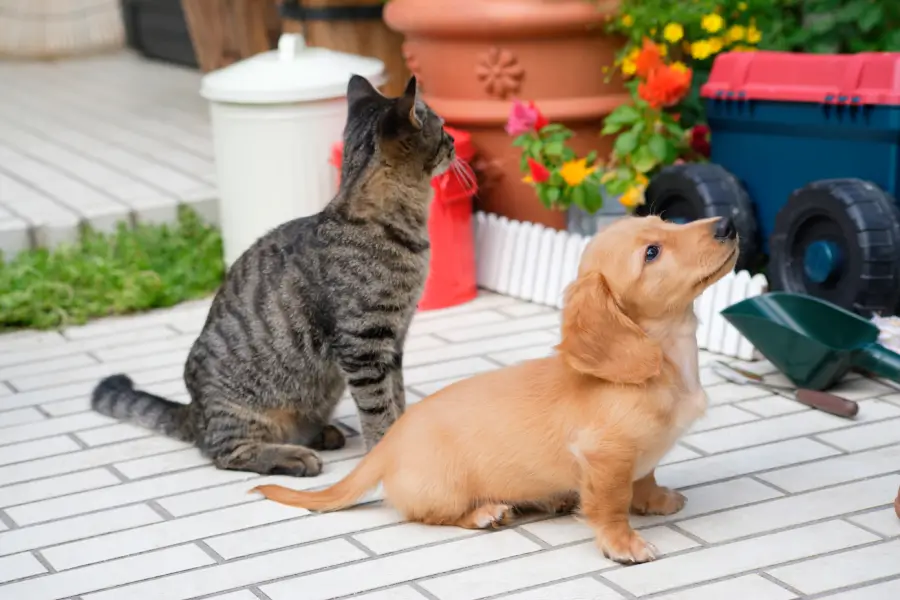
As winter’s thaw gives way to spring’s green promise, many of us look forward to rejuvenating our gardens. However, pet parents must ensure that the revival of their green spaces doesn’t pose a risk to their four-legged family members. “Blooming Dangers: Pet-Safe Spring Gardening Tips” is a comprehensive guide to creating a stunning garden this spring that is as safe as it is beautiful for your pets.
Know Your Plants
The cornerstone of a pet-safe garden is knowledge. Although beautiful, a surprising number of common garden plants and flowers are toxic to pets if ingested. For instance, plants such as lilies, azaleas, and sago palms can be harmful to your pet’s health. Before adding any new plant to your garden, research its safety concerning pets. The ASPCA offers an extensive database of toxic and non-toxic plants to pets, serving as a vital resource for pet parents planning their gardens.
Choose Pet-Friendly Plants
Opt for plants known to be safe for pets. Some safe choices include sunflowers, snapdragons, and petunias. These plants add vibrant colors and textures to your garden and ensure peace of mind, knowing they pose no risk to your pets. Including pet-safe herbs like basil, sage, and thyme can add variety to your garden and be used in your cooking.
Safe Gardening Practices
Beyond plant selection, the way you tend to your garden can also affect its safety for pets:
- Fertilizers and Pesticides: Many common garden chemicals are hazardous to pets. When selecting fertilizers, pesticides, and weed killers, opt for organic or natural alternatives marked as safe for pets. Even with safe products, it is wise to keep pets away from treated areas until they are fully absorbed or dried.
- Cocoa Mulch: Known for its attractive appearance and sweet smell, cocoa mulch is a by-product of chocolate production and can be as toxic to pets as chocolate. Instead, consider using less poisonous alternatives like cedar, pine, or hemlock mulch.
- Garden Tools and Accessories: Always store garden tools and accessories, such as shears, trowels, and even certain types of decorative items that can be chewed on or swallowed, safely out of reach of pets. Ingestion of or injury from garden tools and decorations can lead to serious pet health issues.
Creating a Pet-Friendly Garden Layout
Design your garden in a way that accommodates both your aesthetic preferences and your pet’s safety and enjoyment:
- Designated Play Areas: Incorporate areas within your garden where pets can play and explore safely. This could include a patch of grass specifically for them or a sandbox for cats to enjoy.
- Pathways: Create pathways that encourage pets to follow a safe route through the garden, minimizing the risk of trampling over delicate plants or coming into contact with potentially hazardous ones.
Advertisement
Engaging Your Pet in the Garden
Gardens are not just for humans to enjoy. They can also provide a sensory feast for pets:
- Plant catnip for your feline friends to enjoy.
- Consider adding a minor water feature that pets can drink from, ensuring it is safe and shallow to prevent drowning risks.
Final Thoughts
Creating a pet-safe garden this spring requires thoughtful planning and consideration but is worth the effort. By choosing non-toxic plants, employing safe gardening practices, and designing with your pet’s needs in mind, you can create a space that is a haven for both you and your pets.
Remember, the joy of a garden is not just in its beauty but also in the peace of mind that comes from knowing it’s a safe and enriching environment for all family members, including furry ones.
For more detailed information on pet-safe plants and gardening practices, refer to resources such as the ASPCA’s plant guide and consult a veterinarian or a professional gardener with experience creating pet-friendly landscapes.

Pet Health Harbour is on mission to Educate, Empower, and Enable pet owners to maintain the health, wellness and well-being of their pets, and to be a trusted source of specialty health information for general practice veterinarians.
Pet Health Harbour is on mission to Educate, Empower, and Enable pet owners to maintain the health, wellness and well-being of their pets, and to be a trusted source of specialty health information for general practice veterinarians.