 Pet News



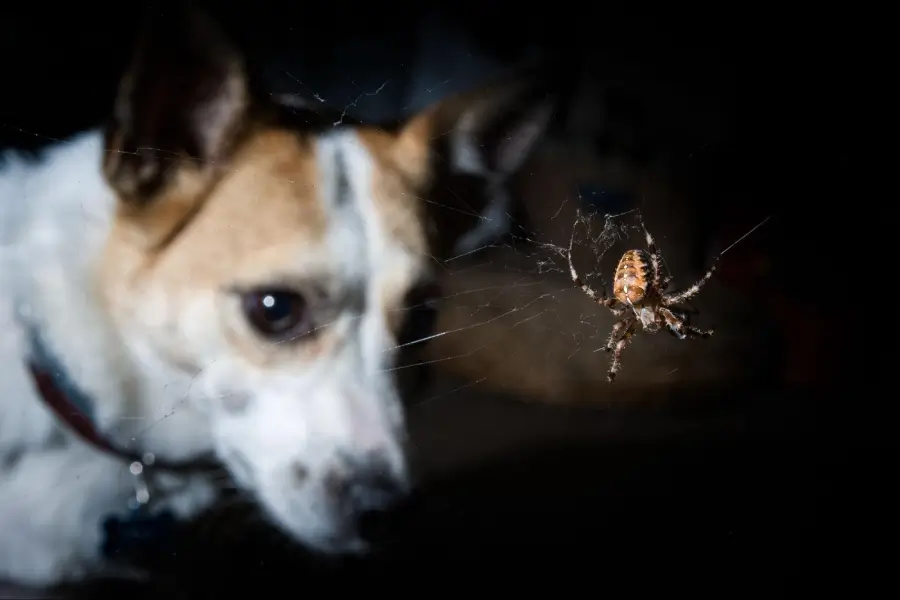
When it comes to protecting our pets from pests, most of us immediately think of fleas and ticks. However, other creatures can also threaten your pets’ health and comfort. From stinging insects to biting arachnids, understanding these pests and knowing how to protect your pets can keep your furry friends happy and healthy.
Common Culprits That Bug Our Pets
Pets can encounter numerous pests daily, especially pets that love exploring the outdoors. Here’s a list of common bugs that might “bug” your pets:
- Mosquitoes: They can transmit heartworm disease to dogs and cats. Mosquito bites are also just as annoying to our pets as they are to us.
- Bees and Wasps: Stings can cause pain and swelling and, in some cases, severe allergic reactions.
- Ants: Fire ants can bite and sting, causing discomfort and potential allergic reactions.
- Spiders: While most are harmless, some spiders such as the black widow, brown recluse, and tarantula, can be dangerous.
- Scorpions: Their stings can be very painful, and in the case of Arizona Bark Scorpions, toxic enough to require emergency veterinary care.
- Centipedes: Although rare, their bites can be painful and cause swelling and irritation.
Advertisement
How to Protect Your Pets from Pests
Protecting your pets from these pests involves a combination of awareness, prevention, and timely intervention. Here are some effective strategies:
- Modify outdoor habitat: Trim foliage away from the house to reduce the number of places spiders can live and enter your home. Remove standing water and debris where pests can breed and hide. Use yellow or sodium vapor light bulbs for outdoor lighting, as these are less attractive to insects, which in turn reduce the number of spiders that prey on them.
- Natural control methods: Encourage natural predators of spiders, such as birds and certain insects (e.g., ladybugs and wasps). Use essential oils like peppermint or lavender around the house and yard. Spiders are repelled by these scents.
- Have your house and yard regularly treated by a professional pest control service.
- Use insect repellent: Choose pet-safe repellents to help keep mosquitoes and other biting insects away. Ask your veterinarian what they recommend, because what is a safe repellent for dogs may not be for cats.
- Anything that you apply to flooring or your lawn may be stepped in or laid on by your pets and then ingested. Dogs and cats lick and groom themselves, so whatever is applied around them or on them may end up in them!
Advertisement
Recognizing and Responding to Bug Bites
Identifying a pest problem early can prevent discomfort and serious health issues for your pet. However, if your pet has been bitten or stung, it is often very difficult to find bite marks. Here are some possible signs that your pet may have been bitten or stung:
- Excessive scratching or licking.
- Localized swelling or redness on the surface of the skin.
- Deep swelling under the skin, often on the head and/or eyelids (even if the bite or sting is elsewhere on the body). Some dogs will have severe swelling of the head and eyelids after being stung by a bee, hornet, or wasp.

- Visible agitation or distress, and possible lameness.
- Signs suggestive of severe pain.
- Difficulty breathing.
- Black widow spider bites tend to cause immediate severe pain, lameness, and increased heart rate. Other signs can include localized swelling, muscle cramping and tremors, a tense non-painful abdomen, vomiting and diarrhea,and even progressive paralysis.
- While tarantula bites can be fatal to dogs and cats, these hairy spiders can also rear up on two legs and launch tiny hairs that embed into skin and/or the surface of eyes.
- Brown recluse spider bites look like a bull’s eye within a few days, and progress to cause localized tissue death that can be severe. These bites take many weeks to heal.
If you notice any of these signs, especially swelling of the mouth or head or breathing difficulties, seek veterinary care immediately.
Precautionary Measures: Pet-Safe Practices
Remember that your pet will be more vulnerable to bites and stings if they have short hair rather than a thicker longer hair coat. Implementing precautionary measures can significantly reduce the risk of pest-related problems:
- Maintain a clean environment: Regularly clean pet bedding and areas where your pets spend a lot of time.If you leave your shoes outside overnight, look in them before bringing them inside, or else you might be carrying unwanted creatures into your house.
- Groom your pets regularly and inspect their skin: This helps to catch any pests before they cause a problem.
- Be cautious in pest-heavy areas: Keep your pets away from dense underbrush and stagnant water during outings.
- Don’t promote risky behavior! For example, don’t encourage your pets to “go after” bugs– even when you know it is just a fly. Besides the fact that this can encourage pets to go after biting and stinging pests, flies can attract hornets and wasps hunting for food. The pet might seriously annoy the hunter and get stung.
Advertisement
Educating Yourself and Your Family
- Know what pests are common in your area and their habits. Don’t rely on old information, because climate change also affects where pests live in the US.
- Know what these pests look like. Know what black widow and brown recluse spiders looks like (especially the females, as they are the ones to worry about), as they have a wide geographic range in the US.
Understanding the habits of these pests and educating your family on how to prevent encounters can be vital to keeping your pets safe. Resources like the American Veterinary Medical Association (AVMA) provide excellent information on pet pest threats and prevention tips.
Stay Vigilant and Prepared
While fleas and ticks are the most notorious pests for pets, other insects and arachnids can also cause problems. Taking the right precautions and remaining vigilant can protect your pets from these less noticeable but equally troublesome pests.


Pet Health Harbour is on mission to Educate, Empower, and Enable pet owners to maintain the health, wellness and well-being of their pets, and to be a trusted source of specialty health information for general practice veterinarians.
Pet Health Harbour is on mission to Educate, Empower, and Enable pet owners to maintain the health, wellness and well-being of their pets, and to be a trusted source of specialty health information for general practice veterinarians.