 Pet News




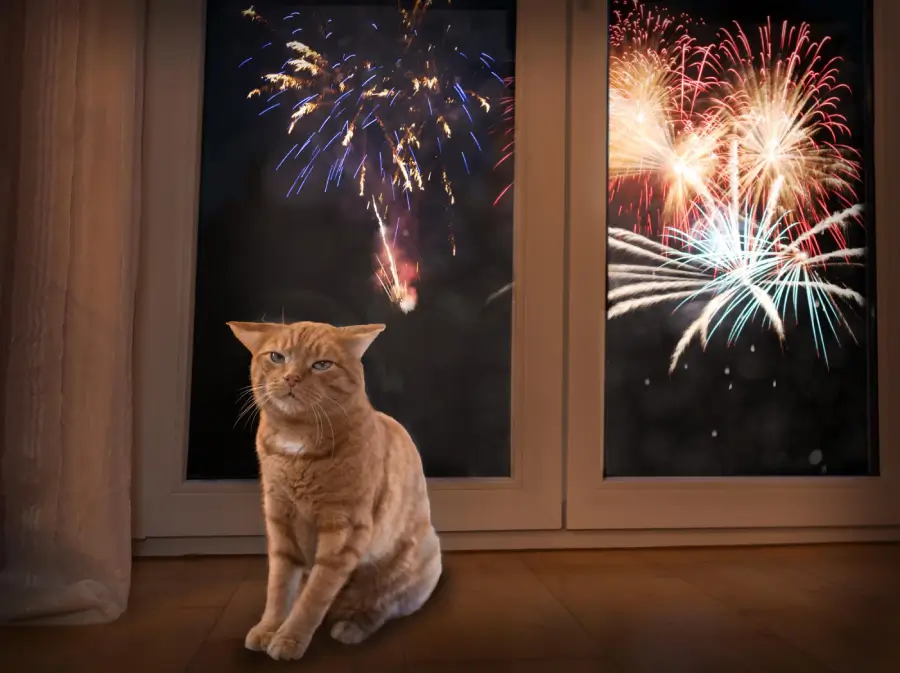
Independence Day is a time for celebration, fireworks, and fun. However, it can be a stressful and dangerous time for pets. The loud noises, flashing lights, and increased activity can cause fear and anxiety in animals. By planning ahead, you can help ensure your pets remain safe and calm during the festivities. Here’s how to prepare for July 4th to keep your pets comfortable.
Understanding the Impact of Fireworks on Pets
Fireworks can cause extreme anxiety in pets. The loud noises can startle them, leading to panic and stress. Dogs and cats have acute hearing, making the explosions even more intense for them. The sudden flashes of light can be disorienting and frightening. According to the American Veterinary Medical Association (AVMA), many pets run away during fireworks each year, and become injured or lost.
Preparing Your Home and Planning Ahead
Creating a safe and comforting environment at home is crucial. Here are some steps to take:
- Make sure your pets all are wearing their collars or harnesses (with ID tags) on July 4th. Even if there are no ID tags, a collar or harness will make it easier to grab your pet if they escape or try to escape. And consider a wearable tech GPS tracker, such as Tractive® tracker and health monitors for dogs and cats.
- Create a Safe Space: Designate a quiet, comfortable area in your home where your pet can retreat during the fireworks. This could be a room with no windows or a space with familiar blankets and toys. July 4th is not a day for you to allow your pets to greet you at the door when you arrive home! It is best to keep your cats and dogs in areas that do not have free access to the outside doors, as they can slip out very quickly when the door is opened.
- Soundproofing: Close windows and curtains to minimize the noise and visual impact of fireworks. You can also play calming music or white noise to help drown out the sounds.
- Secure Doors and Windows: Ensure that all exits are secure to prevent your pet from running away if they get scared. Very scared pets have been known to test windows or doors so be sure to think ahead for this possibility.
- Get Your Pet Microchipped if Not Already Done: Microchips save lives! Pets are much more likely to be reunited with their owners if they are microchipped than if they are not, especially cats. Less than 3% of cats that are lost are reunited with their owners–the number goes up exponentially if the cat is microchipped!
- Check to Make Sure Your Pet’s Microchip Information is Up to Date: Call the microchip company and confirm the information is current. You might have to pay a small fee–worth the price if so! If you don’t know the company, ask your veterinary clinic to scan your pet’s microchip for you, and to please provide the company information if possible. Most clinics have a scanner that will detect your pet’s chip information. If not, the local animal shelter should have one that will.
Advertisement
Keeping Your Pet Calm
Maintaining a calm demeanor can help soothe your pet. Animals often pick up on their owners’ emotions, so staying calm yourself is beneficial. Here are some additional tips:
- Stay Indoors: Keep your pets inside during fireworks. Walk dogs earlier in the day to avoid being outside during the noise.
- Distraction Techniques: Engage your pet with toys or treats to distract them from the noise. Puzzle toys can be particularly effective.
- Comfort Items: Provide your pet with their favorite blanket or toy to offer reassurance.
Using Calming Aids
For anxious pets, consider using calming aids. These can be recommended by your veterinarian and include:
- Calming Supplements: There are various natural supplements designed to reduce anxiety in pets.
- Anxiety Wraps: Products like Thundershirt can provide comfort by applying gentle pressure.
- Anxiety Wraps: Products like Thundershirt can provide comfort by applying gentle pressure.
- Pheromone Diffusers: These release calming pheromones that can help reduce stress.
See Your Veterinarian For Prescription Medications
If your pet is extremely anxious, sensitive, or profoundly bothered by fireworks:
- See your veterinarian: They might prescribe sedatives for the days on or around July 4th to help your pet be able to cope.
- PLAN AHEAD! Veterinary clinics are stampeded with clients the days before the fourth of July, and may not have time to see your pet at the last minute. Plan a few weeks in advance if possible.
- Sedatives come in a variety of forms including transdermal gel (apply to the outer ear) and oral suspension for cats, and tablets, oral suspension, and transdermal gel for dogs.
- Blood testing may be necessary to check that certain sedatives are safe for your pet.
Advertisement
What to Do on the Day of the Fireworks
On the day of the fireworks, keep your pet’s routine as normal as possible. Feed them at their usual time and take dogs for a walk well before the fireworks start. As the evening approaches, ensure your pet is in a safe space with everything they need.
- Microchip and ID Tags: Ensure your pet is wearing a collar with ID tags. If your pet is not already microchipped, plan to get it done ASAP. This increases the chances of a safe return if they escape.
- Stay with Your Pet: If possible, stay home with your pet during the fireworks. Your presence can be very comforting to them, and will help prevent mishaps.
After the Fireworks
Check on your pet once the fireworks are over to ensure they are okay. Look for signs of continued anxiety, such as trembling, hiding, or excessive panting. If your pet seems particularly distressed, consult your veterinarian for advice.
Independence Day can be a stressful time for pets, but with proper preparation, you can help them stay safe and calm. By creating a safe environment, using calming aids, and being present, you can minimize their anxiety and ensure a happier, healthier holiday for everyone.
For more tips on keeping your pets safe and calm during fireworks, visit Pet Health Harbour

Pet Health Harbour is on mission to Educate, Empower, and Enable pet owners to maintain the health, wellness and well-being of their pets, and to be a trusted source of specialty health information for general practice veterinarians.
Pet Health Harbour is on mission to Educate, Empower, and Enable pet owners to maintain the health, wellness and well-being of their pets, and to be a trusted source of specialty health information for general practice veterinarians.