 Pet News



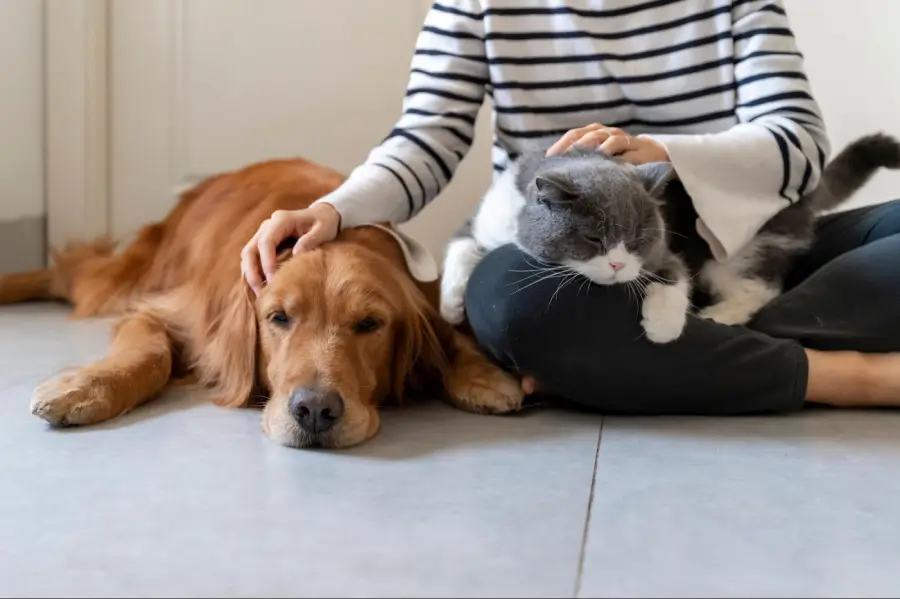
Leaving your pets in someone else’s care can be stressful for you and your pets. Establishing a good working relationship with your pet sitter is crucial to minimizing this stress. Here’s a detailed guide on how to work best with your pet sitter so that your pets remain comfortable and happy while you are away.
Choose the Right Pet Sitter
Select a qualified pet sitter who can understand your pets’ personalities and observe how they interact with your pets during an introductory meeting. Look for someone with experience with pets similar to yours, and check their references.
If your pet needs eye, ear or oral medication, make sure the pet sitter is comfortable with medications. If your pet is diabetic or needs subcutaneous fluid therapy, consider asking your veterinarian’s staff if they know of any pet sitters who can give insulin injections or provide subcutaneous fluid therapy. If you are very lucky, a veterinary technician or veterinary assistant might be able to pet sit for you.
Always have a “meet and greet” in your home with a new pet sitter. Because it is important for the petsitter to spend quality time with the pet to provide companionship, play, and exercise, make sure the petsitter knows what activities your pet loves to do.
Communicate Clearly and Thoroughly using Written Instructions
Before you leave, provide your pet sitter with a written list of all the necessary information about your pets’ routines, habits, and needs. Here’s what you should include:
- Feeding and medication schedule: Clearly outline what time your pets eat and the required doses of any medications.
- Provide a list of what your pet is allergic to, and any medications that must be avoided in the event that emergency health care is needed.
- Location of supplies: Where you store the food, litter, and the supplies to clean up pet accidents.
- Behavioral quirks and preferences: Does your cat hate having her belly touched? Does your dog get anxious during thunderstorms? These details can help the sitter avoid mishaps.
- If you know that your pet doesn’t eat well while you are away: provide both instructions and alternative food options.
- Emergency contact information: Include your veterinarian’s contact details and your own availability during your absence.
- Provide a signed Pet Care Emergency Authorization Form.
- Write in detail how your pet sitter should handle payment of emergency care for your pet, in case you can’t be contacted.
Don’t forget to call your veterinary clinic and your local veterinary emergency clinic to make sure that you know what methods of payment they accept for emergency care, in case you are not available to provide payment information (credit card number, etc).
Effective communication can reduce misunderstandings, ensure your pets’ routines are maintained, and that they can receive emergency health care services.
Prepare Your Home
Ensure your home is a safe and welcoming environment for your pets and the sitter. This includes:
- Securing potentially dangerous items: Ensure that cleaning supplies, medications, and small objects that pets could swallow are out of reach.
- Providing comfort items: Leave items that smell like you, such as an unwashed shirt, to help soothe your pets.
- Setting up necessary supplies: Stock up on pet food, treats, litter, and any other supplies your sitter might need.
- Set up anti-stress pheromone therapy– One to two days prior to your departure, plug in a cat and/or dog pheromone diffuser in a high-traffic area to help reduce their stress.
Establish Check-In Protocols
Agree on how often you will communicate with the petsitter. Regular communication will ease your mind and allow the sitter to ask questions if situations arise, whether it’s daily texts, emails, or video calls. Be sure to ask your sitter to snap and send a quick daily photo of your pet.
Advertisement
Create a Comfortable Environment
Help your pets adjust to your absence and their new caretaker by:
- Maintaining normal routines: Keep feeding, walks, and playtimes as regular as possible.
- Providing familiar toys and beds can offer comfort and a sense of normalcy to your pets.
- Consider streaming on your TV long-playing dog or cat videos for your pets to enjoy.
- Consider a trial run: Having the sitter visit a few times before a longer absence can help your pets get used to someone new in their space.
Upon Your Return
When you return, assess how your pets have been during your absence. Check for any signs of undue stress or discomfort, and ask your pet sitter for feedback on how things went. This can help gauge whether this pet sitter is a good fit for future occasions.
Advertisement
Peace of Mind for Pet Owners
Working effectively with a pet sitter can greatly reduce the stress your pets experience when you’re away. By preparing thoroughly and ensuring clear communication, you can ensure that your pets are cared for in the best possible way.
For more information on pet care and managing stress, visit PetHealthHarbour.com.


Pet Health Harbour is on mission to Educate, Empower, and Enable pet owners to maintain the health, wellness and well-being of their pets, and to be a trusted source of specialty health information for general practice veterinarians.
Pet Health Harbour is on mission to Educate, Empower, and Enable pet owners to maintain the health, wellness and well-being of their pets, and to be a trusted source of specialty health information for general practice veterinarians.