 Pet News




Canine DNA testing has emerged as a valuable tool for pet owners seeking to understand their dog’s genetic background and health risks. These tests provide insights into your dog’s breed composition, potential health issues, and behavioral tendencies. Knowing your dog’s genetic health risks can help you take proactive steps to ensure your furry friend’s long and healthy life.
But remember– your dog is still the same dog it was before you read the DNA test results. And gene expression relies on more than genes– it relies on many other factors including environment, nutrition, and metabolism both inside and outside of the body’s cells.
What is Canine DNA Testing?
Canine DNA testing involves analyzing a sample of your dog’s DNA, usually obtained through a cheek swab, to identify genetic markers associated with various breeds and health conditions. The process is straight forward and can be done at home with a DNA test kit, which is then sent to a laboratory for analysis.
Benefits of Canine DNA Testing
There are several benefits to canine DNA testing, including:
- Understanding Breed Composition: Knowing your dog’s breed mix can help you better understand their behavior, exercise needs, and potential health risks.
- Identifying Genetic Health Risks: Early detection of genetic predispositions allows for timely interventions and preventive care.
- Tailoring Care and Nutrition: Customized care and nutrition plans based on your dog’s genetic profile can enhance their overall well-being.
- Knowing if your dog has the MDR1 gene (multiple drug sensitivity), which can result in toxic reactions to certain drugs, even when prescribed in the normal “safe” dosage range for dogs.
Advertisement
Understanding the Limitations of Canine DNA Testing
- DNA tests can identify genetic predispositions to certain conditions, but they cannot predict with certainty whether a dog will develop a disease. Environmental factors, lifestyle, and other non-genetic factors play a significant role in a dog’s health. Always consult with a veterinarian to interpret the results and make informed decisions about your pet’s health care.
- Just because your dog tests negative for a genetic condition does not guarantee that they are not affected! False negative test results can occur. Also, some dog breeds may have more than one type of a particular genetic disease, for which all genetic markers have not been identified. For example, a breed might have multiple genetic types of PRA (see below), of which only one type has genetic markers that can be tested.
- DNA test kits do not test for all possible genetic health conditions! And they may provide limited information on the ones they do test for.
- Just because a genetic marker has been identified for a condition does not mean that that condition is a bad one, or even clinically significant.
Common Genetic Health Risks in Dogs
Understanding your dog’s potential health risks can be beneficial for effective health management. Some common genetic health risks (and please note that “health risk” does not equate with having a disease or health condition) identified through DNA testing include:
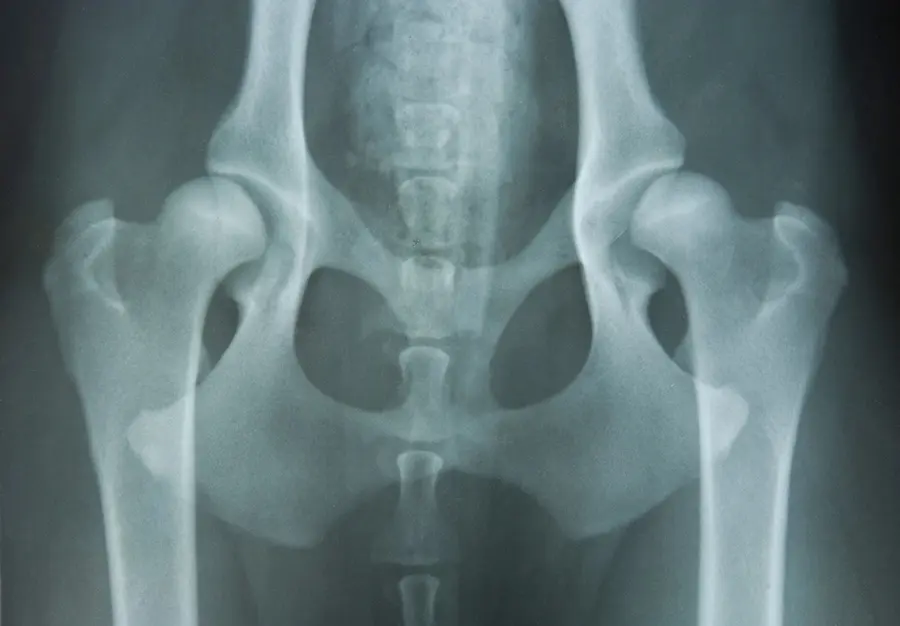
- Hip Dysplasia: A common condition in dozens of breeds (especially larger breeds) that can lead to arthritis and mobility issues. Surprisingly however, many smaller breeds such as French Bulldogs and Pugs are prone to hip dysplasia.
- Progressive Retinal Atrophy (PRA): A common disease in most breeds of dogs that causes blindness in older dogs due to gradual loss of retinal photoreceptor (rod and cone cell) function. It is very helpful if affected dogs are identified by DNA testing while young before the disease has affected vision, because daily oral vision supplementation can be started early to help support the rods and cones and delay vision loss. Some breeds commonly affected with PRA: Labrador Retrievers, Golden Retrievers, Toy and Miniature Poodles, Australian Cattle Dogs, Yorkshire Terriers, and Cocker Spaniels.
- Primary Lens Luxation (PLL): A common inherited eye condition that affects many dog breeds. The tiny ligaments (zonules) that suspend the lens in position break down, causing the lens to freely float and shift into the wrong position. If it shifts forwards in front of the pupil/iris, this can cause severe pain, glaucoma, and vision loss. Many breeds are affected, primarily terriers. Similar to PRA, daily administration of a vision supplement is a good idea for dogs testing positive for PLL.
- Degenerative Myelopathy: A disease affecting the spinal cord, leading to hind limb weakness and paralysis. Commonly affected breeds include German Shepherds and Boxers.
- Von Willebrand’s Disease: A bleeding disorder similar to human hemophilia. More than two dozen breeds are affected, especially Doberman Pinschers. Other commonly affected breeds include Poodles, Bernese Mountain Dogs, and West Highland White Terriers.
Advertisement
How to Choose a Canine DNA Health Panel
When selecting a canine DNA breed and health panel, consider the following factors:
- Accuracy and Reliability: Choose tests from reputable companies with a history of accurate results. The two leading companies are Embark® and Wisdom Panel®; each of them offer genetic breed and health panels including over 200 tests for genetic conditions.
- Comprehensive Screening and Information: Opt for tests that screen for various breeds and genetic conditions and clearly explain the results.
- Ease of Use: Look for tests that offer easy-to-follow instructions.
Using DNA Test Results to Improve Your Dog’s Health
Once you receive your dog’s DNA test results, use the information to create a personalized health plan. Here are some steps to consider:
- Regular Veterinary Check-Ups: Share the DNA test results with your veterinarian to develop a tailored health care plan.
- Preventive Measures: Implement preventive measures for identified health risks, such as weight control and joint supplements for dogs predisposed to hip dysplasia, and eye supplements for dogs predisposed to PRA, PLL, and other ocular diseases. For dogs with PRA and PLL, referral to a board-certified veterinary ophthalmologist is recommended for examination of your dog’s eyes.
- Diet and Exercise: Adjust your dog’s diet and exercise routine based on their breed composition and genetic predispositions.
Advertisement
Tips for Interpreting DNA Test Results
Interpreting DNA test results is sometimes challenging, but the following tips can help:
- Consult Your Vet: Discuss the results with your veterinarian to understand their implications and develop a care plan. Your dog may need to be evaluated by one or more board-certified veterinary specialists if test results indicate the presence of one or more genetic conditions.
- Contact Your Dog’s Breeder: A reputable breeder will also want to know the test results.
- Research Breeds: Learn about the breeds in your dog’s genetic makeup to understand potential behavioral traits and health issues.
- Stay Informed: Keep up-to-date with the latest research on canine genetics to better understand your dog’s needs.
Empowering Pet Owners with Knowledge
Canine DNA testing gives pet owners valuable insights into their dog’s genetic makeup and health risks. By understanding these risks, you can take proactive steps to ensure your dog’s health and happiness. For more information on canine health and wellness, visit Pet Health Harbour. And for a fascinating book about the evolution of wolves into dogs, check out “Once a Wolf: The Science Behind Our Dogs’ Astonishing Genetic Evolution” by Bryan Sykes.


Pet Health Harbour is on mission to Educate, Empower, and Enable pet owners to maintain the health, wellness and well-being of their pets, and to be a trusted source of specialty health information for general practice veterinarians.
Pet Health Harbour is on mission to Educate, Empower, and Enable pet owners to maintain the health, wellness and well-being of their pets, and to be a trusted source of specialty health information for general practice veterinarians.