 Pet News




If you are lucky, your dog is eventually going to grow old in your care and become a senior dog. With that aging is likely to come some challenges. Mobility issues can become a significant concern as dogs age or face health challenges. Helping your dog maintain a good quality of life includes understanding the aids available to support their movement and comfort. Here’s a guide to the essential aids for dogs with mobility issues.
Recognizing Mobility Issues
Dogs that can’t get around like they used to are having mobility issues. These issues in dogs can arise from various conditions, including arthritis, hip dysplasia, spinal problems, and injuries. Signs your dog may be struggling with mobility include:
- Difficulty standing up or sitting down
- Reluctance to climb stairs or get in the car
- Limping or uneven gait such as “tripod” gait in hindquarters
- Reduced activity levels or sleeping more than they used to
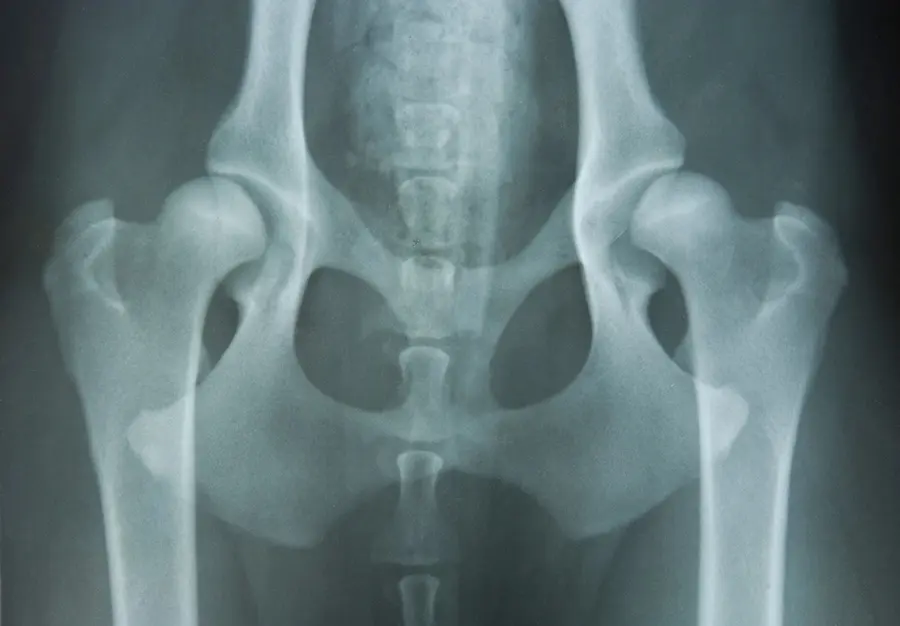
If you notice these signs, consult your veterinarian for a thorough examination and tailored advice. This is likely to include some x-rays, blood work, and possibly a pain medication trial if your dog is showing signs of pain.
Essential Mobility Aids
To help your dog get around better, e.g. enhance your dog’s mobility, and thus their quality of life, consider incorporating these aids:
Advertisement
Orthopedic Beds
Orthopedic beds provide extra support for dogs with joint pain or arthritis. These beds are designed to distribute weight evenly and reduce pressure on sore joints. They also help reduce cold conduction from surfaces to achy joints. There are other bed designs that support and align spines.
Harnesses and Slings
Harnesses and slings are helpful for dogs with significant mobility challenges. They allow you to support your dog’s weight briefly to assist them– to help them get up and down, change positions, and move from place to place.
- Choose a sturdy harness that supports your dog’s weakest area–usually the hindquarters.
- Some styles have both front and hind quarter sections that can be ordered separately and connected together.
- Make sure it has handles or straps long enough or adjustable enough to allow you to use it comfortably.
Ramps and Stairs
Jumping can exacerbate medical issues and can be painful for dogs with mobility issues. Ramps and stairs enable dogs to access higher places, like beds, furniture or cars, without the risk and pain of jumping. These aids come in various sizes and materials to suit different needs. When choosing a ramp or stair for your dog, keep in mind:
- Ramps are better than stairs for very small dogs.
- Ramps take more room than stairs, so measure before ordering.
- Place a non-slip mat at the base of ramps or stairs for secure take-off and landing.
- Be very careful that your ramp is secure when using it with your vehicle.
- Guide your dog on and off to prevent falls with your vehicle ramp.
Carts and “Wheelchairs”
Dog carts (“wheelchairs”– although dogs do not sit on them) can be a great option for dogs with severe mobility issues, such as paralysis or significant weakness in the hind legs. These devices allow dogs to move around independently and maintain an active lifestyle. If you are considering a cart for your paralyzed dog, keep in mind:
- When a dog is in a cart, they cannot sit or lay down to rest. Therefore keep cart time to 15-20 minutes or less.
- Build up cart time slowly. There are good online video tutorials to help.
- Be patient as you train your dog to use the cart. They will need to learn new spatial awareness.
- Monitor all harness contact points frequently during and after cart time. Rubs and abrasions are very painful, happen quickly, and take weeks to heal.
Advertisement
How to Choose the Right Mobility Aid
Selecting the appropriate mobility aid depends on your dog’s specific needs. Here are some considerations:
- Size and Weight: Ensure the aid suits your dog’s size and weight to provide adequate support.
- Condition Severity: The aid should match the severity of your dog’s mobility issues. For instance, a dog with minor arthritis might benefit from an orthopedic bed, while a dog with severe paralysis might need a cart.
- Comfort: Look for aids that are comfortable and ergonomic for you to use with your dog. Materials should be soft and non-irritating. Straps should be wide, supportive, and ergonomic for your dog.
- Durability: The aid should be sturdy and durable to withstand regular use, and washing or wiping if possible.
Tips for Helping Your Dog Adjust
Introducing a new mobility aid can be challenging. Here are some tips to help your dog adjust:
- Positive Reinforcement: Use treats and praise as you introduce the new aid to your dog.
- Slow Introduction: Gradually introduce the aid, allowing your dog to explore it at their own pace.
- Consistent Use: Consistency helps your dog get accustomed to the new aid and incorporate it into their daily routine. A well-fitted lift harness, for example, can be left on for a few hours when supervised, to allow for multiple potty trips.
Benefits of Mobility Aids
Using mobility aids can significantly improve your dog’s quality of life. Benefits include:
- Increased Independence: Aids like carts and ramps help dogs move around independently.
- Reduced Pain: Orthopedic beds help alleviate pressure on painful joints.
- Improved Mental Health: Staying active and mobile helps maintain your dog’s mental well-being.
Advertisement
Enhancing Your Dog’s Quality of Life
Mobility aids are invaluable tools for helping dogs with mobility issues live more comfortable and active lives. By choosing the right aids and supporting your dog through the adjustment period, you can significantly enhance their quality of life. For more tips and resources on caring for dogs with mobility issues, and for senior dogs, visit Pet Health Harbour.


Pet Health Harbour is on mission to Educate, Empower, and Enable pet owners to maintain the health, wellness and well-being of their pets, and to be a trusted source of specialty health information for general practice veterinarians.
Pet Health Harbour is on mission to Educate, Empower, and Enable pet owners to maintain the health, wellness and well-being of their pets, and to be a trusted source of specialty health information for general practice veterinarians.