 Pet News


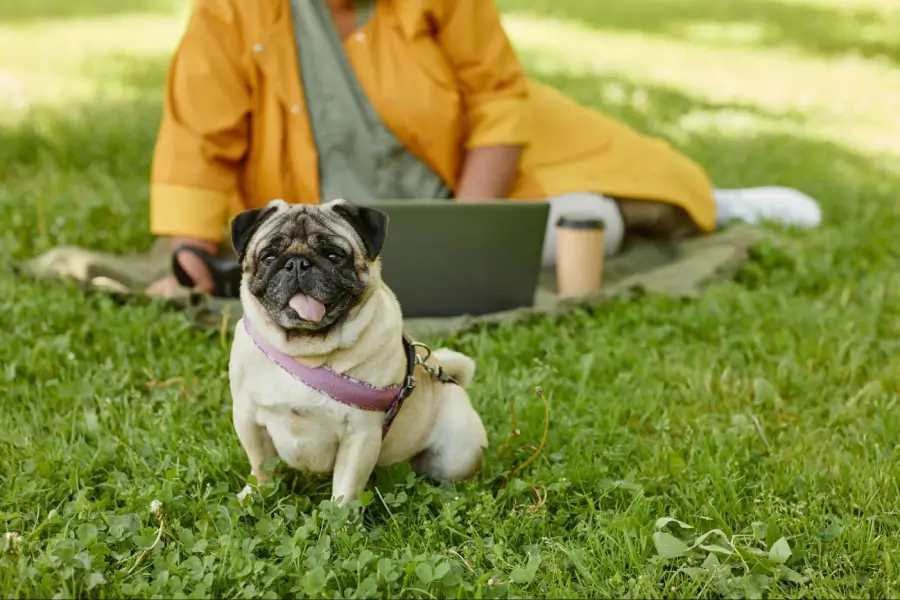
Summer can be a challenging time for senior pets. Their ability to see, hear, smell, and ambulate decreases with age, in addition to their ability to regulate their body temperature. Heat, humidity, and increased outdoor activity can exacerbate health issues common in older dogs and cats. Here’s a comprehensive guide to help you ensure your senior pets stay healthy and comfortable during the summer months.
Understanding the Needs of Senior Pets
Senior pets, like senior humans, have different needs compared to their younger counterparts. Their bodies are more sensitive to temperature changes, and they may have health conditions that require extra care.
Risk Factors for Heat Stroke in Dogs and Cats
- Brachycephalic (short nose) animals, such as French and English Bulldogs, Shih Tzu, Pugs, and Persian cats, have a harder time cooling down through panting.
- Obesity: Excess fat acts as an insulator to trap heat. Obese animals retain more body heat, which can cause a quicker rise in core body temperature during warm conditions. Obesity can make physical activity more strenuous, leading to quicker exhaustion. During exercise, obese animals generate more heat, which they struggle to dissipate effectively. Obese animals often have reduced mobility and may find it difficult to move to cooler areas or find shade, resulting in prolonged exposure to heat.
- Dark hair coat: dark coats absorb more sunlight compared to lighter-colored coats. This increased absorption of solar radiation can lead to a higher surface temperature and high body temperature.
- Fur Density: Thick fur can trap heat and reduce air circulation
Advertisement
Key Care Tips for Senior Pets in the Summer
Hydration is Crucial
- Provide Fresh Water: Always have fresh, cool water available for your pets. Consider adding ice cubes to keep the water cooler for longer periods.
- Monitor Water Intake: Monitor your pet’s water intake. Increased thirst can indicate health issues, so consult your vet if you notice significant changes.
- Is Your Pet Dehydrated?: Check their gums: the earliest sign of dehydration is dry and tacky gums. Also, do a skin turgor test: gently lift a fold of skin between the shoulder blades and “tent” it, then quickly let go and watch how quickly the skin springs back into place (it should be elastic and snap back into place very quickly). If the skin is slow to do so and stays tented for any length of time, dehydration is likely and may be severe. Severe dehydration requires emergency veterinary care.
Avoid Overexposure to Heat
- Monitor the Heat Index: The heat index, which combines temperature and humidity, is a useful measure to assess the risk of heat-related illnesses. A high heat index indicates a greater risk of heat stroke.
- Limit Outdoor Time: Walk your dogs during the cooler parts of the day, such as early morning or late evening. A cooling vest can be worn to help keep your pet cool when required to be outdoors.
- Create Cool Spaces: Ensure your pets have access to shaded areas and cool indoor spaces with fans or air conditioning. However, do not assume that if your pet is in shade, that it is cool enough! If you have an outdoor catio, make sure that your cat has access to shade and water, and can move into your (cooler) house when it wants to leave the catio.
- Hyperthermia (Heat stroke): (temperature of 105°F or greater) is a medical emergency and can be fatal. The goal of treating heatstroke is to reduce body temperature to 102.5°F-103°F and provide emergency medical support. Severe hyperthermia affects nearly every organ of the body, and it is not enough to simply lower the temperature – the body is actually “cooking” and organ systems can fail. Seek veterinary care as soon as possible. The risk factors for heat stroke include:
- Brachycephalic (short nose) animals, such as French and English Bulldogs, Shih Tzu, Pugs, and Persian cats, have a harder time cooling down through panting,
- Obesity: Excess fat acts as an insulator to trap heat. Obese animals retain more body heat, which can cause a quicker rise in core body temperature during warm conditions. Obesity can make physical activity more strenuous, leading to quicker exhaustion. During exercise, obese animals generate more heat, which they struggle to dissipate effectively. Obese animals often have reduced mobility and may find it difficult to move to cooler areas or find shade, resulting in prolonged exposure to heat.
- Dark Hair Coat: dark coats absorb more sunlight compared to lighter-colored coats. This increased absorption of solar radiation can lead to a higher surface temperature and high body temperature.
- Fur Density: Thick fur can trap heat and reduce air circulation.
- Pre-existing Airway Disease, such as laryngeal paralysis (common in senior dogs).
Advertisement
Watch for Signs of Heatstroke and Take Action
- Be aware of clinical signs such as: excessive panting; very red or purple gums and tongue; red eyes; drooling; lethargy; and uncoordinated movements.
- Take Immediate Action: Sadly, 50% of dogs treated for heat stroke die within the first 24 hours. If you suspect heatstroke, act fast. Move your pet to a cool place, grab your pet’s First Aid Kit and take their rectal temperature while wetting their ears, paws, groin, and armpits with cold water. Do not cover with cool wet towels as these can insulate the heat in the body. Get in your car and on the way to your vet ASAP. Call them to let them know you are on the way.
Adjust Exercise Routines
- Shorter, Frequent Walks: Instead of long walks, take your senior dogs on shorter, more frequent outings during the cooler times of the day to avoid overheating.
- Indoor Activities: Engage your pets in indoor games and activities that keep them active without exposing them to the heat.
- Remember– dogs and cats do not know how much exercise is good (or bad) for them. If your dog is ball-crazy and you throw the ball on a hot sunny summer day, your dog will still go for it and might become overheated.
Grooming and Skin Care
- Regular Brushing: Brush your pets regularly to remove excess fur to help them stay cooler.
- Summer Clips: Some dogs and cats with dense coats need “summer clips” to help them stay cooler and be more comfortable.
- Check for Skin Issues: Look for signs of dry skin, hot spots, or parasites. Older pets may have more sensitive skin, so regular checks are important.
Advertisement
Health Check-Ups
- Vet Visits: Schedule regular vet check-ups to monitor any age-related health issues and get advice tailored to your pet’s specific needs.
- Medications: Ensure your pet’s medications are administered regularly and consider whether any adjustments are needed for the summer.
Diet Adjustments
- Nutritional Needs: Consult your vet about any dietary changes that might benefit your senior pet during the summer.
- Light Meals: Consider feeding smaller, more frequent meals to dogs to avoid the risk of bloating and to maintain energy levels.
Advertisement
Special Considerations for Cats
Cats, especially senior ones, can be very susceptible to heat. Ensure they have plenty of cool, shaded spots to lounge in. Encourage hydration by providing wet food to their regular diet and placing multiple water bowls around the house.
Keeping Senior Pets Comfortable
Summer poses unique challenges for senior pets, but with proper care and attention, you can help your older dogs and cats stay cool, comfortable, and healthy. For more tips and in-depth advice, visit Pet Health Harbour.
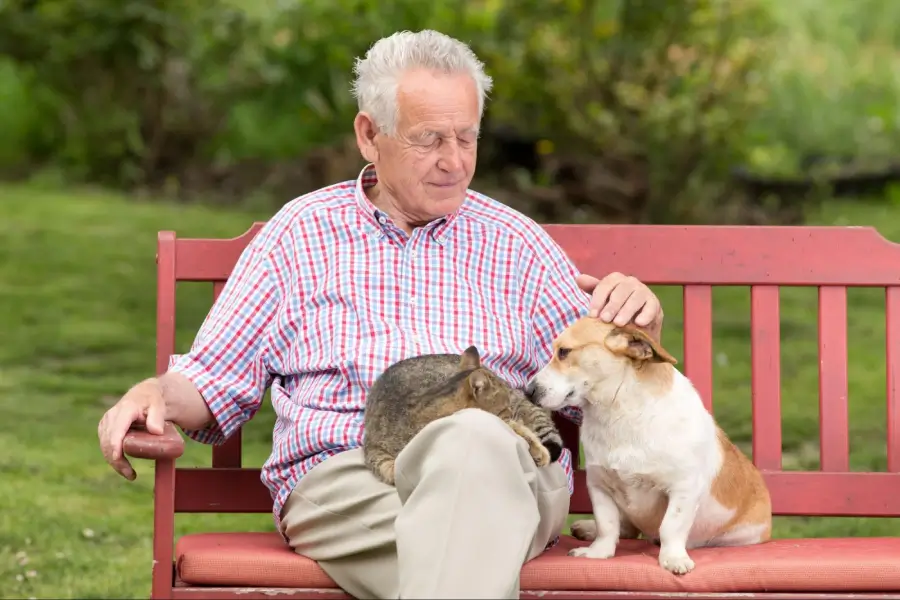

Pet Health Harbour is on mission to Educate, Empower, and Enable pet owners to maintain the health, wellness and well-being of their pets, and to be a trusted source of specialty health information for general practice veterinarians.
Pet Health Harbour is on mission to Educate, Empower, and Enable pet owners to maintain the health, wellness and well-being of their pets, and to be a trusted source of specialty health information for general practice veterinarians.