 Pet News



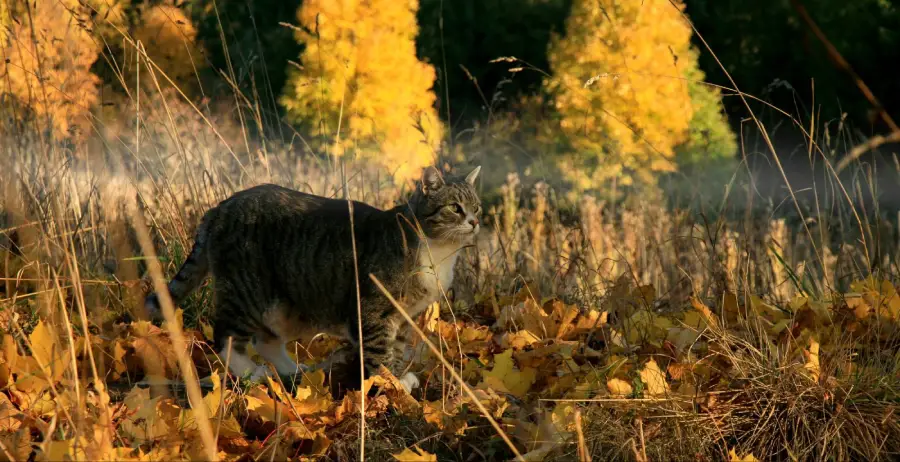
Animals commonly “spike” with seasonal allergies in the spring and autumn. Allergens can affect our pets in many ways that include itchy skin, ear issues, and asthma. Climate change amplifies the impact of autumn allergens by extending pollen seasons, increasing pollen and mold production, worsening air quality, and altering the distribution of highly allergenic plants such as ragweed. These changes result in more severe and lengthy allergy issues in our pets. Preparing for fall allergens is important to help your pet stay healthy and comfortable.
Understanding Fall Allergens
- Pollen Sources: Unlike springtime allergies, fall allergies are mainly caused by ragweed and late-blooming weed pollens.
- Mold: In the fall, mold spores thrive in decaying leaves, compost piles, and other outdoor debris.
- Insects: In the fall, cockroach-related allergies become more prominent as these pests seek shelter indoors.
- Pet Dander: Pet dander can increase during the fall as pets grow thicker coats for winter.
- Smoke and Pollutants: Fall allergies are often aggravated from smoke from wood-burning stoves, fireplaces, and outdoor bonfires. Cooler fall weather in fall traps pollutants closer to the ground, which can further aggravate respiratory conditions and allergies.
Preventing and Managing Fall Allergies
Prevention and management are key to keeping your pet comfortable during the fall season. Here are some effective strategies:
Advertisement
Know and Control Outdoor Sources of Mold:
- Decaying leaves
- Compost piles
- Damp soil and mulch
- Outdoor wood piles
- Rotting vegetation
Avoid Ragweed and Other Pollens: Both pets and humans are highly allergic to ragweed. Interestingly, ragweed allergies in humans can lead to Oral Allergy Syndrome (OAS), where people allergic to ragweed may also have allergic reactions to certain fruits and vegetables such as bananas, melons, zucchini, and cucumbers. This happens because the proteins in these foods are similar to ragweed pollen proteins, triggering an immune response in sensitive individuals.
- Know what ragweed looks like in your area: Keep it mowed every three weeks, before it flowers. One plant can produce 1 billion pollen grains, that can be carried great distances by wind.
- Pollen forecasts: Stay informed about daily pollen levels in your area and plan your pet’s outdoor activities accordingly. Many weather apps and websites provide daily pollen forecasts.
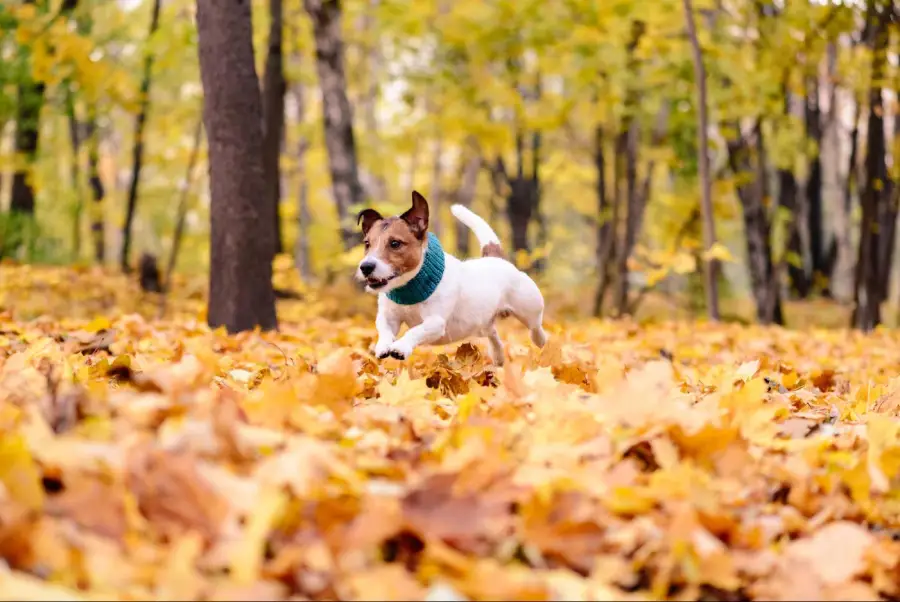
- Outdoor gear: Consider using protective gear, like booties, for your pet during outdoor walks to reduce contact with pollen and mold spores. Remove the gear and wipe down your pet before entering your home.
Monitor Pollen Spore and Mold Spore Counts: Visit the National Allergy Bureau to monitor pollen and mold spore activity in your area. You can also purchase mold spore test kits for your home.
Keep Your Home Clean
Your pet carries pollen and mold spores into your home on their feet and their coat. Regular home cleaning can significantly reduce allergens. Vacuum frequently, use air purifiers with HEPA filters, and wash your pet’s bedding weekly. Before you first turn on your home’s heating system in the fall, change the air filter and have a professional service clean the duct system. Ensure your home is well-ventilated to minimize mold growth.
- Clean door mats: Place a door mat at each entryway and clean it regularly to trap pollen and mold spores before they enter your home.
- Keep windows closed: During ragweed season, keep windows closed, particularly during high pollen times, to prevent pollen from entering your home.
Regular Grooming
Grooming your pet regularly helps remove allergens from their coat. Bathe your pet with hypoallergenic shampoo and brush them frequently to reduce shedding and dander.
Monitor Outdoor Activity
Pollen concentration is lowest in the early morning and peaks at midday. Train your pet to allow you to wipe their paws, face, and ears (dogs stick their noses everywhere outside!) before they come inside. On windy days or days with high pollen forecasts, keep pets indoors as much as possible to reduce their exposure to airborne pollen.
Advertisement
Consult Your Veterinarian
If your pet’s clinical signs are more severe than mild itching and sneezing, consult your veterinarian. They may prescribe medications but if the response is not sufficient, they may recommend referral to a veterinary dermatologist for skin allergy testing and immunotherapy based on the test results.
Key Points to Remember
- Keep your home clean to reduce indoor allergens.
- Groom your pet regularly to minimize allergen buildup.
- Monitor and limit outdoor activities during high mold and pollen periods.
- Consult your veterinarian if signs worsen beyond mild itching and sneezing.
Advertisement
Ensuring a Comfortable Fall for Your Pet
Fall allergens can be a minor nuisance or a severe health concern, but with the proper precautions you can keep your pet comfortable and healthy. Regular cleaning, grooming, and monitoring outdoor activity are simple yet effective ways to manage allergies. Always consult your veterinarian for tailored advice and treatment options.For more pet health and care tips, check out our blog at Pet Health Harbour.

Pet Health Harbour is on mission to Educate, Empower, and Enable pet owners to maintain the health, wellness and well-being of their pets, and to be a trusted source of specialty health information for general practice veterinarians.
Pet Health Harbour is on mission to Educate, Empower, and Enable pet owners to maintain the health, wellness and well-being of their pets, and to be a trusted source of specialty health information for general practice veterinarians.