 Pet News



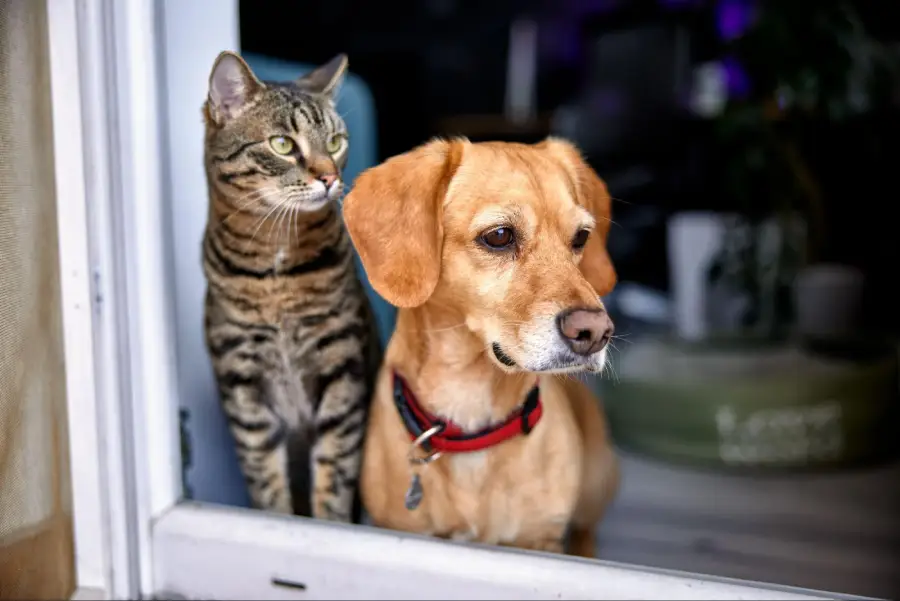
As the school year begins, your pet might experience changes in their routine, especially if they will be home alone for long stretches during the day. The sudden shift from summer’s constant companionship to quieter days can be stressful for pets. Here’s how to help your furry friends adjust to the new schedule smoothly.
Understanding the Impact
Pets thrive on routine. When that routine changes, they can experience anxiety, boredom, or even depression. Dogs and cats might show signs of stress, such as increased barking, destructive behavior, or changes in eating habits. Recognizing these signs early can help you address the issue effectively.
Creating a New Routine
Establishing a new routine can help your pet adapt to the back-to-school schedule. Start by gradually introducing the new routine a week or two before school starts. This can include changes in feeding times, walks, and playtime.
Keeping Your Pet Engaged
Keeping your pet mentally and physically stimulated is crucial during this transition. Here are some key points to keep in mind
- Interactive Toys: Provide toys that challenge your pet’s mind, such as puzzle feeders and snuffle mats, being careful not to add extra calories. Get toys that you can fill with desirable treats and freeze them, ready for use.
- Morning Walks or Playtime: Make sure to give your pet plenty of exercise before you leave for the day. Get up 20 minutes early for a brisk walk, a game of fetch, or a short play session to help burn off excess energy and reduce anxiety, making them more likely to relax while you’re away. Consider a petwalking/petplaying service for midday.
- Cat and Dog Soothing Recordings: Select soothing pet videos and pet sound recordings and play them while you are gone.
- Pheromone Therapy: Pheromone products help reduce anxiety in cats (Feliway®) and in dogs (Adaptil®).
- Comfort Items: Leave items with your scent to provide comfort while away.
Advertisement
Using Positive Reinforcement
Positive reinforcement can help your pet associate the new routine with positive experiences. Reward them with treats, affection, or playtime when they behave well or show signs of adjusting. Consistent reinforcement will help make the transition smoother and more enjoyable for your pet.
Hiring Help
If your pet struggles significantly with the transition, consider hiring a pet sitter or dog walker. Having someone check in on your pet during the day can reduce their anxiety and provide additional stimulation and companionship. If technology interests you, a pet cam can be quickly and easily installed in your home. These inexpensive cameras not only allow you to monitor your pet in real time, but also allow you to hear them and speak to them through the monitor!
Monitoring Your Pet’s Health
During this time, monitor your pet’s health and behavior. If you notice any significant changes, consult your veterinarian. They can provide additional advice and may recommend solutions like anxiety-reducing products or behavior training.
Adjusting to a new routine can be challenging for pets, but you can help them navigate this transition smoothly with patience and consistency. You can create their own back-to-school routine by keeping them engaged and using positive reinforcement.
For more tips and advice on pet care, visit the Pet Health Harbour blog.

Pet Health Harbour is on mission to Educate, Empower, and Enable pet owners to maintain the health, wellness and well-being of their pets, and to be a trusted source of specialty health information for general practice veterinarians.
Pet Health Harbour is on mission to Educate, Empower, and Enable pet owners to maintain the health, wellness and well-being of their pets, and to be a trusted source of specialty health information for general practice veterinarians.