 Pet News



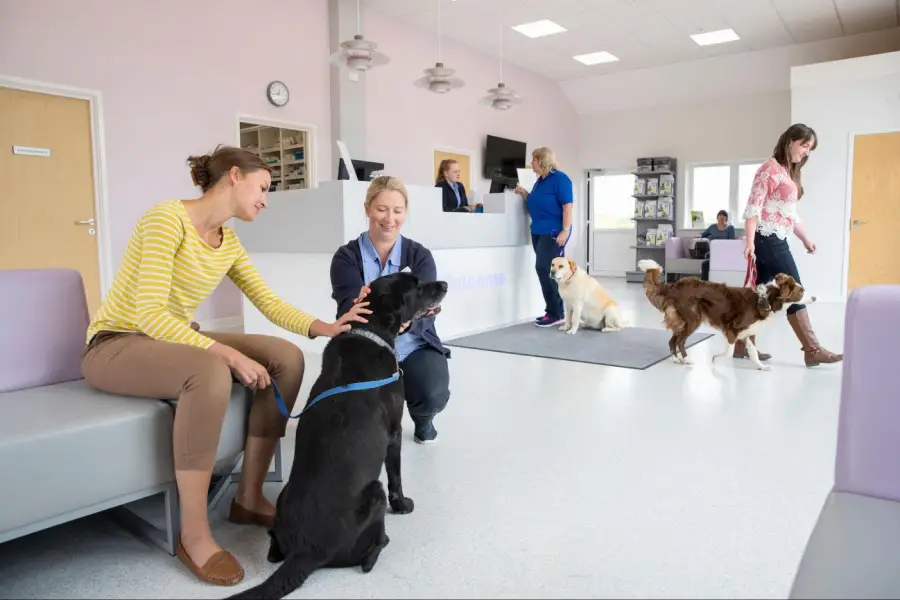
Visiting the veterinarian can be a stressful experience for some pets. These pets often need special care to help them be as calm and comfortable as possible. Here are some strategies to help make their trip to the veterinarian a more positive and less stressful experience
Preparing at Home
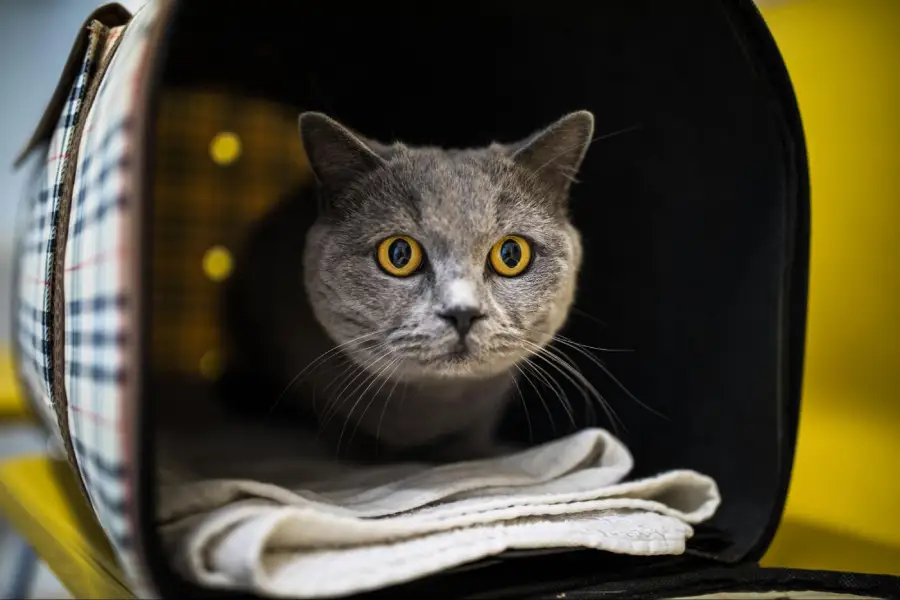
Start preparing your pet for the veterinary visit well before it’s time to go. Acclimating your pet to their carrier – feeding in it, playing in it, practicing going in and out of it, and practicing handling it – can make the experience less intimidating. Use treats and lots of praise to create positive associations with the carrier.
If you have a cat or a small dog, consider getting a special veterinarian-designed soft fleece restraint wrap for examinations and medical procedures. Get your pet used to being wrapped in it by giving them positive reinforcement and high-value treats.
- You can also apply a calming pheromone (spray or wipe) to the fleece (Feliway® for cats and Adaptil® for dogs). Bring the wrap to the veterinary visit for staff to use if they need to restrain your pet for examination or medical procedure such as a blood draw or ear cleaning. Be sure to mark the fleece wrap with your pet’s name.
Bring high-value treats with you to the veterinary visit, that you know your pet loves.
Choose the Right Carrier
Select a comfortable and secure carrier for transport, free from tears or cracks, especially around the door frames.
- For cats, carriers with top-loading options can make it easier to place them inside. If purchasing a new soft carrier, opt for one with a top-loading zipper as well as side or end openings. For a hard plastic carrier, be sure to choose one with a top opening and side clips to allow the veterinary staff three options to calmly get your cat out for their examination – lifting from the top, getting them out through the end door, or easily removing the top half of the carrier.
- Stressed cats might urinate and/or defecate in the carrier during the car trip or in the clinic. Stressed dogs might also have accidents, including vomiting.
- If your pet is in a carrier, always place a towel in the carrier and bring along a spare towel in a plastic bag, in case you need to exchange one towel for another.
- Have cleanup supplies in your car.
- Be prepared that your pet might need to be cleaned up at the veterinary clinic if it has an accident on the drive to the clinic or in the waiting area. This is often the case with cats.
- For dogs, be sure carriers are large enough for your dog to stand in and turn around freely. Carriers with top openings can be very helpful for small dogs, too, since they often feel insecure when strangers try to remove them from a carrier.
Schedule Wisely
Book appointments for quieter times at the clinic to avoid additional stress from noises and other animals. If your pet is calmer in the morning, consider scheduling a morning appointment.
Advertisement
Use Calming Aids
Calming aids like pheromone sprays, calming treats, or anti-anxiety pressure wraps such as Thundershirts® can help soothe your pet. You can ask the veterinary staff in advance about the best options for your pet’s needs.
If your pet has a history with very severe anxiety at your veterinary clinic, call in advance and discuss the possibility of a mild anti-anxiety medication prescription such as gabapentin (for dogs and cats) or trazodone (for dogs). When appropriate, these medications can be very helpful in alleviating stress for pets.
Minimize Time in the Waiting Area
Long waits can increase anxiety. If possible, check in with the clinic from your car and wait until the veterinary staff is ready for you. This minimizes exposure to other animals and unfamiliar smells.
- If your dog is dog-aggressive and the waiting area is busy, tell the staff! It might be necessary for you to bring your dog into the clinic through a back door.
- If you need to wait in the clinic with your cat, hold the carrier in your lap or place the carrier above floor level to help minimize stress for your cat. Dogs that are cat-aggressive have been known to attack cats in their carriers in veterinary reception areas! Protect your pet from other animals that may want to approach it.
- If using a carrier, face the door away from other pets and cover your carrier with a large towel.
- For calm and quiet control, bring your dog on a short leash (never a flexi-leash!). If pheromone therapy helps your pet, then ask the staff to apply pheromone spray to the exam room before you enter it with your pet.
Key Points to Remember
- Prepare at home with positive reinforcement.
- For cats and small dogs, get them accustomed to a soft fleece restraint wrap.
- Plan ahead if your pet needs a prescription for anti-anxiety medication.
- Choose a comfortable and secure carrier and line it with a towel.
- Bring a towel to cover your carrier while waiting, and for the exam, if needed.
- Bring a spare towel and plastic bag for accidents in carriers.
- Schedule appointments for quieter clinic times.
- Consider using calming aids.
- Bring high quality treats.
- Minimize waiting room time.
Advertisement
Stay Calm and Positive
Your pet can sense your emotions. Stay calm and positive to help your pet feel secure. Use a soothing voice and offer gentle petting to reassure them. If your pet is calm enough to take treats, give treats and lots of praise for good behavior.
Desensitization Training
Desensitization training involves gradually exposing your pet to the veterinary environment in a controlled manner. Start with short visits to the clinic where no treatment is done, allowing your pet to become more comfortable and confident. Many clinics are willing to have you bring your dog in for a simple weigh-in and while there, receive a friendly greeting and a treat.
Post-Visit Comfort
After the visit, provide a calming environment at home. Offer treats, toys, or a favorite blanket to help your pet relax and settle down after their veterinary visit. Maintaining a normal routine once you are back at home will also help your pet relax.
If your cat was given gabapentin to reduce its anxiety during the exam, do not let it climb onto high surfaces (such as the top of your refrigerator) or let it outdoors for the rest of the day, as the sedative effects need to first wear off.
Reducing stress during veterinary visits is important for your pet’s well-being. By implementing these strategies, you can make the experience smoother and more comfortable for your pet. For more helpful articles on pet care, visit our Pet Health Harbour Blog.

Pet Health Harbour is on mission to Educate, Empower, and Enable pet owners to maintain the health, wellness and well-being of their pets, and to be a trusted source of specialty health information for general practice veterinarians.
Pet Health Harbour is on mission to Educate, Empower, and Enable pet owners to maintain the health, wellness and well-being of their pets, and to be a trusted source of specialty health information for general practice veterinarians.