 Pet News



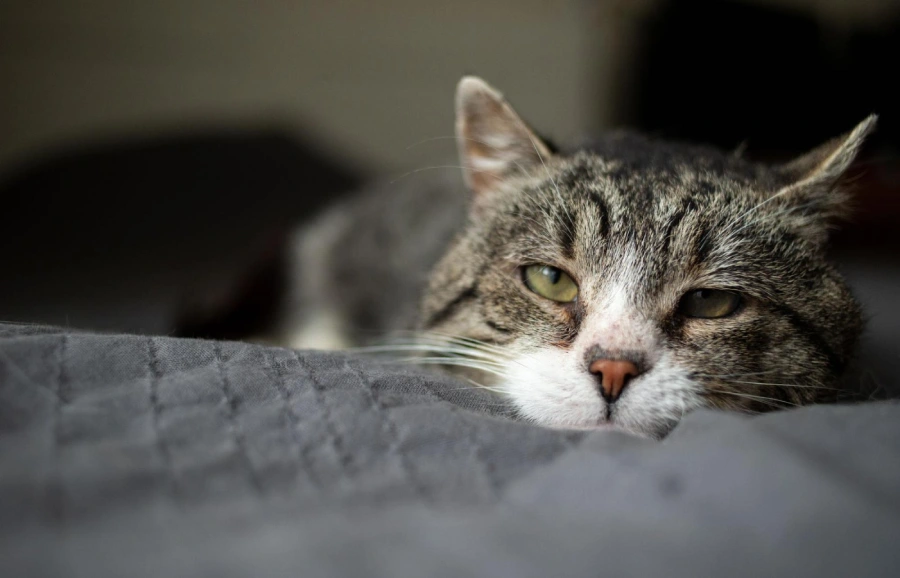
While cats are seniors beginning at 8-10 years of age, they are now living much longer than they used to: 20 years is not uncommon! 61% of cats are reported to be overweight or obese, and as cats age, physical activity is crucial for health and wellbeing.
How much does being overweight stress the joints? A rule of thumb in human medicine is that for every four pounds of fat added to body weight, 16 pounds of additional pressure is placed on the joints. While there is no rule of thumb for cats or dogs, a single pound of excess weight in a cat can proportionally be much more stressful on their joints compared to larger animals, due to their smaller size and delicate skeletal system.
As cats age, they often face mobility challenges that affect their quality of life. The most common reason for mobility issues in senior cats is the presence of pain from osteoarthritis (OA). In fact, nearly 40% of all cats have clinical signs of OA, and 90% of cats older than 12 years have radiographic proof that OA is present.
Osteoarthritis, joint stiffness, obesity, and muscle loss are common issues in senior cats, making it harder for them to move around comfortably. Assume that your senior cat has OA and is in discomfort! Understanding your older cat’s needs can help you provide the care and support necessary to keep them happy and healthy.
Recognizing Mobility Issues in Senior Cats
Inactivity increases disease risk (such as diabetes) and frailty in senior cats. Most cats will instinctively hide their aches and pains, and it is often hard to “read” a cat. True story: one of the authors of this blog post routinely has her cats radiographed every 2 years, beginning at 7 years of age. One cat was diagnosed with osteoarthritis of the spine at only 7 years of age! She was adopted from a local shelter at 3 years of age, and had always been mellow and fairly inactive with no obvious signs of pain (but she was in “hidden” pain and needed help). Treating her osteoarthritis made her a new cat!
Be aware of signs that your cat may struggle with mobility, such as:
- Difficulty jumping onto furniture or other elevated surfaces. This is especially a problem if your cat’s food and water are on a countertop
- Stiffness or limping after resting
- Hindlimb lameness and/or difficulty lifting tail
- Hair loss over affected painful joints
- Inappropriate elimination and constipation
- Changes in personality such as hiding more or increased aggression
- Reluctance to use stairs, climb, or jump
- Decreased activity levels and grooming habits. Obese cats in particular have difficulty turning around to groom themselves
- In multi-cat households, more cat squabbles because your senior cat might be crabby and vulnerable, and the other cat(s) might start a power struggle.
If you notice any of these signs, it’s crucial to consult your veterinarian. Because early intervention can slow the progression of mobility issues and improve your cat’s quality of life, control your cat’s weight and consider routine radiography every 2-3 years to evaluate your cat’s spine and joints. Sometimes the only way you will know if your cat is in pain is a trial dose of pain medication to see if your cat responds. Unbeknownst to you, your cat may have been in silent pain for years from OA, so that tragically is their “normal”.
Essential Aids for Mobility-Challenged Cats
Cats don’t like being on the ground! They like to jump up and view their domain, and look out the windows. While your first action to take is to have your vet examine your cat, diagnose OA if present, and relieve your cat’s pain via medication(s), it is important for you to provide environmental modifications. There are several ways to make your home more accessible and comfortable for your senior cat. Here are some essential aids:
- Orthopedic Beds: Provide extra support and comfort for achy joints. Look for beds with memory foam or heated options to ease stiffness.
- Ramps and Steps: Install ramps or steps to help your cat reach their favorite spots, like the couch or bed, without jumping.
- Litter Box Modifications: Consider a low-entry litter box or one with a side door to make it easier for your cat to get in and out. If you have a multi-cat household, your other cats might “bully” your senior cat while he is in the litter box or trying to enter or leave it, so provide a secure place for your senior cat to use the litter box..
- Easy Access to Essentials: Place food, water, and litter boxes on the floor and on the same level in your home to reduce the need for jumping onto countertops and for climbing stairs.
Weight Loss
- Work with your vet to get weight off of your overweight cat (this is not easy, but don’t give up!).
- Rapid weight loss can be dangerous in cats, as it can trigger fatty liver disease. Aim for 1-2% weight loss per week. So for a 15 lb cat that should weigh 10 lbs, aim for 2.4 to 4.8 oz of fat lost per week.
Advertisement
Diet and Supplements for Joint Health
Nutrition plays a crucial role in maintaining your senior cat’s mobility. A diet rich in omega-3 fatty acids, glucosamine, and chondroitin can support joint health. Consult your veterinarian about adding supplements that promote joint cartilage health and joint flexibility and reduce inflammation.
Creating a Safe and Comfortable Environment
Making small changes around your home can significantly improve your cat’s comfort. Ensure your home is free of obstacles that could cause your cat to trip or fall. Soft carpeting or rugs can provide extra traction and cushion falls. Remember that your creaky old cat spends more time on the floor, which means that you could trip over them in unexpected places such as a dim hallway (this has happened– both to people and to dogs).
Consider providing multiple resting spots throughout the house so your cat can take breaks without traveling far. Elevated resting spots should be easily accessible, and cozy, warm areas should be available for your cat to relax in.
Advertisement
Conclusion: Supporting Your Senior Cat’s Mobility
Helping your senior cat with mobility requires environmental modifications, proper nutrition, and regular veterinary care. Understanding their needs and providing the right support can enhance their comfort and quality of life as they age.
Explore our article Preventing Pain and Discomfort in Senior Cats for more tips on caring for your older pets and ensuring their well-being.

Pet Health Harbour is on mission to Educate, Empower, and Enable pet owners to maintain the health, wellness and well-being of their pets, and to be a trusted source of specialty health information for general practice veterinarians.
Pet Health Harbour is on mission to Educate, Empower, and Enable pet owners to maintain the health, wellness and well-being of their pets, and to be a trusted source of specialty health information for general practice veterinarians.