 Pet News



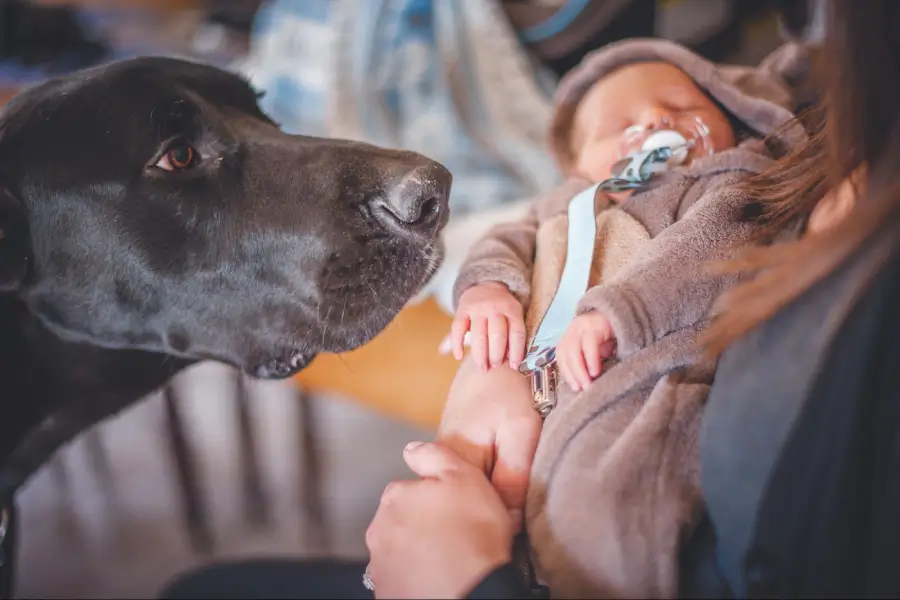
Bringing a new baby into your family is an exciting time filled with joy, anticipation, and many changes. However, your furry family members will also need to adapt to the changes a baby brings to a family. Dogs and cats are sensitive creatures, and a baby’s arrival is a significant disruption to their routine and environment, especially for indoor cats: your home is their universe and they hate change. To a cat, even the moving of a chair from one room to another can be cause for grave concern!
Preparing your pet ahead of time can help ease this transition and ensure a smoother adjustment for everyone involved. While this is important for many reasons, the main one of course is that your pets must not harm the baby. The stakes are high, especially since in 6 months or so, the baby will start to move around and be more unpredictable for your pets. Helping them adjust now to the newborn paves the way for the game-changer milestone of when your baby starts to crawl.
In this blog post, we’ll explore essential tips for pet parents on how to get their dogs and cats ready for the arrival of a newborn, and to think about next steps as your baby learns and grows.
1. Learn to Understand Your Pet’s Needs and Body Language
This is essential because you must know your pet’s needs and be able to accurately interpret your pet’s reactions to the baby. For example, what you think is your pet’s gesture of acceptance (or of fear) might not be the case. Here’s some helpful resources:
Gradual Routine Changes
Pets thrive on consistency, and babies bring a lot of new changes to household routines. By gradually introducing shifts in your pet’s schedule before the baby arrives, you’ll minimize the stress your pet may experience when your baby arrives.
- Adjusting Walk and Feeding Times: If you anticipate changes in your dog’s walk or feeding schedule, begin altering those times a few months before the baby arrives. By doing this incrementally, your dog won’t associate the changes directly with the baby’s arrival.
- Alone Time Practice: If your pet is used to receiving constant attention and may have to spend more time alone once the baby is here, start practicing shorter periods of separation. Give your dog or cat a safe space with toys or comfort items to help them adjust to occasional alone time.
Advertisement
2. Familiarize Your Pet with Baby Sounds and Smells
Newborns come with a variety of unfamiliar smells, sounds, and movements, all of which can be unsettling for pets. Plus the sounds change as the baby grows! You can begin to desensitize your dog or cat by gradually introducing them to these sensory changes.
- Baby Noises: Babies cry, coo, and gurgle, and these sounds can be startling for pets. Consider playing recordings of baby sounds at a low volume and gradually increasing it over time. Reward your pet with treats and praise when they stay calm around the new sounds.
- Introduce Baby Items: Bring baby gear like strollers, car seats, and toys into the home well before the baby arrives. And diapers, as there will pretty much always be one on your baby for your pet to smell. Allow your dog or cat to sniff these new items to get used to their presence. Let your pet explore the nursery under supervision to help familiarize them with the baby’s new environment.
- Use Baby Lotion or Powder: Applying baby lotion or powder to your skin in the weeks before the baby arrives can help your pet get accustomed to the new smells that will soon fill the house.
3. Teach Basic Obedience Commands (For Dogs)
Obedience training is essential for dogs, especially when a newborn is coming into the home. Now is the time to brush up on basic commands such as “sit,” “stay,” “leave it,” and “down.” These commands will help you manage your dog’s behavior around the baby.
- “Leave it” Command: This command is particularly important to keep your dog away from the baby’s toys, food, or even the baby itself in certain situations. Begin practicing this command now, offering positive reinforcement when your dog complies.
- “Go to Bed” Command: Start early: Train your dog to go to their bed at your command, and when your baby starts crawling teach her to stay away from the dog’s bed.
- Positive Reinforcement: Lots of treats! Reward your dog for calm behavior around the baby and baby-related items or when responding to commands. By using positive reinforcement, you’re creating a positive association with the presence of the baby.
4. Consider Placing Protective Nail Caps on Your Cat’s Claws
Consider trimming your cat’s claws or placing nail caps on them to protect against scratching. TIp: For squirrely cats, veterinary staff can make it easy for you and apply the nail caps; the caps are glued onto trimmed nails and last for 4-6 weeks before needing to be reapplied.
5. Prepare a Safe Space for Your Pet
As your family grows, your pet may need a designated safe space where they can retreat when they feel overwhelmed by the baby’s presence.
For Dogs: Create a comfortable bed or crate in a quiet area of the house where your dog can rest undisturbed. Make sure this is a positive space where your dog feels safe, and encourage them to use it whenever they need some quiet time.
For Cats: Cats often seek solitude when stressed, so ensure they have access to their favorite hideaway spots. High perches, quiet rooms, or cozy corners provide a place for cats to escape when the household becomes busy with the baby.
Advertisement
6. Introduce Your Pet to the Baby Slowly
When the baby finally arrives, the introduction process should be gradual and calm. Your pet will need time to adjust to this new, tiny family member, so patience is key.
- First Impressions: When you bring the baby home, allow your dog or cat to sniff the baby from a distance at first. Keep the interactions calm and controlled. If possible, have another person hold the baby while you greet your pet, so they don’t feel ignored.
- Supervised Interactions: Never leave your baby unsupervised with your pet. Some owners crate their unsupervised dogs. Even the most well-behaved dog or cat may react unpredictably to the baby’s movements or sounds. Slowly increase your pet’s exposure to the baby under your direct supervision, and praise calm behavior around the newborn.
7. Maintain Attention and Playtime
One of the biggest concerns for pet owners is ensuring their dog or cat still receives attention and care after the baby arrives. Cats and dogs can get jealous; your lap is often no longer theirs anymore and belongs to the baby. While your schedule will undoubtedly be busier, it’s important to maintain regular playtime, exercise, and affection for your pet. Neglecting these can lead to behavioral issues, such as anxiety or destructive behavior.
- Enrichment Toys: Use interactive or puzzle toys to keep your pet mentally stimulated during times when you’re occupied with the baby.
- Delegate Pet Duties: If possible, involve other family members or hire a pet walker or sitter to ensure your pet’s needs are met when you’re adjusting to life with a newborn.
8. Consider Consultation with a Veterinary Behaviorist
If you have ANY concerns about your pet’s behavior or temperament, particularly if they have shown signs of aggression or anxiety around children, work with a board-certified veterinary behaviorist (similar to an MD psychologist) before the baby arrives; ask your veterinarian for a referral. To locate a veterinary behaviorist, visit www.dacvb.org. Veterinary behaviorists often consult via telemedicine, plus they know best if medication might help, and what to prescribe. Many medications require more time to take effect. Addressing potential issues early will help prevent problems that rarely include tragic injuries that might have been avoided.
Advertisement
Conclusion
Bringing a baby into your home is a wonderful milestone, and with some preparation, your pets can adjust smoothly to the new family dynamics. By understanding your pet’s needs and body language you can more successfully gradually introduce routine changes, desensitize your pet to baby-related stimuli, and ensure they feel safe and secure. It is all about creating a harmonious environment for both your baby and your pets, and keeping your baby safe while your pets are “rookies” at living with a baby. Remember, a little patience and preparation go a long way in ensuring that everyone in the household—two-legged and four-legged alike—can thrive during this exciting time!
For more pet and baby coexistence tips visit Pet Health Harbour.

Pet Health Harbour is on mission to Educate, Empower, and Enable pet owners to maintain the health, wellness and well-being of their pets, and to be a trusted source of specialty health information for general practice veterinarians.
Pet Health Harbour is on mission to Educate, Empower, and Enable pet owners to maintain the health, wellness and well-being of their pets, and to be a trusted source of specialty health information for general practice veterinarians.