
 Pet News



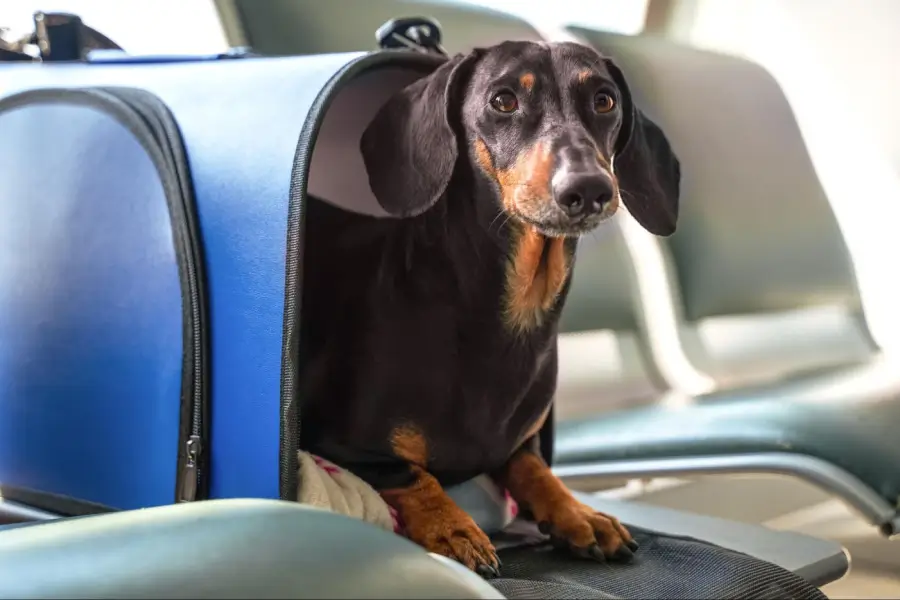
It is now common for people to travel by air with their pets, especially on domestic flights. However, when traveling with your four-legged companion, you must consider whether your pet can and/or should travel in the cargo hold or the cabin. Analyzing these two options can help you make the right choices to enhance your pet’s comfort and safety.
Let’s examine and understand the essential pet travel tips, cabin or cargo, and which option best suits your pet.
Cargo or cabin for flying with pets
Cabin Travel
If you are flying soon with your pet, you may be wondering if they can and should fly with you in the cabin. Cats and dogs that match the airline’s standards for size and weight can fly in the cabin with the passenger. In most instances, airlines permit pets that weigh less than 20 pounds to stay under the seat in front of you, in a well-ventilated carrier. Most pet owners prefer this option if possible, since you can monitor and calm your pet for the entire trip. This helps minimize stress on pets and their owners during airplane travel.
Pets that are suitable for cabin travel must be able to fit comfortably in their carrier underneath the seat in front of you, for the duration of the flight. Most cats are comfortable laying down in a fairly confined position so this is usually not difficult for them. This can be difficult for dogs, however, unless they are very small. Some flight attendants will allow you to bring your pet carriers onto your lap, but airline rules say that carriers must remain closed in the airport and while onboard.
Pets that have excessive odors or make disruptive noises may be moved to climate-controlled baggage compartments, depending on the situation and the airlines.
A nice thing about cabin travel is that your pet stays with you throughout the entire trip, including through the airport and security. When you deplane, your pet is right there with you, ready to go.
Read more about Getting your pet Ready for Adventures.
Cargo Travel
All dogs that are too large to fit under the seat in front of you must fly in the cargo area in an airline approved crate. Unfortunately, there is not an option to have these larger dogs fly in the cabin.
However, brachycephalic or “short-nosed” breeds of dogs and cats are always at a higher risk of respiratory distress as compared to other breeds, and careful consideration should be taken when planning travel. If you travel with these pets on an airplane, depending on the airline, you may be allowed to take them in the cabin. Some airlines will not transport brachycephalic breeds at all.
Certain airlines require that pets traveling in the cargo compartment have a health certificate dated within a certain number of days, for example within 10 days of outbound travel and 30 days of return travel.
A health certificate is typically not required for domestic air travel for pets traveling in the cabin with their guardian. However, many states have importation health requirements, particularly for rabies vaccination. It’s recommended to check with the state veterinarian at your destination prior to travel to determine necessary documentation. Contact your airline as soon as you know you will be bringing your pet, and find out what is required from them, as well as from your destination state.
Airlines will not carry pets in cargo in overly warm or cold temperatures. This is of course for your pet’s safety, so keep this in mind when planning your trip.
Pet-Friendly Airlines for Domestic Flights
Always consult each airline’s particular policy for your pet’s security and comfort during the journey and select the best airlines for pet travel. Most airlines provide pet-carrying services in the cabin, and some allow pets in the cargo or baggage section. Here are some top pet-friendly airlines for domestic flights:
- American Airlines: Permits animals in the cabin for flights of up to 12 hours, and allows pets in cargo.
- Delta Airlines: Depending on the size of the pet you are going to transport, choose a cabin or book cargo. Brachycephalics (short-nosed breeds) are not permitted on Delta airlines. Pets do not ship if temperatures exceed 80 degrees F or fall below 20 degrees F.
- Southwest Airlines: Allows small animals in the cabin only.
- United Airlines: Only allows pets in the cabin, not in cargo.
Key Points in Choosing Cargo vs Cabin Air Travel
When choosing between cabin or cargo for flying with pets, consider the following:
- Your pet’s size and weight.
- The specifics of what your airline will allow regarding cabin vs. cargo pet travel.
- Whether or not your pet is a brachycephalic breed.
- The ambient temperature and time of year.
Advertisement
Ensuring Your Pet’s Safety
Pet safety is the most important concern during airplane travel. Here are some essential, pet-safe air travel tips:
Choose an airline that provides the service your pet needs; your large, non-brachycephalic dog will need to travel in cargo. Select an airline known for good pet-friendly service and a good safety record for pet transportation if possible.
Give only a small meal before flight. See the airline’s details for requirements about food, water, and bedding for travel.
A comfortable, airline-approved carrier or crate must be used. Get your pet accustomed to it in advance to help minimize their stress during travel.

Final Words
The choice between having your pet travel in the cabin or in cargo depends on several factors, primarily regarding their size, behavior, and whether or not they are brachycephalic (“short-nosed”). For more details and up-to-date information about airline pet policies, please see each airlines’ website. Remember to plan ahead, keep an eye on the weather, acclimate your pet to their carrier, and have a safe and pleasant trip!

Pet Health Harbour is on mission to Educate, Empower, and Enable pet owners to maintain the health, wellness and well-being of their pets, and to be a trusted source of specialty health information for general practice veterinarians.
Pet Health Harbour is on mission to Educate, Empower, and Enable pet owners to maintain the health, wellness and well-being of their pets, and to be a trusted source of specialty health information for general practice veterinarians.