 Pet News



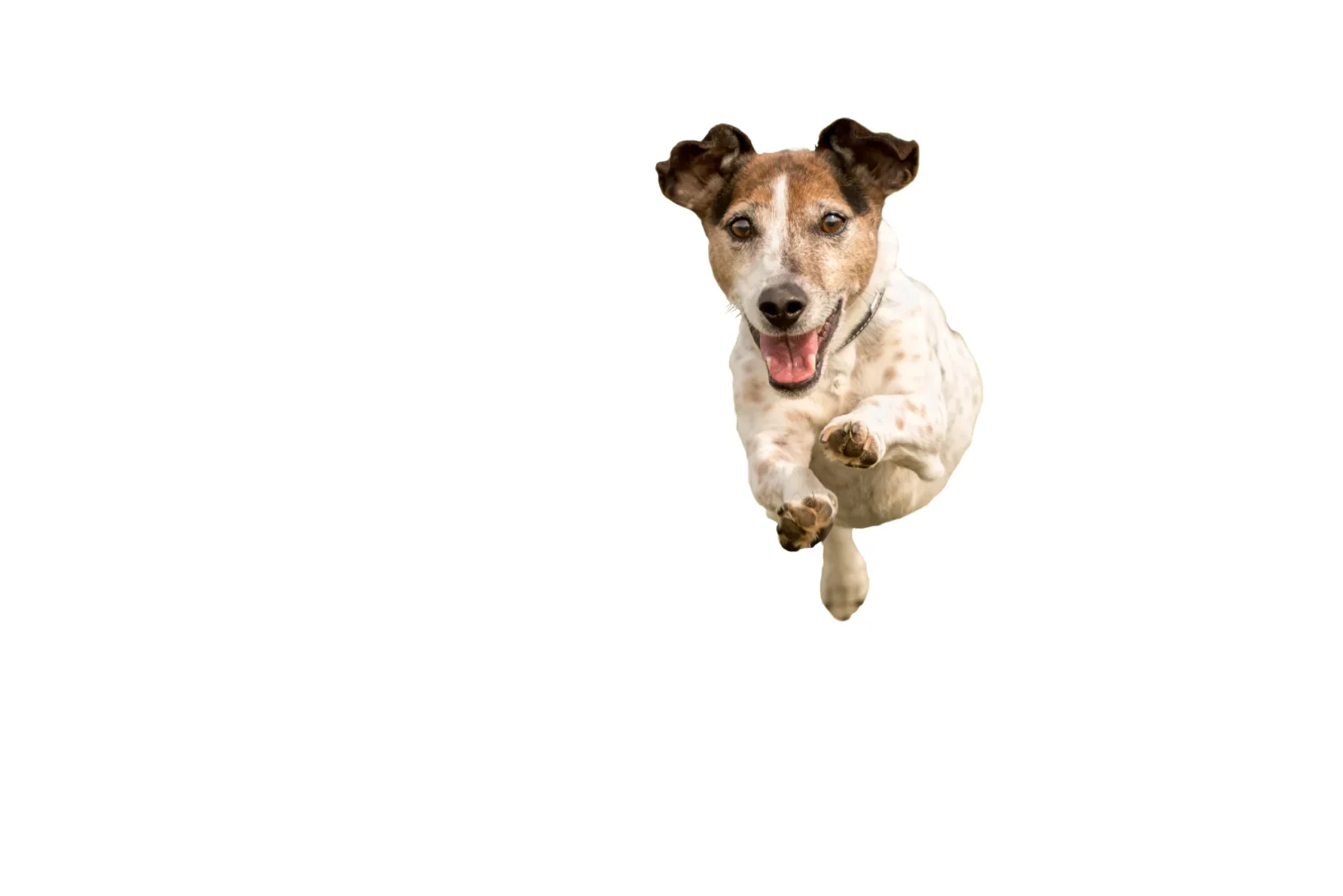
Picture this: It’s 7 o’clock in the evening, and you’ve just sat down to relax after a long day. Suddenly, you hear the unmistakable sound of paws thundering down the hall. Your dog races onto the couch, across the carpet, and back down the hall, a blur of energy zooming around the house! Welcome to the zoomies. What the heck is going on? Well, the fact is, we don’t really know, but based on the look of pure joy on the face of you cooped-up pooch, it’s safe to assume these incredible bursts of activity are unbridled energy bursting forth.
What are zoomies?
Zoomies, or ‘frenetic random activity periods (FRAPs),’ are nearly always normal and most likely an explosion of feel-good energy. The song “I Feel Good” by James Brown always comes to mind when I see this behavior.
For dogs, pent-up energy and the desire to engage you in play are the most likely reasons for this behavior, with the end result being energy release. It’s fun! Dogs also often get the zoomies after having a bath or swimming in a river. While part of the reason may be to run around to speed up the drying process, this behavior is also likely exacerbated by the excitement of the bath being over – woo hoo!
Who gets the zoomies?
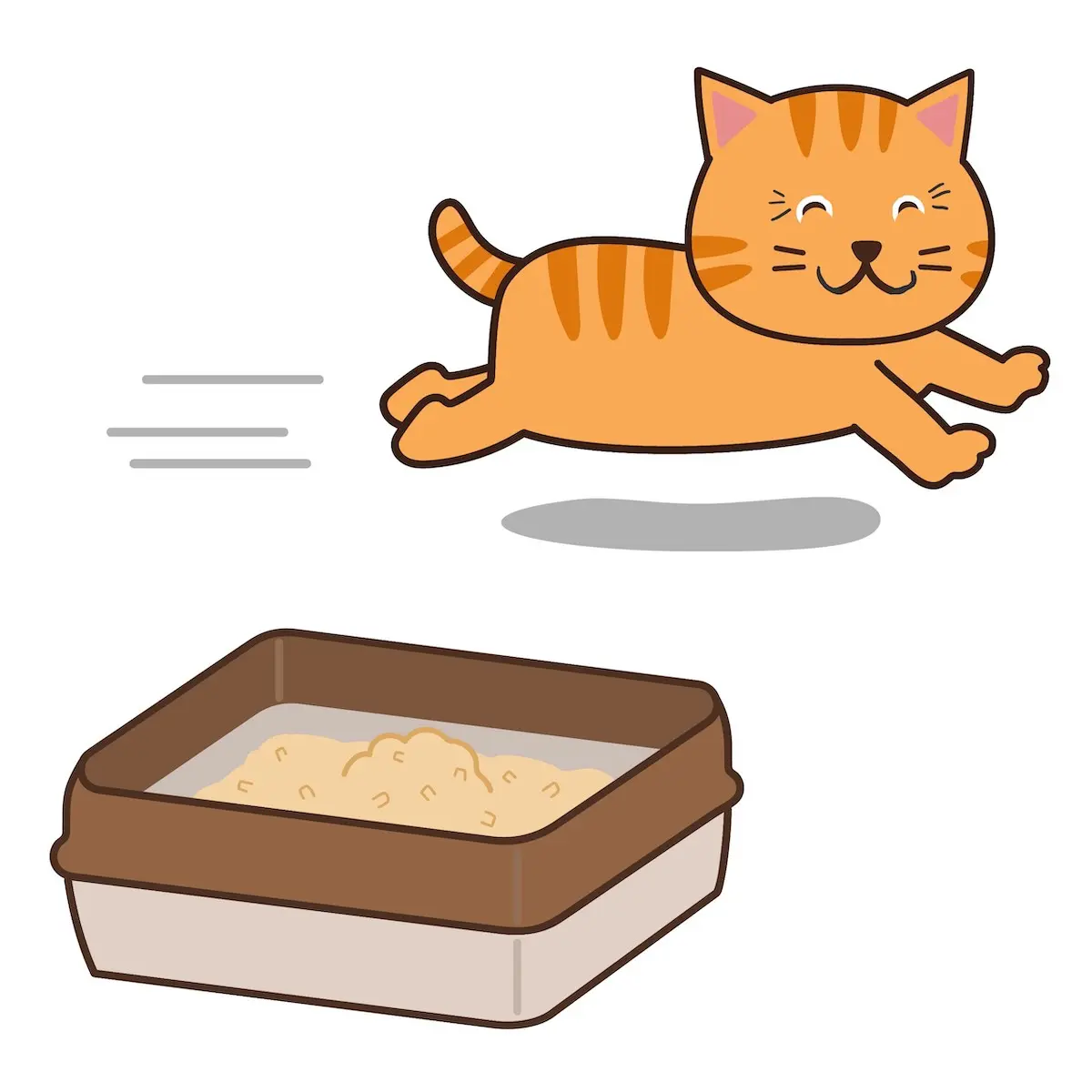
Zoomies are not unique to dogs and are frequently reported in cats too. Most active at dawn and dusk, high-energy zooms around the house may be perfectly normal for cats. Less commonly, zoomies in cats have been reported to occur following trips to the litter box involving constipation or diarrhea or the unpleasant feelings of gut pain or skin irritation from fleas or dryness. Frequent occurrences of the zoomies in cats warrant a trip to the vet to ensure there isn’t an underlying health issue that might explain this behavior.
Advertisement
Are zoomies safe?
While highly entertaining, zoomies that occur in confined spaces, around sharp furniture, or near small children can pose a risk to your pet or child. While I’m not recommending you turn your home into a padded cell to accommodate these energy outbursts, you can minimize them by increasing energy output during the day. For dogs, this might involve more frequent walks, ball time, or running safely in an enclosed space like a yard or dog park. For cats, providing safe places to climb and ‘hunt’ for toys or treats can help expend pent-up energy. When the zoomies start, especially with large dogs, removing small children from the speedway and/or redirecting your pets energy to a more controlled activity such as a walk or toy time can help to reduce the potential for injury or damage.
Conclusion
Zoomies are a delightful and often humorous display of pent-up energy and pure joy in our pets. Whether its dogs racing around the house after a bath or cats having a high-energy burst at dawn or dusk, these frenetic random activity periods are a normal and healthy expression of their playful instincts. By understanding and managing zoomies, we can ensure our pets’ safety and well-being while enjoying the sheer entertainment they provide. Remember, a little extra playtime and exercise can go a long way in keeping those zoomies fun and safe!

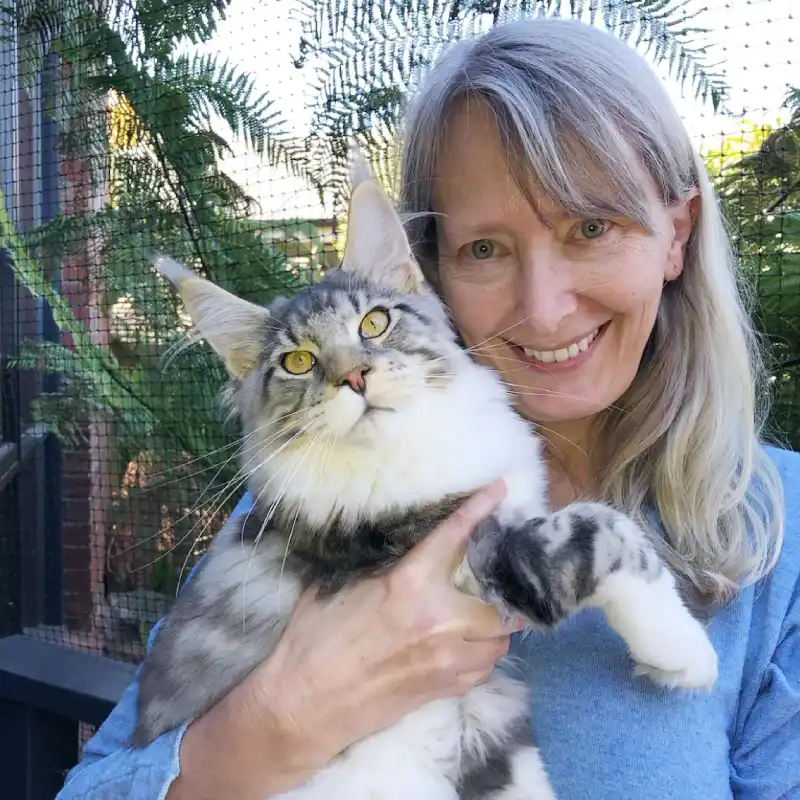
Marnie Ford PhD, DVM, Diplomate ACVO
Dr. Ford graduated from the Ontario Veterinary College in 2000 after completing a Bachelors in Zoology at the University of British Columbia and a PhD in Physiology at Monash University in Australia. Following a rotating small animal internship at the University of Minnesota in 2001, Dr. Ford achieved Diplomate status from the American College of Veterinary Ophthalmologists in 2006 after completing a 3-year residency in Comparative Ophthalmology at the University of Missouri. After co-founding a private referral hospital, West Coast Veterinary Eye Specialists, in New Westminster (2004-2013) she opened Pacific Animal Eye Specialty services, providing mobile medical and surgical ophthalmologic care to patients in the Lower Mainland, Vancouver Island, and the Interior of BC (2013-2019). In 2019, she returned to Australia where she worked full-time in both medical and surgical ophthalmology as well as resident training at Animal Eye Care in Melbourne Australia. In 2023, Dr. Ford returned to Vancouver to provide locum services to ophthalmologists across Canada.
Marnie Ford PhD, DVM, Diplomate ACVO
Dr. Ford graduated from the Ontario Veterinary College in 2000 after completing a Bachelors in Zoology at the University of British Columbia and a PhD in Physiology at Monash University in Australia. Following a rotating small animal internship at the University of Minnesota in 2001, Dr. Ford achieved Diplomate status from the American College of Veterinary Ophthalmologists in 2006 after completing a 3-year residency in Comparative Ophthalmology at the University of Missouri. After co-founding a private referral hospital, West Coast Veterinary Eye Specialists, in New Westminster (2004-2013) she opened Pacific Animal Eye Specialty services, providing mobile medical and surgical ophthalmologic care to patients in the Lower Mainland, Vancouver Island, and the Interior of BC (2013-2019). In 2019, she returned to Australia where she worked full-time in both medical and surgical ophthalmology as well as resident training at Animal Eye Care in Melbourne Australia. In 2023, Dr. Ford returned to Vancouver to provide locum services to ophthalmologists across Canada.