 Pet News

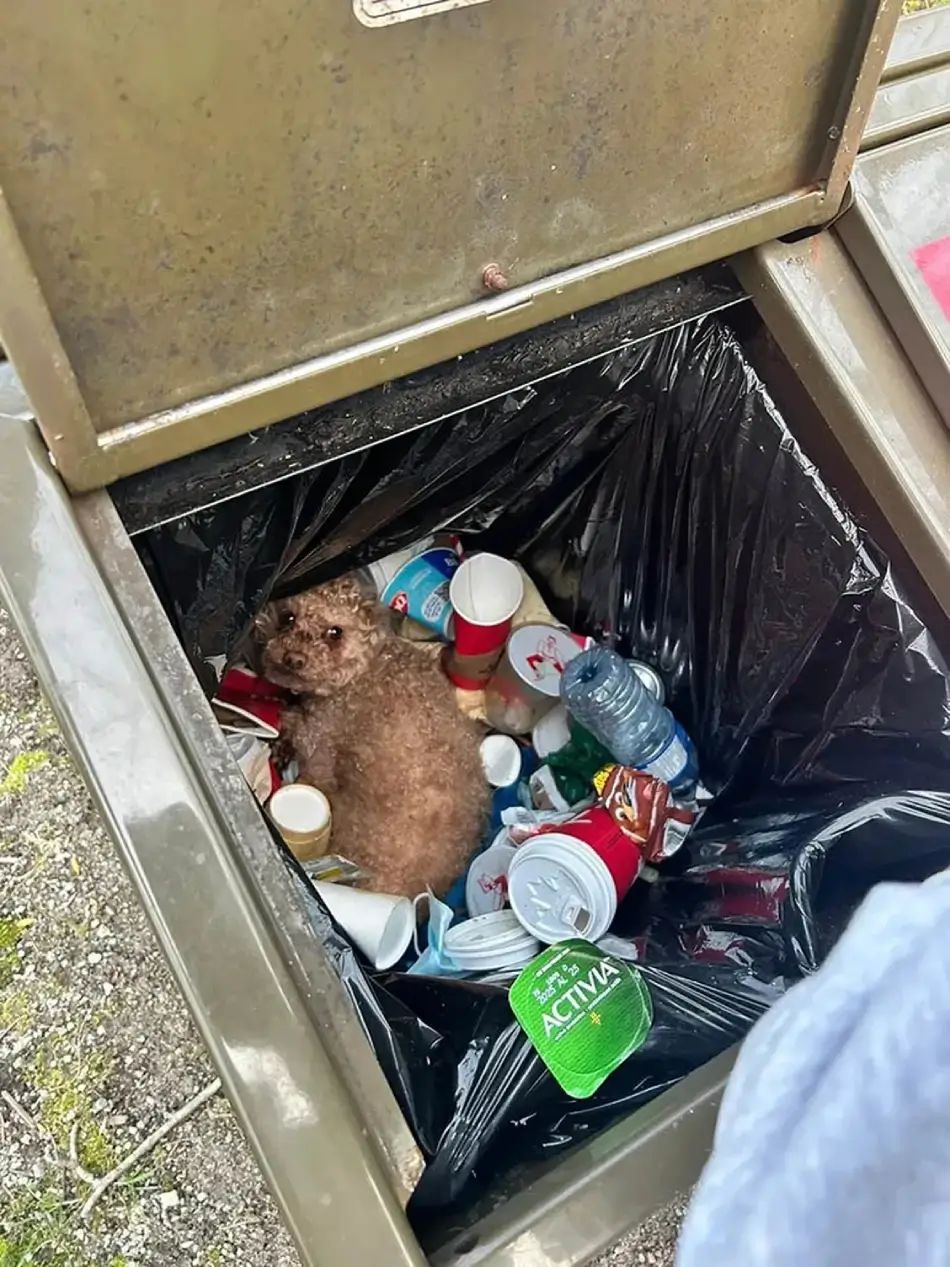
VANCOUVER, BC — In a harrowing case that has shocked animal lovers across British Columbia, a miniature poodle—now named Oscar—was discovered in a garbage bin in Pacific Spirit Regional Park last week, suffering from multiple traumatic injuries. Thanks to rapid medical intervention and compassionate community support, Oscar is now on a steady path to recovery.
Veterinary professionals confirm that Oscar underwent complex surgical procedures at Canada West Veterinary Specialists to treat a dislocated hip (coxofemoral luxation), a fractured elbow (distal humerus fracture), and several broken ribs, all of which were likely the result of blunt force trauma.
“Oscar is doing incredibly well post-operatively. We do not anticipate any permanent mobility issues if his recovery stays on course,” said Dr. Michael King, board-certified veterinary surgeon. “He’s an extremely gentle and trusting dog. He’s won the hearts of our entire team.”
Injuries Indicate Deliberate Harm or Collision
According to Dr. King, the nature of Oscar’s injuries strongly suggests a high-energy impact—commonly seen in cases involving motor vehicle accidents or intentional physical abuse. He emphasized that Oscar had no signs of defensive wounds or struggle, which may imply he was incapacitated or restrained before being dumped.
This wasn’t a case of simple neglect,” King added. “The distribution and severity of the injuries point to forceful trauma, which is deeply troubling.
Oscar’s surgical team performed a closed reduction procedure on his dislocated hip, followed by open reduction and internal fixation (ORIF) using orthopedic pins and plates for the elbow fracture. His broken ribs were treated conservatively, allowing natural healing under pain management protocols.
Disturbing Discovery During Morning Walk
Oscar’s story came to light after Terry Sparrow and his fiancée Krista Brisk stumbled upon the injured dog while hiking the Camosun Trail within the park last Wednesday.
It was horrifying,” said Sparrow. “We saw movement inside a trash bin and thought it was a raccoon at first. When we looked inside, we saw a small white dog, barely conscious, not making a sound.
Shocked and heartbroken, the couple carefully lifted Oscar from the bin and brought him home overnight. The next morning, they rushed him to the nearest veterinary clinic, where he received initial stabilization before being transferred to a specialist facility.
Temporary Rescue Turns into a New Lease on Life
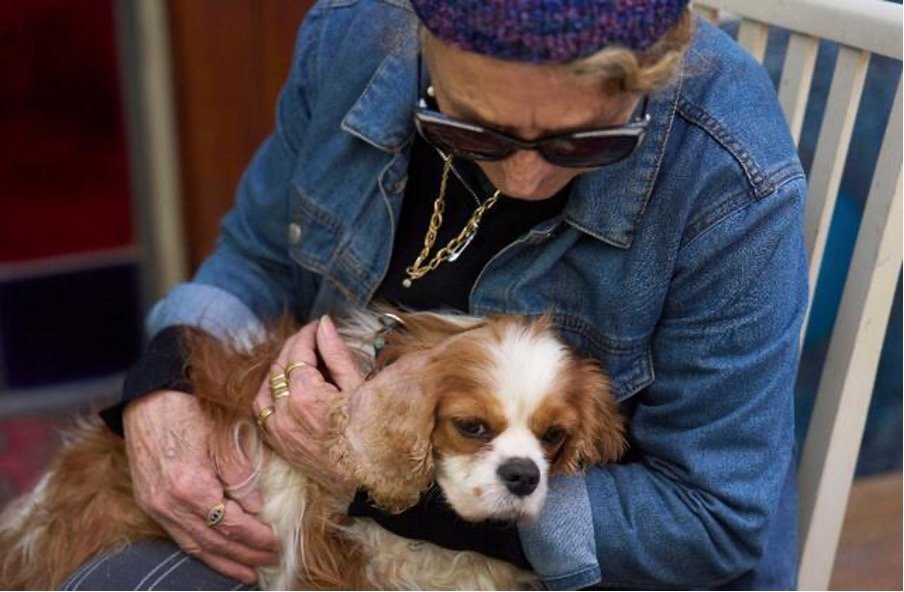
Following his emergency care, Oscar was placed with Laurie Schildt, a long-time volunteer with the Squamish Neighborhood Animal Partnership and Protection Society (SNAPPS). Laurie, based in North Vancouver, offered to serve as a foster guardian throughout Oscar’s recovery.
He’s such a calm, affectionate boy,” Schildt said. “Even in pain, he’s been nothing but sweet. We’re taking things day by day, helping him regain strength and confidence.
Oscar has responded well to supportive care, including therapeutic nutrition, analgesic management, and restricted mobility protocols. He is scheduled to return to Schildt’s home by Friday and will begin a gradual rehabilitation regimen under veterinary supervision.
Legal Action May Follow as Investigation Continues
The case has drawn the attention of the Royal Canadian Mounted Police (RCMP), who confirmed they are actively investigating the incident. So far, no witnesses have come forward with information on how Oscar ended up in the garbage or who may be responsible.
Abandoning an injured animal in this condition constitutes a criminal offense under Canada’s animal cruelty laws,” said a spokesperson for the RCMP. “We are urging anyone with relevant information to contact us.
Animal protection advocates are using Oscar’s story to raise awareness about animal cruelty and push for harsher penalties in similar cases. SNAPPS and other organizations have also called on local authorities to install surveillance cameras in high-traffic park areas to deter future cases of abuse.
The Road Ahead - Physical Therapy and Emotional Healing
While Oscar’s physical injuries are being addressed through advanced orthopedic care, his emotional recovery is equally critical. Veterinarians and behavior specialists stress the importance of a stable, nurturing environment in mitigating post-traumatic stress behaviors in rescued animals.
Oscar’s temperament has remained astonishingly positive despite everything,” said Dr. King. “But we’re watching for signs of fear, withdrawal, or hypervigilance, which are common in abused dogs.
His treatment plan over the next few months will include low-impact physiotherapy, hydrotherapy sessions, and possibly acupuncture to support joint function and pain management. If all goes well, Oscar may be eligible for adoption by early summer—though his current foster family has not ruled out making his stay permanent.
A Community Rallies Behind One Small Dog
Oscar’s story has sparked an outpouring of public sympathy. SNAPPS reports receiving dozens of adoption inquiries, donations for medical expenses, and even offers for long-term foster care. The group has set up a dedicated fund to support Oscar and other at-risk animals rescued from abusive situations.
“This case reminds us how crucial community involvement is,” said Schildt. “Oscar survived because someone cared enough to act. That’s the kind of compassion we need more of.”
News Source: CBC News