 Pet News


Your pet may not speak your language, but that doesn’t mean they’re quiet.
That nudge with the nose, the way your cat stares at you from across the room, or how your dog suddenly freezes mid-walk — these moments aren’t random. They’re messages. And whether it’s joy, nervousness, fear, or love, your pet is trying to say something.
The real question is: are we paying attention?
We Think We Know Our Pets. But Do We Really?
You probably know your dog gets excited when you say “walk,” or that your cat has an uncanny ability to sense when you’ve opened a can of tuna. But body language goes deeper than that.
It’s how your pet tells you when they’re uncomfortable. When they’re overwhelmed. When they’re genuinely happy — or just tolerating the moment. And often, it’s the subtle signals that matter most.
“Animals are incredibly expressive,” says Dr. Aanya Patel, a behavior vet in Toronto. “But we tend to miss the quiet cues. It’s not because we don’t care — it’s because we’ve never been taught to look.”
Once you learn to recognize those signals, everything changes.
Let’s Start With Dogs: The Not-So-Subtle Storytellers
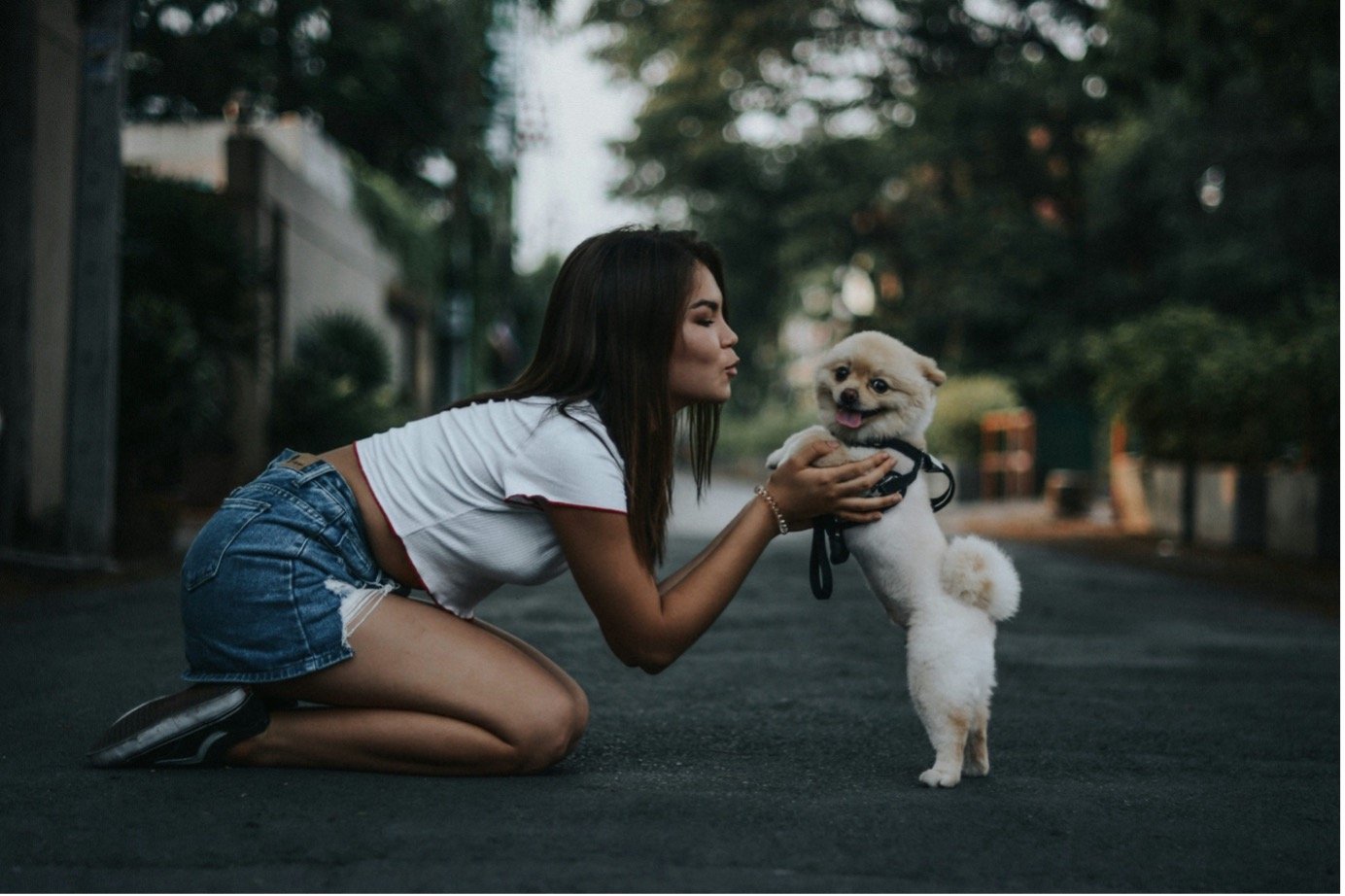
Dogs wear their emotions on their sleeves — or rather, their tails. A relaxed dog typically has a loose body, an open mouth that almost looks like a smile, and a soft tail wag. If your pup flops onto their back for belly rubs, you’re doing something right.
But a wagging tail isn’t always a “happy” sign. It’s the speed, position, and stiffness that really matter.
A high, stiff tail that’s twitching fast? That could be a red flag. Same with a tight mouth, ears pinned back, or a hard stare. These are signs your dog may be anxious or feeling cornered.
On the other hand, a dog that’s turning their head away, yawning, or licking their lips when there’s no food around? That’s stress. Low-key stress, but still stress.
“Dogs don’t jump straight to biting or barking,” says Dr. Patel. “They give warning after warning. We just don’t always know what to look for.”
The Play Bow and Other Friendly Gestures
You’ve probably seen it — front legs outstretched, butt in the air, tail wagging like crazy. That’s the universal dog way of saying, Wanna play?
It’s a joyful, harmless gesture. So is the classic zoomie — the sudden burst of energy where your dog bolts in circles like they’ve just had five espressos.
That said, if your dog is avoiding eye contact, holding their body low, or freezing mid-interaction, it’s time to back off. They’re telling you they’re unsure or scared.
Now, Let’s Talk Cats — Because They're Saying a Lot, Too
Cats might not bounce around the way dogs do, but they’re no less expressive. In fact, they might be even more so — just in quieter, more refined ways.
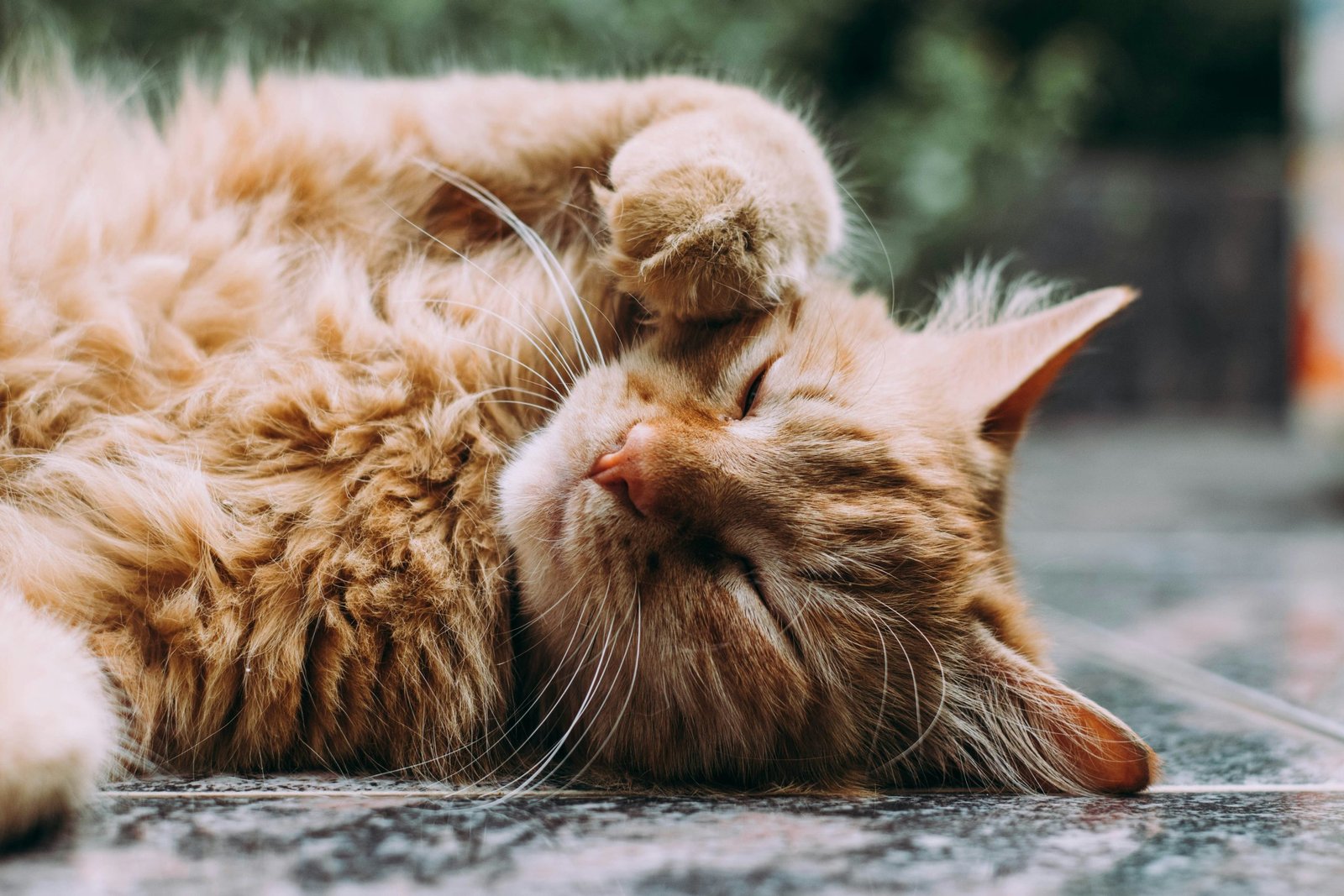
A calm cat usually walks with an upright tail (sometimes shaped like a question mark), blinks slowly at you, and might rub against your legs. That slow blink? That’s a compliment. It’s like their version of saying, Hey, I feel safe with you.
But when something’s off, cats make it clear — just not always in a way we recognize.
What Stress Looks Like in Cats
Rapid tail flicking, dilated pupils, low crouching, flattened ears — these are all signs of a cat who’s either on edge or fully stressed. If they start hissing or growling, they’ve moved from nervous to defensive.
And that purring you hear? Don’t assume it means they’re content. Cats also purr when they’re in pain or feeling anxious. It’s a self-soothing mechanism. To understand what the purr means, you’ve got to read the whole body.
It’s Not Just Dogs and Cats
Rabbits, parrots, guinea pigs — they all have a language of their own.
Rabbits thump their back legs when they’re scared. Guinea pigs make different sounds for hunger, affection, and alarm. Birds might fluff their feathers when cold or anxious. These behaviors aren’t quirks — they’re communication.
What they all have in common is that they’re not random. Every movement is an attempt to connect, to express a need, or to signal a feeling.
So, What’s the Point of All This?
Here’s the thing — when you understand your pet’s body language, you become a better companion. You prevent misunderstandings. You avoid scaring them unintentionally. You show them respect.
And in return, they trust you more.
“It’s a two-way relationship,” says Dr. Patel. “You start noticing when your dog’s overwhelmed at the park, or when your cat just wants space instead of cuddles. You respond better. And they feel safer with you.”
That safety leads to a deeper connection — the kind where your pet doesn’t just live in your house but shares a life with you in a real, emotional way.
Pay Attention to the Little Things
Next time your dog avoids a certain corner of the house or your cat suddenly hides under the bed, ask yourself why. It could be something small. A noise they didn’t like. A scent that triggered a memory. Or maybe they’re just not in the mood.
You don’t need to decode every single behavior. You just need to care enough to notice.
When your pet sees that you’re trying to listen — not just to what you say, but how you say it, and how they say it — it builds trust. And trust, especially in animals, is everything.
To Sum It Up?
Your pet is talking. Always. Through the tail wags, the ear twitches, the eye blinks, the stiff posture, the playful bounce. They’re trying to tell you when they’re happy, uncomfortable, curious, scared, or just not in the mood.
So next time you look at your pet, don’t just talk to them. Watch them. Notice the ears. The eyes. The tail. The posture.
Because once you learn to see what they’re saying, you’ll never look at them the same way again.
News Source: @HumaneSociety