 Pet News

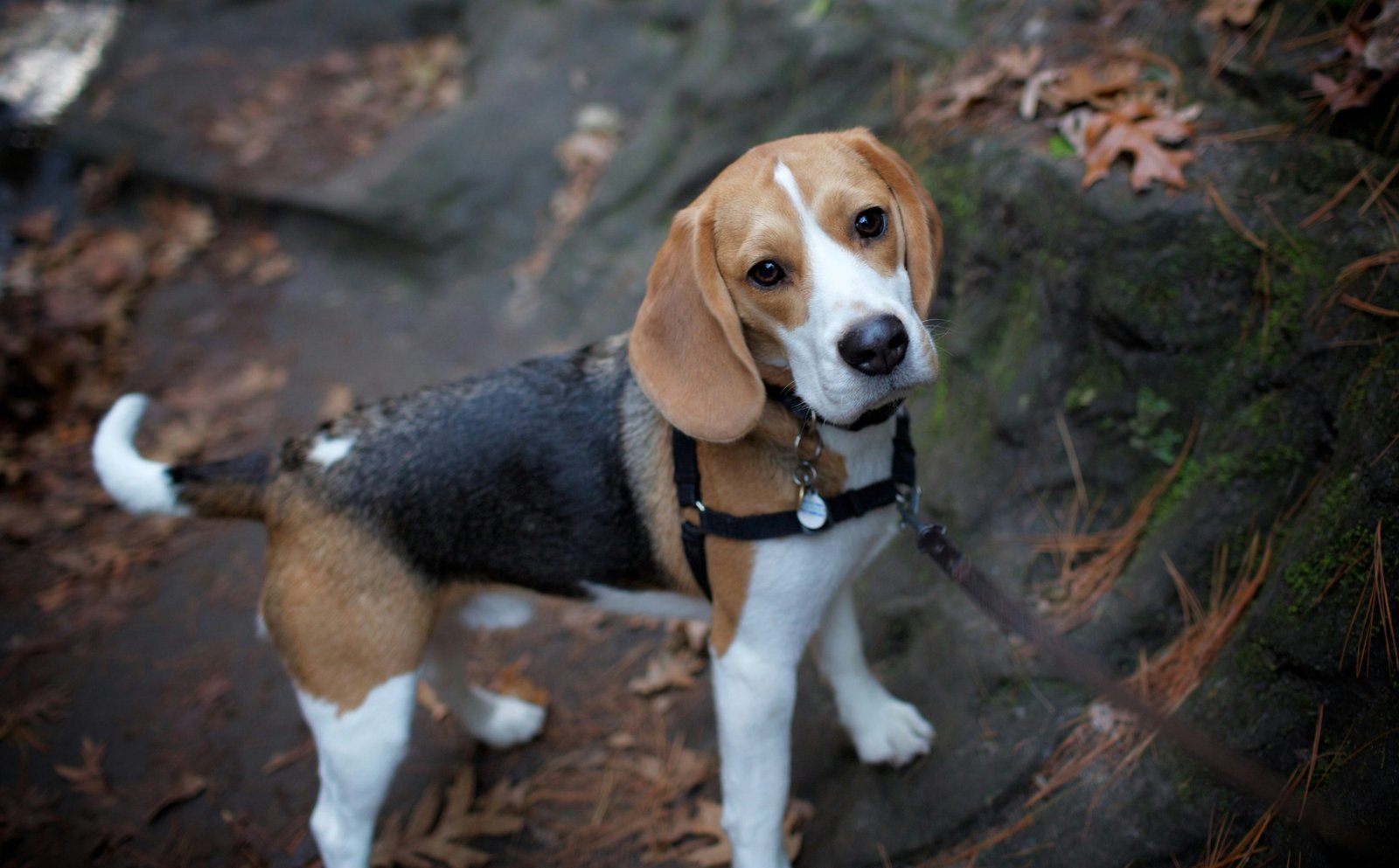
Loud fireworks, sizzling grills, and backyard fun, that’s how most of us picture the Fourth of July. But for pets, it can feel more like a nightmare than a celebration. Between booming noises, scorching heat, tempting (but harmful) foods, and the chaos of guests coming and going, July 4th is one of the most dangerous days of the year for dogs and cats.
Every year, emergency vets see spikes in lost pets, heat-related illnesses, and food poisoning incidents. That’s why, whether you’re throwing a party or just relaxing at home, taking a few smart steps can go a long way toward keeping your pets safe and stress-free.
Fortunately, a little preparation goes a long way in keeping your pets comfortable, secure, and healthy during the festivities. Here’s a breakdown of the top things every pet owner should know before the fireworks start.
1. Update Identification and Microchips
One of the biggest risks on July 4th? Lost pets. Many animals bolt out of fear during fireworks, and shelters report a significant spike in missing pets during the holiday weekend.
Before the celebrations begin, check that your pet’s collar tag has up-to-date contact info, including your current phone number. If your pet is microchipped, log in to your account and make sure all details are current. Not sure if your pet’s chip is still active? Your local vet can scan it in seconds.
It’s also a good idea to take a recent photo of your pet to keep your pets safe in case you need to create a lost poster or social media post.
2. Keep People Food Off the Menu
Barbecue smells are irresistible to most dogs—and even cats can get curious. But what’s safe for us can be dangerous or even deadly for pets.
Common party foods like ribs, chicken wings, corn on the cob, chocolate, onions, grapes, alcohol, and fatty meats can cause anything from digestive upset to pancreatitis, or worse. Even bones, while natural, can splinter and lead to internal injuries.
To play it safe:
- Ask guests not to feed your pet.
- Keep trash bins tightly closed.
- Watch out for dropped food and unattended plates.
- Consider putting your pet in a separate room while guests are eating.
For a happy distraction, give your pets safe chew or frozen treat during mealtime.
3. Don’t Underestimate the Heat
July weather can be brutal, and pets, especially flat-faced breeds, seniors, and long-haired animals, are more prone to heat exhaustion and heatstroke.
If your pet is outdoors with you:
- Provide shade and plenty of fresh water.
- Avoid walking them on hot pavement.
- Keep outdoor time short during peak heat hours.
Watch closely for signs of overheating, such as:
- Heavy or rapid panting
- Excessive drooling
- Lethargy or weakness
- Vomiting
- Bright red or pale gums
If you notice any of these signs, get your pet to a cool, shaded area and contact a vet immediately.
4. Get Exercise in Early
Exercise can be a powerful tool for reducing stress. Take your dog for a walk or spend time playing with your cat earlier in the day before the fireworks start.
Burning off energy helps pets stay calmer later on, especially when fireworks and loud noises hit their peak. For many dogs, a good run or long sniff-filled walk can help reduce anxiety and encourage rest in the evening.
Bonus tip: Feed your pet a little early too. A full belly often promotes sleepiness and calm.
5. Create a Quiet, Safe Space
One of the best ways to keep your pets safe from fireworks is to set up a designated “safe zone.” This can be a quiet room, your bedroom, or any cozy corner of your home where your pet feels secure.
To prep the space:
- Close windows and curtains.
- Turn on a TV, fan, or white noise machine to mask fireworks.
- Place familiar bedding, toys, and maybe an old t-shirt with your scent.
- Keep lights dim and the environment calm.
Some pets may do best in a crate if that’s their regular comfort space. If you know your pet gets especially anxious, talk to your vet in advance about calming treats, anxiety wraps, or other support options.
6. Skip the Fireworks Show (for Them)
The safest and kindest choice is to leave pets at home during fireworks shows. Never bring them to crowded parks or community events with loud fireworks, no matter how well-behaved they usually are.
If you live close to a major fireworks display, plan ahead:
- Close all windows and doors.
- Double-check that your yard gate is latched if your pet goes outside.
- Give them a bathroom break early, before the show begins.
7. Keep Emergency Contacts Handy
Hopefully, you won’t need it, but it’s smart to keep a list of emergency vet clinics near your home or vacation spot. Not all clinics are open on holidays, so knowing where to go ahead of time can save crucial minutes in case of an emergency.
Post the number on your fridge or save it in your phone along with poison control contacts.
Final Thoughts
The Fourth of July can still be fun for pet families, it just takes a little extra planning. With all the excitement, it’s easy to forget that our animals experience the day very differently. Loud noises, heat, strange visitors, and rich foods can quickly become a recipe for stress or danger.
But with a safe space, plenty of water, controlled access to food, and a little extra attention, your pets can get through the holiday feeling secure and loved.
After all, nothing beats ending a night of celebration with a happy, healthy pet curled up at your feet, fireworks or not.
News Source @USAToday