 Pet News


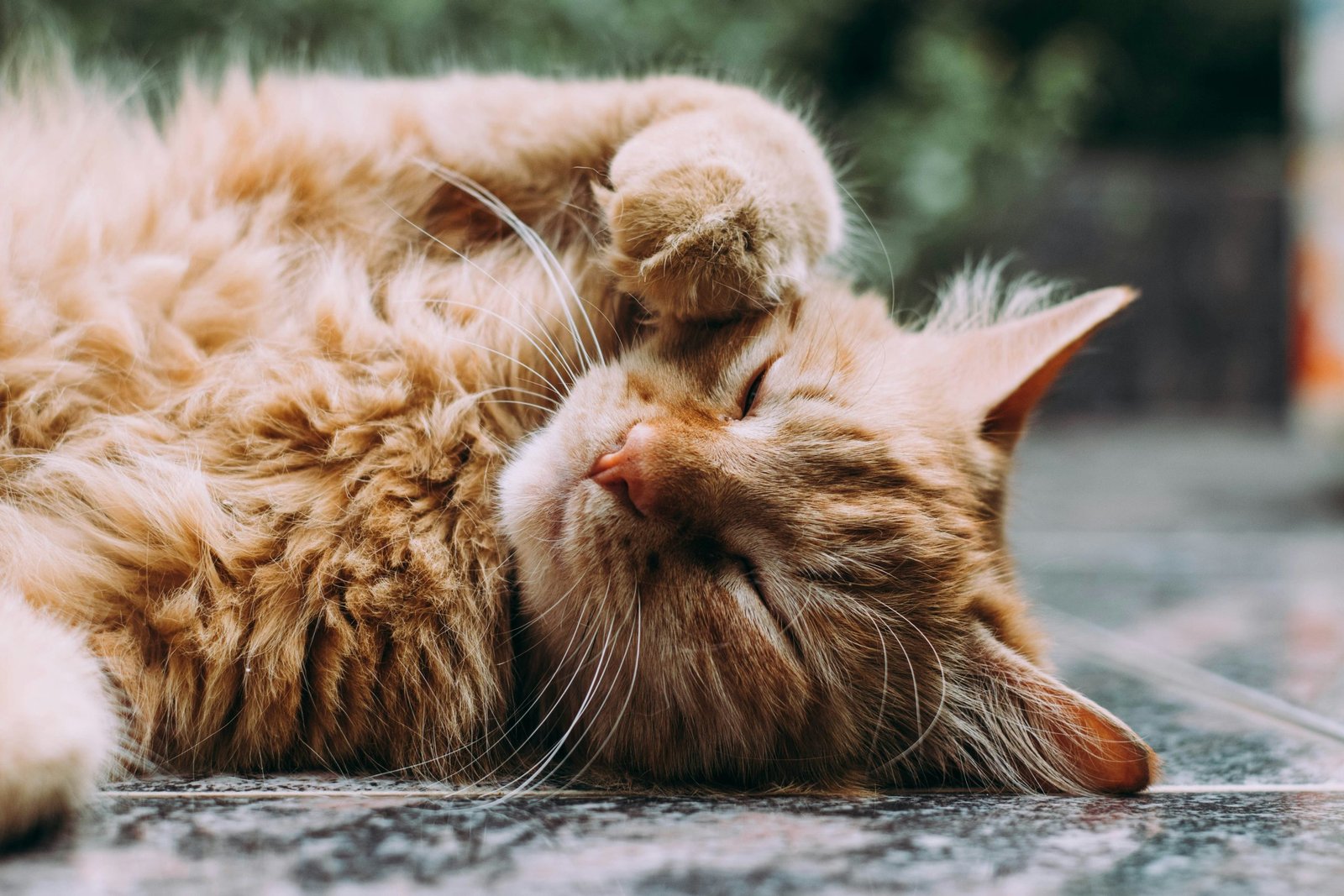
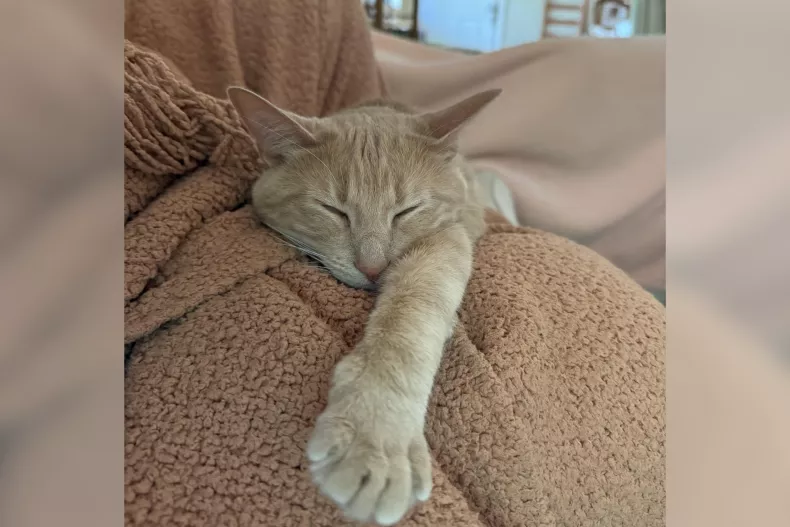
Few feline traits are as iconic, or as puzzling, as the vibrant coats of orange cats. Beloved for their playful antics and distinctive coloring, these cats have long been genetic enigmas. But on May 15, 2025, two independent studies, one by Stanford University in the U.S. and one by Kyushu University in Japan, revealed the surprising answer: a tiny deletion in the X chromosome near a gene called ARHGAP36 is responsible for their fiery fur. In doing so, scientists have also uncovered why most orange cats are male.
The Gene Behind the Fur: ARHGAP36
Both studies zeroed in on an overlooked region of DNA near the gene ARHGAP36, a protein involved in cellular signaling related to pigment production. What they found was startling:
- A deletion of roughly 5 kilobases (kb), about 0.005% of the feline genome, removes a regulatory DNA segment that normally quiets ARHGAP36.
- When this “silencer” is missing, the ARHGAP36 protein becomes overactive, up to 10 times more abundant in pigment-producing cells called melanocytes compared to cats without the deletion
This hyperactivity shifts the balance from eumelanin (dark brown/black pigment) to pheomelanin (red/orange pigment), creating that classic amber coat.
Why the Deletion Affects Only Cats
ARHGAP36 isn’t unique to cats, it exists in all mammals, including humans. But here’s what makes orange cats so special:
- This exact deletion has only been observed in domestic cats, not in dogs, rodents, or tigers, making it a truly feline “meow‑tation“.
- It acts in the cells that produce pigment in fur, skin, and eyes, but doesn’t alter the ARHGAP36 protein itself, only how much of it is produced .
In short, it’s a regulatory tweak, not a mutation in the gene’s structure, that causes the sunrise-hued fur.
Most Orange Cats Are Male: Here's Why
One of the oldest observations in cat genetics is that around 80% of orange cats are male. The reason lies in the X chromosome:
- Male cats have one X chromosome, if that one carries the deletion in ARHGAP36, the cat is fully orange.
- Female cats have two X chromosomes, and each cell randomly shuts off one of them during development (a process called X-inactivation). To be entirely orange, a female would need both X chromosomes to carry the deletion, a rare combination.
- Most female cats with just one affected X show calico or tortoiseshell patterns, with orange and dark patches
These studies not only confirmed the location of the mutation but also explained why orange fur follows this classic sex-linked inheritance.
Mosaic Cats: Calicos & Tortoiseshells
Those beautiful patchwork coats, black, brown, orange, found in calico and tortoiseshell cats are vivid examples of X-inactivation in action:
- Each cell randomly silences either the maternal or paternal X early in embryonic development.
- As a result, patches of fur express one X (orange) while others express the other X (dark), resulting in the familiar mottled coat
With the deletion only present on one X, these female cats exhibit a mosaic of orange and darker fur, nature’s own genetic tapestry.
A Single Ancestor? The "Orange" Mutation’s Origin
Genomic data suggest all orange cats trace back to a single ancestral mutation:
- Researchers analyzed over 250 cats globally and found the exact same deletion near ARHGAP36 in every orange individual .
- By comparing these findings with archaeological evidence, like orange cat depictions in 12th-century art, scientists speculate the mutation may have first appeared hundreds of years ago
So, every ginger tabby might share a distant feline relative, an ancient orange pioneer of sorts.
More Than Meets the Eye: Beyond the Coat
Because ARHGAP36 is active in the brain and hormone-producing tissues, not just pigment cells, the team questioned whether the mutation could affect behavior or physiology, but so far, they found no differences in brain gene expression between orange and non-orange cats.
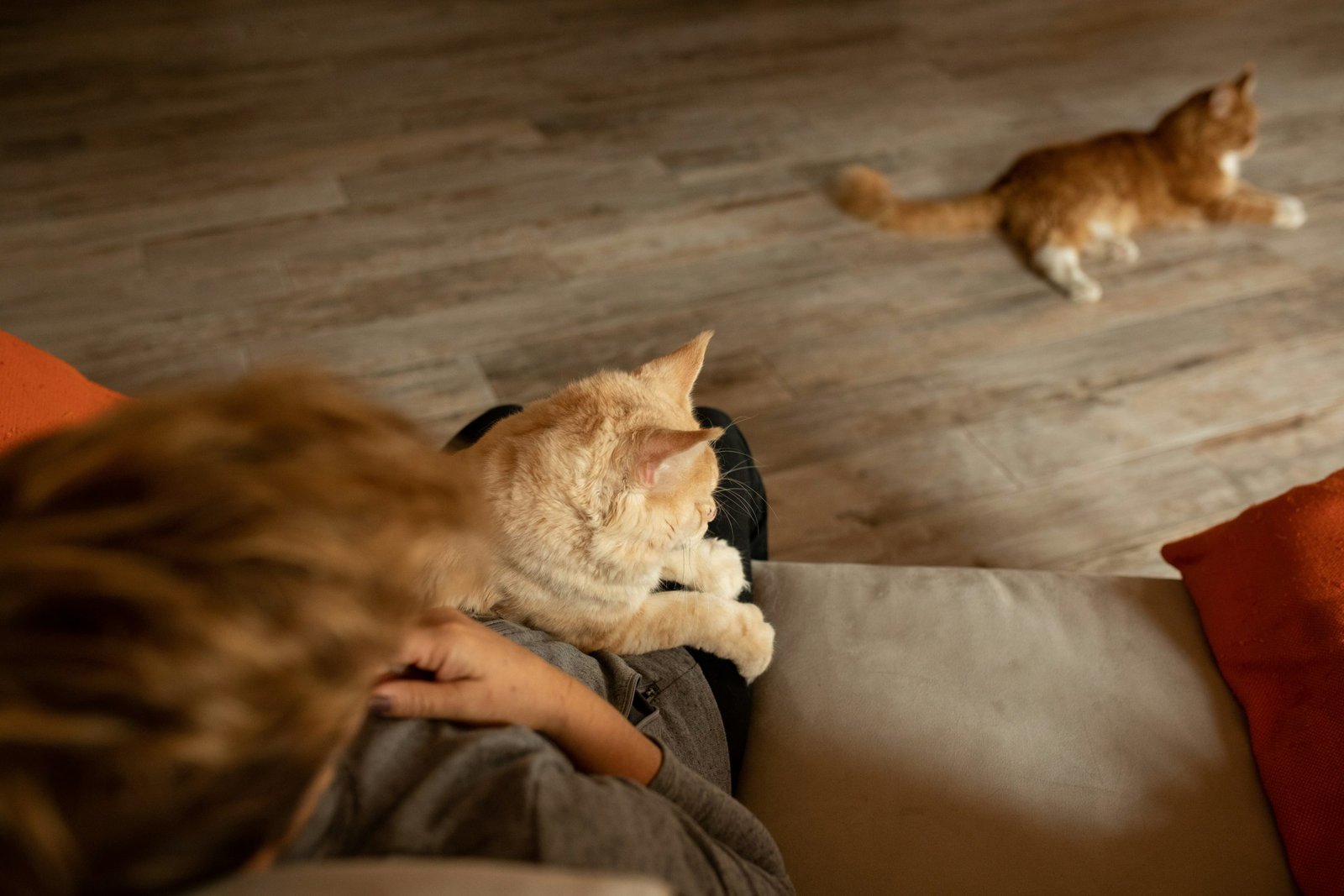
Yet, anecdotal evidence suggests “orange cats are goofy.” While this could simply reflect the fact that most orange cats are male, male cats can be more outgoing, it’s an area researchers intend to explore further.
A Breakthrough for Genetics & Biology
This discovery ripples far beyond cat lovers:
- It uncovers a new genetic mechanism, using regulatory deletion to boost pigment gene expression, instead of the typical inactivating mutations seen elsewhere.
- It deepens our understanding of X-chromosome biology, particularly how gene regulation and inactivation produce visible traits.
And since ARHGAP36 also exists in humans (linked to conditions like hair loss or skin cancer), studying this feline mutation may shed light on gene regulation in mammals broadly.
How the Studies Were Done
Stanford University (Christopher Kaelin, Greg Barsh et al.)
- Analyzed DNA from about 30 cats, identifying the deletion near ARHGAP36 specific to orange individuals.
- Studies included cheek swabs from cat shows and tissue from neutering clinics, no lab cats were harmed.
- A follow-up study of over 200+ cats confirmed the deletion’s universality among orange breeds and documented its effect in melanocytes.
Kyushu University (Hiroyuki Sasaki et al.)
- Used 18 initial cats (10 orange, 8 non-orange), followed by confirmation in a broader dataset.
- Performed skin tissue analysis, which revealed much greater ARHGAP36 expression in orange patches than in dark ones.
- Demonstrated the deletion allowed continued gene expression in melanocytes while reducing pigment pathway genes.
What’s Next in Orange Cat Science?
- Exploring whether ARHGAP36 affects behavior: Are orange cats tickled by this mutation in other biological ways?
- Tracing archaeological roots: DNA from ancient cat remains or murals may reveal how long the orange mutation has existed
Delving into regulatory genetics: By understanding how tiny DNA deletions can flip switches, we may gain insights into broader biological regulation in mammals.
The Final Word
These twin breakthroughs have finally illuminated a mystery that has intrigued geneticists and cat lovers for over a century. That vibrant hue, an ocean of orange, boils down to a modest genomic deletion near ARHGAP36, boosting pigment switch-over in fur.
Most orange cats are male because they only need one “orange X chromosome” to tint the whole coat, while females require two. And while we may never prove whether orange cats are indeed goofier, science has at least given us a clearer picture of what makes them so memorable.
From the sidewalks of Surrey to the cat shows of Tokyo and California, science, history, and sheer feline curiosity have joined forces to decode the secret of orange fur. It’s proof that, sometimes, the smallest pieces of DNA cast the brightest shade, and the biggest genetic stories.
News Source @USAToday