 Pet News

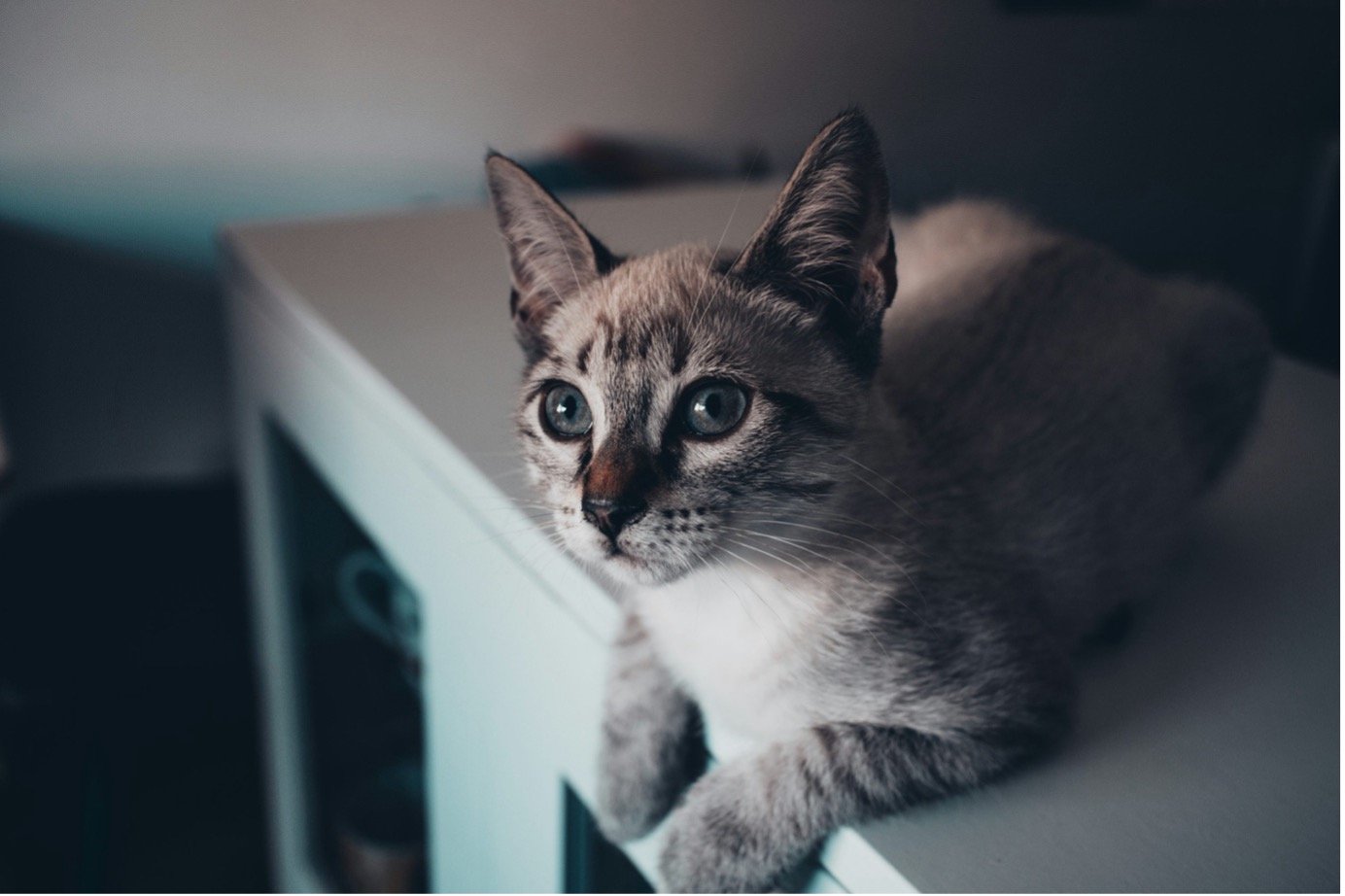
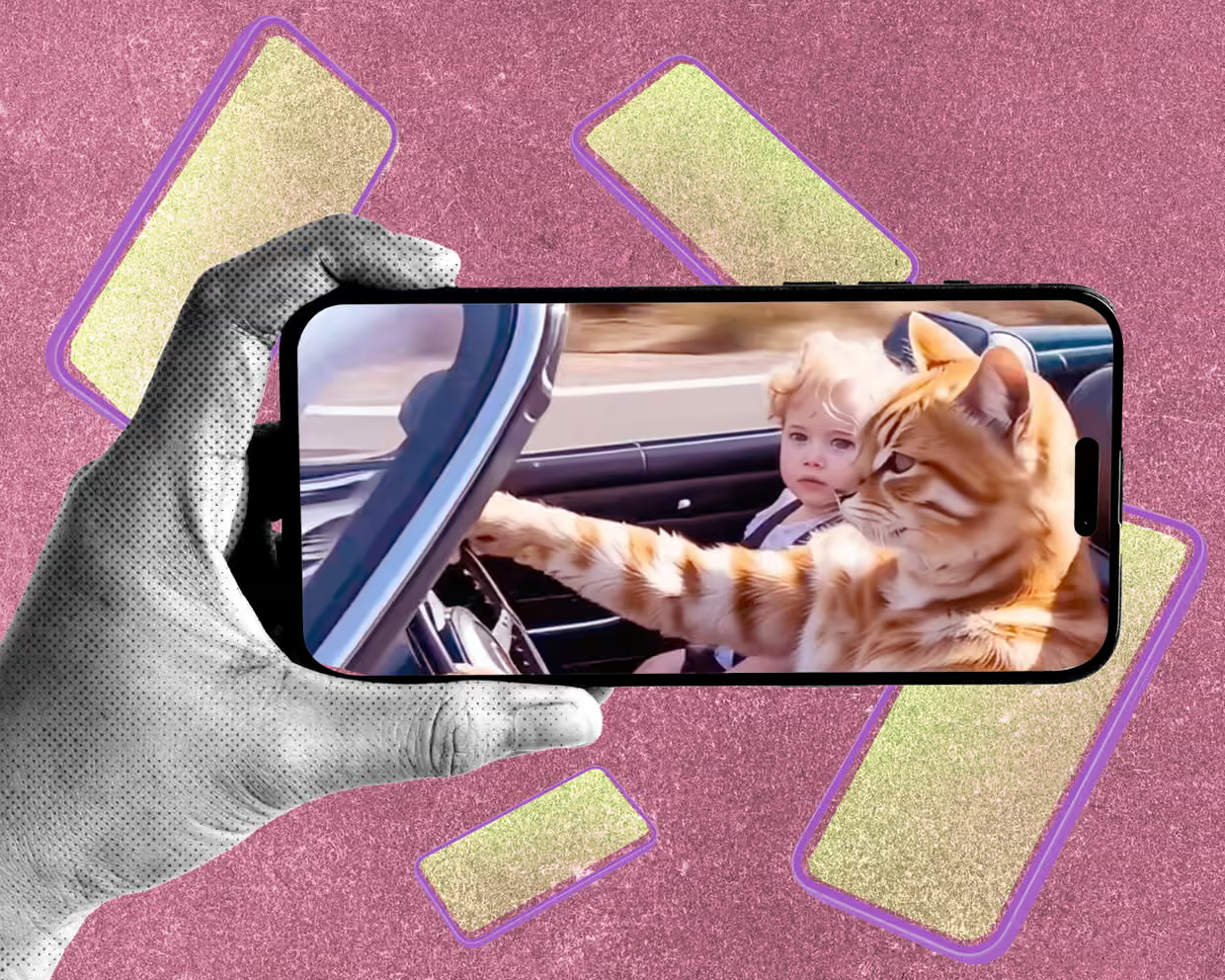
If you live with a cat, you probably already know the truth, they run the show. Sure, we like to think we’re in charge, paying the bills and filling the food bowls. But deep down, we know who really calls the shots. One minute, you’re busy working; the next, you’re cradling a purring furball who’s somehow convinced you that your deadlines can wait. So, is it just their cuteness at work? Or have cats actually figured out how to control us?
It turns out, there’s a little science behind that warm, fuzzy grip they seem to have on our hearts, and our minds.
The purr-fect trick: How cats use sound to sway us
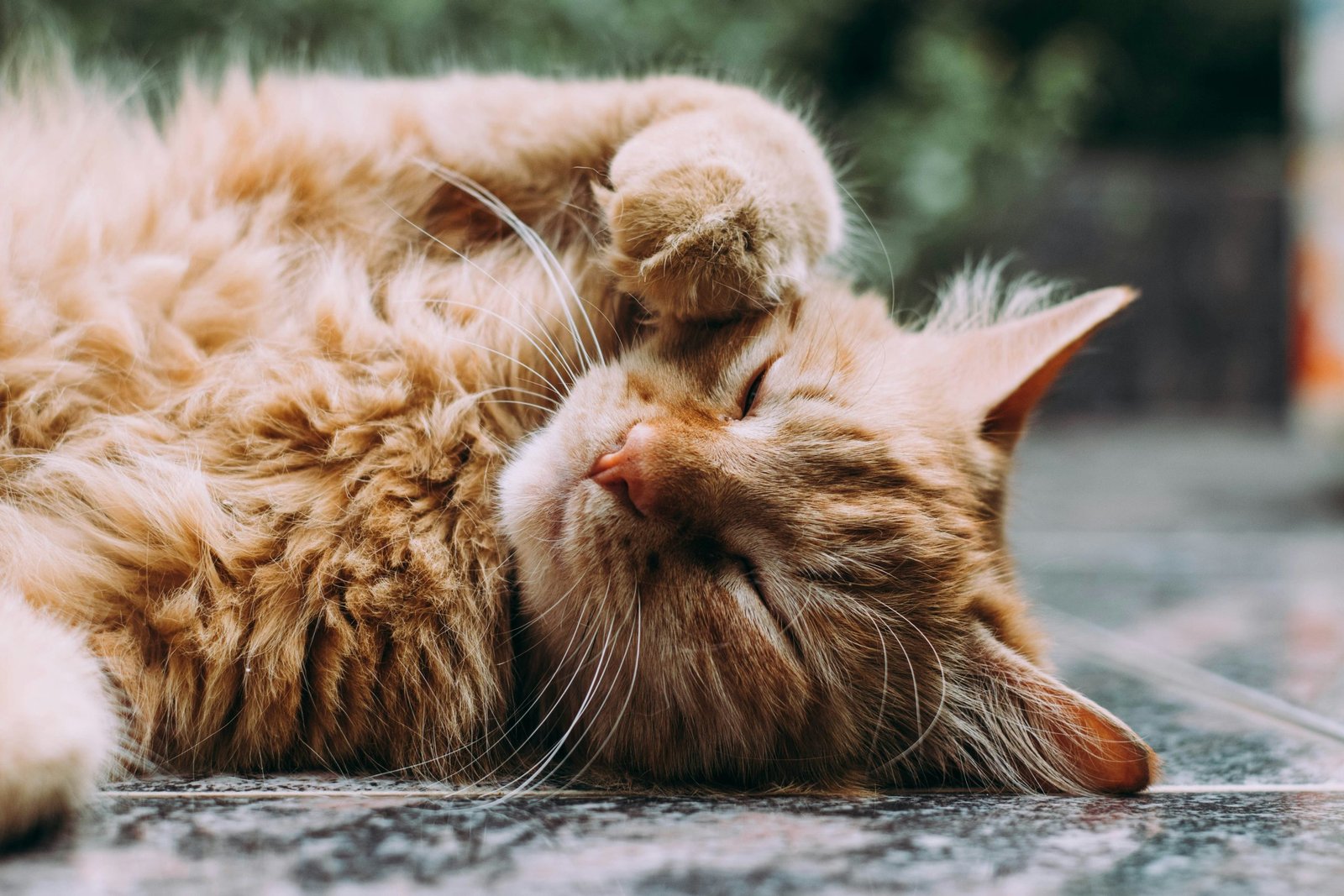
Let’s start with that magical sound no cat owner can resist: the purr. Scientists have studied this for years, and what they’ve found is fascinating. Cats don’t just purr because they’re happy. They’ve actually developed a special type of purr that tugs at our emotions, it’s called the “solicitation purr.”
Unlike the steady, contented purr of a cat who’s dozing in the sun, this version has a higher-pitched cry hidden inside it. And here’s the wild part: that frequency is similar to a human baby’s cry. It’s no wonder we can’t ignore it. Without even realizing it, we’re hardwired to respond, whether that means reaching for the treat jar or scooping them up for a cuddle.
Clever, right? But that’s just the start.
The slow blink: Your cat’s secret handshake
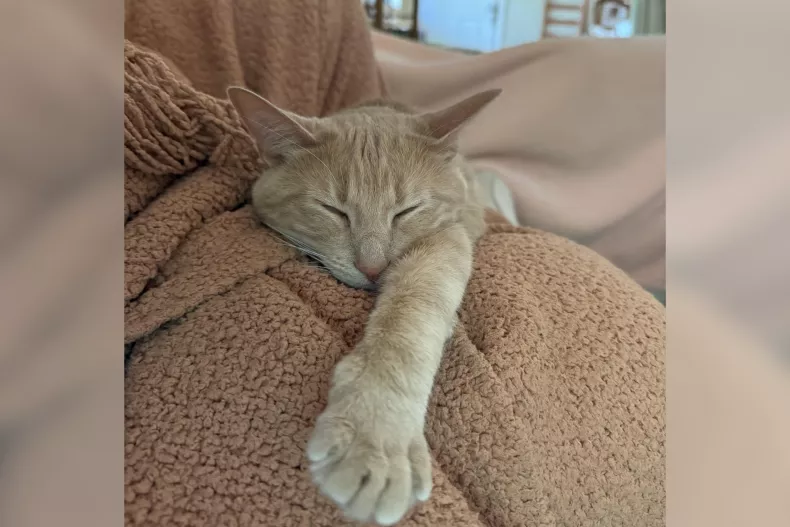
If you’ve ever caught your cat gazing at you and slowly closing its eyes, consider yourself chosen. Cat behavior experts call this the “slow blink,” and it’s basically your cat’s way of saying, “I trust you.” What’s interesting is that when we return the gesture, when we slow-blink back, cats seem to like us even more. It builds the bond. And yes, once that connection’s made, they seem to know they can get away with even more.
In fact, a study from 2020 found that cats are more likely to approach and interact with humans who slow-blink at them. So, your cat isn’t just being cute, they’re setting the stage for you to engage, reward, and adore them.
Cats and our chemistry: The oxytocin effect
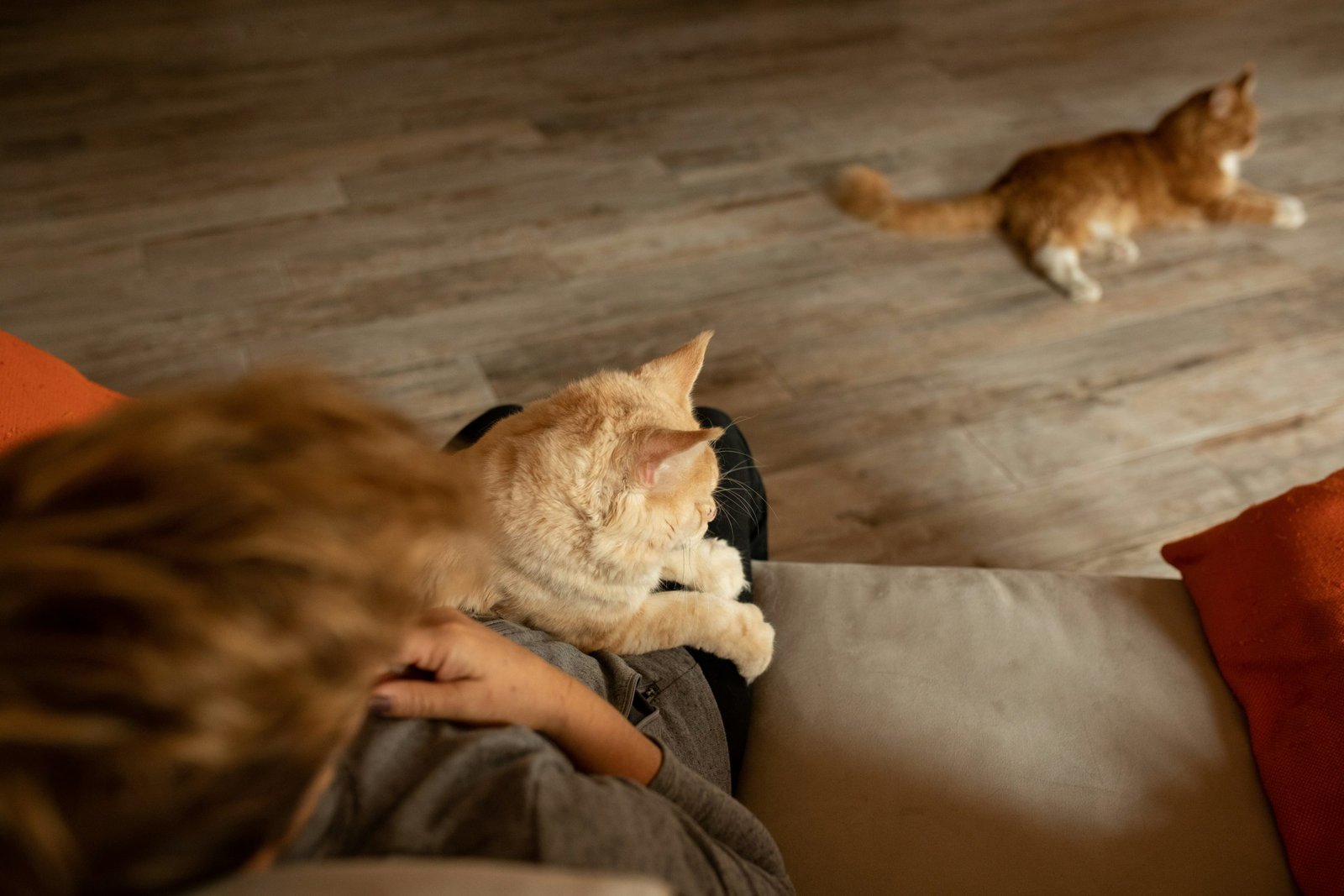
When you pet your cat, or they curl up next to you at the end of a long day, your body responds in powerful ways. Your brain releases oxytocin, often called the “love hormone.” It’s the same chemical that helps parents bond with their babies. It reduces stress, lowers blood pressure, and gives you that warm, fuzzy feeling. No wonder we let our cats call the shots. We’re literally wired to feel good when they’re near.
And here’s the thing, cats don’t even have to do much. That soft purr, that gentle headbutt, or just the weight of them on your lap is enough to trigger the response. Before you know it, you’re rearranging your plans so you don’t have to disturb them. Sound familiar?
Are cats really manipulating us?
Now, let’s be clear, cats aren’t plotting to control our minds in some sci-fi villain sort of way. But they have, over thousands of years of living with humans, learned what works. They know how to get what they want without barking orders (or barking at all). It’s all in the subtle signals: the well-timed meow, the gentle paw tap, the quiet stare that somehow makes you put down your phone and pay attention.
And it’s not one-sided. Research shows cats form deep emotional attachments to their humans. A 2019 study from Oregon State University found that cats display similar attachment patterns to dogs and even human infants. They see us as their safe place. So while it may feel like they’re running the show, the bond goes both ways.
The Toxoplasma twist
No article on cats and mind control would be complete without mentioning Toxoplasma gondii. This is a tiny parasite that cats can carry, and yes, it has sparked some wild headlines about cats “hijacking” human brains. Some studies have linked T. gondii exposure to subtle behavioral changes in humans, like increased risk-taking, but the science is far from settled. And most people with indoor cats or good hygiene practices have little to worry about.
So, no, your cat isn’t controlling you with a parasite. But it makes for an interesting footnote in the long, intertwined story of cats and humans.
Why we let cats win (and love every second of it)
At the end of the day, cats don’t need supernatural powers to win us over. They offer companionship, comfort, and a kind of calming presence that’s hard to put into words. Maybe that’s why we don’t mind being “controlled” by them in small, everyday ways. We cancel plans so we don’t disturb their nap on our lap. We sit a little longer just to hear that contented purr. We buy toys and treats we swore we wouldn’t.
And somehow, we’re happier for it.
Final thoughts
So, do cats control our minds? Not exactly. But they’ve certainly mastered the art of influencing us, with charm, subtlety, and an uncanny ability to tap into our emotions. They’ve been doing it for thousands of years, and honestly? We wouldn’t have it any other way.
After all, life’s just better with a cat around, even if they are the ones calling the shots.
News Source @BBC