
 Pet News




As a pet owner, particularly a dog owner, I can attest that traveling with a dog isn’t always the easiest way to enjoy a vacation, especially regarding international animal transport. You must know and understand strict airport, airline, and country requirements to ensure smooth traveling. Below are some key considerations on how to travel internationally with pets.
How to prepare pets for international travel
Planning is essential when it comes to this type of travel. An international health certificate will be required by the airlines transporting your pet and/or the customs where you are arriving, so be sure to schedule an appointment with your pet’s veterinarian several weeks before your anticipated departure date. You will need to provide precise international departure and arrival addresses for your paperwork. This must be done well in advance to ensure the pet is old enough, adequately vaccinated, any necessary blood titers measured, and they are microchipped.
For international travel, it is important for you to work with experienced and reputable pet shipping agents to obtain the best outcome for your pet. Your veterinarian might need to help you and the agent with some of the specific health-related details.
Plan ahead for contingencies for your pet. Bring their regular food and medications. Don’t forget their monthly heartworm preventative and their pain control or supplements. Bring extra in case you are delayed or extend your travels, just as you would for yourself. Consult with your veterinarian about calming supplements and prescription anti-anxiety medications, and the timing of administering all medications and supplements.
Read more about Pet Preparedness: Getting ready for some adventure
Selecting a Pet-Friendly Airline and Carrier
When arranging air travel, selecting an appropriate pet-friendly airline is very important. Airlines do not allow pets in their luggage compartments; some may have restrictions on which pets will be accepted. Always check for a pet travel airline that adheres to the standards of the International Air Transport Association, especially for traveling pets.
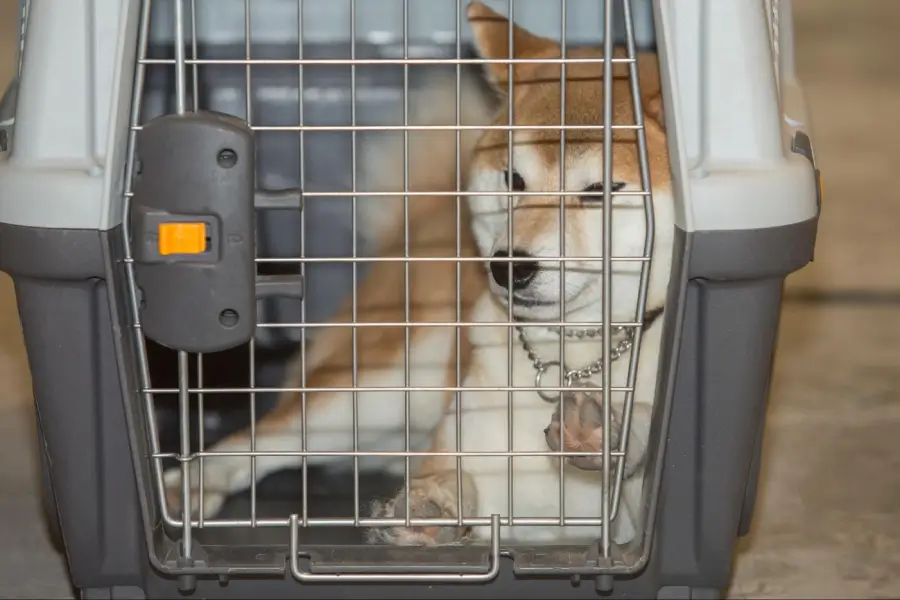
Just as choosing the right airline is important, selecting an appropriate pet travel carrier is equally crucial. Carriers traveling in the cargo hold need to be certified by the International Air Transport Association (IATA), hard-sided, properly ventilated, and of sufficient height and length so that the pet can stand in the carrier, turn around, and lie down in it, comfortably. If the pet is traveling in the main cabin, airlines have specific requirements for the pet carrier that vary between airlines, and soft-sided carriers might be allowed.
Understanding Pet Travel Regulations and Documentation
It’s crucial to carefully examine international pet travel rules for both the country of departure and the destination country. For example, the travel guidelines for pet travel from Australia to the USA are stringent; a pet will only be allowed entry if it passes specific checks and meets required tests. For further insights, refer to the Qantas Freight travel guide: “International Pet Travel guide from Australia to the World”.
Likewise, the travel guidelines for pet travel from the USA to Australia are also stringent: the Animal and Plant Health Inspection Service (APHIS) department of the USDA provides rules for animals traveling from the USA to other countries.
Booking International Pet Travel
There are three main options when traveling internationally with pets by air: airfreight cargo, excess baggage, and in-cabin travel.
In airfreight cargo, pets are booked through the airline’s cargo department and travel as cargo. They are delivered to and collected from cargo terminals or animal reception centers. It is advisable to work with a pet shipping agent to facilitate both delivery and clearance. The main advantages of this option are that trained staff handle the pets, stringent safety measures are in place, and pets can travel without their guardians on the same flight. Additionally, the crate is sealed at check-in, reducing the risk of escape. However, this option comes with longer waiting times at check-in and arrival, and some cargo terminals lack dedicated pet areas. The unfamiliar sights, sounds, and smells in cargo can also cause stress, and it is generally more expensive than other options.
In excess baggage, pets are checked in with their guardians at the passenger terminal and travel in the aircraft’s cargo hold. Upon arrival, pets are collected at the baggage reclaim area. This option is less expensive than airfreight cargo and may involve shorter wait times. However, the pet must travel on the same flight as the guardian. Handling by staff or the guardian during check-in can increase the risk of escape or injury, and unfamiliar environments may cause stress. Not all airports have dedicated pet reception areas.
For in-cabin travel, pets stay with their guardians in the passenger cabin, typically in a soft-sided carrier placed under the seat. Although pets are never separated from their guardians, this option presents some challenges. Soft-sided carriers can be less stable and secure, increasing the risk of escape or injury, especially during security checks. Frantic pets can bite their way through mesh panels and escape. Some pets may also find the sights, sounds, and smells of the passenger terminal and cabin stressful. While this is a more affordable option, the pet must travel on the same flight as the guardian, and accidental or deliberate opening of the carrier poses an increased risk of escape and a potential flight safety risk.
Advertisement
Top Tips for International Pet Travel
Here are some international pet transport tips to ensure a safe and comfortable journey for your furry companion:
- Book early to reserve a place for your pet on the flight so that you avoid the last-minute rush and troubles. Sometimes this requires contact with the airline or pet transport company months before your anticipated travel date.
- Select nonstop flights so that the duration and stress on the pet are minimized.
- Relieve your pet’s anxiety by including some of their usual things in the carrier, like a toy or a blanket. If you have calming supplements and/or anti-anxiety medications, know when to give them prior to the flight. Airlines have rules about what is allowed in carriers, so be sure to check your airlines’ rules and regulations.
- Have adequate water and food available, especially when planning for long-haul flights. Consider freezing the water in the carrier bowl beforehand, to minimize spillage during flight.
- Don’t put a litter box in the crate for cats, due to spillage and also reduced space for the cat.
- Understand and obey the country’s laws so that you don’t end up frantically handling a last-minute travel crisis with the airlines and/or international authorities.
Settling Your Pet After International Travel
Immediately after moving your pet across countries, your pet will need time to get accustomed to the new place. Create quiet corners or rooms of sanctuary for your pet to which they can go and feel safe. Choose ahead of time a veterinarian for your pet, if your pet is not feeling well after arrival. If moving to a new home, introduce your pet to the new house by letting them slowly explore their toys and bed. If you’ve done everything correctly, your pet’s adjustment period should be short and uneventful. Our Pet Health Harbour blog post “Paws & Reflect: Mental Health Awareness for Pets” provides some useful tips for helping your pet make these adjustments.
Ready to Travel with Your Pet?
Bringing a pet while traveling abroad doesn’t have to be difficult. With careful planning and a solid checklist, you can enjoy a stress-free trip with your pet.

Pet Health Harbour is on mission to Educate, Empower, and Enable pet owners to maintain the health, wellness and well-being of their pets, and to be a trusted source of specialty health information for general practice veterinarians.
Pet Health Harbour is on mission to Educate, Empower, and Enable pet owners to maintain the health, wellness and well-being of their pets, and to be a trusted source of specialty health information for general practice veterinarians.