 Pet News



Hi there, pet parents! Today I’d like to discuss something that’s both close to my heart and incredibly important – Taking care of our aging furry friends. Let’s dive into a story that really brings this home.
The Tale of Gizmo and the Stairs
Gizmo was an 11-year-old Shih Tzu with a big heart and an even bigger zest for life when I first met him. Gizmo and his devoted “grand-pet parent,” Miles, were referred to me, a veterinary ophthalmologist, for dry eye.
Miles, a detail-oriented mechanical engineer, and the best pet parent you could imagine to Bart a lab mix, had now taken on the care of his daughter’s dog while she was away at college. Gizmo quickly became a permanent part of Miles’ family.
Gizmo’s journey through senior hood wasn’t the smoothest. He battled with vision loss due to dry eye causing corneal pigmentation and scarring, requiring lifelong eye medication.
With frequent reexaminations, the right medication, and Miles’ meticulous care, Gizmo’s vision improved significantly in one eye, allowing him to be much more confident navigating in his environment and proving that even in their senior years, our pets can thrive with the right care.
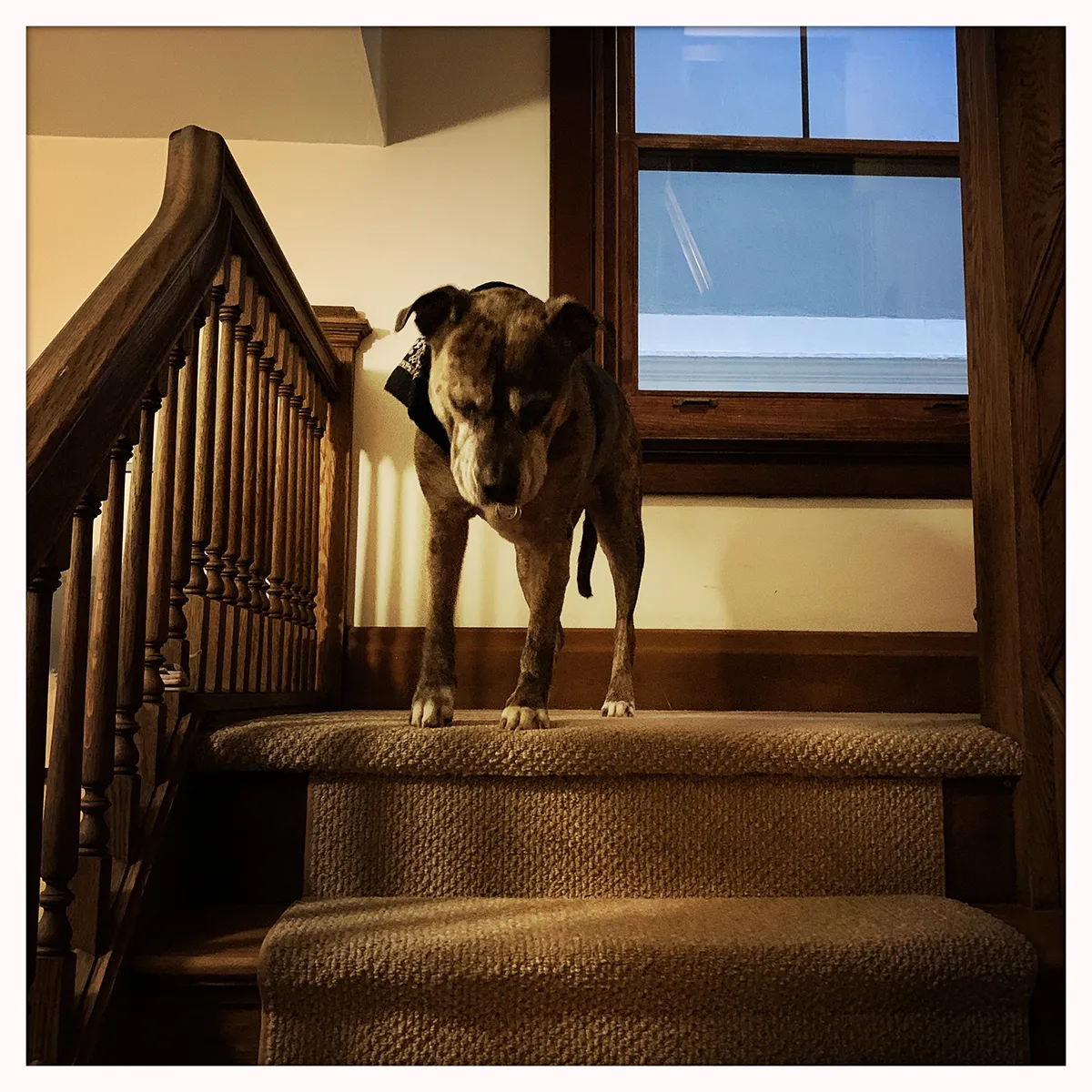
However, as Gizmo approached his 14th birthday, tragedy struck. One day, Gizmo and Bart raced down the stairs to head out for their daily walk with Miles behind them. Miles called for them to slow down and wait, but they raced on.
Gizmo hesitated halfway down the stairs and stumbled, and Bart, plowed right into him. Gizmo tumbled down the stairs, resulting in a severe back injury. Despite his age and the injury’s severity, Gizmo underwent emergency surgery and, thanks to Miles’ unwavering commitment, happily lived another two years.
The Unfortunate Factors Behind Gizmo's Accident
This incident got me thinking about the various factors that contribute to accidents involving senior pets. In Gizmo and Bart’s case, several things played a role –
Advertisement
Factors that contribute to accidents involving senior dogs
Senile Retinal Degeneration: Both dogs suffered from reduced night vision, as do all geriatric dogs, making it harder for them to navigate in dim light.
Dim Lighting: The stairway was poorly lit, exacerbated by the short, dark days of winter.
Osteoarthritis: Stiff, painful joints made movement more difficult, especially for Gizmo.
Canine Cognitive Dysfunction (CCD): Dementia commonly occurs in elderly dogs and can cause anxiety, confusion and disorientation. It is unknown if Gizmo had CCD, but it’s certain his 14-year-old brain was not as sharp as it used to be.
Excitement: The anticipation of a walk, or the ring of a doorbell can sometimes override caution.
Reduced Hearing: Unheard or “garbled” commands can lead to miscommunication and confusion, and most elderly dogs have some hearing loss. Sounds echoed in the stairway, which also disoriented Gizmo and Bart.
Home Environment: Long nails, bare stairs, and other home hazards can increase the risk of accidents.
When Our Pets Become Seniors
Recognizing when our pets enter their senior years is crucial. Many pet owners are surprised to learn their beloved companions are now considered geriatric.
Years pass by so quickly for our pets! The aging process in our pets can sneak up on us, as changes often occur gradually. Building a relationship between you, your pet and your veterinary staff is important as they can advise you on when to consider changes in nutrition, exercise, play and frequency and type of health screenings needed as your pet reaches various age-related milestones.
Advertisement
What can we do to help our aging pets navigate their golden years safely?
-
Modify Your Home
First up, let’s talk about your home environment. Make it senior-pet-friendly with these tips:
Improve Lighting: Ensure stairways and hallways are well-lit. Consider motion activated nightlights or lights that automatically turn on when lighting is dim. The goal is to have reliable light that your senior pet can depend on for safety and orientation in the home.
Here are some lighting options to brighten dark areas of your home:
Add Traction and Texture: Use non-slip mats or carpets on slippery surfaces. Using different floor coverings at the beginning and end of a stairway can help your pet safely navigate stairs by identifying the differing textures with their paws: for example a carpet strip at the top and bottom of stairs and rubber type mat on the stairs in between.
Stair Safety: Consider baby gates to prevent unsupervised access to stairs. When working with more than one pet: Once you open the gate, hold one pet back while the other navigates the stairs, then release the other pet so that they can safely use the stairs.
Regular Nail Trims: Keep your pet’s nails trimmed to improve grip and keep your pet from injuring their nail beds and paws if a nail gets hung up on something. Applying rubber toe grips are a great way to increase traction; they slip easily on to each nail and are replaced as needed.
-
Monitor Their Health
Regular vet check-ups are vital. As pets age, they will need more frequent visits to catch health issues early. Staying vigilant and noticing changes in the following could make a difference:
Vision and Hearing: Be aware of any changes and adapt your home and routine accordingly.
When caught early, the severity of damaging eye issues can be lessened and managed with proper care. If your pet seems to have problems with identifying where a particular sound is coming from, this could be one of the first signs of hearing loss. It is important to consult with your veterinarian right away if you suspect either vision or hearing loss in your pet. While we can’t fix hearing loss, your pet can be evaluated for other factors that can decrease their ability to use the hearing that they DO have. For example: a pet with painful osteoarthritis or an ear infection or periodontal disease is not going to hear as well. Pain is a distractor and interferes with the ability to use their senses.
Joint Health: Look out for signs of discomfort or stiffness and discuss joint supplements or pain management with your vet. The signs can be subtle. Pets don’t complain of pain, and typically hide it. I have often witnessed a situation where a pet was prescribed an oral medication for eye pain and inflammation. Once the eye healed, the medication was discontinued. The owner would often call within the next week for a refill because discontinuing the medication resulting in the dog losing its energy and being stiff and sore. In retrospect, the medication unmasked joint pain and soreness that the pet had been able to successfully hide. The owners often commented that when the dog was on the medication, they acted a lot younger. Because these dogs needed “lifetime therapy” for the soreness and joint pain, I referred them back to their general practice veterinarian for evaluation and prescription medication for their daily aches and pains.
Cognitive Function: If you notice changes in behavior, temperament or signs of anxiety or confusion, talk to your vet about these occurrences as soon as possible. A common sign of cognitive function decline is when pet parents notice that their beloved pet is trapped in a corner or behind a piece of furniture and cannot find their way out.
-
Adapt Your Routine
Gentle Exercise: Keep aging pets moving but adjust the intensity and duration of exercise to suit the age and health of your pet.
Consistent Routine: A predictable routine can be comforting for pets experiencing cognitive decline.
Making our senior dogs’ years happy, healthy, and safe is not just a duty, but a privilege to thank them for their years of unconditional love.
-Dr. Terri McCalla
Advertisement
Embracing Their Golden Years
Caring for a senior pet can be challenging, but it’s also incredibly rewarding. When you adapt to an aging pet’s changing needs you ensure their twilight years are as comfortable and joyful as possible, for both of you.
Remember, aging is not a disease, but it does bring its own set of challenges. By being proactive and attentive, you can make a significant difference in the quality of life for your aging pet.
So, here’s to our senior furry friends – may their golden years be filled with love, comfort, and plenty of cherished moments…. Oh, and lots of hugs, praise, and some healthy treats!
Stay aware and prepared, pet parents!
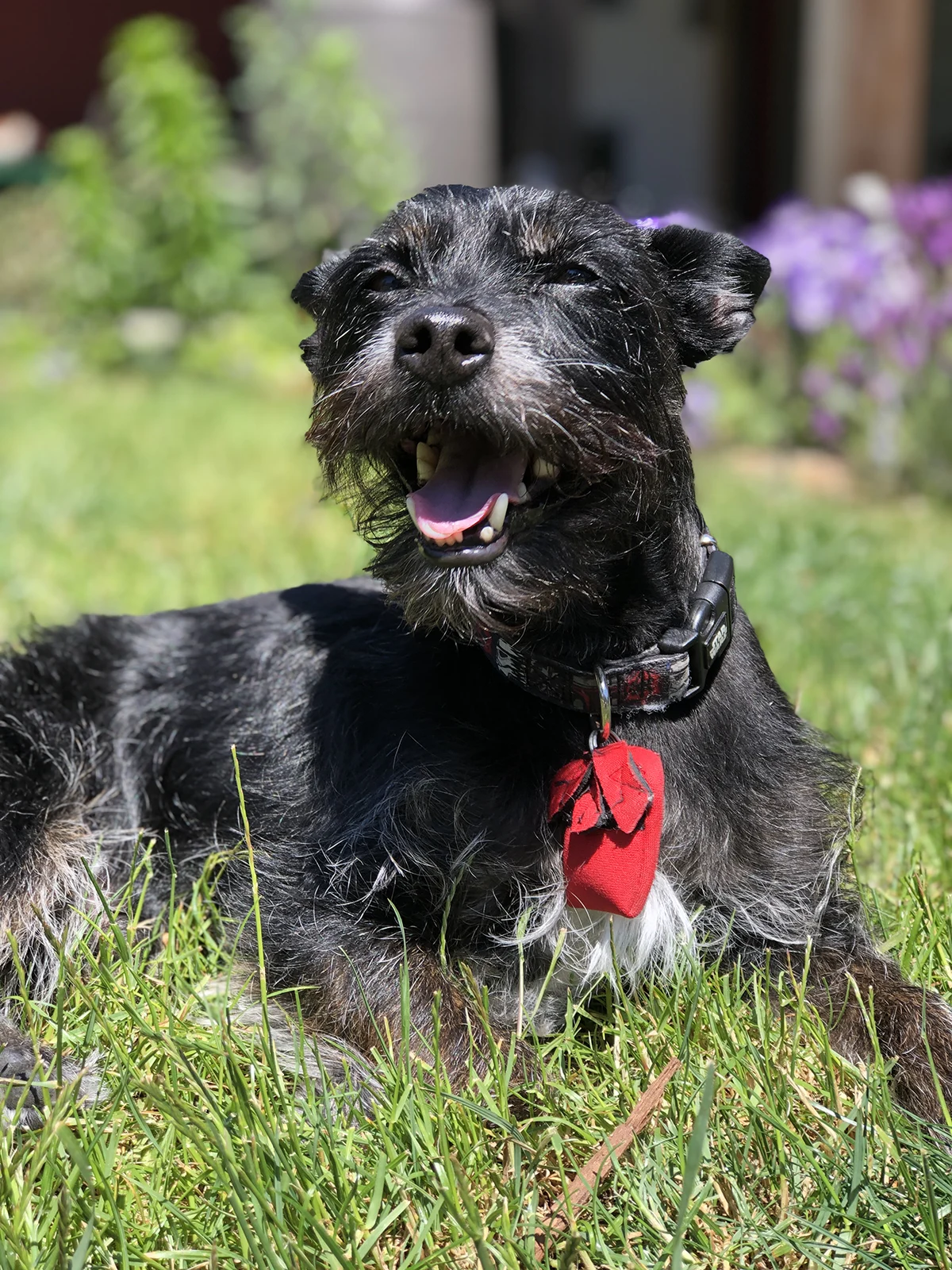


Terri L. McCalla BSc, DVM, MS, Diplomate ACVO
Dr. Terri McCalla Dr. McCalla received a BS in Animal Health Science from the University of Arizona, followed by her DVM degrees from both Oregon and Washington State Universities in 1984. She completed a 3 year residency in Comparative Ophthalmology from the University of Missouri and became board-certified in the American College of Veterinary Ophthalmologists (ACVO) in 1989.
Terri L. McCalla BSc, DVM, MS, Diplomate ACVO
Dr. Terri McCalla Dr. McCalla received a BS in Animal Health Science from the University of Arizona, followed by her DVM degrees from both Oregon and Washington State Universities in 1984. She completed a 3 year residency in Comparative Ophthalmology from the University of Missouri and became board-certified in the American College of Veterinary Ophthalmologists (ACVO) in 1989.