 Pet News


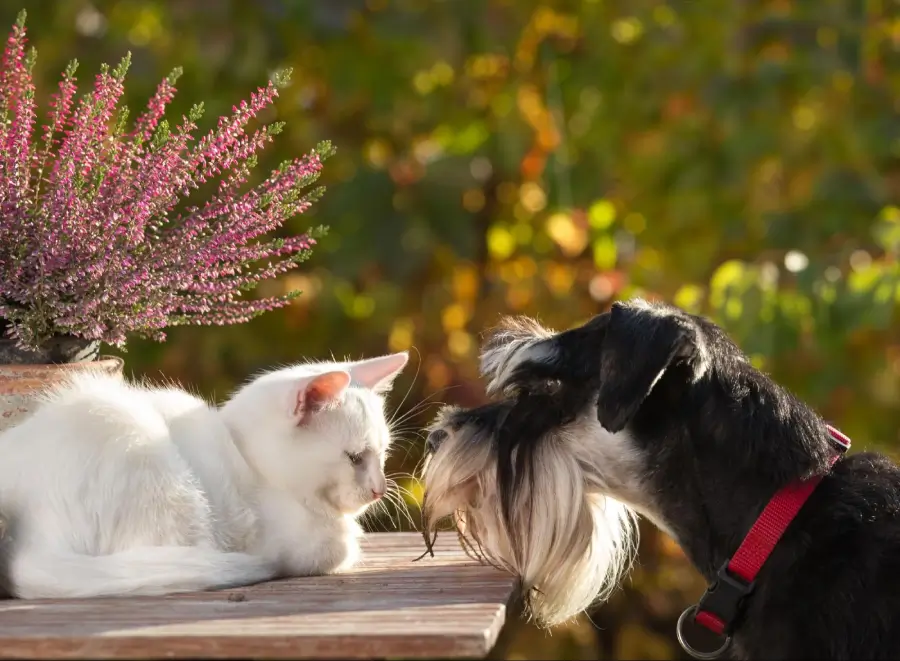
As the vibrant blooms of May herald the arrival of spring, it’s the perfect time to explore how your garden’s bounty can bolster your pet’s health. Nature offers a treasure trove of plants that, when used wisely, can serve as natural remedies for our furry friends. Here, we delve into the garden’s green pharmacy, spotlighting pet-safe plants and how they can contribute to your pet’s wellness.
First and foremost, remember that not all plants are pet-friendly; some can be harmful. Always verify the safety of any plant before using it for your pet’s care.
Now, let’s explore some garden gems that can be both safe and beneficial for your pets:
- Valerian (Valeriana officinalis): Cats in particular like (and often love) valerian, and are sometimes observed digging at the roots of the plant. Valerian is known for its calming effect and as a sleep aid. The roots, rhizomes (underground stems), and horizontal stems are utilized. Dried valerian root is also used to brew a tea that promotes sleep.
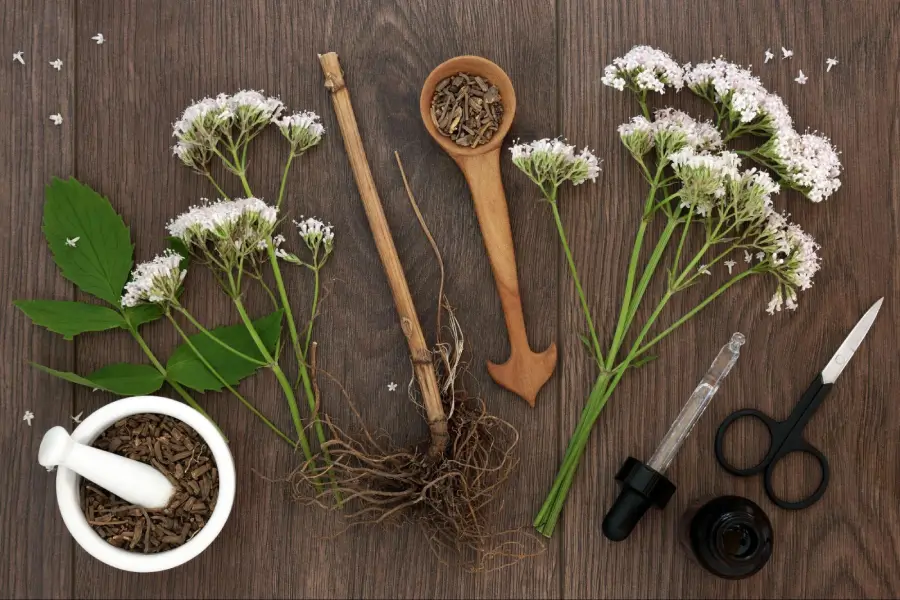
My backyard landscaping includes two valerian plants for my cats. I bought the plants from a nursery 10 years ago. Valerian is a perennial, so it comes up every year. It grows to a height of 5 feet and forms white flowers in the autumn. Valerian is also a very hardy plant. Once a deer jumped the fence and ate my valerian plants down to the dirt and I thought I’d have to start over. But they came back!
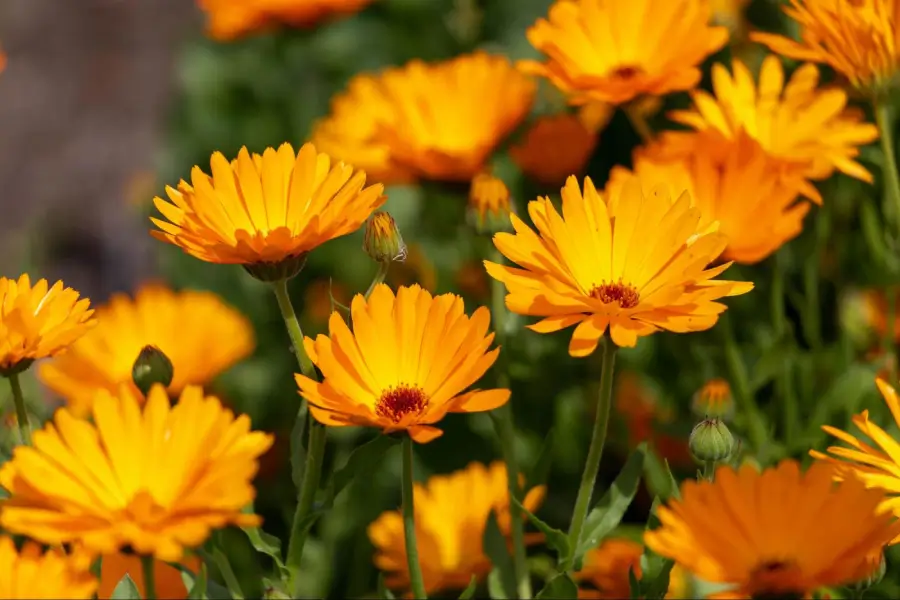
- Calendula (Calendula officinalis): Also known as “pot marigold”, Calendula is not a true marigold, but is a lovely annual or biennial plant with bright orange or yellow flowers. There are also white and bi-color varieties.
The flower petals of Calendula are known for their healing properties. Dried petals can be made into an infusion (tea), tincture, or ointment and applied topically to your pet’s skin to help heal cuts, stings, blisters, burns, and rashes, promoting faster recovery and reducing inflammation.
We must be so careful in selecting the plants for our gardens, to keep our pets safe! For example, tulips are toxic to dogs and cats– especially cats. Any true lily plant is toxic (and can be fatal) to cats –every part of the plant including the pollen!
There are some tried and true herbal favorites that you can keep and enjoy in your gardens without fear, including Sage (Salvia officinalis), Rosemary (Salvia rosmarinus), and Thyme (Thymus vulgaris). Besides smelling good and seasoning our food, these herbs have been researched for their various medicinal properties, including antioxidant, antibacterial, and anti-inflammatory effects.
Incorporating these natural remedies into your pet care routine offers a holistic approach to maintaining their health. However, it’s crucial to use them correctly:
- Identify and harvest safely: Ensure you’re picking the right plants. Positive identification is key to preventing accidental poisoning.
- Use in moderation: Natural doesn’t always mean harmless. Use these remedies sparingly and observe how your pet responds.
- There is lack of scientific evidence to evaluate the safety and efficacy of herbal medicines. The vast majority of medicinal herbs have not undergone legitimate clinical research (or any clinical research!) in dogs, cats, and humans.
- If your dog or cat is pregnant, it is imperative that you check with your veterinarian before administering any medicinal plant preparations– even topically.
Now, let’s break down how these garden treasures can be part of your pet’s health regimen:
Advertisement
Valerian for Calm and Comfort
Valerian can act a mild sedative in dogs and cats (and humans) and help ease anxiety and insomnia. Cats commonly have the same reaction to valerian as they do to catnip. But be aware that both herbs can make some cats happy to the point of “care-free aggression” towards other cats in the house, so be watchful. One of my own cats adored valerian; here is a photo of ‘Liza” zoning out with her valerian cat toy.
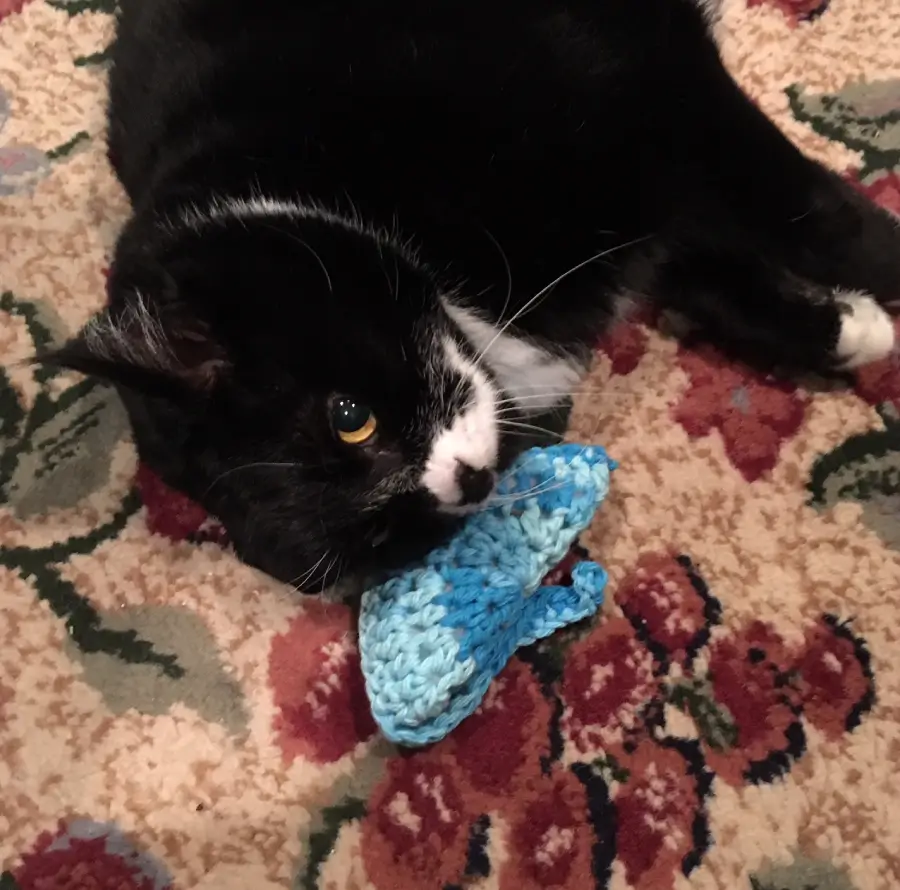
Pretty much every cat battles stress– some more than others. For a kitty stress-reducer, make valerian cat toys! Sew or crochet small “pillows” and stuff with dried valerian root, or stuff premade bags. Keep in an airtight plastic bag until you are ready to give one to your cat, as valerian has a distinct odor (like dirty gym socks).
I had one pet owner who really disliked the smell, so she sewed little pillows and stuffed them with valerian root, and then hung them by a yarn string in an acceptable area of the house. Her cats loved to hang out there to bat the valerian pillows and get happy.
Anxious dogs can also benefit from valerian! Try putting some dried valerian root flakes mixed with treats in a snuffle mat to help make your dog both happy and calm.
And consider treating yourself to some valerian tea for a spot of calm before bedtime. Tea brewed from whole valerian root tends to have a more reliable effect (add honey for a flavor enhancer).
Calendula Plus Three Herb Garden Favorites
For irritated or inflamed skin, make an infusion of calendula, sage, rosemary, and thyme.
Into 4 cups of just-boiled water, put one small handful of each of the following: dried calendula petals, and fresh or dried leaves of sage, rosemary, and thyme. Pour the mixture into a heavy ceramic bowl, cover it (to retain the essential oils while cooling) and steep for 15-20 minutes. Strain and store in the fridge for up to 3-4 days.
Sponge the tea (warm it up a bit first to take the chill off) on the affected areas and let air-dry (no rinsing). If necessary, place an E collar on your pet to prevent them from licking the treated area. For some dogs, gently spraying the tea on their skin might feel even better.
Advertisement
Ask Your Veterinarian First
While these natural remedies may be beneficial for your pet, they should complement and never replace professional veterinary care. Always consult a veterinarian before introducing any new treatment to your pet’s regimen.
By exploring the natural remedies in our garden, we can enhance our pets’ health and well-being and foster a harmonious life with our cherished animal companions.


Terri L. McCalla BSc, DVM, MS, Diplomate ACVO
Dr. Terri McCalla Dr. McCalla received a BS in Animal Health Science from the University of Arizona, followed by her DVM degrees from both Oregon and Washington State Universities in 1984. She completed a 3 year residency in Comparative Ophthalmology from the University of Missouri and became board-certified in the American College of Veterinary Ophthalmologists (ACVO) in 1989.
Terri L. McCalla BSc, DVM, MS, Diplomate ACVO
Dr. Terri McCalla Dr. McCalla received a BS in Animal Health Science from the University of Arizona, followed by her DVM degrees from both Oregon and Washington State Universities in 1984. She completed a 3 year residency in Comparative Ophthalmology from the University of Missouri and became board-certified in the American College of Veterinary Ophthalmologists (ACVO) in 1989.